Project management tools like , Notion, Basecamp, Lark, Slack, Asana and Trello.
AI chatbot tools like ChatGPT, Grok, Perplexity, Claude, Gemini and Copilot.
Marketing analytics platforms like Google Analytics, Similarweb and Semrush.
CRM systems like HubSpot, Apollo.io Pipedrive, Zoho CRM, and Salesforce.
VPNs, SSO providers, and password managers like NordVPN, Okta, and LastPass.
Email marketing and campaign tools like MailerLite, Instantly, and Mailchimp.
Website builders, hosting tools like Hostinger, Webflow, Framer, and Shopify
HR and recruiting software like ATS platforms, BambooHR, Workday, and Lever.
Automate finances with confidence like Quickbooks, Stripe, Brex, and Mercury.
Design and editing tools like Figma, Canva, Adobe Creative Cloud, CapCut.
Workflow automation tools like Zapier, Make, Clay, and Reclaim.ai.
No-code and AI-native dev tools like Cursor, Windsurf, Lovable and Bubble.
Chat to find tools, compare options,
Discover the best-performing
Curated and listed by Subscribed Team
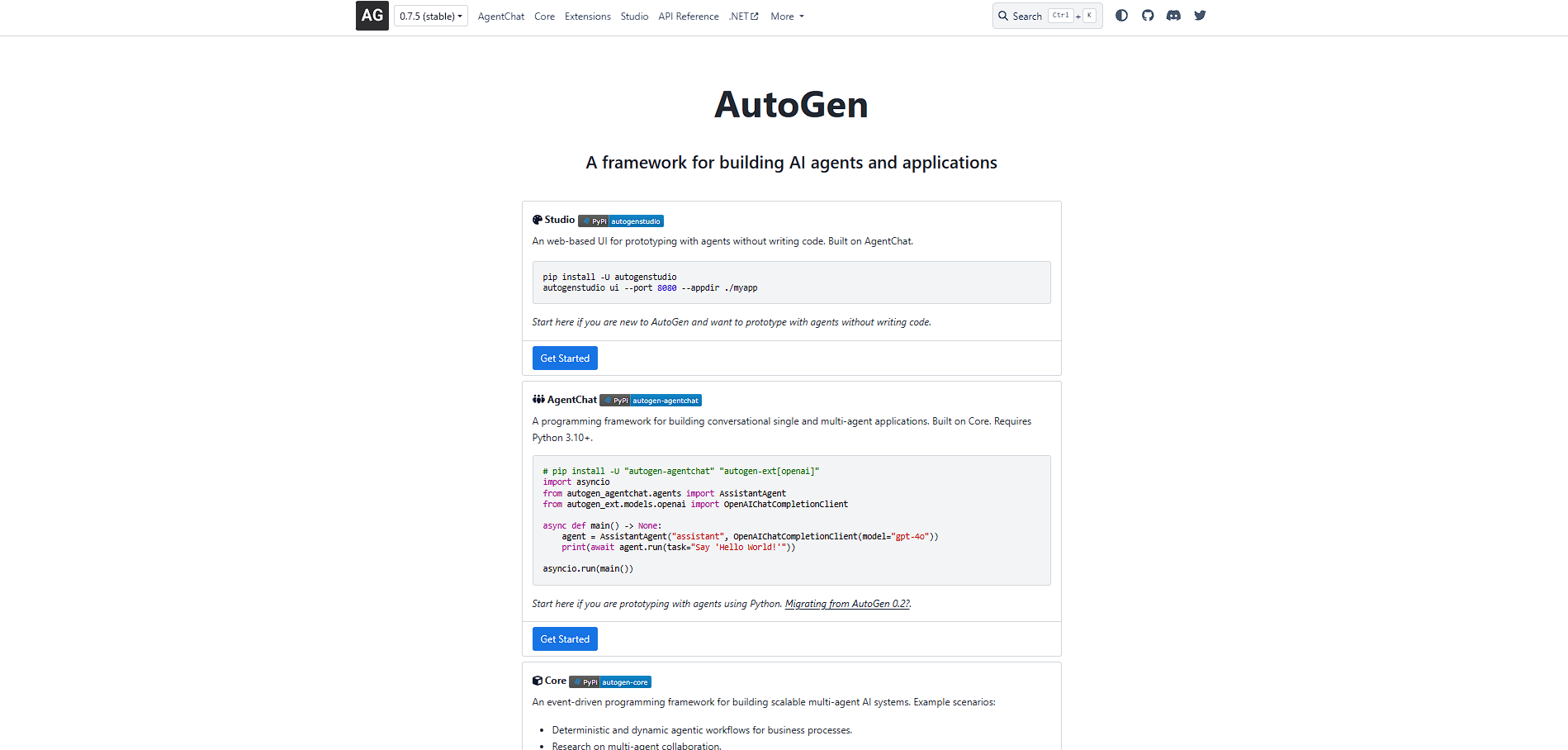
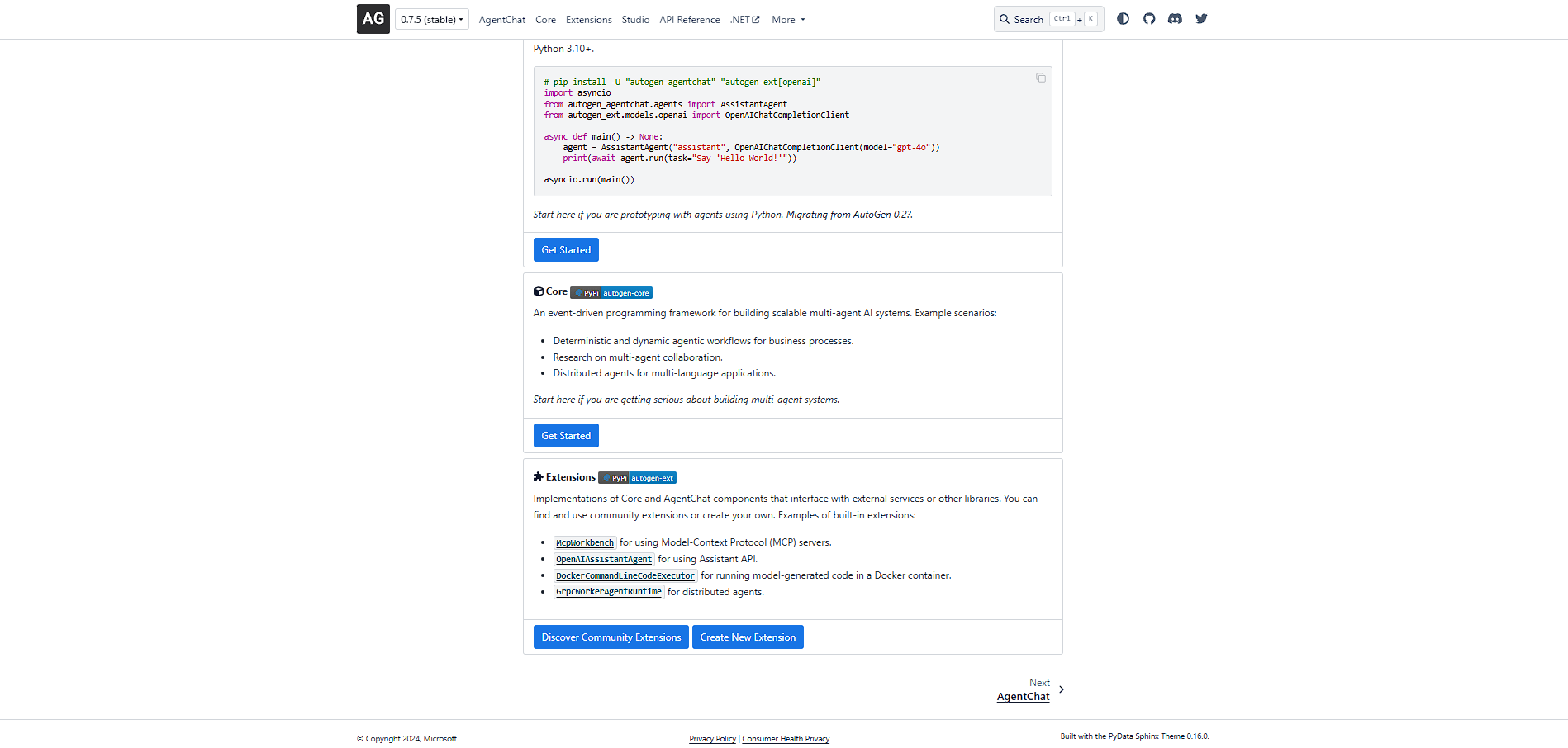
Microsoft AutoGen is an open-source framework developed by Microsoft Research for building AI applications using multiple collaborating agents. Instead of relying on a single AI model, AutoGen allows developers to create systems where several agents communicate with each other to solve tasks, making it more suitable for complex workflows.
The framework focuses on “multi-agent conversation,” where agents can exchange messages, use tools, execute code, and even involve human input. This approach enables more advanced capabilities such as task delegation, iterative reasoning, and autonomous problem-solving.
AutoGen is commonly used in AI engineering for building agentic systems like autonomous assistants, coding agents, research tools, and workflow automation pipelines. It is positioned as a foundational framework in the growing ecosystem of agent-based AI development, alongside tools like LangChain, CrewAI, and newer Microsoft frameworks.
Key Features and Benefits
Who Can Benefit from Microsoft AutoGen
Looking for alternative solutions?
Alternatives include LangChain for general orchestration, CrewAI for structured multi-agent workflows, LlamaIndex for data-centric pipelines, and newer Microsoft Agent Framework for enterprise-grade orchestration.
Microsoft AutoGen is an open-source framework developed by Microsoft Research for building AI applications using multiple collaborating agents. Instead of relying on a single AI model, AutoGen allows developers to create systems where several agents communicate with each other to solve tasks, making it more suitable for complex workflows.
The framework focuses on “multi-agent conversation,” where agents can exchange messages, use tools, execute code, and even involve human input. This approach enables more advanced capabilities such as task delegation, iterative reasoning, and autonomous problem-solving.
AutoGen is commonly used in AI engineering for building agentic systems like autonomous assistants, coding agents, research tools, and workflow automation pipelines. It is positioned as a foundational framework in the growing ecosystem of agent-based AI development, alongside tools like LangChain, CrewAI, and newer Microsoft frameworks.
Key Features and Benefits
Who Can Benefit from Microsoft AutoGen
Looking for alternative solutions?
Alternatives include LangChain for general orchestration, CrewAI for structured multi-agent workflows, LlamaIndex for data-centric pipelines, and newer Microsoft Agent Framework for enterprise-grade orchestration.
Learn what people say about AutoGen
Be the first to share your experience and help others in the community.
Microsoft AutoGen is an open-source framework developed by Microsoft Research for building AI applications using multiple collaborating agents. Instead of relying on a single AI model, AutoGen allows developers to create systems where several agents communicate with each other to solve tasks, making it more suitable for complex workflows.
The framework focuses on “multi-agent conversation,” where agents can exchange messages, use tools, execute code, and even involve human input. This approach enables more advanced capabilities such as task delegation, iterative reasoning, and autonomous problem-solving.
AutoGen is commonly used in AI engineering for building agentic systems like autonomous assistants, coding agents, research tools, and workflow automation pipelines. It is positioned as a foundational framework in the growing ecosystem of agent-based AI development, alongside tools like LangChain, CrewAI, and newer Microsoft frameworks.
Key Features and Benefits
Who Can Benefit from Microsoft AutoGen
Looking for alternative solutions?
Alternatives include LangChain for general orchestration, CrewAI for structured multi-agent workflows, LlamaIndex for data-centric pipelines, and newer Microsoft Agent Framework for enterprise-grade orchestration.