Project management tools like , Notion, Basecamp, Lark, Slack, Asana and Trello.
AI chatbot tools like ChatGPT, Grok, Perplexity, Claude, Gemini and Copilot.
Marketing analytics platforms like Google Analytics, Similarweb and Semrush.
CRM systems like HubSpot, Apollo.io Pipedrive, Zoho CRM, and Salesforce.
VPNs, SSO providers, and password managers like NordVPN, Okta, and LastPass.
Email marketing and campaign tools like MailerLite, Instantly, and Mailchimp.
Website builders, hosting tools like Hostinger, Webflow, Framer, and Shopify
HR and recruiting software like ATS platforms, BambooHR, Workday, and Lever.
Automate finances with confidence like Quickbooks, Stripe, Brex, and Mercury.
Design and editing tools like Figma, Canva, Adobe Creative Cloud, CapCut.
Workflow automation tools like Zapier, Make, Clay, and Reclaim.ai.
No-code and AI-native dev tools like Cursor, Windsurf, Lovable and Bubble.
Chat to find tools, compare options,
Discover the best-performing
Manage profile with subsig, and
unlock 23+ social and review monitoring. Get partnership options with
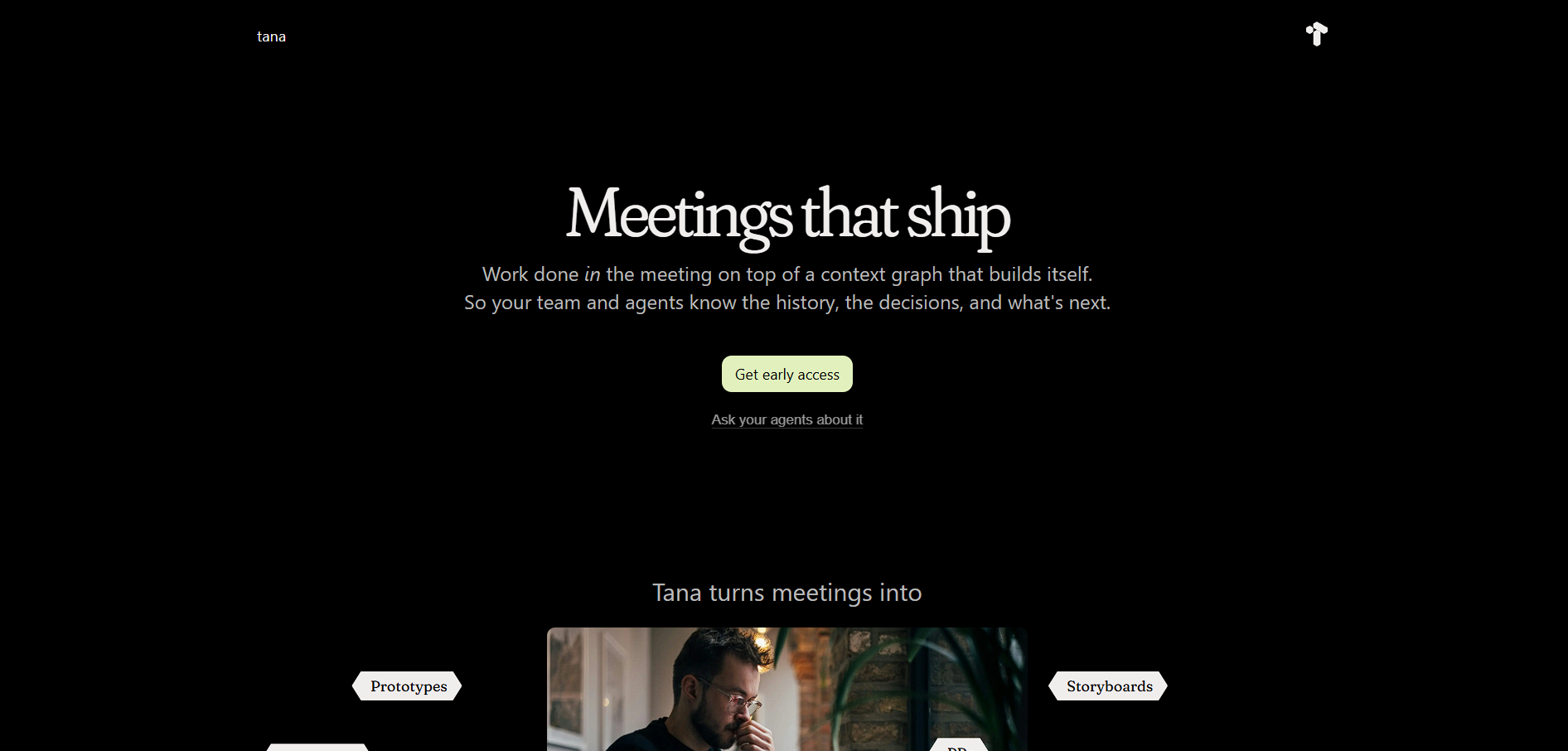
Tana is an AI-native productivity platform designed to function as a “second brain” for individuals and teams. It combines an outliner-style editor with a knowledge graph structure, allowing users to capture, organize, and connect information dynamically instead of storing it in static documents.
At its core, Tana treats every piece of content as a node that can be linked, tagged, and transformed into different formats such as tasks, projects, or documents. Its standout feature, “Supertags,” enables users to structure data within notes and reuse it across workflows, effectively turning unstructured information into a flexible system.
Tana is positioned as an advanced alternative to traditional tools like Notion or Evernote, with a stronger emphasis on automation and AI. It is commonly used by knowledge workers, founders, and teams who need a centralized workspace that evolves with their workflows and leverages AI to reduce manual organization.
If you prefer simpler tools or more mature ecosystems, alternatives like Notion, Obsidian, and Evernote provide varying levels of flexibility, ease of use, and integrations. Some focus on simplicity, while others offer extensibility through plugins rather than built-in structure.

Tana is an AI-native productivity platform designed to function as a “second brain” for individuals and teams. It combines an outliner-style editor with a knowledge graph structure, allowing users to capture, organize, and connect information dynamically instead of storing it in static documents.
At its core, Tana treats every piece of content as a node that can be linked, tagged, and transformed into different formats such as tasks, projects, or documents. Its standout feature, “Supertags,” enables users to structure data within notes and reuse it across workflows, effectively turning unstructured information into a flexible system.
Tana is positioned as an advanced alternative to traditional tools like Notion or Evernote, with a stronger emphasis on automation and AI. It is commonly used by knowledge workers, founders, and teams who need a centralized workspace that evolves with their workflows and leverages AI to reduce manual organization.
If you prefer simpler tools or more mature ecosystems, alternatives like Notion, Obsidian, and Evernote provide varying levels of flexibility, ease of use, and integrations. Some focus on simplicity, while others offer extensibility through plugins rather than built-in structure.

Learn what people say about Tana
Tana is an AI-native productivity platform designed to function as a “second brain” for individuals and teams. It combines an outliner-style editor with a knowledge graph structure, allowing users to capture, organize, and connect information dynamically instead of storing it in static documents.
At its core, Tana treats every piece of content as a node that can be linked, tagged, and transformed into different formats such as tasks, projects, or documents. Its standout feature, “Supertags,” enables users to structure data within notes and reuse it across workflows, effectively turning unstructured information into a flexible system.
Tana is positioned as an advanced alternative to traditional tools like Notion or Evernote, with a stronger emphasis on automation and AI. It is commonly used by knowledge workers, founders, and teams who need a centralized workspace that evolves with their workflows and leverages AI to reduce manual organization.
If you prefer simpler tools or more mature ecosystems, alternatives like Notion, Obsidian, and Evernote provide varying levels of flexibility, ease of use, and integrations. Some focus on simplicity, while others offer extensibility through plugins rather than built-in structure.

Want to list your product on Subscribed.fyi? Create a profile to reach more buyers.