


Best deployment platforms for developers
-
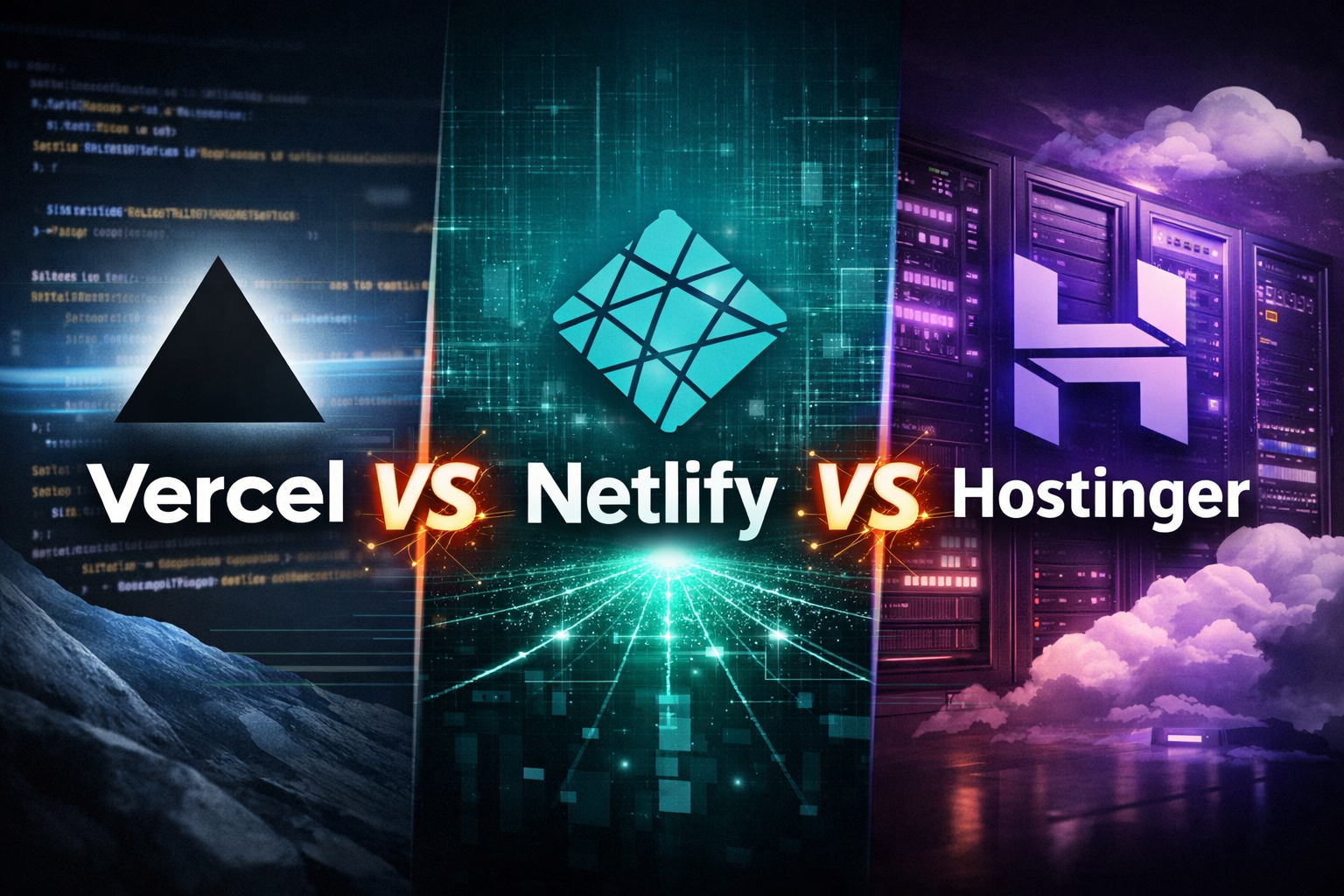
Choosing the right deployment platform is one of the most important decisions for developers building modern applications. Whether you are launching a startup MVP, scaling a SaaS product, or managing multiple client projects, your choice of developer hosting can directly impact performance, cost, and development speed.
In this guide, we will compare Vercel vs Netlify vs Hostinger across pricing, performance, ease of use, and scalability. We will also show how platforms like Subscribed.fyi help you evaluate tools through detailed reviews like Vercel reviews, Netlify reviews, and Hostinger reviews, plus explore alternatives using Subscribed AI discovery.
What are deployment platforms?
Deployment platforms are services that allow developers to host, build, and deploy applications with minimal infrastructure management. These platforms automate processes like CI/CD pipelines, domain configuration, and scaling.
Modern SaaS hosting platforms typically support:
- Git-based deployments (GitHub, GitLab, Bitbucket)
- Serverless functions and APIs
- Global CDN delivery
- Auto-scaling infrastructure
If you are exploring options, tools like Subscribed’s software directory and comparison pages can help you quickly evaluate different deployment platforms side by side.
Overview

Vercel
Vercel is widely known for powering modern frontend frameworks like Next.js. It focuses heavily on developer experience and performance optimization. Its infrastructure is built around edge delivery, allowing apps to load quickly across regions while maintaining a seamless deployment workflow directly from Git repositories.
Key Features
- Automatic deployments from Git repositories
- Edge network with global CDN
- Built-in support for Next.js and serverless functions
- Preview deployments for every commit
Pricing
Vercel offers a generous free tier, but costs can scale quickly with bandwidth and usage. Many developers find pricing unpredictable as projects grow.
Explore more details through Vercel reviews or find similar tools using Subscribed AI alternatives.
Pros
- Excellent performance for frontend apps
- Seamless integration with modern frameworks
- Strong developer tooling
Cons
- Expensive at scale
- Limited flexibility for backend-heavy apps
Best for performance and frontend frameworks
Netlify
Netlify is another popular deployment platform known for its simplicity and strong support for static sites and JAMstack architecture. It provides a smooth developer experience with built-in tools that reduce the need for external services, making it especially appealing for teams that want to deploy quickly without managing complex infrastructure or configurations.
Key Features
- Drag-and-drop deployment or Git integration
- Built-in CI/CD pipelines
- Serverless functions
- Form handling and identity services
Pricing
Netlify also offers a free plan, but like Vercel, pricing can increase based on usage, especially for bandwidth and build minutes.
Learn more via Netlify reviews or explore Netlify alternatives.
Pros
- Easy to use for beginners
- Strong ecosystem of plugins
- Great for static and JAMstack sites
Cons
- Build limits can slow scaling
- Less optimized for full-stack applications
Best for simplicity and jamstack projects
Hostinger
Hostinger has evolved into a powerful developer hosting platform that supports modern frameworks while remaining highly affordable.
Unlike Vercel and Netlify, Hostinger offers a more traditional hosting approach combined with modern capabilities, making it ideal for developers who want flexibility and predictable pricing.
Key Features
- Support for Node.js, React, Next.js, and more
- VPS and cloud hosting options
- Built-in website builder and deployment tools
- Flat pricing with no surprise usage fees
Pricing
Hostinger stands out with predictable and low-cost pricing, often 3 to 5 times cheaper than competitors for similar workloads.
Explore user insights on Hostinger reviews or compare other hosting tools using Subscribed AI alternatives.
Pros
- Affordable and predictable pricing
- Flexible hosting options
- Suitable for full-stack and backend apps
Cons
- Slightly less streamlined than Vercel for frontend workflows
- Requires more setup for CI/CD
Best cost-effective developer hosting
Ease of use
Ease of use is another key factor:
- Vercel: Minimal setup and seamless workflows
- Netlify: Beginner-friendly interface
- Hostinger: More control with a slight learning curve
For fast onboarding, Vercel and Netlify are strong choices. For flexibility and control, Hostinger stands out.
Performance comparison
When comparing Vercel vs Netlify vs Hostinger, performance depends on your use case:
- Vercel delivers excellent frontend speed with edge functions
- Netlify performs well for static and CDN-based applications
- Hostinger provides strong performance for backend and full-stack systems
If your focus is frontend performance, Vercel leads. If you’re balancing performance with cost, Hostinger offers strong value.
You can validate performance insights through Subscribed comparisons and real user reviews like Vercel and Netlify.
Conclusion
Choosing between Vercel vs Netlify vs Hostinger comes down to how you balance performance, cost, and flexibility. Vercel is ideal for frontend-focused workflows, Netlify offers simplicity for JAMstack builds, and Hostinger stands out as a cost-effective, full-stack solution. Instead of guessing which platform fits best, you can use Subscribed to explore real reviews, compare features side by side, and instantly discover better alternatives tailored to your needs.
If you want to build smarter and avoid overpaying for your stack, start by browsing tools, comparing options, and finding exclusive deals directly on Subscribed.fyi.
Relevant Links
- Vercel reviews
- Netlify reviews
- Hostinger reviews
- Subscribed software directory
- Vercel vs Netlify vs Hostinger comparison