Project management tools like , Notion, Basecamp, Lark, Slack, Asana and Trello.
AI chatbot tools like ChatGPT, Grok, Perplexity, Claude, Gemini and Copilot.
Marketing analytics platforms like Google Analytics, Similarweb and Semrush.
CRM systems like HubSpot, Apollo.io Pipedrive, Zoho CRM, and Salesforce.
VPNs, SSO providers, and password managers like NordVPN, Okta, and LastPass.
Email marketing and campaign tools like MailerLite, Instantly, and Mailchimp.
Website builders, hosting tools like Hostinger, Webflow, Framer, and Shopify
HR and recruiting software like ATS platforms, BambooHR, Workday, and Lever.
Automate finances with confidence like Quickbooks, Stripe, Brex, and Mercury.
Design and editing tools like Figma, Canva, Adobe Creative Cloud, CapCut.
Workflow automation tools like Zapier, Make, Clay, and Reclaim.ai.
No-code and AI-native dev tools like Cursor, Windsurf, Lovable and Bubble.

AutoGen’s biggest strength is its native support for multi-agent systems. It provides a powerful abstraction for building AI “teams” that can collaborate, reason, and execute tasks more effectively than single-agent setups. This makes it ideal for complex workflows like coding agents, research assistants, and autonomous systems.
However, the framework is highly technical and requires a deep understanding of AI systems, prompting, and architecture design. Additionally, as Microsoft evolves its ecosystem, newer frameworks like the Microsoft Agent Framework are beginning to supersede AutoGen in enterprise contexts, which may impact long-term adoption.
Overall, AutoGen is best suited for developers building advanced, agent-based AI systems where collaboration and orchestration are essential.
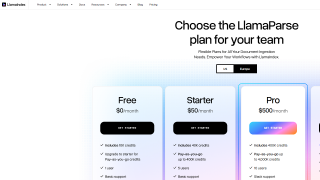
LlamaIndex excels in data-centric AI applications. Its ability to connect LLMs with structured and unstructured data makes it one of the most powerful tools for building RAG systems and enterprise AI workflows. The availability of both open-source and managed options adds flexibility for different team needs.
However, this power comes with complexity. Developers must understand indexing strategies, retrieval mechanisms, and cost trade-offs. Additionally, since it relies heavily on external services like LLM APIs and vector databases, costs can scale unpredictably depending on usage.
Overall, LlamaIndex is best suited for advanced use cases where data integration and retrieval are critical, rather than simple prompt-based applications.