Project management tools like , Notion, Basecamp, Lark, Slack, Asana and Trello.
AI chatbot tools like ChatGPT, Grok, Perplexity, Claude, Gemini and Copilot.
Marketing analytics platforms like Google Analytics, Similarweb and Semrush.
CRM systems like HubSpot, Apollo.io Pipedrive, Zoho CRM, and Salesforce.
VPNs, SSO providers, and password managers like NordVPN, Okta, and LastPass.
Email marketing and campaign tools like MailerLite, Instantly, and Mailchimp.
Website builders, hosting tools like Hostinger, Webflow, Framer, and Shopify
HR and recruiting software like ATS platforms, BambooHR, Workday, and Lever.
Automate finances with confidence like Quickbooks, Stripe, Brex, and Mercury.
Design and editing tools like Figma, Canva, Adobe Creative Cloud, CapCut.
Workflow automation tools like Zapier, Make, Clay, and Reclaim.ai.
No-code and AI-native dev tools like Cursor, Windsurf, Lovable and Bubble.

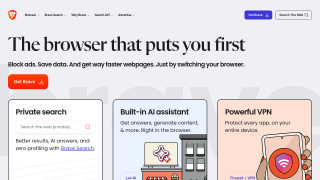
Brave is a privacy-focused browser offering faster speeds, built-in ad blockers, anti-tracking tools, and a rewards system for users. With enhanced security features and low resource consumption, it suits designers valuing speed, developers needing privacy, and marketers targeting secure environments. Compared to Chrome and Firefox, Brave excels in privacy but may lack advanced customization and compatibility with some web pages. It’s 24% cheaper for small businesses, making it cost-effective. Customer support is rated 4.4/5.
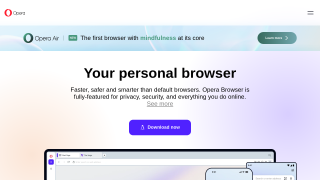
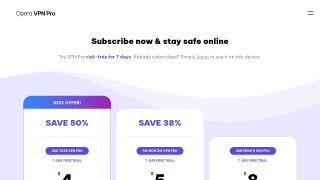
Opera is a lightweight, resource-efficient web browser offering built-in features like ad blocking, free VPN, and workspaces, making it ideal for minimalist users such as marketers and developers. Key pros include speed, a customizable UI, and integrated privacy tools. However, it lacks extensive extensions like Chrome or Firefox, and customer support can be less responsive. Opera is highly cost-effective, with most features free. Designers may favor its unique interface, while developers might find limited third-party tools a drawback.