Project management tools like , Notion, Basecamp, Lark, Slack, Asana and Trello.
AI chatbot tools like ChatGPT, Grok, Perplexity, Claude, Gemini and Copilot.
Marketing analytics platforms like Google Analytics, Similarweb and Semrush.
CRM systems like HubSpot, Apollo.io Pipedrive, Zoho CRM, and Salesforce.
VPNs, SSO providers, and password managers like NordVPN, Okta, and LastPass.
Email marketing and campaign tools like MailerLite, Instantly, and Mailchimp.
Website builders, hosting tools like Hostinger, Webflow, Framer, and Shopify
HR and recruiting software like ATS platforms, BambooHR, Workday, and Lever.
Automate finances with confidence like Quickbooks, Stripe, Brex, and Mercury.
Design and editing tools like Figma, Canva, Adobe Creative Cloud, CapCut.
Workflow automation tools like Zapier, Make, Clay, and Reclaim.ai.
No-code and AI-native dev tools like Cursor, Windsurf, Lovable and Bubble.

Chatfuel is a no-code bot platform ideal for marketers and small to mid-sized businesses focused on automating customer interactions via Facebook Messenger, Instagram, and WhatsApp. Key features include real-time replies, proactive messaging, built-in ChatGPT for human-like communication, and integrations with tools like Shopify and Stripe. Compared to ManyChat or Tidio, Chatfuel is user-friendly but less customizable for developers. Pricing starts at $11.99/month, and support is fast but not always thorough. It’s cost-effective for scaling customer engagement but may lack advanced analytics for intricate use cases.
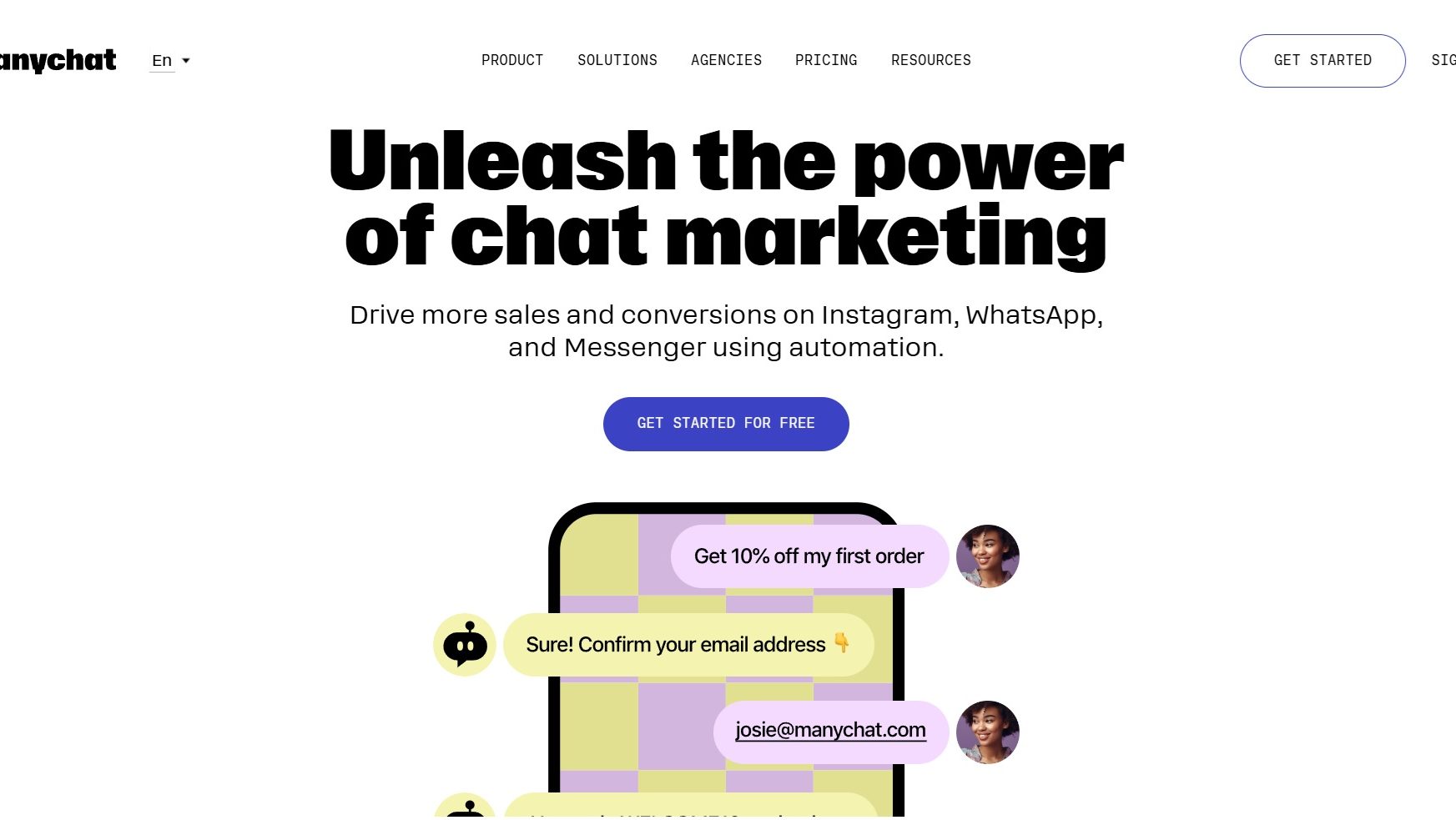
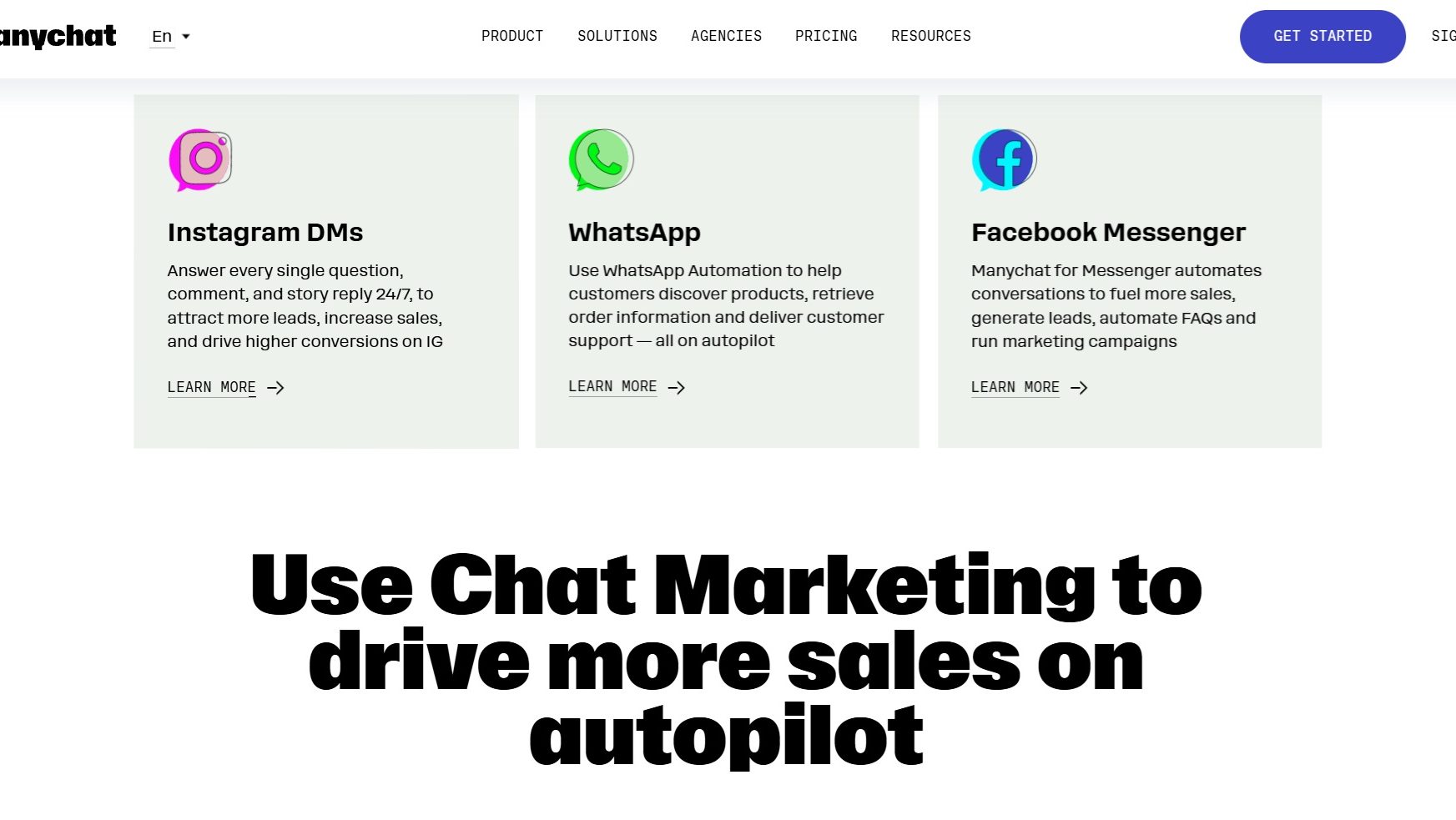
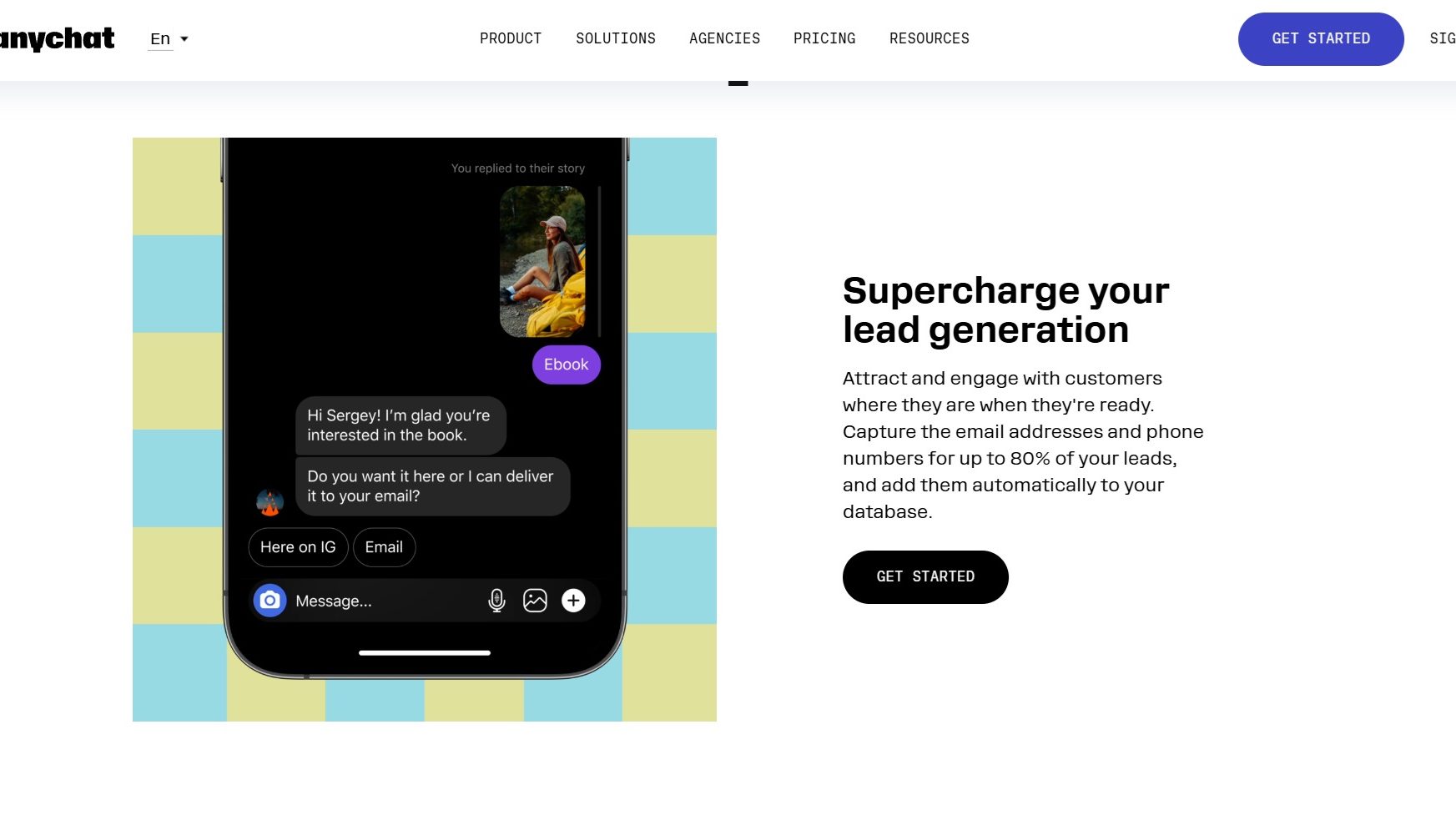
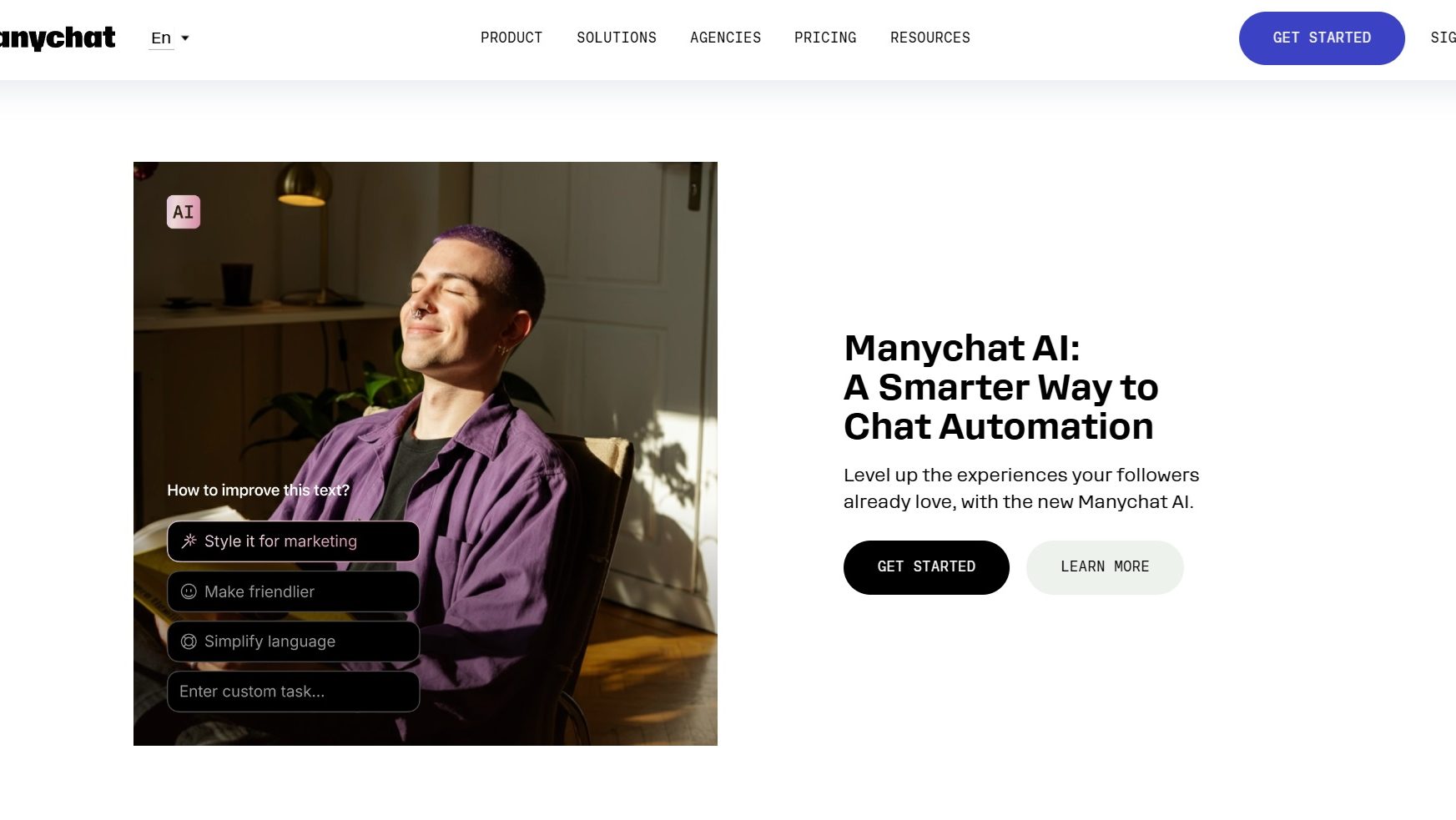
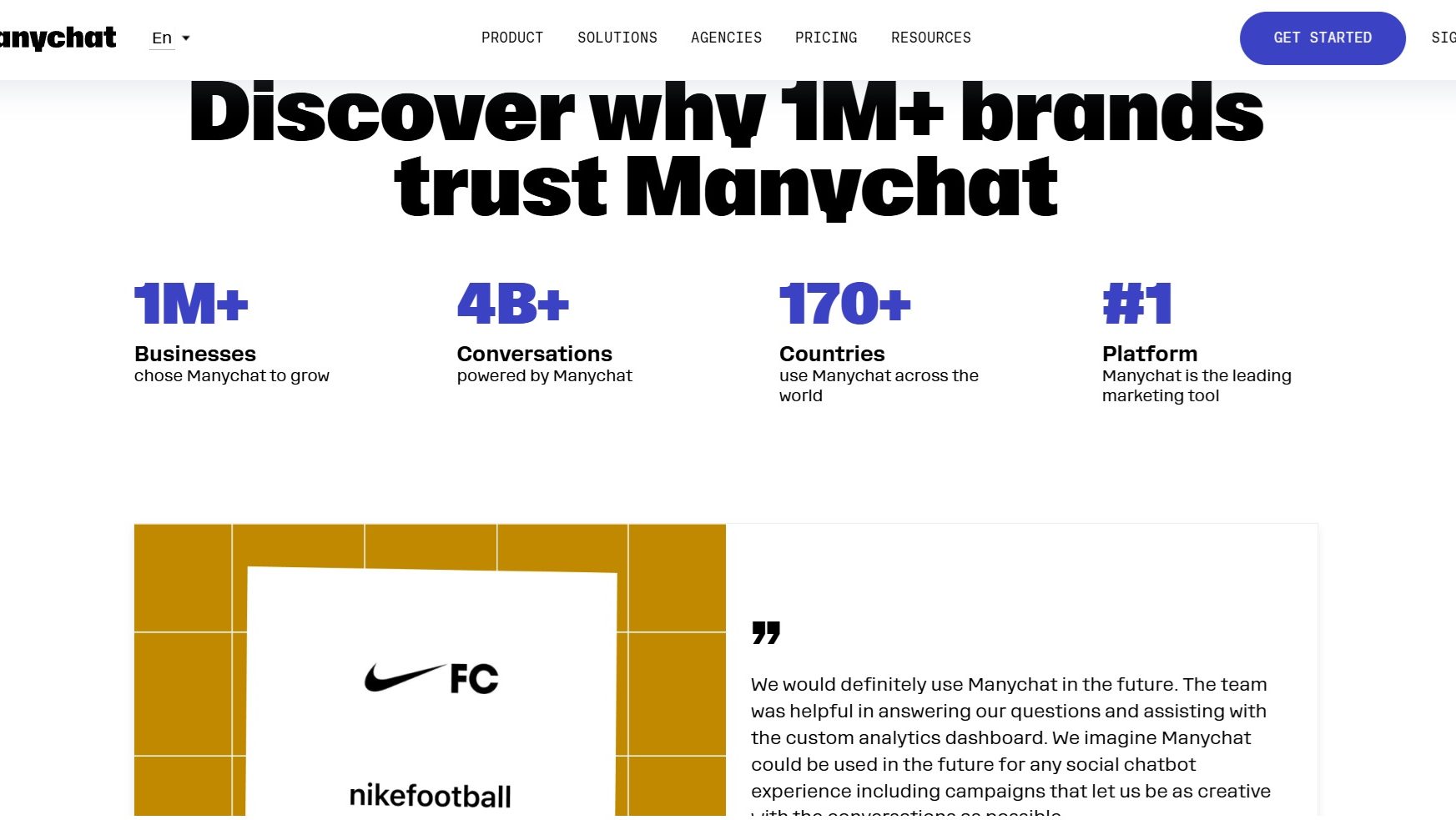
ManyChat is a top conversational marketing platform ideal for marketers, e-commerce brands, and SMBs focusing on customer engagement and lead generation. Features include automation for Facebook Messenger, Instagram, WhatsApp, SMS, and email; advanced analytics; and CRM integration. Pricing starts at $15/month, with a free plan for basic use. Compared to tools like Drift or ActiveCampaign, ManyChat offers affordable multichannel coverage but lacks advanced AI and robust customer support. Pros: easy setup, great community, cost-effective for smaller teams. Cons: Limited scalability, occasional system bugs, and inconsistent support. Suitable for marketers needing basic automation without breaking the bank. Customer support and affordability rank moderately.