Project management tools like , Notion, Basecamp, Lark, Slack, Asana and Trello.
AI chatbot tools like ChatGPT, Grok, Perplexity, Claude, Gemini and Copilot.
Marketing analytics platforms like Google Analytics, Similarweb and Semrush.
CRM systems like HubSpot, Apollo.io Pipedrive, Zoho CRM, and Salesforce.
VPNs, SSO providers, and password managers like NordVPN, Okta, and LastPass.
Email marketing and campaign tools like MailerLite, Instantly, and Mailchimp.
Website builders, hosting tools like Hostinger, Webflow, Framer, and Shopify
HR and recruiting software like ATS platforms, BambooHR, Workday, and Lever.
Automate finances with confidence like Quickbooks, Stripe, Brex, and Mercury.
Design and editing tools like Figma, Canva, Adobe Creative Cloud, CapCut.
Workflow automation tools like Zapier, Make, Clay, and Reclaim.ai.
No-code and AI-native dev tools like Cursor, Windsurf, Lovable and Bubble.

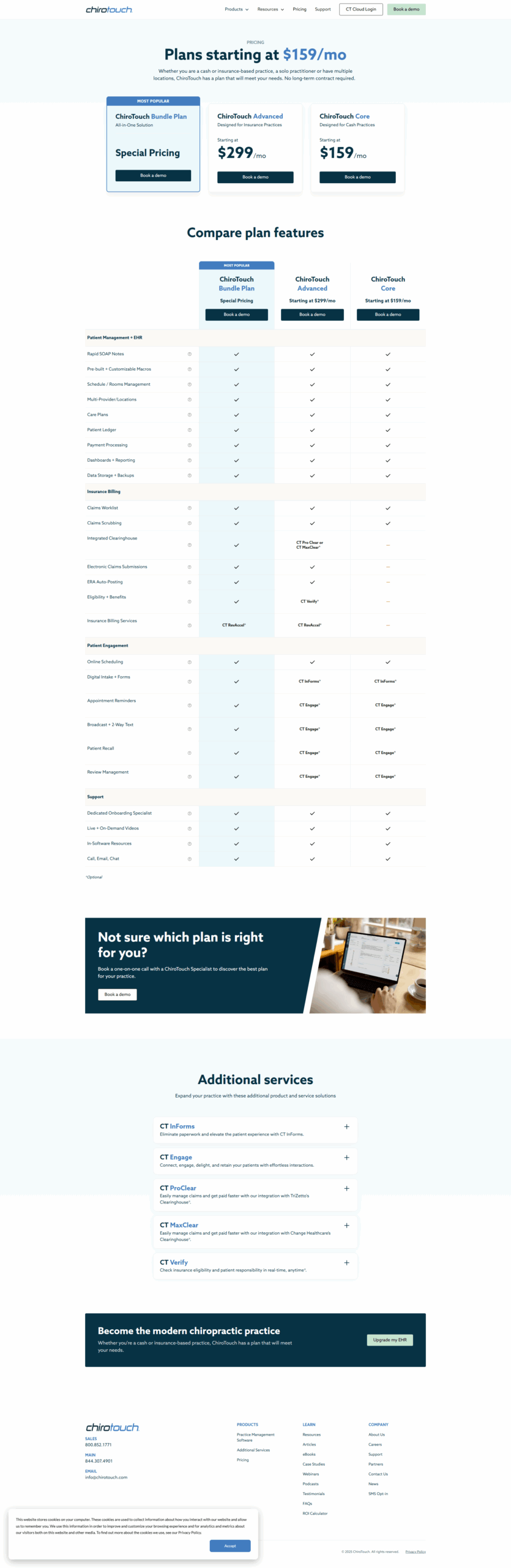
ChiroTouch is a cloud-based EHR and practice management solution tailored for chiropractors. Key features include patient scheduling, SOAP notes, billing, and compliance support—it streamlines workflows and integrates all essential functions. Starting at $159/month, it’s pricier than alternatives like Jane and Carepatron but offers greater customization and chiropractic-focused tools. While alternatives may be cheaper or more accessible for general practices, ChiroTouch excels for chiropractic-specific needs. Its customer support is responsive, though occasional delays occur. Despite higher setup costs, it’s cost-effective for practices prioritizing streamlined operations and robust functionality.
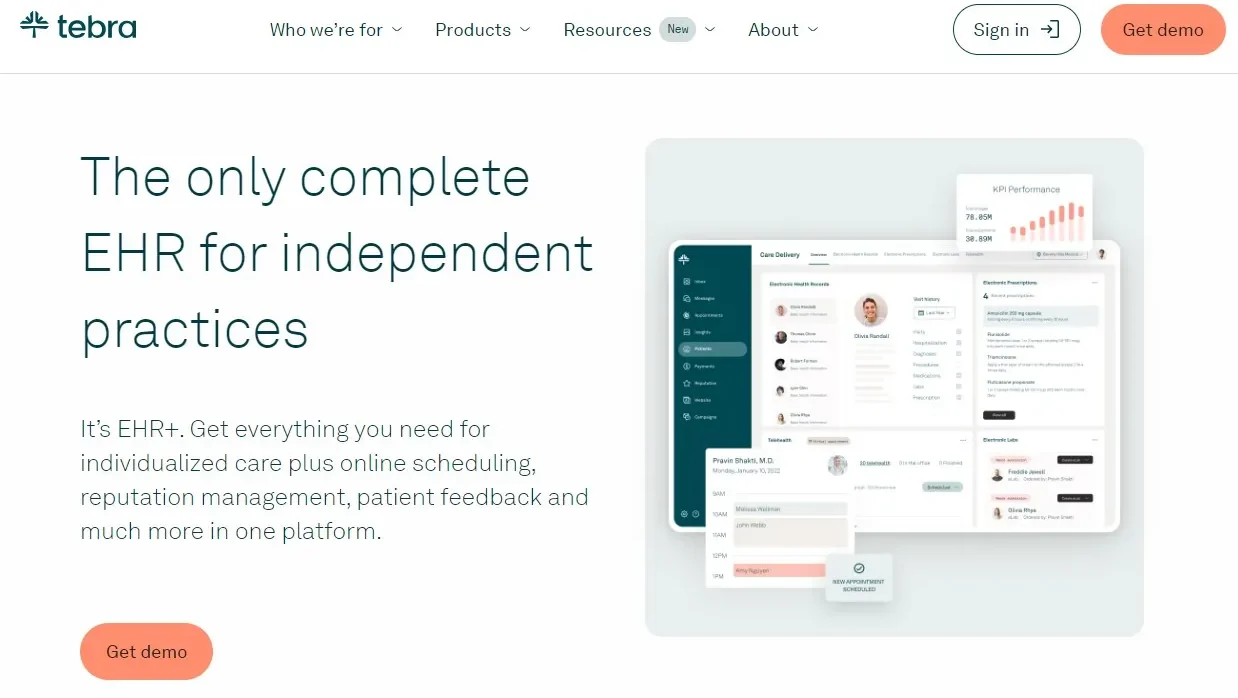
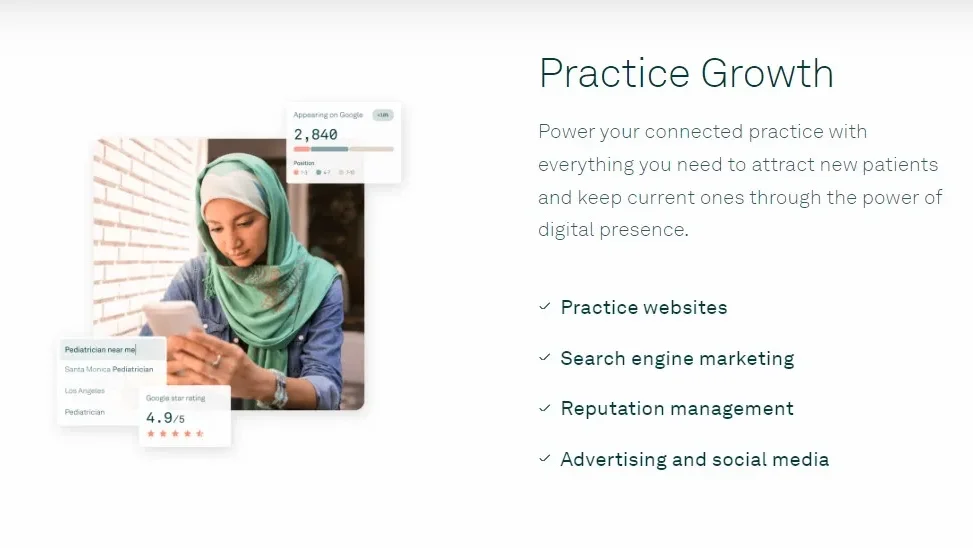
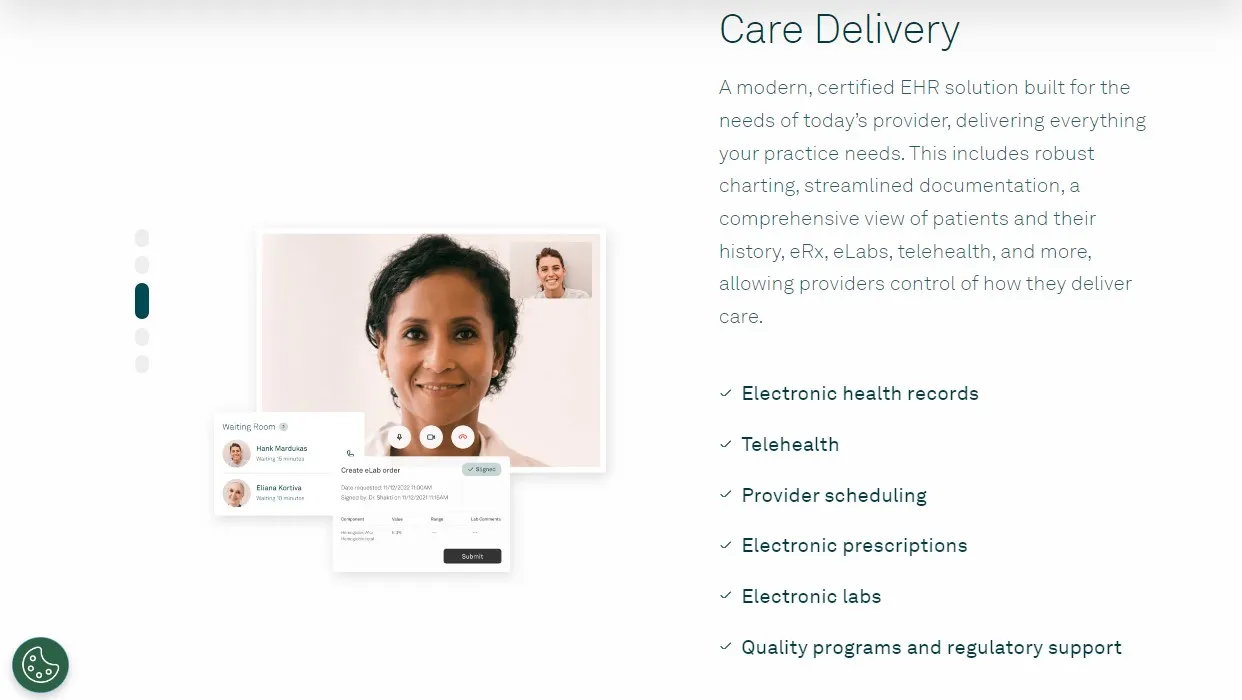
Tebra is a robust medical practice management solution tailored for healthcare providers. Its key features include a unified platform for patient billing, EHR integration, telehealth, patient engagement, and HIPAA-compliant communication tools. It simplifies processes like appointment scheduling, claims processing, and revenue management, streamlining administrative tasks for better clinician focus. Pricing is customizable and requires inquiry.
Compared to alternatives like WebPT or NextGen EHR, Tebra excels in user-friendly navigation and affordability but lags in customer support and onboarding experience. It is best suited for small to mid-sized healthcare practices but may be challenging for niche specialties, such as mental health providers, due to limited feature customization.
Customer support receives mixed reviews, noted for delays but praised for courteous staff. Cost-effectiveness is a highlight; however, onboarding challenges could deter quick implementation. Suitable for small clinics aiming for comprehensive, scalable solutions with moderate technical expertise.