Project management tools like , Notion, Basecamp, Lark, Slack, Asana and Trello.
AI chatbot tools like ChatGPT, Grok, Perplexity, Claude, Gemini and Copilot.
Marketing analytics platforms like Google Analytics, Similarweb and Semrush.
CRM systems like HubSpot, Apollo.io Pipedrive, Zoho CRM, and Salesforce.
VPNs, SSO providers, and password managers like NordVPN, Okta, and LastPass.
Email marketing and campaign tools like MailerLite, Instantly, and Mailchimp.
Website builders, hosting tools like Hostinger, Webflow, Framer, and Shopify
HR and recruiting software like ATS platforms, BambooHR, Workday, and Lever.
Automate finances with confidence like Quickbooks, Stripe, Brex, and Mercury.
Design and editing tools like Figma, Canva, Adobe Creative Cloud, CapCut.
Workflow automation tools like Zapier, Make, Clay, and Reclaim.ai.
No-code and AI-native dev tools like Cursor, Windsurf, Lovable and Bubble.

Clay’s biggest strength is its flexibility. It acts as a central hub for data, enrichment, and automation, allowing teams to design highly customized workflows. The combination of AI research, multi-source data, and automation makes it significantly more powerful than traditional prospecting tools.
However, this power comes with complexity. New users often face a steep learning curve, and inefficient workflows can lead to high credit consumption and increased costs. Additionally, some integrations and features are restricted to higher-tier plans.
Overall, Clay is best suited for teams that want full control over their go-to-market workflows and are willing to invest time in learning and optimizing the platform.
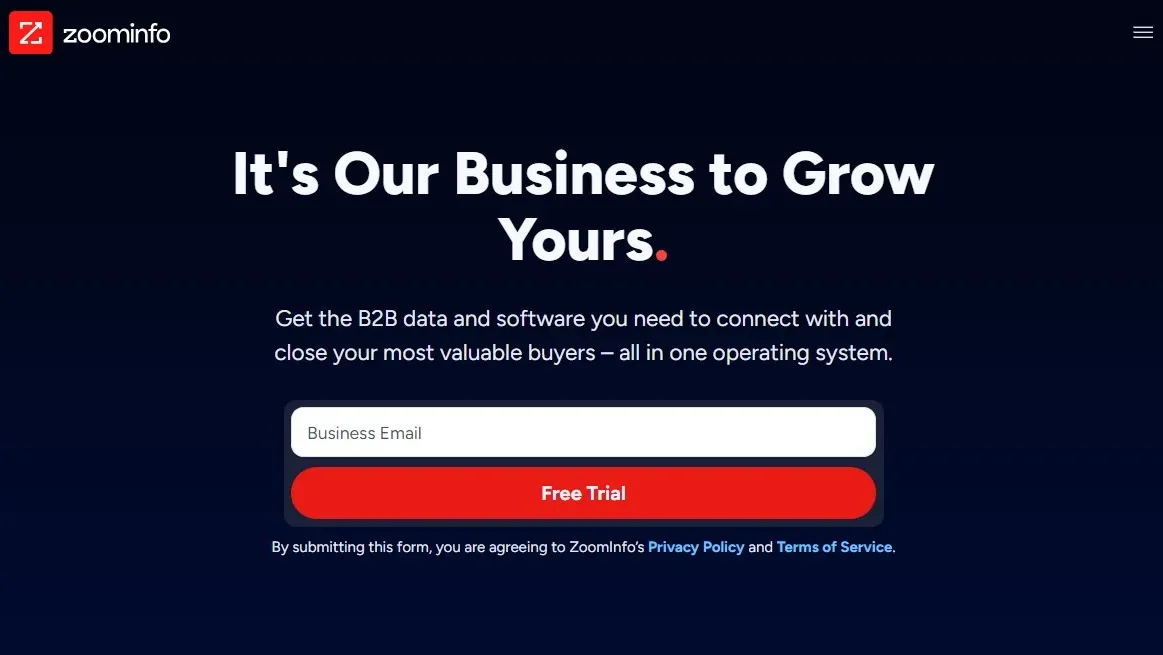
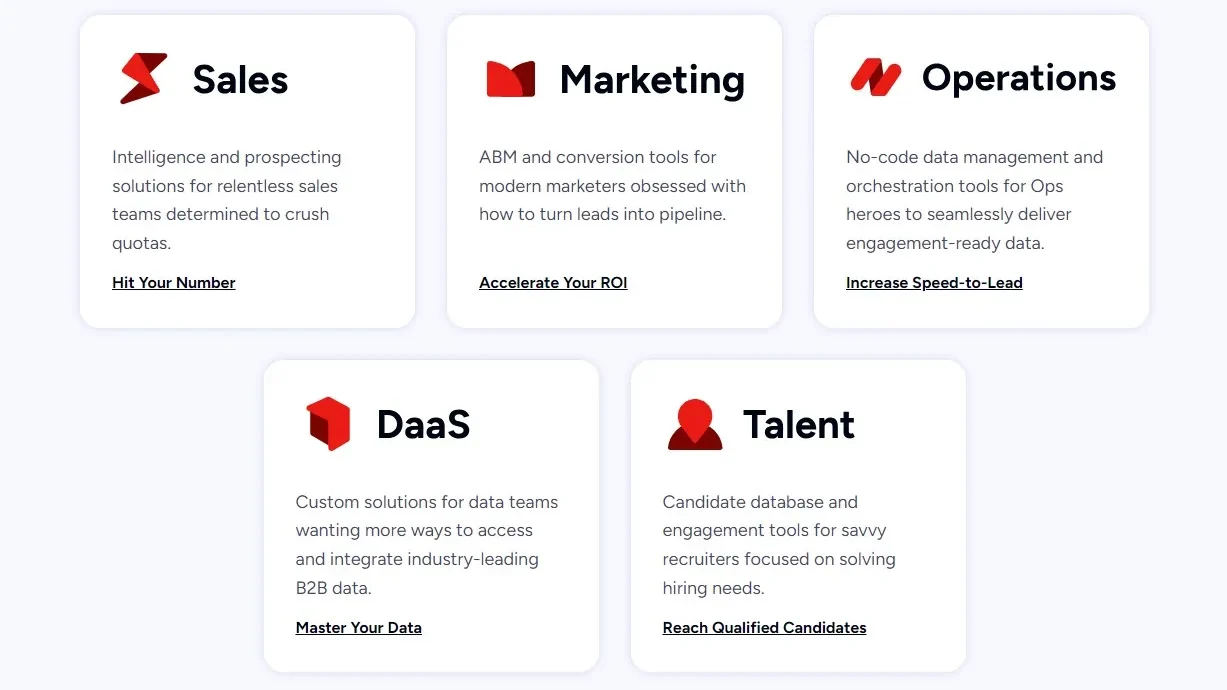
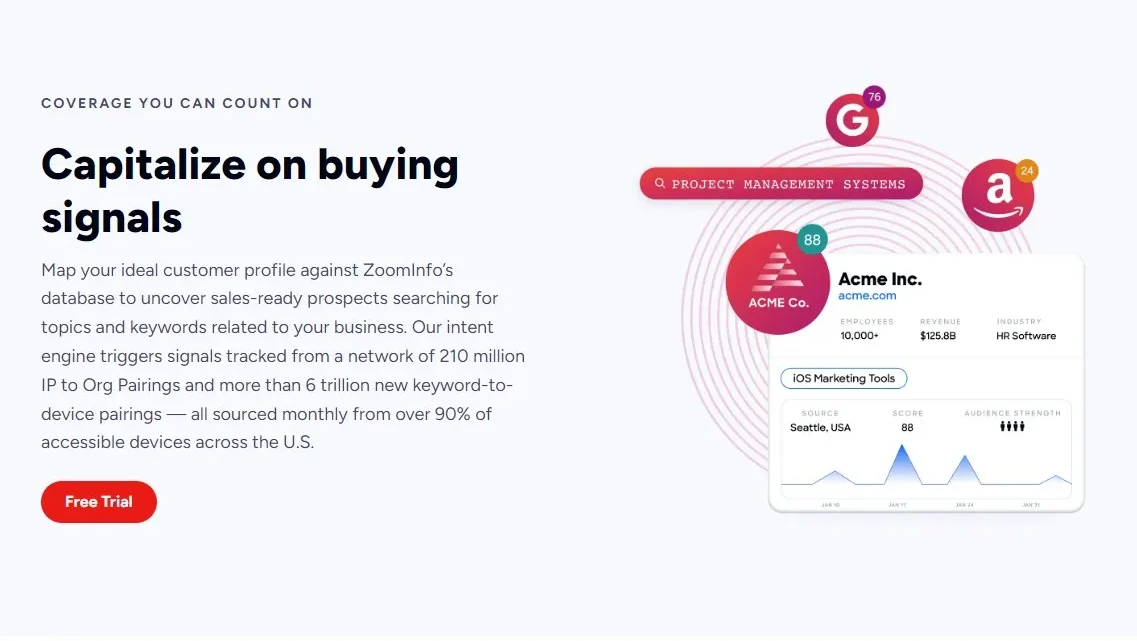
ZoomInfo Sales is a leading B2B go-to-market platform with an extensive, frequently updated database of contact and company insights, covering features like lead enrichment, intent data, CRM integration, and predictive analytics. Its accuracy and data depth especially benefit sales and marketing teams targeting enterprises. However, some alternatives like Apollo.io or Lusha may offer more cost-effective plans with better customization for smaller teams and developers. ZoomInfo stands out for its robust insights but faces criticism for high costs, limited international data, and inconsistent customer support. Best for experienced professionals seeking detailed insights; less suitable for small businesses.