Project management tools like , Notion, Basecamp, Lark, Slack, Asana and Trello.
AI chatbot tools like ChatGPT, Grok, Perplexity, Claude, Gemini and Copilot.
Marketing analytics platforms like Google Analytics, Similarweb and Semrush.
CRM systems like HubSpot, Apollo.io Pipedrive, Zoho CRM, and Salesforce.
VPNs, SSO providers, and password managers like NordVPN, Okta, and LastPass.
Email marketing and campaign tools like MailerLite, Instantly, and Mailchimp.
Website builders, hosting tools like Hostinger, Webflow, Framer, and Shopify
HR and recruiting software like ATS platforms, BambooHR, Workday, and Lever.
Automate finances with confidence like Quickbooks, Stripe, Brex, and Mercury.
Design and editing tools like Figma, Canva, Adobe Creative Cloud, CapCut.
Workflow automation tools like Zapier, Make, Clay, and Reclaim.ai.
No-code and AI-native dev tools like Cursor, Windsurf, Lovable and Bubble.

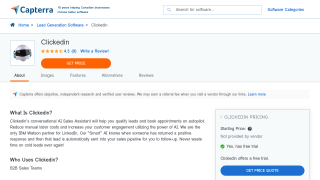
ClickedIn is an AI-driven lead generation tool, ideal for marketers and sales teams, that automates LinkedIn outreach using conversational AI with IBM Watson. It identifies leads, engages via personalized responses, and integrates with CRM systems. Key features include lead monitoring, analytics, and customization. While offering proactive customer support and cost-effective pricing (~5% below category average), it has limitations in daily outreach volume and complex initial setup. Compared to alternatives like ZoomInfo or Lusha, ClickedIn excels in LinkedIn-specific targeting but lacks extensive analytics and scalability for larger enterprises. Perfect for SMBs aiming to streamline lead workflows effectively.
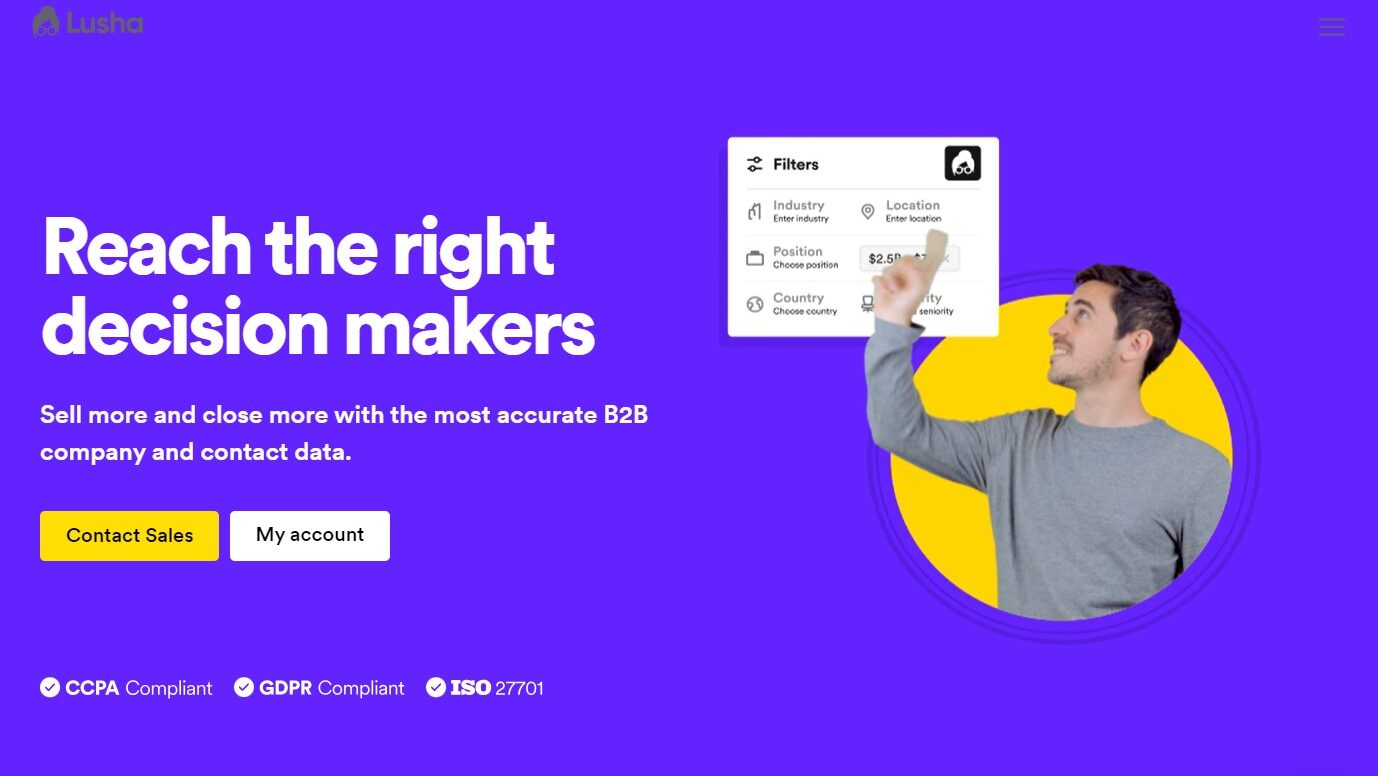
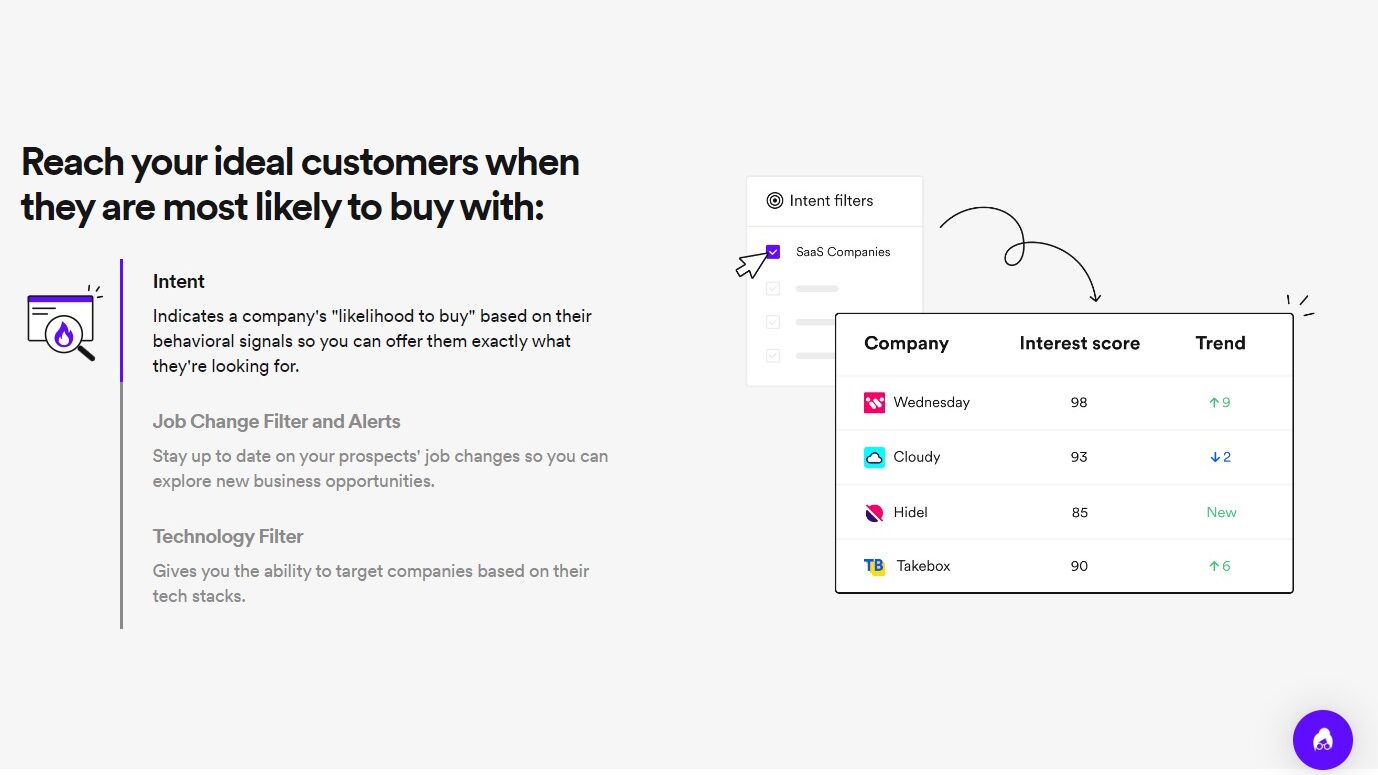
Lusha is a B2B sales intelligence platform offering accurate, GDPR-compliant contact data, including email addresses, phone numbers, and company insights. Its key features are Chrome extensions, CRM integrations, and bulk data enrichment. Pricing starts at $36/user/month. It’s ideal for sales and marketing professionals to streamline lead generation.
Compared to alternatives like ZoomInfo or Apollo.io, Lusha excels in affordability and ease of use but may lack advanced account-level insights. While data accuracy is decent, user reports indicate occasional outdated information. Customer support receives mixed feedback. For small-medium businesses, Lusha is cost-effective, but enterprises may find its features limited.