Project management tools like , Notion, Basecamp, Lark, Slack, Asana and Trello.
AI chatbot tools like ChatGPT, Grok, Perplexity, Claude, Gemini and Copilot.
Marketing analytics platforms like Google Analytics, Similarweb and Semrush.
CRM systems like HubSpot, Apollo.io Pipedrive, Zoho CRM, and Salesforce.
VPNs, SSO providers, and password managers like NordVPN, Okta, and LastPass.
Email marketing and campaign tools like MailerLite, Instantly, and Mailchimp.
Website builders, hosting tools like Hostinger, Webflow, Framer, and Shopify
HR and recruiting software like ATS platforms, BambooHR, Workday, and Lever.
Automate finances with confidence like Quickbooks, Stripe, Brex, and Mercury.
Design and editing tools like Figma, Canva, Adobe Creative Cloud, CapCut.
Workflow automation tools like Zapier, Make, Clay, and Reclaim.ai.
No-code and AI-native dev tools like Cursor, Windsurf, Lovable and Bubble.

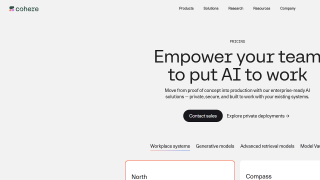
Cohere’s main strength is its enterprise-first approach. Unlike many competitors focused on consumer chat experiences, Cohere prioritizes security, customization, and real-world business workflows. This makes it particularly strong for internal tools, knowledge systems, and regulated environments.
However, it is not the easiest platform for beginners. It requires technical integration and lacks the plug-and-play experience of some competitors. Additionally, while API pricing is transparent, enterprise offerings often require custom quotes, making cost estimation harder.
Overall, Cohere is best suited for organizations that need secure, scalable AI infrastructure rather than simple chatbot or content generation tools.
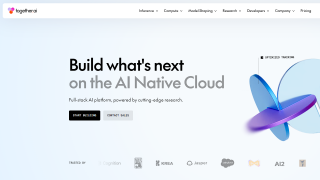
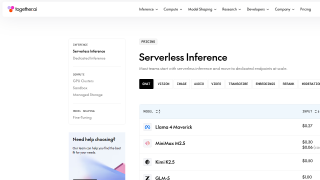
Together AI’s main strength lies in its focus on open-source models combined with scalable infrastructure. It provides developers with flexibility and cost efficiency while maintaining strong performance for inference and fine-tuning tasks. This makes it particularly attractive for teams that want to avoid vendor lock-in.
However, the platform requires technical expertise, and the variability in model quality can impact output consistency. Compared to more mature ecosystems, it may lack some tooling and integrations that simplify development workflows.
Overall, Together AI is best suited for developers and organizations prioritizing customization, open ecosystems, and scalable AI infrastructure over ease of use and turnkey solutions.