Project management tools like , Notion, Basecamp, Lark, Slack, Asana and Trello.
AI chatbot tools like ChatGPT, Grok, Perplexity, Claude, Gemini and Copilot.
Marketing analytics platforms like Google Analytics, Similarweb and Semrush.
CRM systems like HubSpot, Apollo.io Pipedrive, Zoho CRM, and Salesforce.
VPNs, SSO providers, and password managers like NordVPN, Okta, and LastPass.
Email marketing and campaign tools like MailerLite, Instantly, and Mailchimp.
Website builders, hosting tools like Hostinger, Webflow, Framer, and Shopify
HR and recruiting software like ATS platforms, BambooHR, Workday, and Lever.
Automate finances with confidence like Quickbooks, Stripe, Brex, and Mercury.
Design and editing tools like Figma, Canva, Adobe Creative Cloud, CapCut.
Workflow automation tools like Zapier, Make, Clay, and Reclaim.ai.
No-code and AI-native dev tools like Cursor, Windsurf, Lovable and Bubble.

Crunchbase is a prospecting and sales intelligence tool tailored for salespeople, entrepreneurs, marketers, and investors. It provides advanced company search tools, funding insights, growth signals, and decision-maker data to streamline lead generation. Key benefits include an intuitive UI, robust filtering, and CRM integration. Pricing starts at $29/user/month with advanced plans offering more data access and API functionalities.
Compared to ZoomInfo or Apollo.io, Crunchbase excels in startup and funding data but struggles with inconsistent updates and limited contact details. It’s ideal for those focused on VC-backed companies or M&A opportunities, though alternatives may offer richer contact databases for outreach.
Customer support is responsive, but value depends on frequency of use. For occasional users, costs may be high without daily needs. Ideal for teams analyzing investment landscapes rather than daily lead scrubbing.
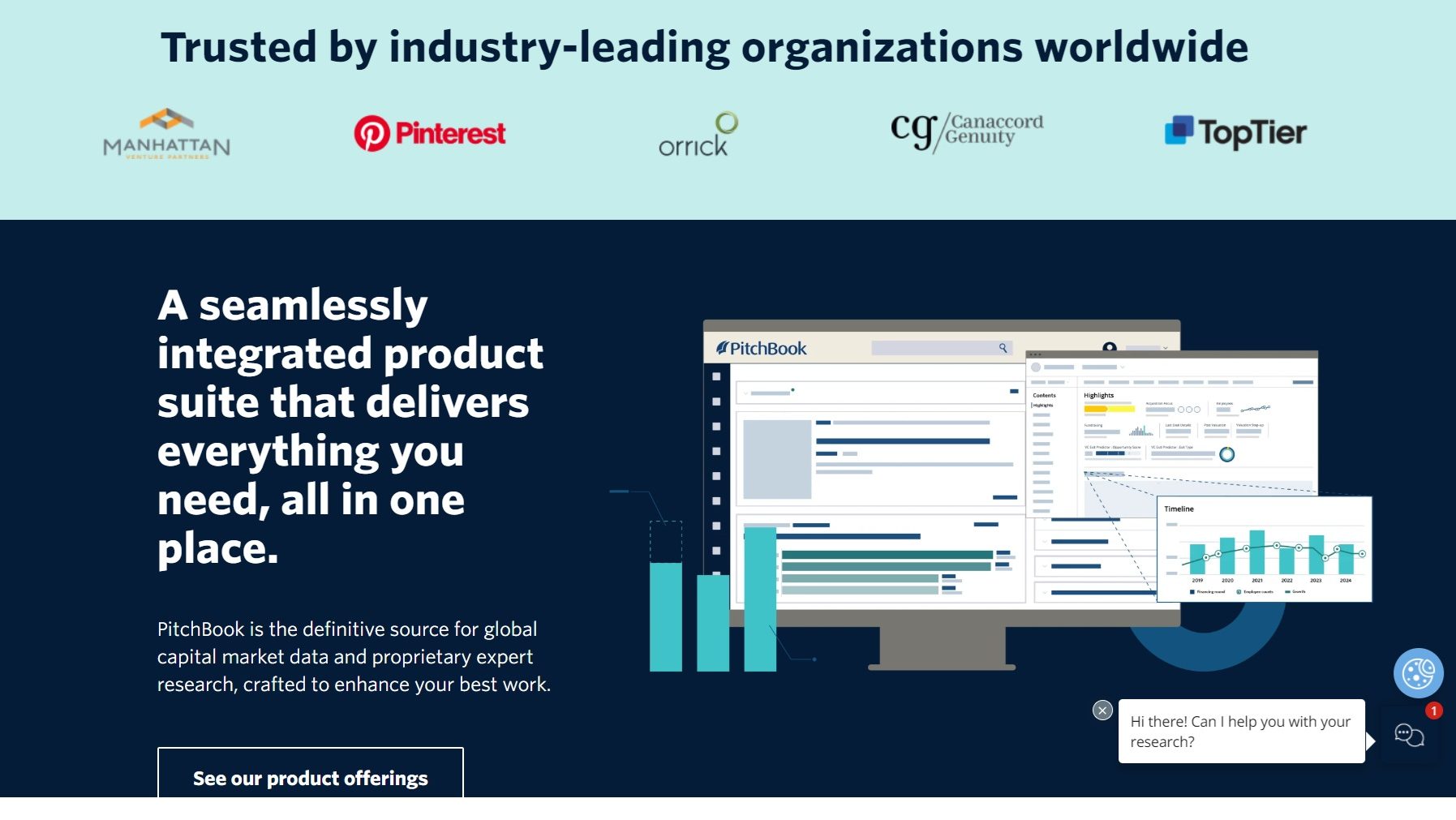
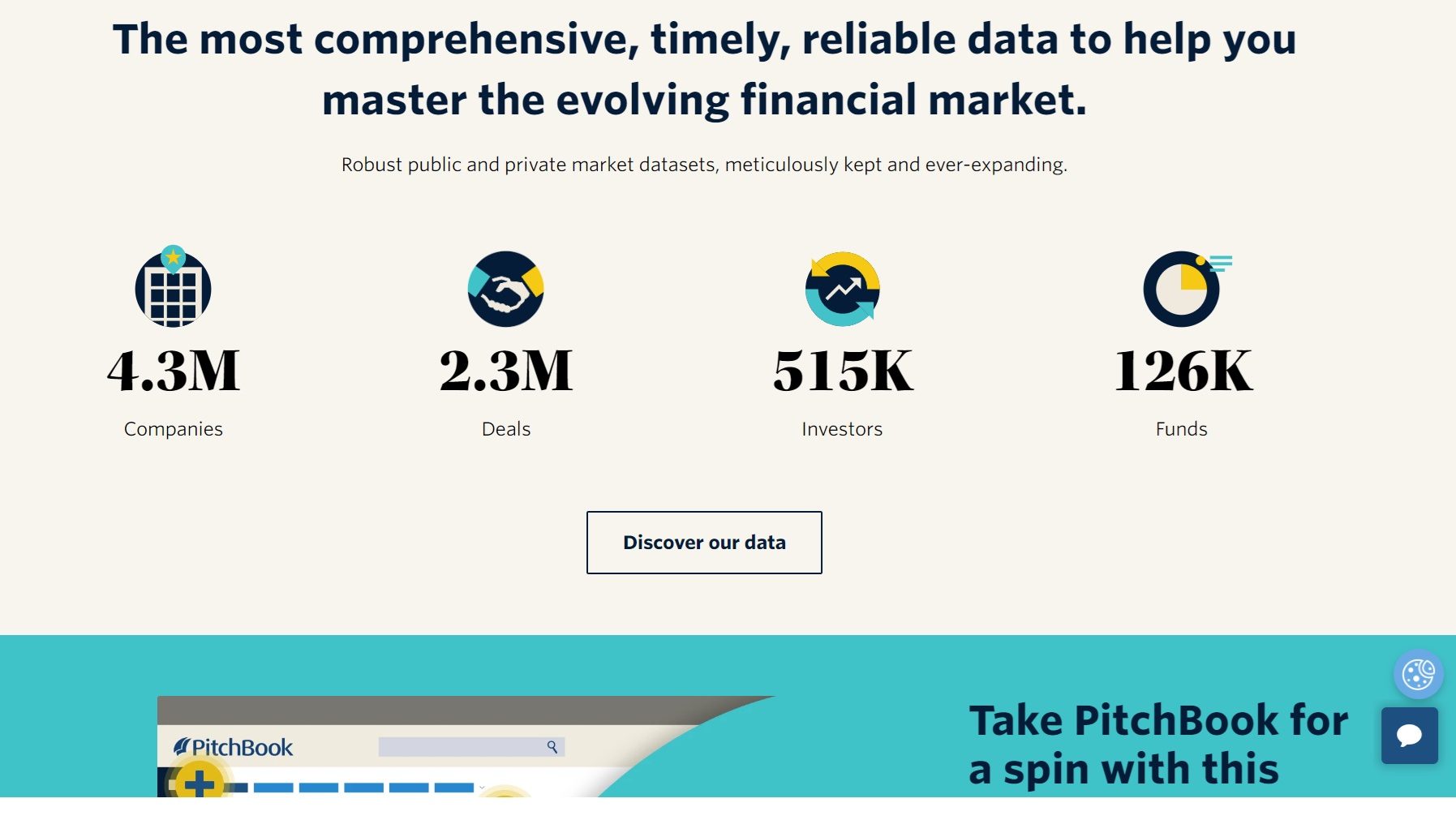
PitchBook is a robust financial research tool designed for professionals like investors, analysts, and business developers. It offers comprehensive data on private equity, venture capital, M&A, and market trends. Key features include deal sourcing, competition analysis, advanced financial visualization, and collaboration tools. While praised for its intuitive interface and data accuracy, it has a steep pricing model and public market data inconsistencies. Competitive tools like AlphaSense and Bloomberg Terminal provide similar data coverage but may vary in pricing and navigation efficiency. PitchBook stands out for its dedicated customer success managers but can be cost-prohibitive for small firms. Customer support gets mixed reviews, with some highlighting slow responsiveness. Best suited for large teams needing in-depth private market insights. Pricing details are unavailable publicly.