Project management tools like , Notion, Basecamp, Lark, Slack, Asana and Trello.
AI chatbot tools like ChatGPT, Grok, Perplexity, Claude, Gemini and Copilot.
Marketing analytics platforms like Google Analytics, Similarweb and Semrush.
CRM systems like HubSpot, Apollo.io Pipedrive, Zoho CRM, and Salesforce.
VPNs, SSO providers, and password managers like NordVPN, Okta, and LastPass.
Email marketing and campaign tools like MailerLite, Instantly, and Mailchimp.
Website builders, hosting tools like Hostinger, Webflow, Framer, and Shopify
HR and recruiting software like ATS platforms, BambooHR, Workday, and Lever.
Automate finances with confidence like Quickbooks, Stripe, Brex, and Mercury.
Design and editing tools like Figma, Canva, Adobe Creative Cloud, CapCut.
Workflow automation tools like Zapier, Make, Clay, and Reclaim.ai.
No-code and AI-native dev tools like Cursor, Windsurf, Lovable and Bubble.

DeBounce is an efficient email verification tool designed for marketers, developers, and small businesses needing accurate email validation. Key features include spam trap detection, API integration, and disposable email removal. It offers quick processing and refunds credits for unverifiable addresses. Priced affordably ($10 for 5K validations), it’s more cost-effective than competitors like ZeroBounce. While praised for ease of use and 4.5+ customer ratings, occasional accuracy issues and delayed support are noted. Overall, it’s a reliable, value-driven choice.
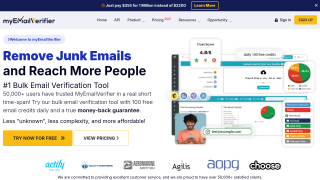
MyEmailVerifier offers 98% email validation accuracy, reducing bounce rates by up to 95%. It checks syntax, domain, MX records, and blacklist status. Ideal for marketers managing large lists or campaigns, its pay-as-you-go and subscription plans start from $21.60 for 10K emails. Pros include ease of use, affordability, high accuracy, and 100 free daily credits. Compared to competitors like ZeroBounce, its pricing and simplicity stand out, but limited support response may be a drawback. Cost-effective with prompt basic support.