Project management tools like , Notion, Basecamp, Lark, Slack, Asana and Trello.
AI chatbot tools like ChatGPT, Grok, Perplexity, Claude, Gemini and Copilot.
Marketing analytics platforms like Google Analytics, Similarweb and Semrush.
CRM systems like HubSpot, Apollo.io Pipedrive, Zoho CRM, and Salesforce.
VPNs, SSO providers, and password managers like NordVPN, Okta, and LastPass.
Email marketing and campaign tools like MailerLite, Instantly, and Mailchimp.
Website builders, hosting tools like Hostinger, Webflow, Framer, and Shopify
HR and recruiting software like ATS platforms, BambooHR, Workday, and Lever.
Automate finances with confidence like Quickbooks, Stripe, Brex, and Mercury.
Design and editing tools like Figma, Canva, Adobe Creative Cloud, CapCut.
Workflow automation tools like Zapier, Make, Clay, and Reclaim.ai.
No-code and AI-native dev tools like Cursor, Windsurf, Lovable and Bubble.

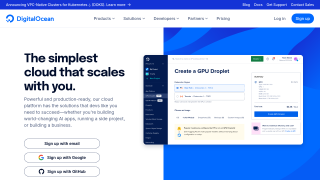
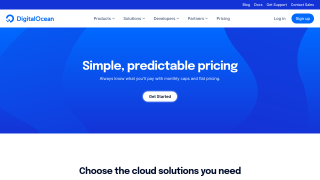
DigitalOcean offers intuitive cloud solutions tailored for developers and small businesses. With Droplets starting at $4/month and managed Kubernetes from $12/month, it provides cost-effective scalability for app deployment, web hosting, and database management. Known for simplicity, robust performance, and extensive documentation, it’s ideal for developers seeking straightforward IaaS solutions. Compared to competitors like AWS or Google Cloud, DigitalOcean excels in user-friendliness and flat pricing but may lack advanced enterprise features. While its customer support is responsive, some users report delayed responses. Overall, DigitalOcean combines affordability, reliability, and ease-of-use, ideal for startups and mid-sized tech projects.
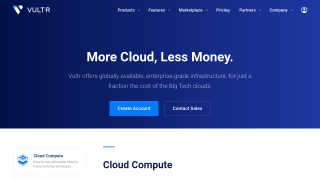
Vultr is a high-performance cloud computing platform offering services like cloud compute, bare metal, managed databases, and Kubernetes across 32 global locations. It is known for its affordability, scalability, and extensive feature set, including intuitive interfaces, fast deployment, and predictable pricing starting at $2.50/month, appealing to developers, SMBs, and startups. Compared to competitors like DigitalOcean (slightly pricier) and AWS (complex and costlier), Vultr excels in simplicity and cost-effectiveness but lacks advanced integrations found in larger platforms. While its support is responsive, it can fall short during critical issues, making it less suitable for high-stakes enterprise workloads. Overall, Vultr is ideal for cost-conscious developers and designers seeking reliable infrastructure.