Project management tools like , Notion, Basecamp, Lark, Slack, Asana and Trello.
AI chatbot tools like ChatGPT, Grok, Perplexity, Claude, Gemini and Copilot.
Marketing analytics platforms like Google Analytics, Similarweb and Semrush.
CRM systems like HubSpot, Apollo.io Pipedrive, Zoho CRM, and Salesforce.
VPNs, SSO providers, and password managers like NordVPN, Okta, and LastPass.
Email marketing and campaign tools like MailerLite, Instantly, and Mailchimp.
Website builders, hosting tools like Hostinger, Webflow, Framer, and Shopify
HR and recruiting software like ATS platforms, BambooHR, Workday, and Lever.
Automate finances with confidence like Quickbooks, Stripe, Brex, and Mercury.
Design and editing tools like Figma, Canva, Adobe Creative Cloud, CapCut.
Workflow automation tools like Zapier, Make, Clay, and Reclaim.ai.
No-code and AI-native dev tools like Cursor, Windsurf, Lovable and Bubble.

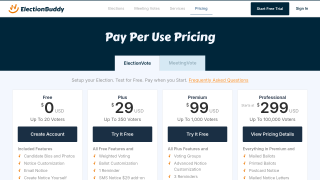
ElectionBuddy is a cloud-based voting platform ideal for associations, HOAs, unions, and educational institutions. Key features include customizable ballots, real-time results, weighted voting, secret ballots, and support for up to 100,000 voters. Its pricing starts from $0 (20 voters) to $299 for 2,500 voters, with custom enterprise options. Compared to alternatives like Simply Voting or eBallot, ElectionBuddy excels in simplicity, affordability, and robust support but may require premium plans for advanced features. Customer support is highly rated, and cost-effectiveness is a standout for small-medium organizations, ensuring secure elections with ease.
eBallot is a secure, user-friendly online voting platform designed for businesses, non-profits, and educators to conduct elections or surveys efficiently. It offers flexible self-administration and full-service vote management, ensuring accurate, auditable results. Pricing starts at $4.99/month for 50 voters, with additional plans for complex needs. While it excels in simplicity and affordability, it’s less feature-rich compared to tools like ElectionBuddy or SurveyMonkey.
Pros:
Cons:
Customer Support: Moderately rated; available but lacks extensive after-hours support or live chat.
Cost-effectiveness: Affordable for basic needs; pricing scales as complexity increases, suitable for small organizations focused on budgets. For larger or more feature-demanding elections, competitors like Simply Voting or NemoVote might provide better features but at a higher price.