Project management tools like , Notion, Basecamp, Lark, Slack, Asana and Trello.
AI chatbot tools like ChatGPT, Grok, Perplexity, Claude, Gemini and Copilot.
Marketing analytics platforms like Google Analytics, Similarweb and Semrush.
CRM systems like HubSpot, Apollo.io Pipedrive, Zoho CRM, and Salesforce.
VPNs, SSO providers, and password managers like NordVPN, Okta, and LastPass.
Email marketing and campaign tools like MailerLite, Instantly, and Mailchimp.
Website builders, hosting tools like Hostinger, Webflow, Framer, and Shopify
HR and recruiting software like ATS platforms, BambooHR, Workday, and Lever.
Automate finances with confidence like Quickbooks, Stripe, Brex, and Mercury.
Design and editing tools like Figma, Canva, Adobe Creative Cloud, CapCut.
Workflow automation tools like Zapier, Make, Clay, and Reclaim.ai.
No-code and AI-native dev tools like Cursor, Windsurf, Lovable and Bubble.

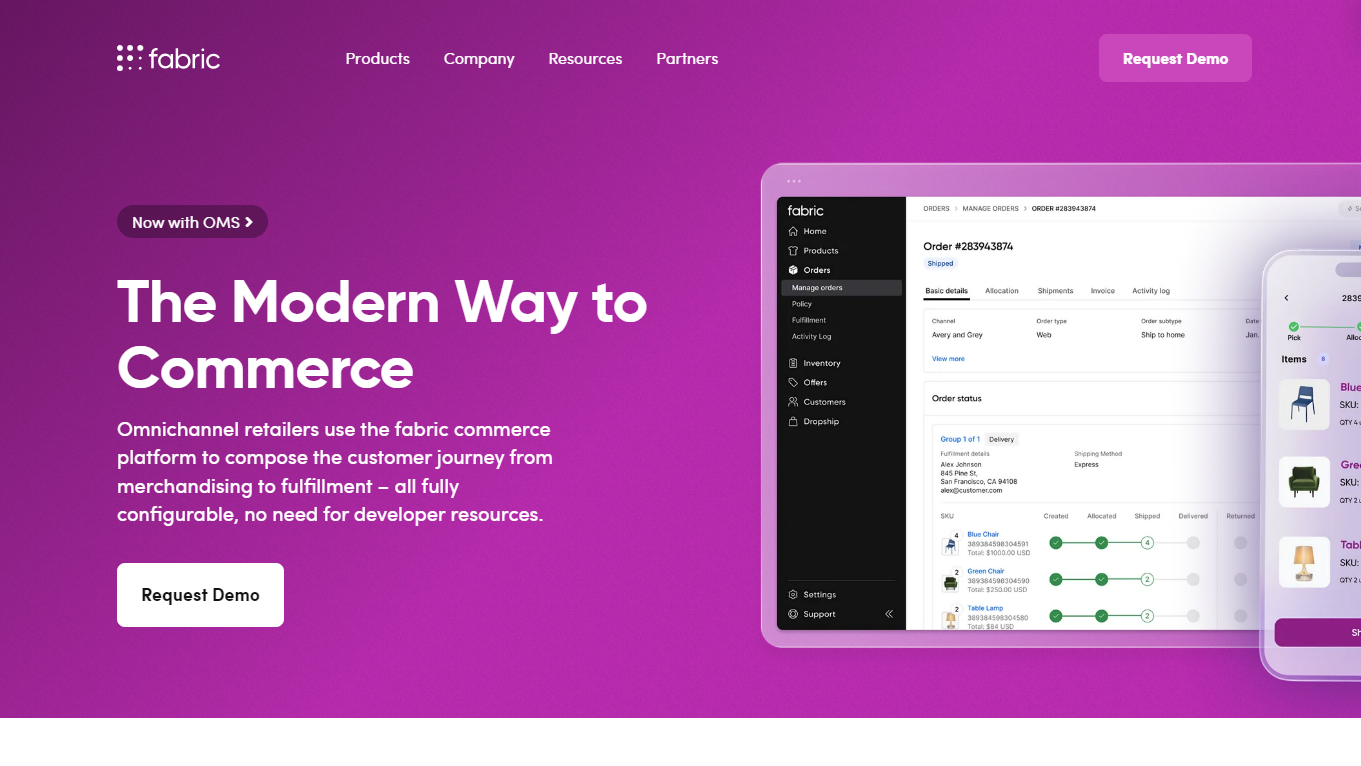
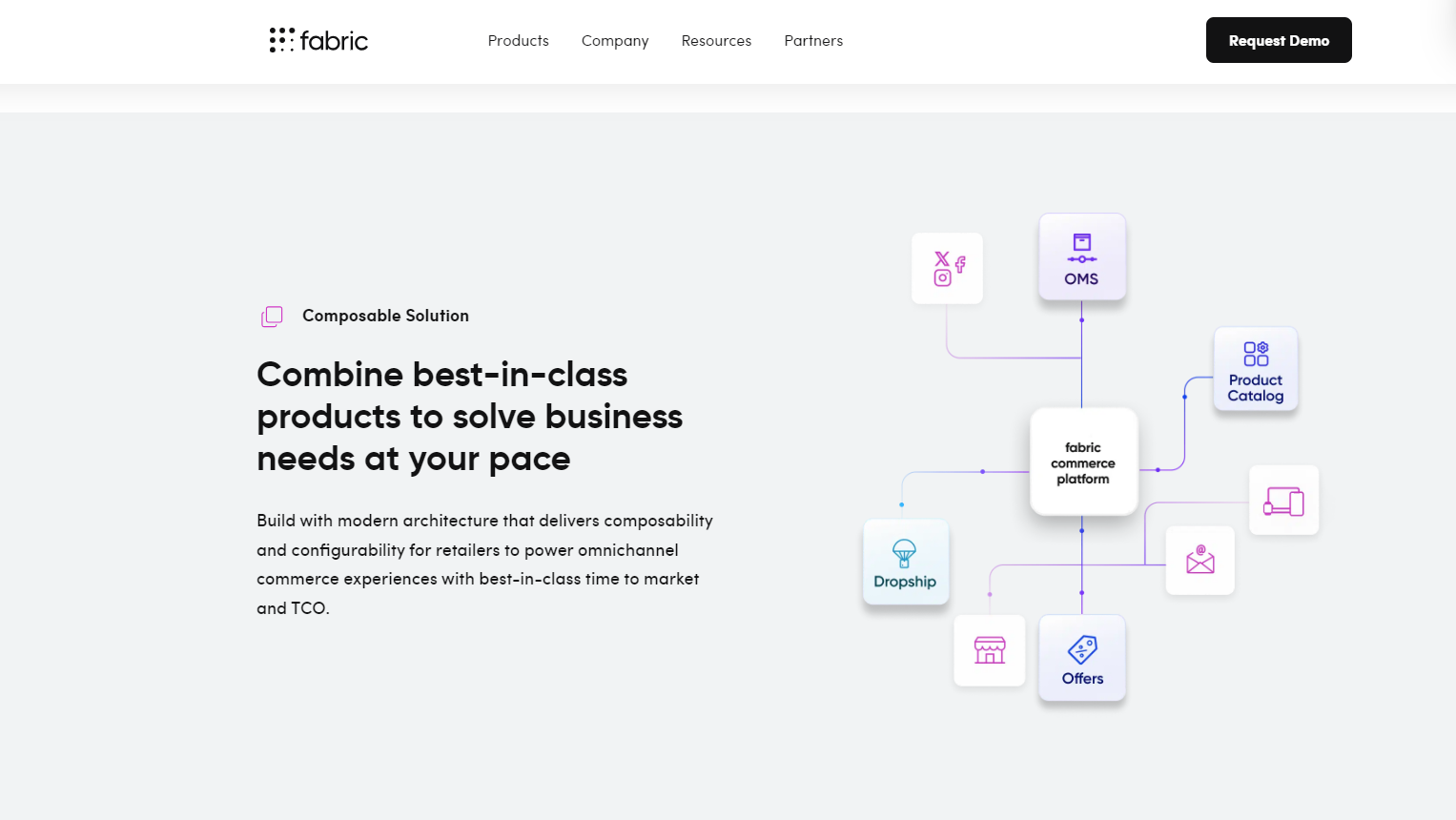
Fabric offers robust mobile development tools and an API-driven omnichannel commerce platform. Key features include seamless SDK integration, headless architecture, scalability, and ease of use for developers and enterprises, particularly in retail, eCommerce, and B2B. Compared to Firebase (better analytics), Salesforce Platform (strong CRM), or Android Studio (developer-centric), Fabric excels in user-friendliness and modularity but lacks advanced analytics. It features strong customer support and competitive pricing for businesses requiring flexibility in product selection.
BigCommerce is an open SaaS e-commerce platform designed for businesses of all sizes, offering robust customization, multi-channel capabilities, SEO tools, and advanced features like abandoned cart recovery and APIs for developers. It’s well-suited for marketers needing SEO, developers requiring extensibility, and designers crafting storefronts. Pricing starts at $29.95/month but can escalate with add-ons. Compared to Shopify, it offers more built-in features but has cost and technical learning curves. Customer support is reliable, while the platform is cost-effective for scaling businesses with growth-focused tools.