Project management tools like , Notion, Basecamp, Lark, Slack, Asana and Trello.
AI chatbot tools like ChatGPT, Grok, Perplexity, Claude, Gemini and Copilot.
Marketing analytics platforms like Google Analytics, Similarweb and Semrush.
CRM systems like HubSpot, Apollo.io Pipedrive, Zoho CRM, and Salesforce.
VPNs, SSO providers, and password managers like NordVPN, Okta, and LastPass.
Email marketing and campaign tools like MailerLite, Instantly, and Mailchimp.
Website builders, hosting tools like Hostinger, Webflow, Framer, and Shopify
HR and recruiting software like ATS platforms, BambooHR, Workday, and Lever.
Automate finances with confidence like Quickbooks, Stripe, Brex, and Mercury.
Design and editing tools like Figma, Canva, Adobe Creative Cloud, CapCut.
Workflow automation tools like Zapier, Make, Clay, and Reclaim.ai.
No-code and AI-native dev tools like Cursor, Windsurf, Lovable and Bubble.

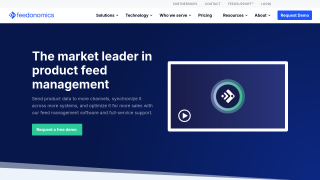
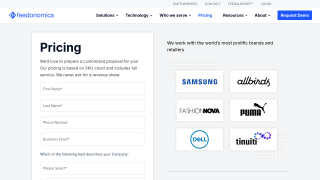
Feedonomics is a robust multichannel eCommerce platform designed for marketers and retailers. Key features include product feed optimization, data synchronization, marketplace integrations, and automated order management. With 24/7 support and feed specialists, it excels in simplifying complex operations. Compared to alternatives like GoDataFeed or ChannelAdvisor, Feedonomics offers unparalleled scalability but has a steep learning curve. Though cost may be high for small businesses, its customization and customer support ensure value.
Productsup is a robust Product-to-Consumer (P2C) platform that processes over 2 trillion products monthly. Its key features include seamless data optimization, feed management, and distribution to 2500+ channels, making it ideal for marketers managing large-scale e-commerce campaigns. Compared to tools like Feedonomics or Bloomreach, Productsup offers superior scalability but may come with a steeper learning curve for beginners. Pricing is not publicly available but is considered premium. Its exceptional customer support, ease of use, and flexibility make it a valuable asset for mid-size to enterprise-level businesses, though smaller teams may find alternatives more cost-efficient.