Project management tools like , Notion, Basecamp, Lark, Slack, Asana and Trello.
AI chatbot tools like ChatGPT, Grok, Perplexity, Claude, Gemini and Copilot.
Marketing analytics platforms like Google Analytics, Similarweb and Semrush.
CRM systems like HubSpot, Apollo.io Pipedrive, Zoho CRM, and Salesforce.
VPNs, SSO providers, and password managers like NordVPN, Okta, and LastPass.
Email marketing and campaign tools like MailerLite, Instantly, and Mailchimp.
Website builders, hosting tools like Hostinger, Webflow, Framer, and Shopify
HR and recruiting software like ATS platforms, BambooHR, Workday, and Lever.
Automate finances with confidence like Quickbooks, Stripe, Brex, and Mercury.
Design and editing tools like Figma, Canva, Adobe Creative Cloud, CapCut.
Workflow automation tools like Zapier, Make, Clay, and Reclaim.ai.
No-code and AI-native dev tools like Cursor, Windsurf, Lovable and Bubble.

Fivetran is a high-performer in automated ETL solutions, ideal for data teams and analysts. Its features include 300+ pre-built connectors, real-time syncs, and automated schema updates, with a simple 5-minute onboarding process. Key advantages include scalability, minimal maintenance, and strong integration with tools like Snowflake and dbt. However, it can become expensive for high-volume data users and offers limited customization for custom sources. Compared to alternatives like Hevo and Stitch, Fivetran prioritizes ease of use but may lack flexibility for complex configurations. Designers and marketers benefit less but developers and analysts gain from automation and robust metrics. Customer support is well-reviewed, though high costs may deter smaller teams. Pricing starts free for light usage but scales significantly for specialized enterprise needs.
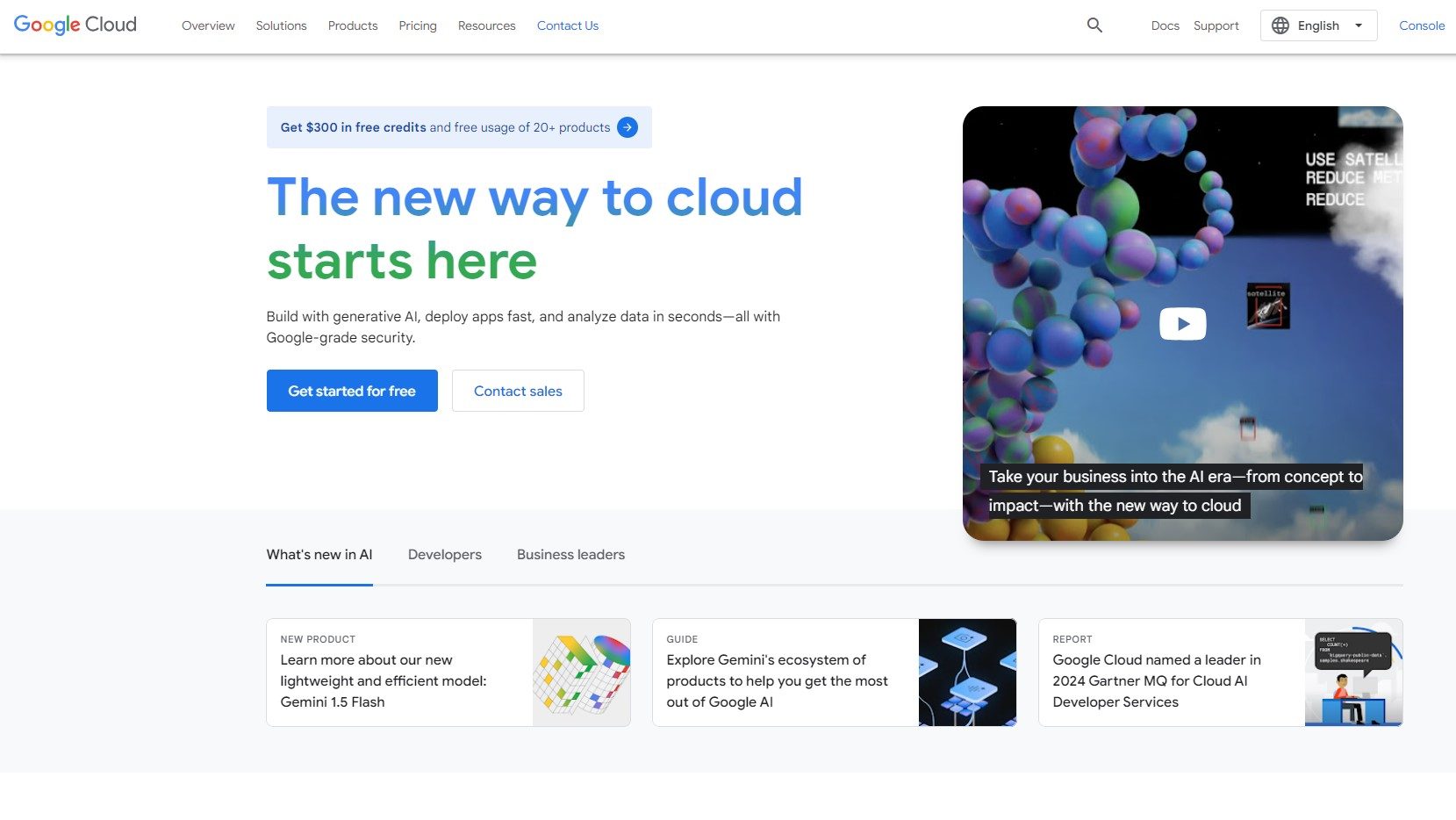
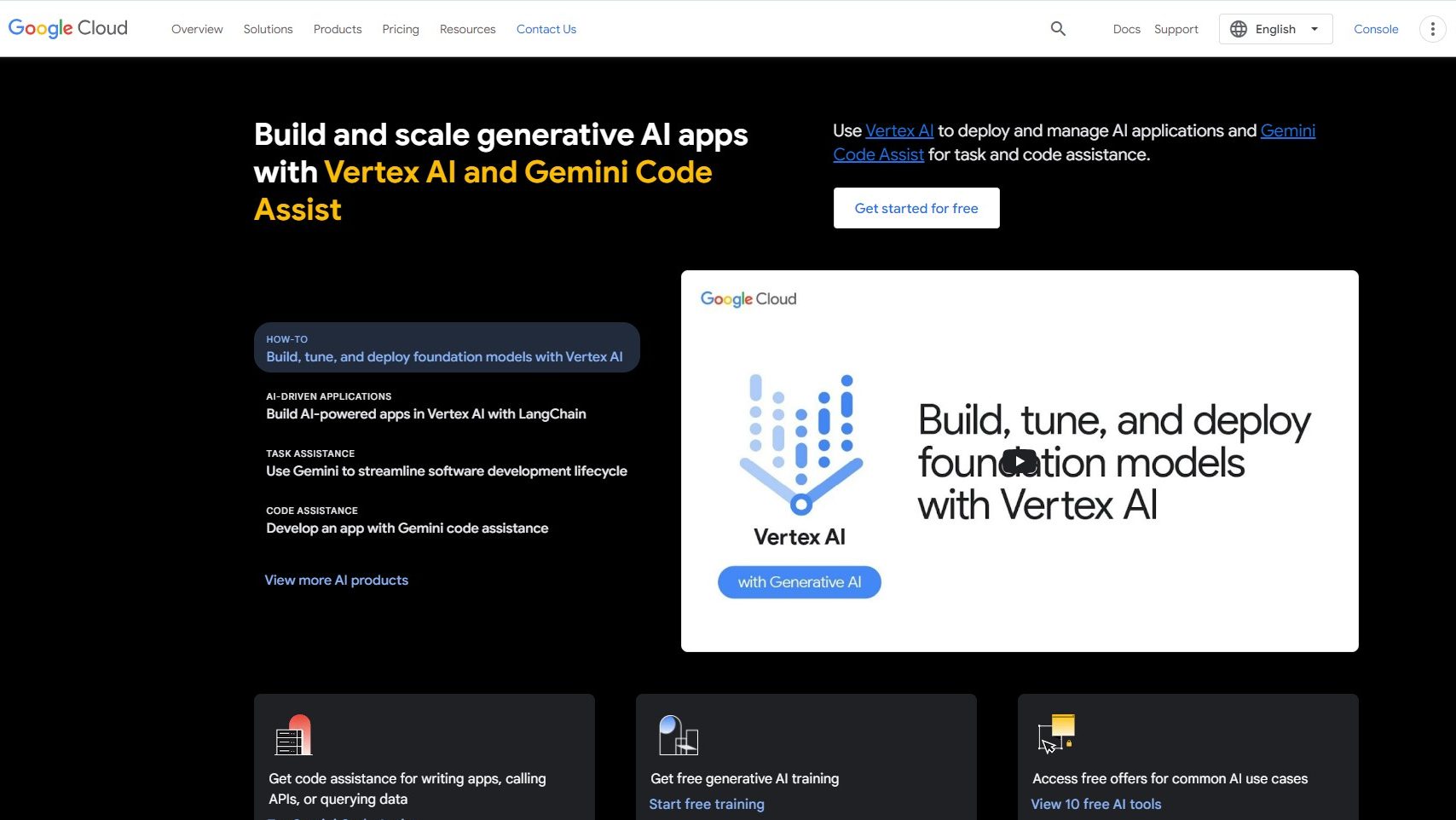
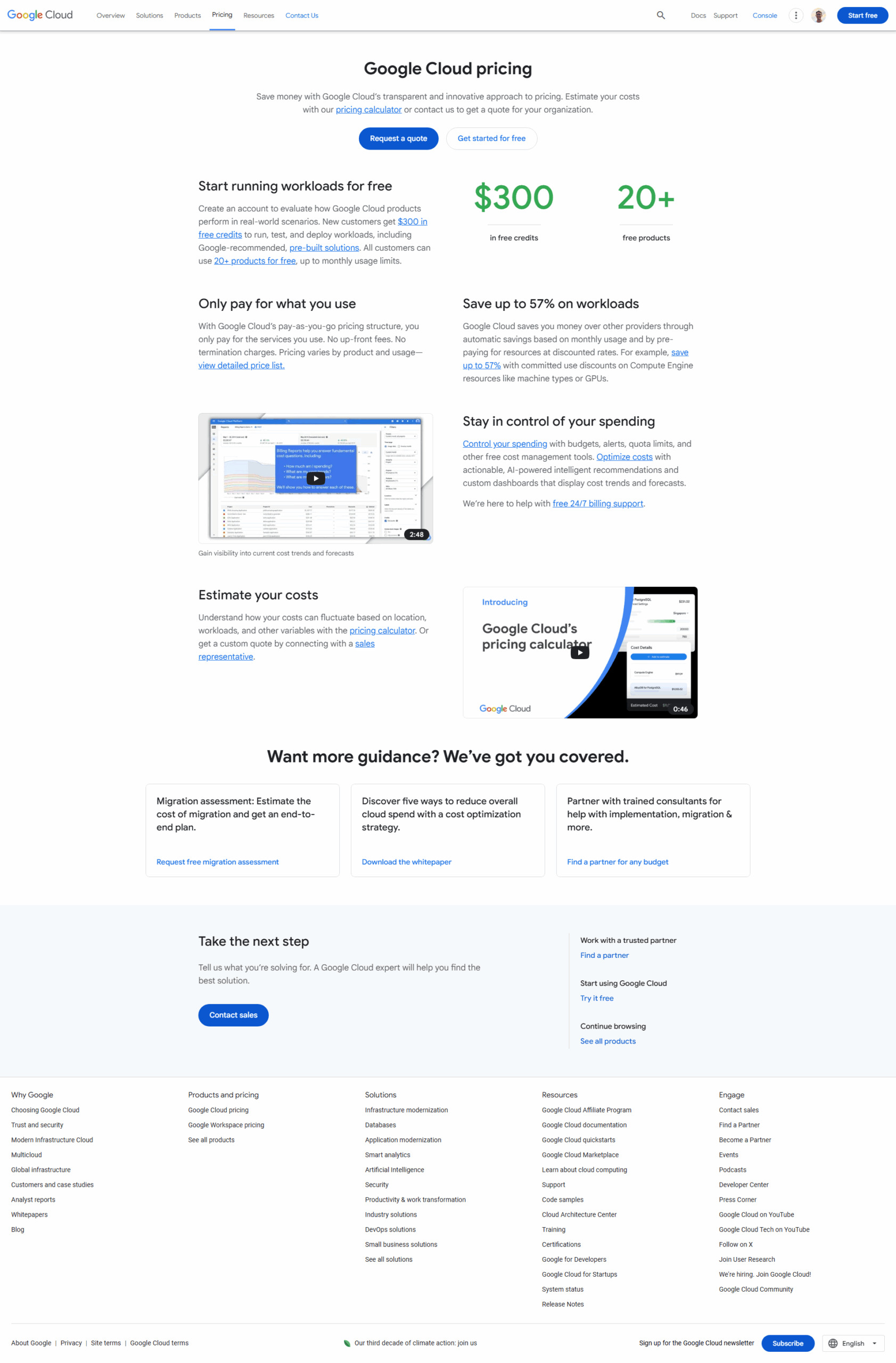
Google Cloud is a flexible, scalable platform specializing in cloud computing, storage, and AI/ML tools, ideal for developers, businesses, and marketers. Its key features include seamless integration with Google services, robust security, and open-source support. Pricing is pay-as-you-go, with a free $300 credit for new users. Compared to AWS and Azure, it excels in collaboration tools but can have a steeper UI learning curve. Customer support is solid, though pricing can confuse new users. It’s cost-effective, especially for small teams or startups needing quick scalability.