Project management tools like , Notion, Basecamp, Lark, Slack, Asana and Trello.
AI chatbot tools like ChatGPT, Grok, Perplexity, Claude, Gemini and Copilot.
Marketing analytics platforms like Google Analytics, Similarweb and Semrush.
CRM systems like HubSpot, Apollo.io Pipedrive, Zoho CRM, and Salesforce.
VPNs, SSO providers, and password managers like NordVPN, Okta, and LastPass.
Email marketing and campaign tools like MailerLite, Instantly, and Mailchimp.
Website builders, hosting tools like Hostinger, Webflow, Framer, and Shopify
HR and recruiting software like ATS platforms, BambooHR, Workday, and Lever.
Automate finances with confidence like Quickbooks, Stripe, Brex, and Mercury.
Design and editing tools like Figma, Canva, Adobe Creative Cloud, CapCut.
Workflow automation tools like Zapier, Make, Clay, and Reclaim.ai.
No-code and AI-native dev tools like Cursor, Windsurf, Lovable and Bubble.

Flexport streamlines global supply chains with its robust cloud-based platform that enables real-time shipment tracking, automated orders, and supplier onboarding. Utilizing AI/ML for efficiency, it covers logistics across 80+ countries. It’s ideal for midsize to large e-commerce or manufacturing businesses requiring visibility, scalability, and collaboration. While Flexport excels in technology and shipment tracking, it may lag in personalized service and affordability compared to alternatives like Freightos or ShipBob. Customer support is reliable, but pricing varies and may not suit startups or low-volume users. For businesses prioritizing tech-driven logistics, Flexport is a solid, but premium, choice.
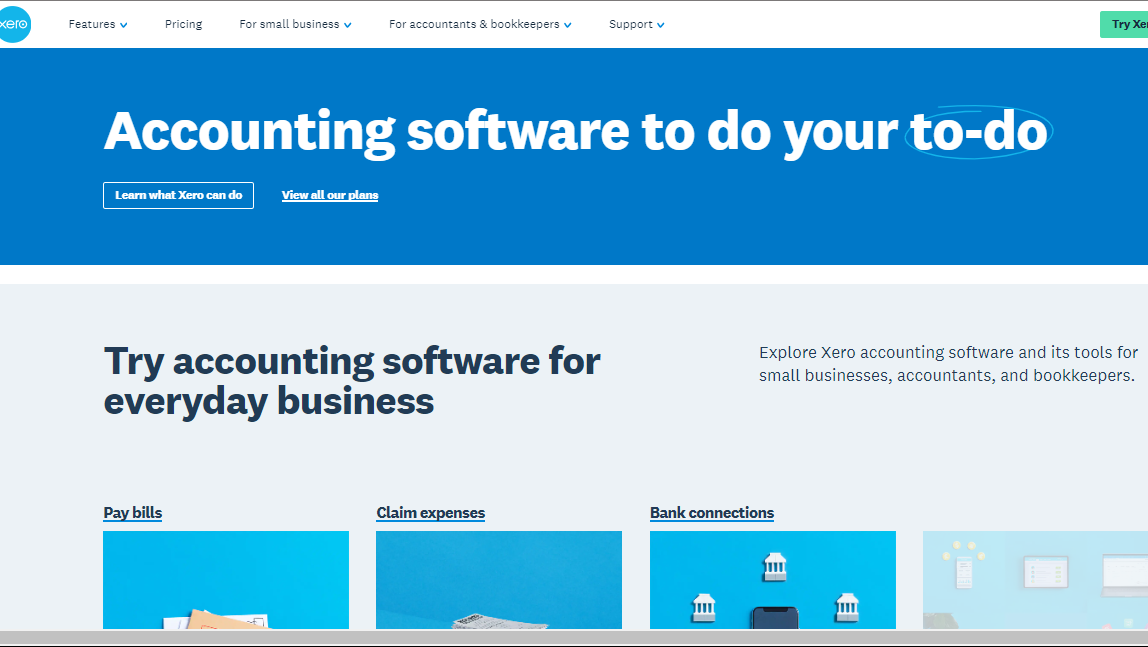
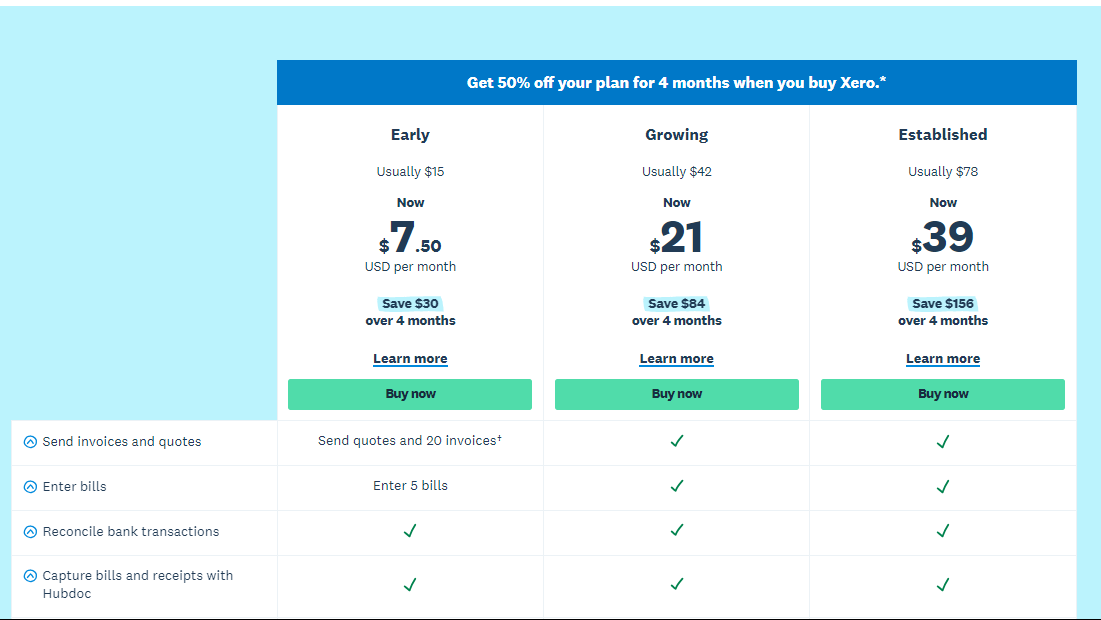
Xero is a cloud-based accounting software designed for small businesses and freelancers, like accountants, marketers, and startup founders. Key features include invoicing, expense tracking, inventory management, payroll, and bank reconciliation. Its real-time dashboards and 800+ app integrations enhance usability. It offers three plans: Starter ($13/month), Standard ($37/month), and Premium ($70/month). While praised for ease of use and scalability, its learning curve and occasional performance lags impact user experience. Compared to QuickBooks, Xero stands out with unlimited users and robust customization but lacks advanced reporting. Customer support is helpful but could improve response times. It’s cost-effective, especially for growing businesses.