Project management tools like , Notion, Basecamp, Lark, Slack, Asana and Trello.
AI chatbot tools like ChatGPT, Grok, Perplexity, Claude, Gemini and Copilot.
Marketing analytics platforms like Google Analytics, Similarweb and Semrush.
CRM systems like HubSpot, Apollo.io Pipedrive, Zoho CRM, and Salesforce.
VPNs, SSO providers, and password managers like NordVPN, Okta, and LastPass.
Email marketing and campaign tools like MailerLite, Instantly, and Mailchimp.
Website builders, hosting tools like Hostinger, Webflow, Framer, and Shopify
HR and recruiting software like ATS platforms, BambooHR, Workday, and Lever.
Automate finances with confidence like Quickbooks, Stripe, Brex, and Mercury.
Design and editing tools like Figma, Canva, Adobe Creative Cloud, CapCut.
Workflow automation tools like Zapier, Make, Clay, and Reclaim.ai.
No-code and AI-native dev tools like Cursor, Windsurf, Lovable and Bubble.

Galileo AI stands out for its ability to generate high-quality UI designs from simple prompts, making it especially valuable for early-stage ideation and rapid prototyping. Its strength lies in speed and accessibility, allowing both designers and non-designers to quickly translate ideas into visual outputs.
However, it is not a full replacement for traditional design tools. Users may still need to refine outputs manually to meet production standards or specific brand guidelines. The tool performs best when used as a starting point rather than a final design solution.
Overall, it is best suited for teams looking to accelerate brainstorming and reduce initial design effort, particularly in fast-moving product environments.
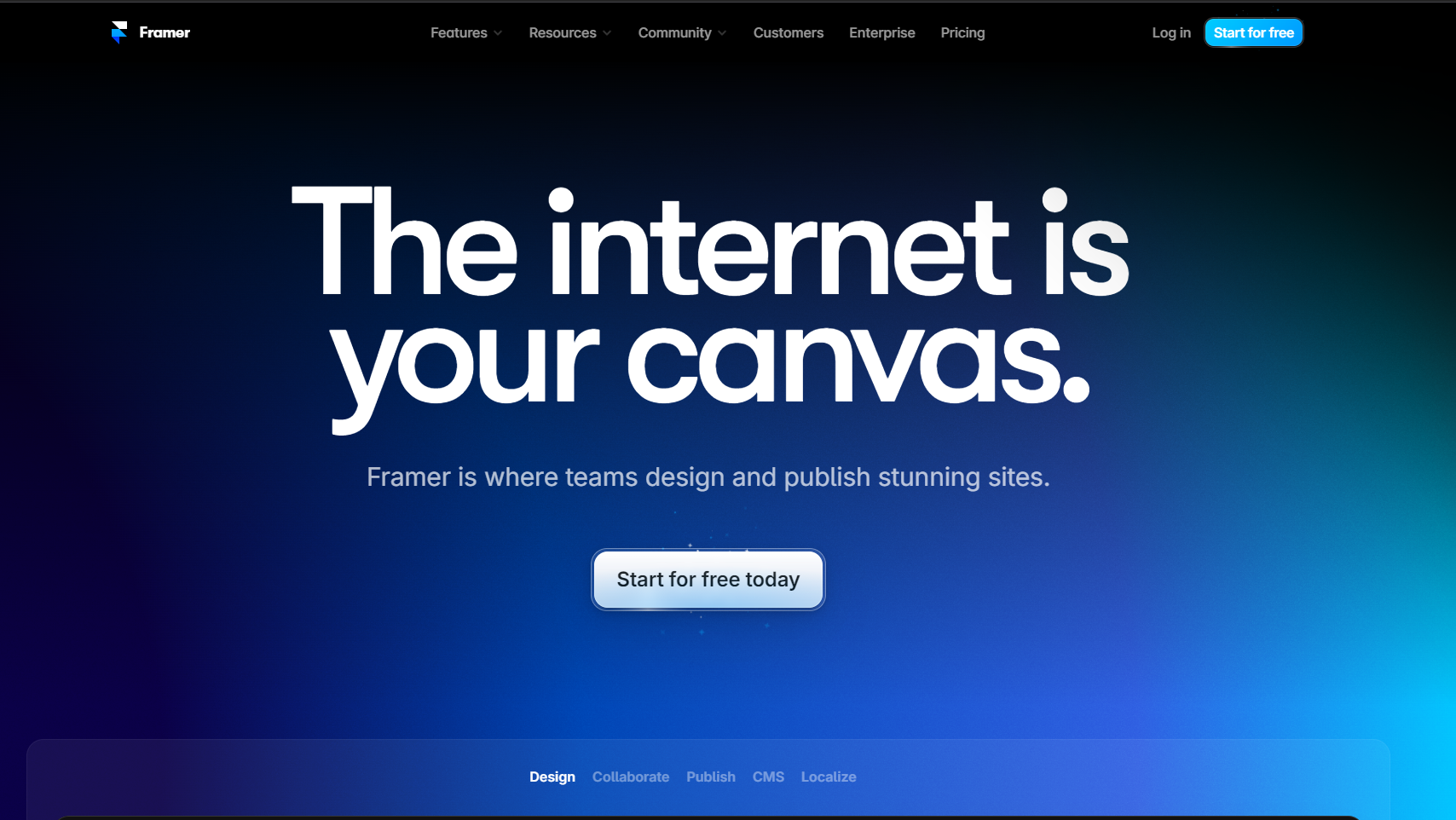
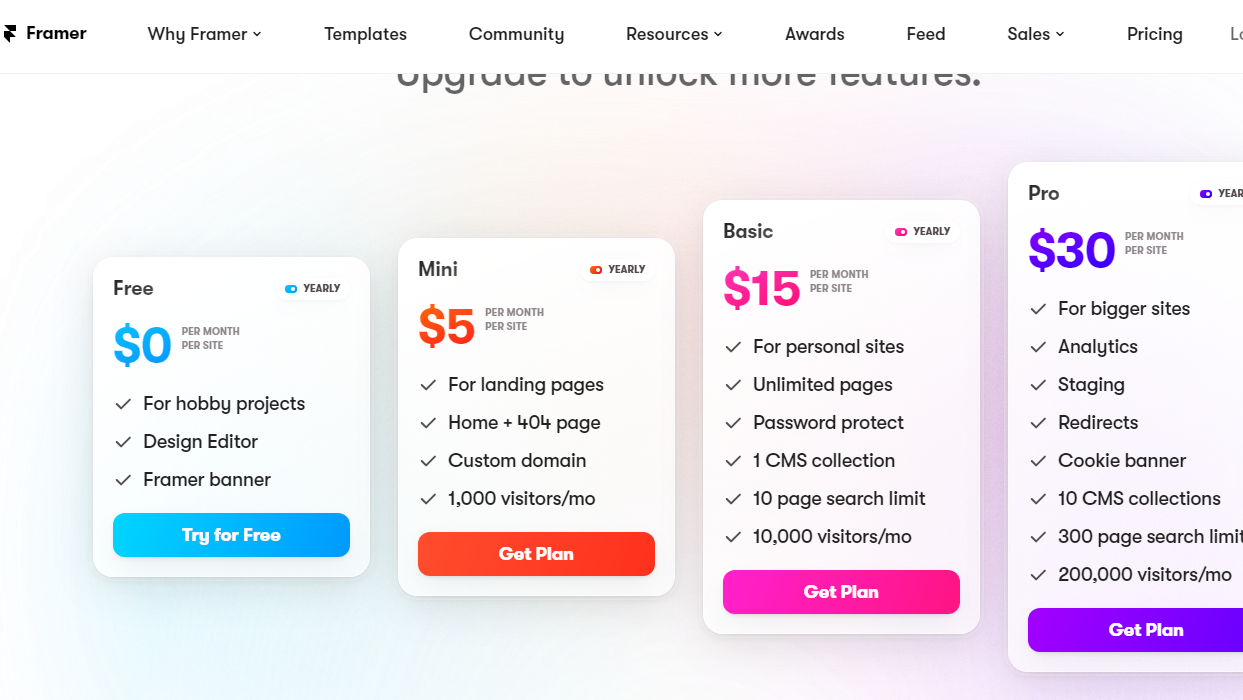
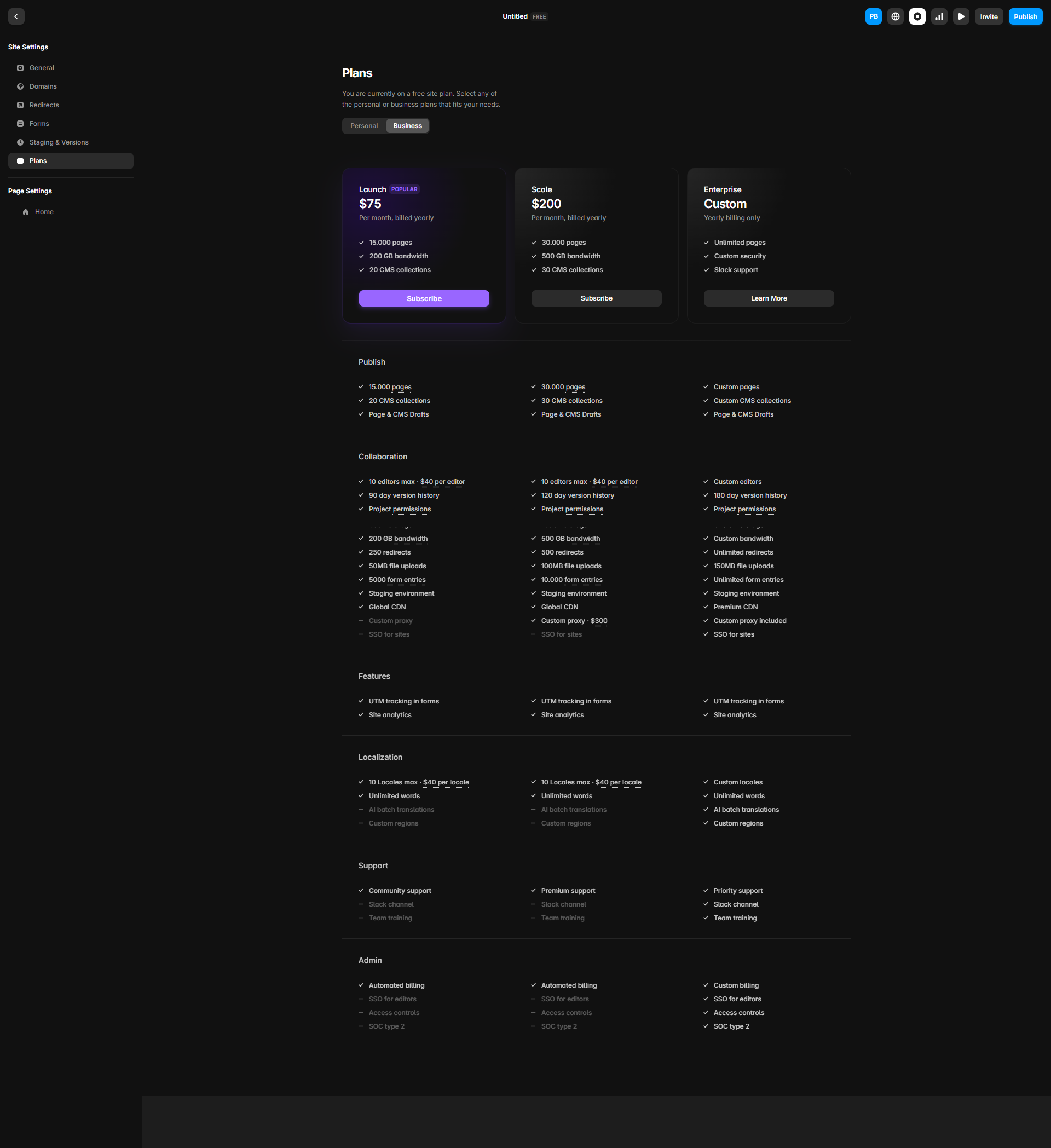
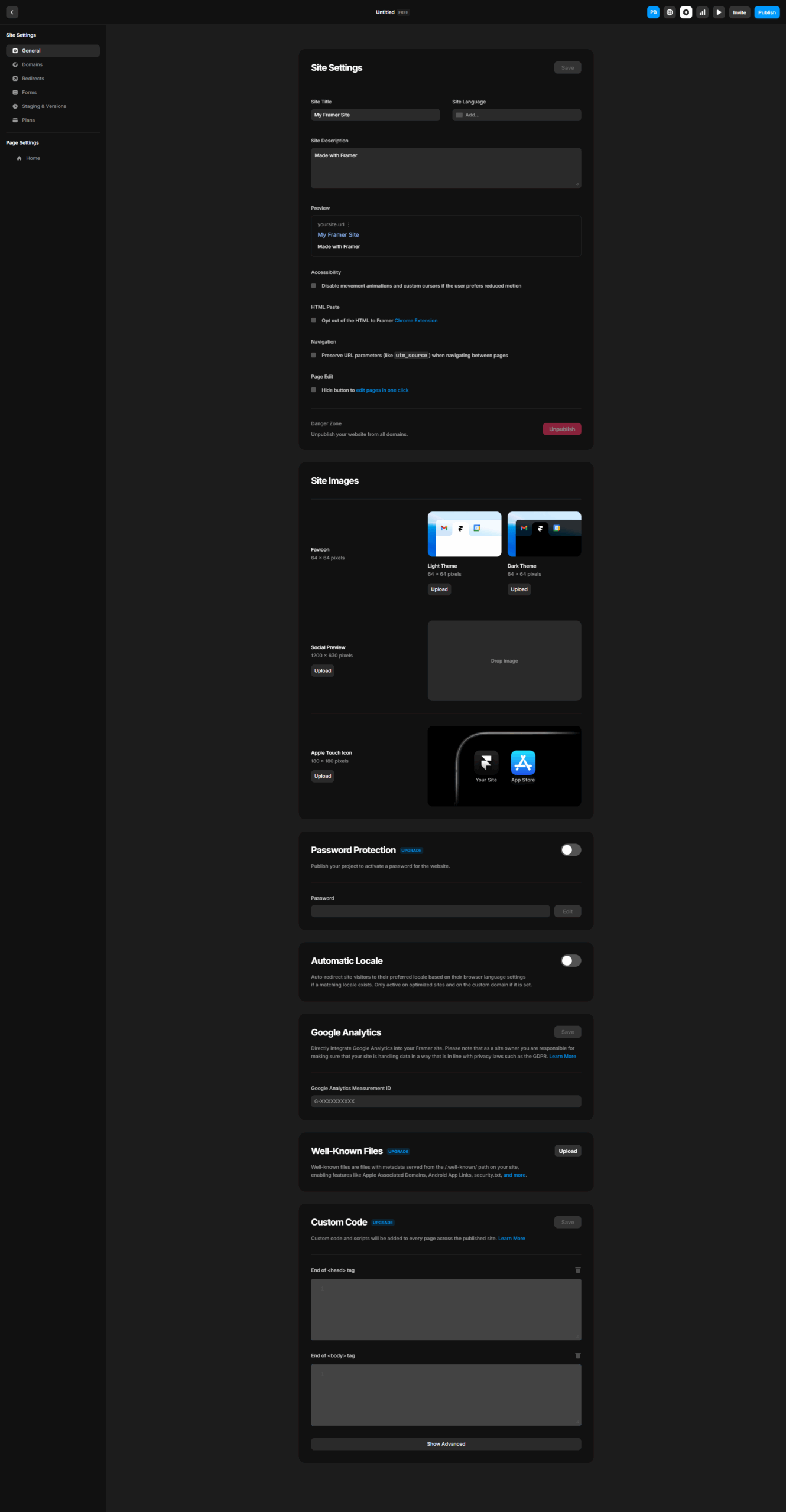
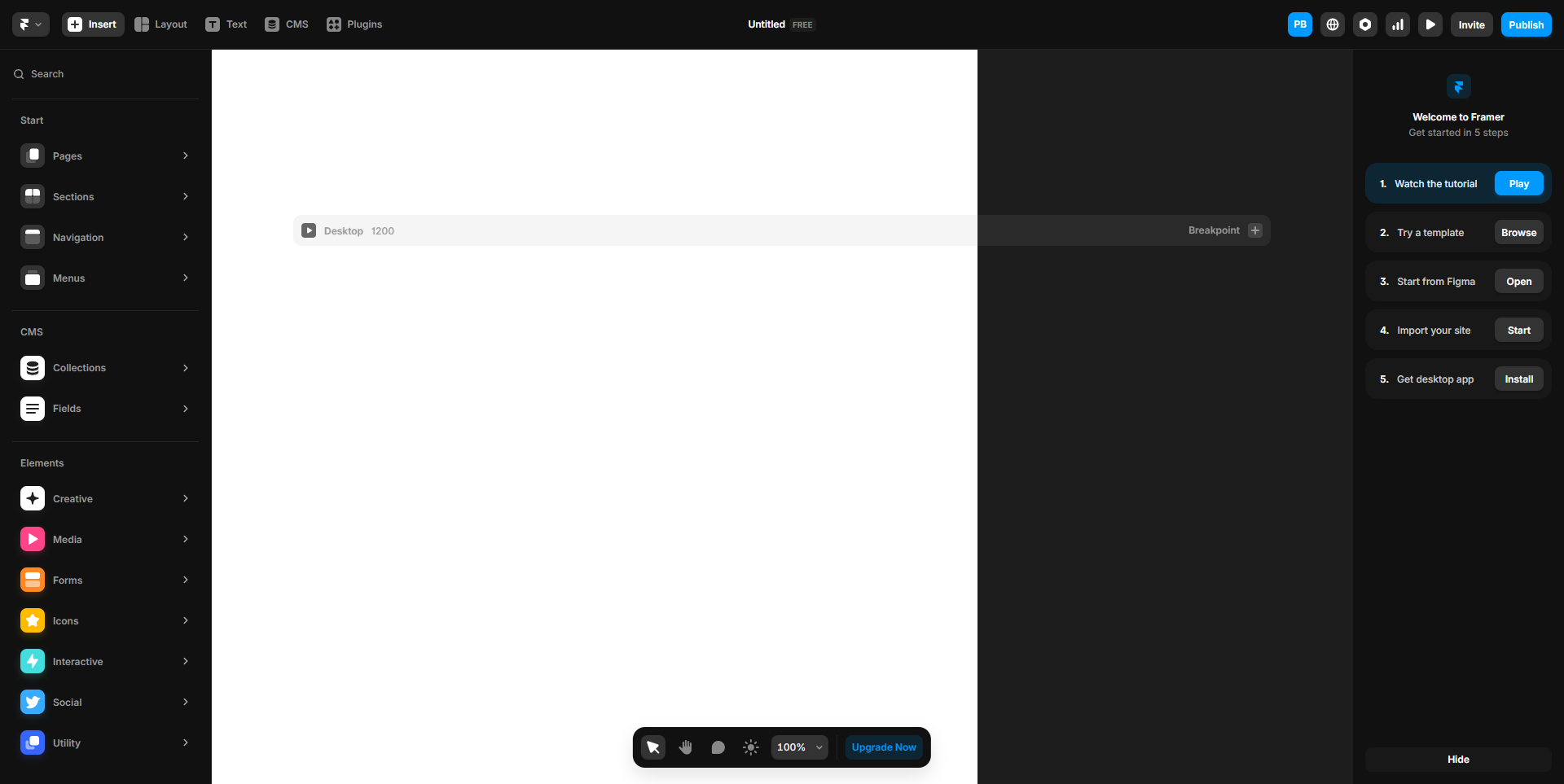
Framer is a design-focused tool enabling designers to create interactive websites without coding. Its standout features include a drag-and-drop editor, prebuilt animations, and easy integrations with design tools like Figma. Pricing starts from a free plan (1 site) up to $28 per month (Pro plan) for advanced features like analytics and staging.
Compared to alternatives like Webflow or Wix, Framer excels in design precision but has a steeper learning curve. It’s ideal for designers aiming for pixel-perfect, responsive designs but may lack advanced e-commerce features for developers or marketers. Webflow offers more CMS power, and Wix is beginner-friendly, but Framer uniquely blends prototyping and publishing.
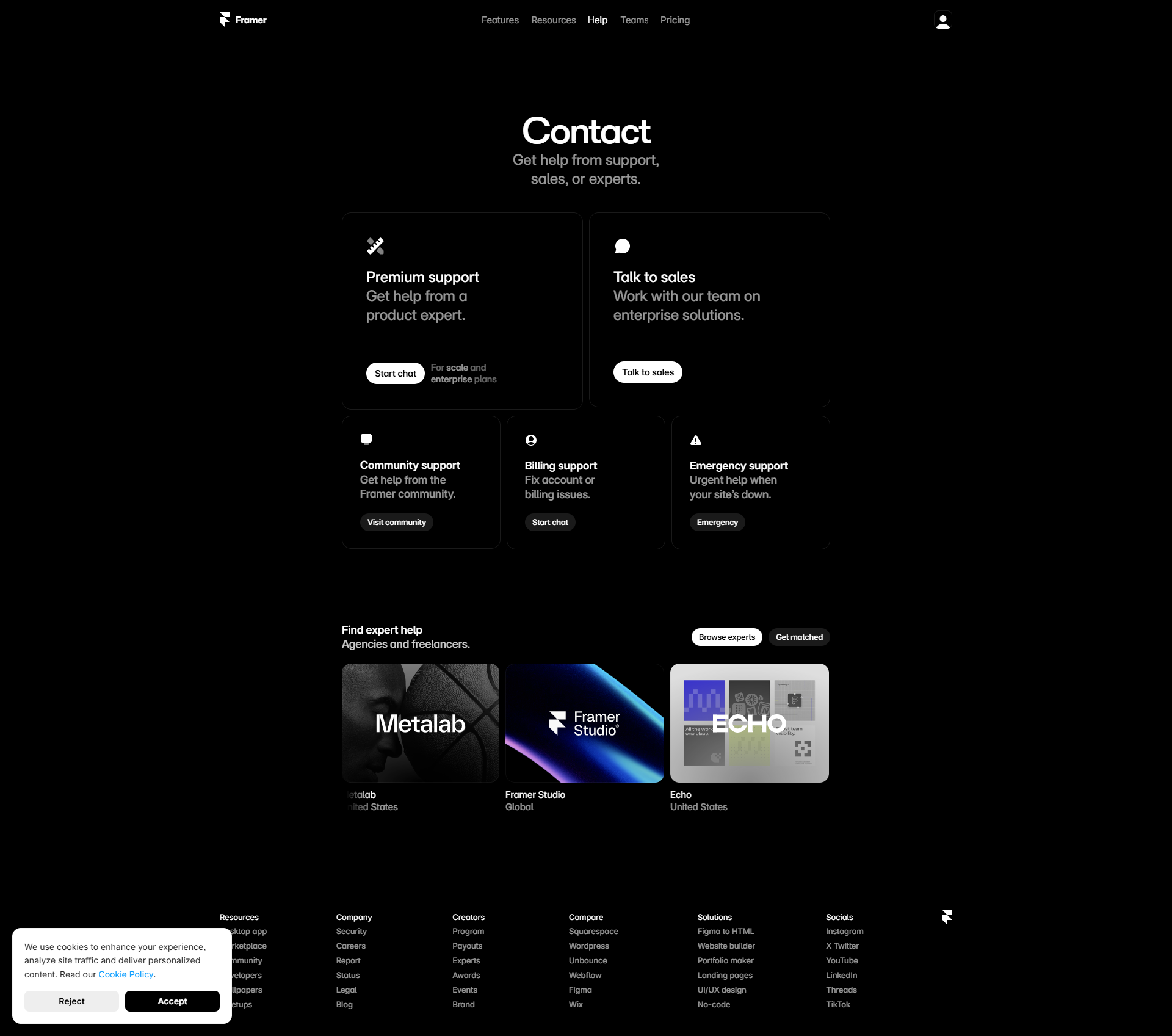
Framer’s customer support is responsive, although limited for free users, and overall is cost-effective for individual designers or freelancers seeking freedom in design and development.