Project management tools like , Notion, Basecamp, Lark, Slack, Asana and Trello.
AI chatbot tools like ChatGPT, Grok, Perplexity, Claude, Gemini and Copilot.
Marketing analytics platforms like Google Analytics, Similarweb and Semrush.
CRM systems like HubSpot, Apollo.io Pipedrive, Zoho CRM, and Salesforce.
VPNs, SSO providers, and password managers like NordVPN, Okta, and LastPass.
Email marketing and campaign tools like MailerLite, Instantly, and Mailchimp.
Website builders, hosting tools like Hostinger, Webflow, Framer, and Shopify
HR and recruiting software like ATS platforms, BambooHR, Workday, and Lever.
Automate finances with confidence like Quickbooks, Stripe, Brex, and Mercury.
Design and editing tools like Figma, Canva, Adobe Creative Cloud, CapCut.
Workflow automation tools like Zapier, Make, Clay, and Reclaim.ai.
No-code and AI-native dev tools like Cursor, Windsurf, Lovable and Bubble.

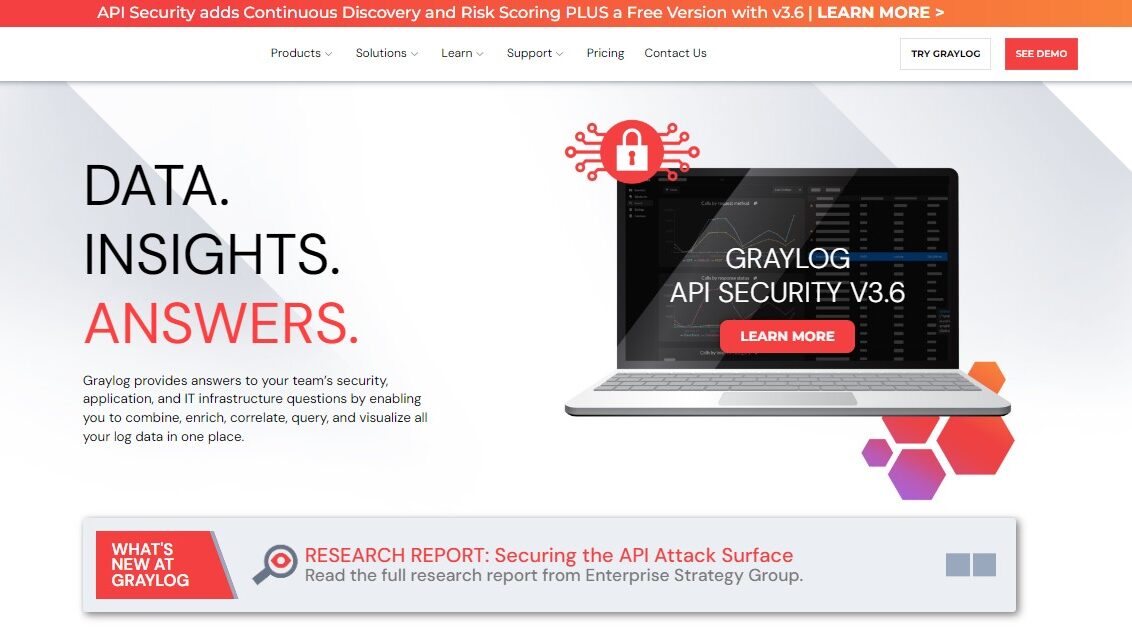
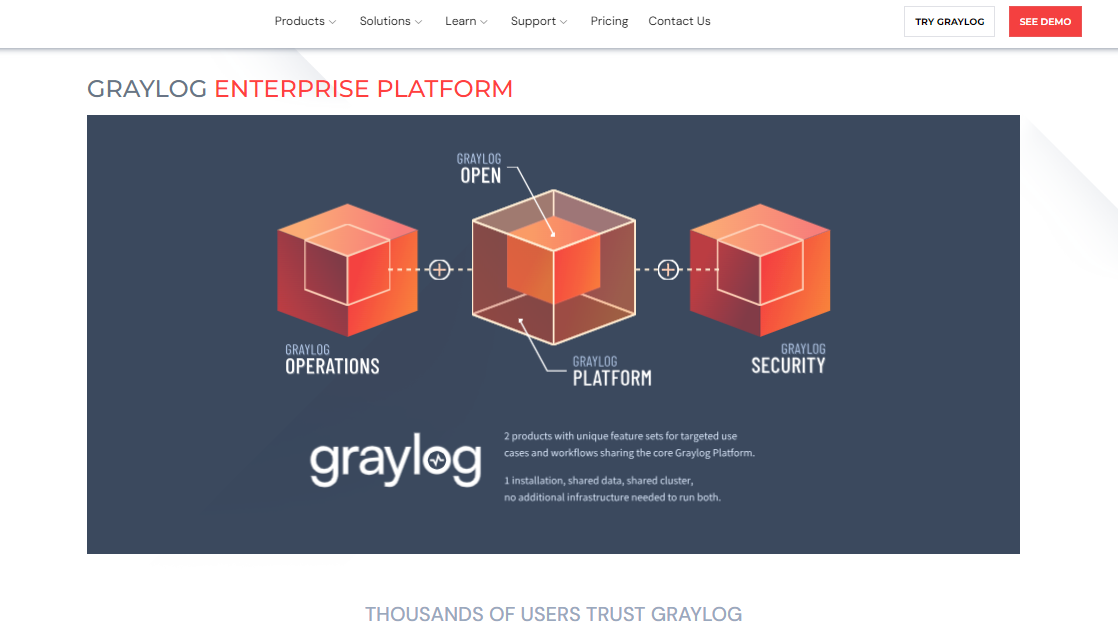
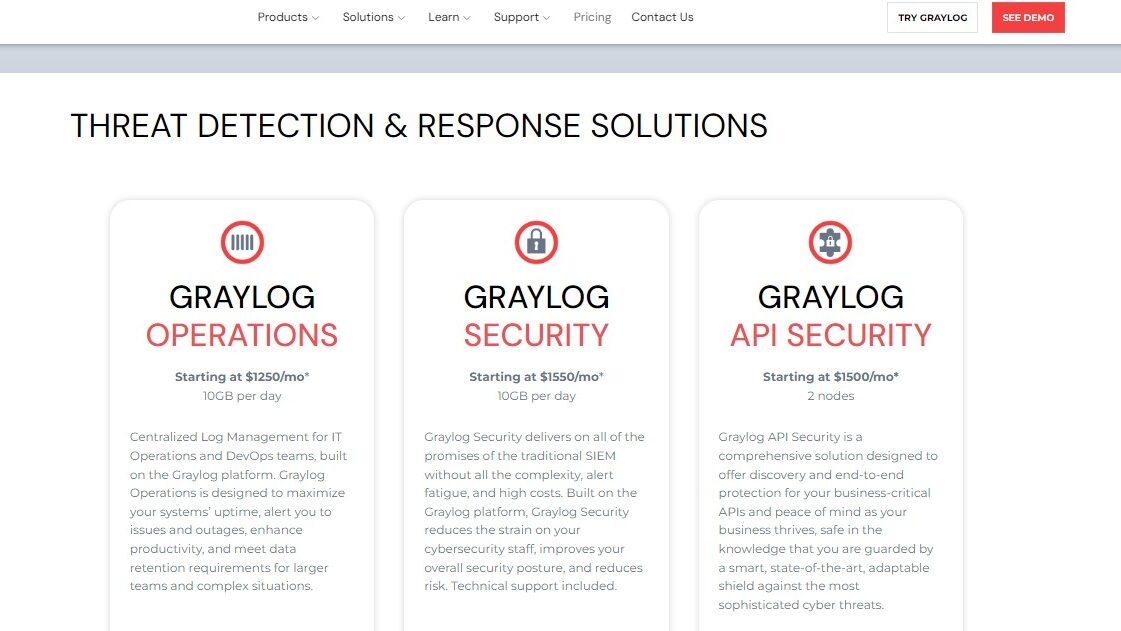
Graylog excels in centralized log management, SIEM, and API security with features like advanced AI/ML analytics, fast search, intuitive dashboards, real-time monitoring, and extensive log protocol support. Developers and IT professionals benefit most from its flexibility and robust analysis, outperforming alternatives like Splunk or Datadog in cost-effectiveness (15-45% cheaper). While setup can be complex and advanced visualization limited, its active community and satisfactory support enhance usability. Pricing varies by scale; free tiers and enterprise licenses are available, making it ideal for businesses prioritizing affordability and effective cybersecurity/log analysis.
Datadog is a leading SaaS platform offering real-time monitoring, security, and analytics for developers, IT, and operations teams. Key features include application performance monitoring (APM), log management, and infrastructure observability with AI integrations for enhanced insights. It seamlessly integrates with 400+ tools and offers customizable dashboards. Pricing starts at $15/host/month. Compared to Dynatrace and New Relic, Datadog excels in ease of use and integrations, though its costs rise with scaling. Ideal for DevOps teams, it offers helpful customer support but requires learning effort. Cost-effective for large firms, yet pricey for small businesses.