Sign in to review
Join our community of software reviewers on Subscribed.fyi

Continue With Google
Continue With LinkedIn
Continue Review with Email
Continue with Email
Enter your email to continue.
Continue
Enter your password
Enter your password to finish setting up your account.
Continue
Activate your email
Enter activation code we sent to your email.
Submit
Reset your password
Enter activation code we sent to your email.
Submit
Set your new password
Enter a new password for your account.
Submit
Categories
For Business
Log in
Provide My Insights
Add Product
Suggested products People also compare with
Add to Comparison
Suggested products People also compare with

Compare HarperDB and Google Cloud

We are comparing HarperDB and Google Cloud to evaluate which one is the best product.

Suggested products People also compare with
Review Pricing Alternatives Experience

Review

63%
23/36 Metric achieved
88%
31/36 Metric achieved

Subscribed Metric

Customer Support 4/6
Security 3/6
Ease of Use 5/6
Value of Money 4/6
Integration 4/6
Popularity 3/6

Subscribed Metric

Customer Support 3/6
Security 5/6
Ease of Use 6/6
Value of Money 5/6
Integration 6/6
Popularity 6/6

Pros & Cons

Easy SQL and NoSQL integration
Minimal setup required
Responsive customer support
Fast and scalable API responses
Limited access permission controls
Reduced free-tier benefits
Clunky web interface
Incomplete documentation

Pros & Cons

Highly scalable and reliable.
Integrates seamlessly with other tools.
Offers robust security features.
Extremely user-friendly interface.
Complex pricing structure.
Customer support can be slow.
Some services are costly.
Initial setup may be overwhelming.

Conclusion

HarperDB is a hybrid SQL and NoSQL database combining speed, scalability, and simplicity. It suits developers with its REST, GraphQL, and real-time APIs, lightening frontend work. It simplifies distributed services, uses minimal setup, supports geo-distributed clustering, and scales well. Compared to MongoDB and DynamoDB, HarperDB excels in data format flexibility but lacks in-depth tooling and documentation. Pricing varies per usage, making it cost-effective at scale. Support is responsive, ideal for quick integrations but less suited for complex enterprise use cases.

Conclusion

Google Cloud is a flexible, scalable platform specializing in cloud computing, storage, and AI/ML tools, ideal for developers, businesses, and marketers. Its key features include seamless integration with Google services, robust security, and open-source support. Pricing is pay-as-you-go, with a free $300 credit for new users. Compared to AWS and Azure, it excels in collaboration tools but can have a steeper UI learning curve. Customer support is solid, though pricing can confuse new users. It’s cost-effective, especially for small teams or startups needing quick scalability.

Pricing

HarperDB Pricing

Pricing Range $0.081-8.5k/Month See HarperDB Pricing

Google Cloud Pricing

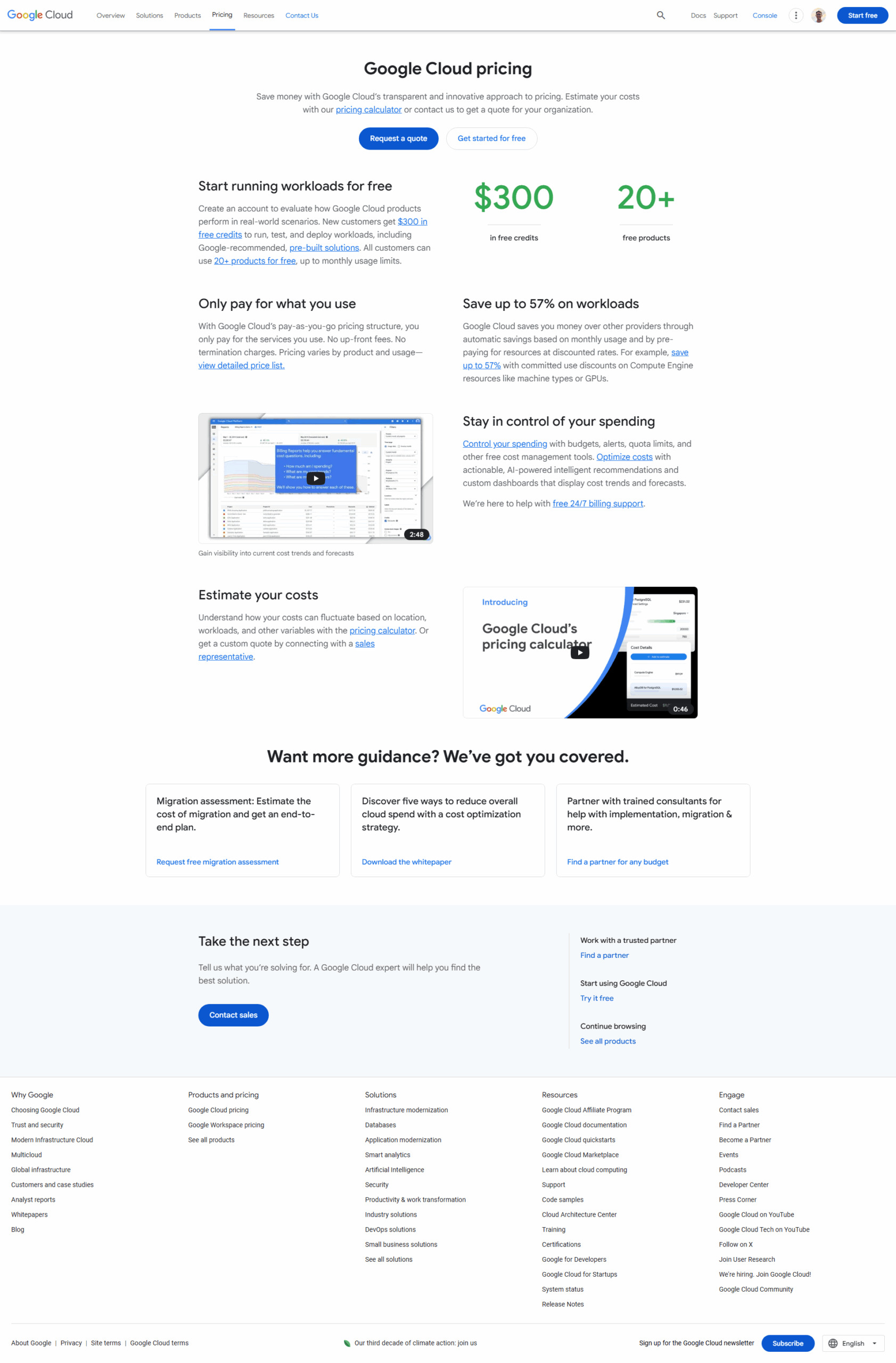
Pricing Range Not specified See Google Cloud Pricing

Alternatives

HarperDB Alternatives

MongoDB logo

MongoDB

88%
Google Cloud logo

Google Cloud

88%
DigitalOcean logo

DigitalOcean

85%
AWS Config logo

AWS Config

78%
See All HarperDB Alternatives

Google Cloud Alternatives

AWS Lambda logo

AWS Lambda

88%
Adobe Creative Cloud logo

Adobe Creative Cloud

78%
IBM Cloud Kubernetes Service logo

IBM Cloud Kubernetes Service

77%
See All Google Cloud Alternatives

Experience

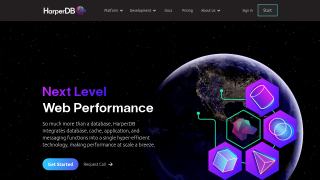
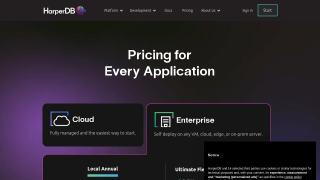
HarperDB Screenshots

HarperDB screenshot 1
HarperDB screenshot 2

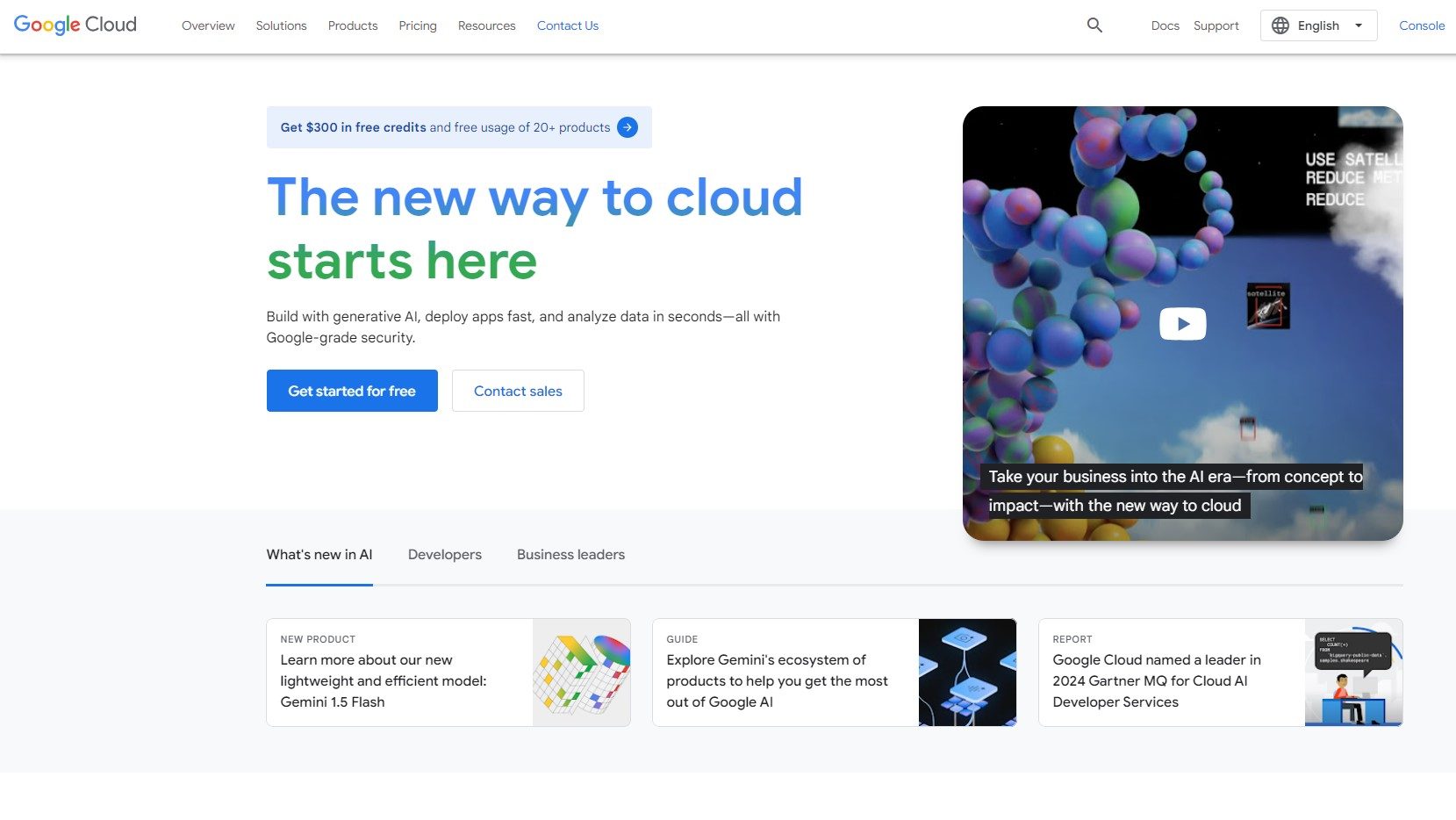
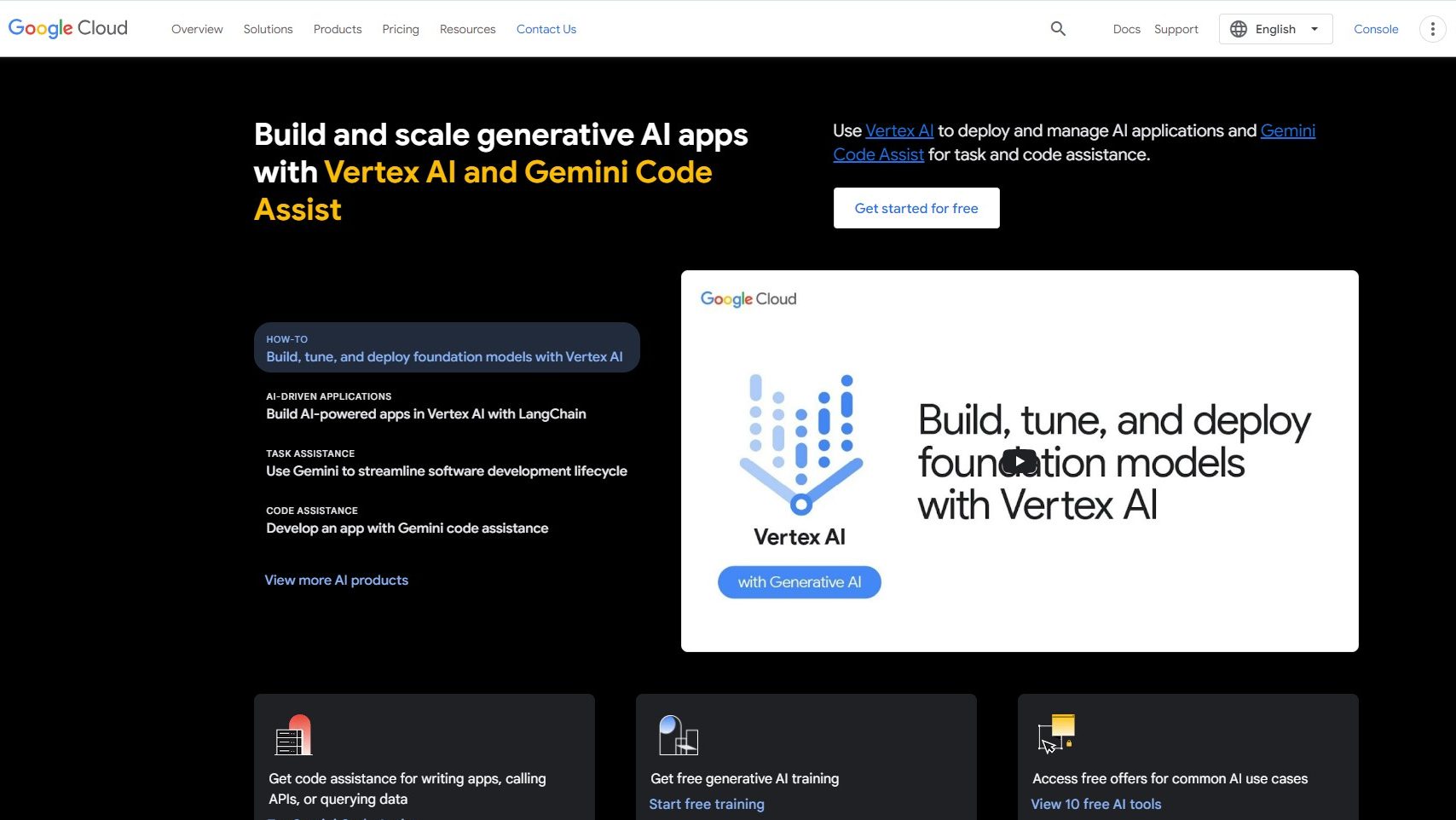
Google Cloud Screenshots

Google Cloud screenshot 1
Google Cloud screenshot 2
Google Cloud screenshot 3