Project management tools like , Notion, Basecamp, Lark, Slack, Asana and Trello.
AI chatbot tools like ChatGPT, Grok, Perplexity, Claude, Gemini and Copilot.
Marketing analytics platforms like Google Analytics, Similarweb and Semrush.
CRM systems like HubSpot, Apollo.io Pipedrive, Zoho CRM, and Salesforce.
VPNs, SSO providers, and password managers like NordVPN, Okta, and LastPass.
Email marketing and campaign tools like MailerLite, Instantly, and Mailchimp.
Website builders, hosting tools like Hostinger, Webflow, Framer, and Shopify
HR and recruiting software like ATS platforms, BambooHR, Workday, and Lever.
Automate finances with confidence like Quickbooks, Stripe, Brex, and Mercury.
Design and editing tools like Figma, Canva, Adobe Creative Cloud, CapCut.
Workflow automation tools like Zapier, Make, Clay, and Reclaim.ai.
No-code and AI-native dev tools like Cursor, Windsurf, Lovable and Bubble.

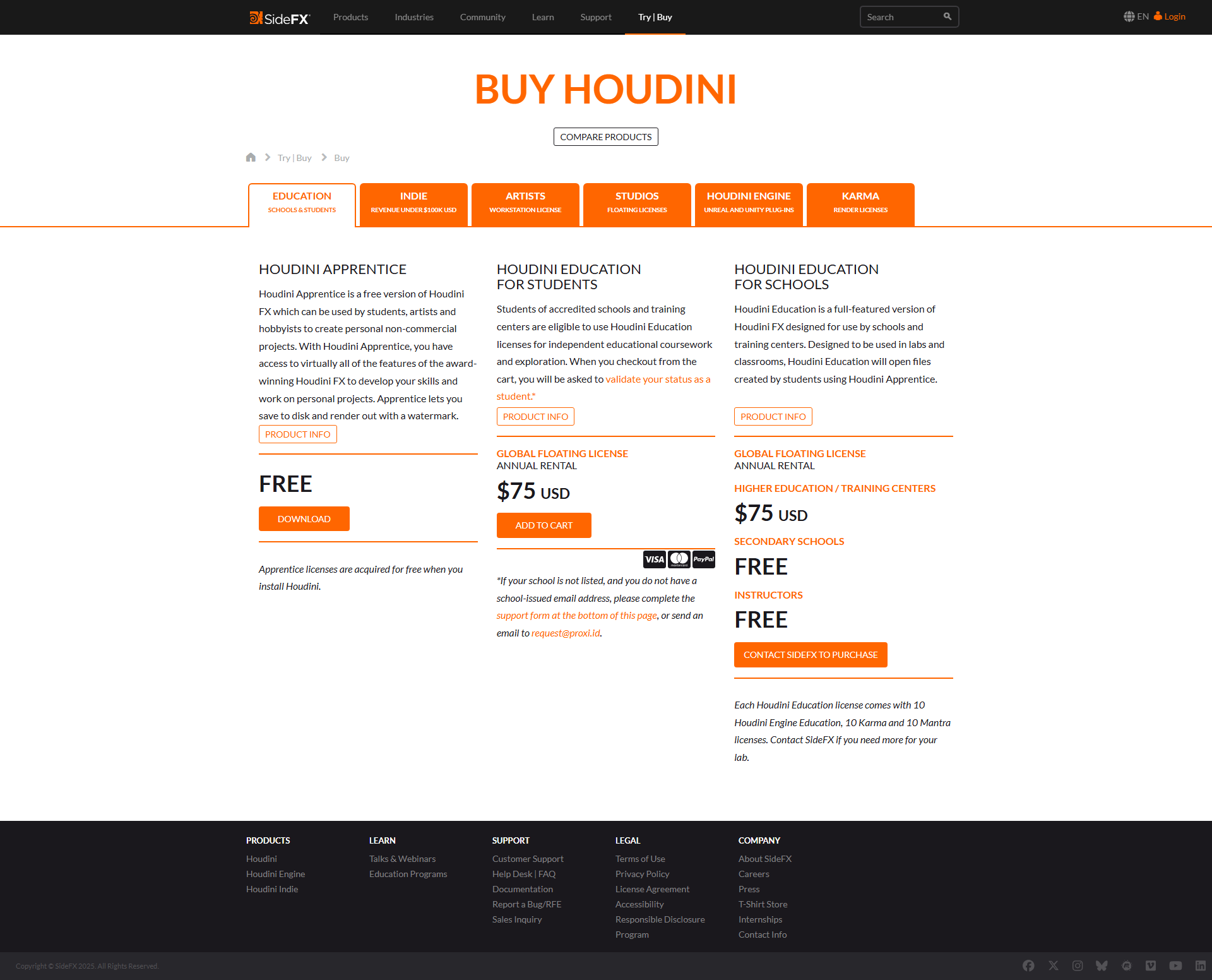
Houdini, by SideFX, is a highly versatile 3D modeling, animation, and VFX software widely used in film, gaming, and commercials. Its node-based workflow excels at procedural modeling, realistic simulations, and particle effects. Known for its powerful features like dynamic simulations and advanced rendering, it is ideal for VFX artists and technical directors.
Compared to tools like Blender (free) or Maya (user-friendly UI), Houdini offers unparalleled flexibility and scalability, but it has a steep learning curve and higher pricing ($28+ monthly). While Blender suits beginners and small budgets, and Maya favors easier adoption, Houdini is best for complex, professional workflows.
Despite some complexity, its robust functionality justifies its cost. Limited customer support receives mixed feedback, but overall, Houdini is invaluable for high-quality VFX professionals prioritizing customization and advanced effects.
Maya is a leading 3D design software for animation, modeling, and rendering, boasting advanced tools like sculpting, topology, and animation workflows. Popular among animators, VFX artists, and architects, it delivers realistic outputs and streamlined pipelines. Compared to alternatives like Blender (free but less industry-standard) and Unity (game-focused), Maya excels in deep professional features but comes with a steep learning curve and high cost (~22-25% above average). Its support is robust, ensuring smooth professional adoption, though its high price may deter freelancers or beginners. Cost-effective only for advanced users.