Project management tools like , Notion, Basecamp, Lark, Slack, Asana and Trello.
AI chatbot tools like ChatGPT, Grok, Perplexity, Claude, Gemini and Copilot.
Marketing analytics platforms like Google Analytics, Similarweb and Semrush.
CRM systems like HubSpot, Apollo.io Pipedrive, Zoho CRM, and Salesforce.
VPNs, SSO providers, and password managers like NordVPN, Okta, and LastPass.
Email marketing and campaign tools like MailerLite, Instantly, and Mailchimp.
Website builders, hosting tools like Hostinger, Webflow, Framer, and Shopify
HR and recruiting software like ATS platforms, BambooHR, Workday, and Lever.
Automate finances with confidence like Quickbooks, Stripe, Brex, and Mercury.
Design and editing tools like Figma, Canva, Adobe Creative Cloud, CapCut.
Workflow automation tools like Zapier, Make, Clay, and Reclaim.ai.
No-code and AI-native dev tools like Cursor, Windsurf, Lovable and Bubble.

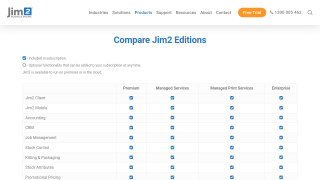
Jim2 Business Engine is a robust ERP solution tailored for small and medium-sized stock-driven businesses, featuring comprehensive tools for accounting, inventory, purchasing, sales, workflows, and reporting. It supports streamlined operations with cloud/on-premise deployment, a mobile app, and multi-company management. Compared to alternatives like NetSuite, SAP ECC, or Sage Intacct, Jim2 is more affordable and customizable, but lacks live bank feeds and payroll. Its real-time data integration and user-friendly interface make it ideal for retail and inventory-heavy businesses. Known for exceptional customer support and continuous updates, it offers excellent value for money despite the limited advanced features.
SAP Business One is a versatile ERP system tailored for small to midsize businesses. It integrates core functions like financials, purchasing, inventory, sales, CRM, and manufacturing. Notable features include real-time reporting, customizable dashboards, and seamless integration with third-party apps. Pricing is modular but above average compared to its competitors like NetSuite and Dynamics 365. While it offers advanced customization and scalability, its high implementation cost and steep learning curve can pose challenges.
Pros include robust functionality, automation, and scalability, ideal for manufacturers and mid-scale businesses. However, its interface may not be user-friendly for beginners, and small businesses may find it cost-prohibitive. Alternatives like Odoo and QuickBooks are cheaper but less comprehensive.
Customer support varies, with better assistance needed during implementation. Despite a higher initial investment, its long-term value makes it cost-effective for growing businesses aiming to streamline operations.