Project management tools like , Notion, Basecamp, Lark, Slack, Asana and Trello.
AI chatbot tools like ChatGPT, Grok, Perplexity, Claude, Gemini and Copilot.
Marketing analytics platforms like Google Analytics, Similarweb and Semrush.
CRM systems like HubSpot, Apollo.io Pipedrive, Zoho CRM, and Salesforce.
VPNs, SSO providers, and password managers like NordVPN, Okta, and LastPass.
Email marketing and campaign tools like MailerLite, Instantly, and Mailchimp.
Website builders, hosting tools like Hostinger, Webflow, Framer, and Shopify
HR and recruiting software like ATS platforms, BambooHR, Workday, and Lever.
Automate finances with confidence like Quickbooks, Stripe, Brex, and Mercury.
Design and editing tools like Figma, Canva, Adobe Creative Cloud, CapCut.
Workflow automation tools like Zapier, Make, Clay, and Reclaim.ai.
No-code and AI-native dev tools like Cursor, Windsurf, Lovable and Bubble.

Kentico is a versatile Digital Experience Platform (DXP) offering robust CMS, marketing, and e-commerce capabilities. Key features include content authoring, personalization, SEO, marketing automation, and APIs for integration. While its performance excels for mid-to-large enterprises, especially marketers needing advanced tools, its pricing (starting at $7,999) may deter small businesses. Compared to alternatives like WordPress (affordable, user-friendly) or Sitecore (feature-rich but costlier), Kentico balances ease of use, scalability, and customization. Designers appreciate its control over branding, while developers and marketers benefit from flexibility and analytics. Reviews highlight Kentico’s responsive customer support and cost-effectiveness for larger projects. However, the learning curve and licensing costs are challenges. Ideal for firms seeking an all-in-one solution.
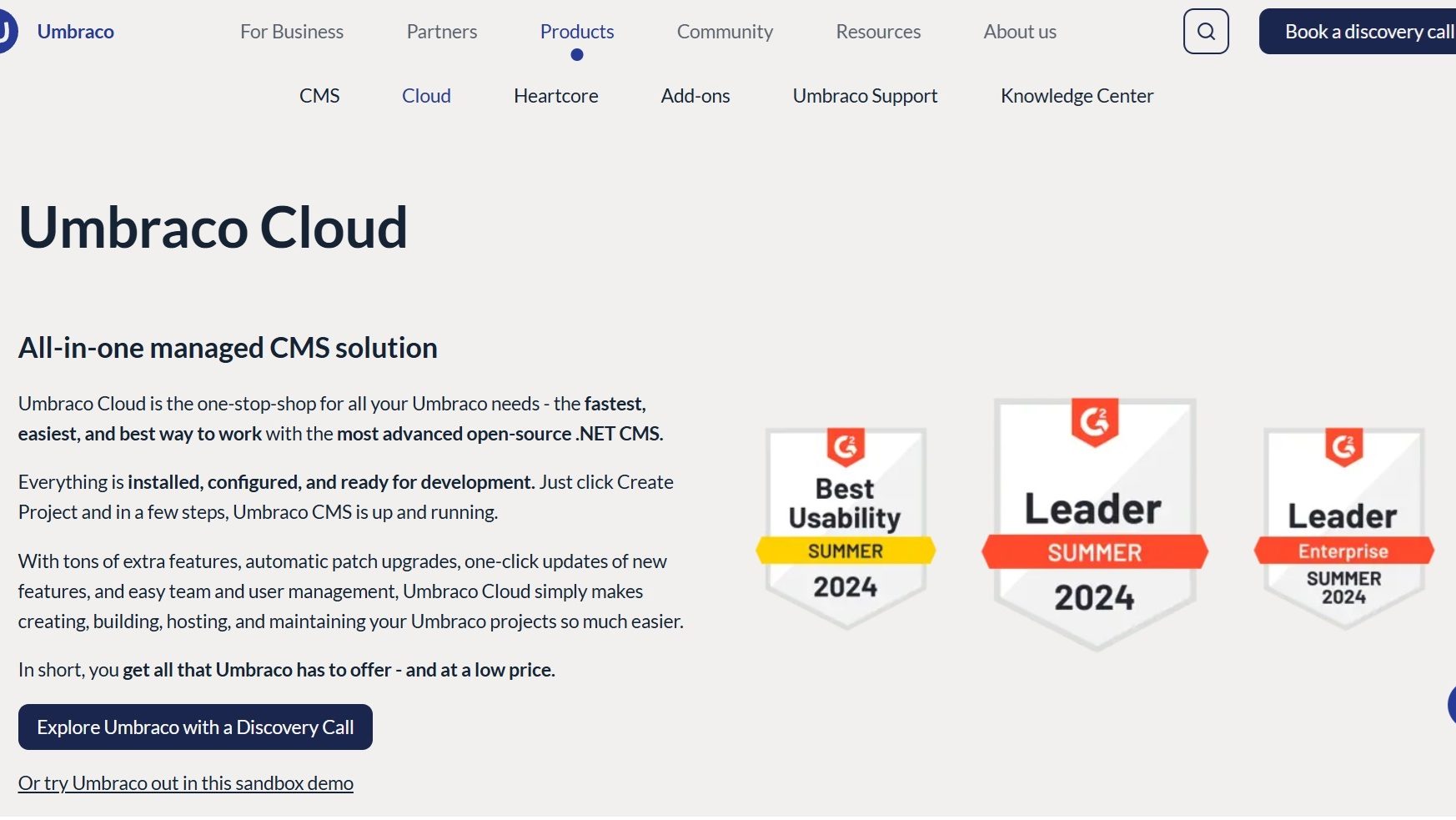
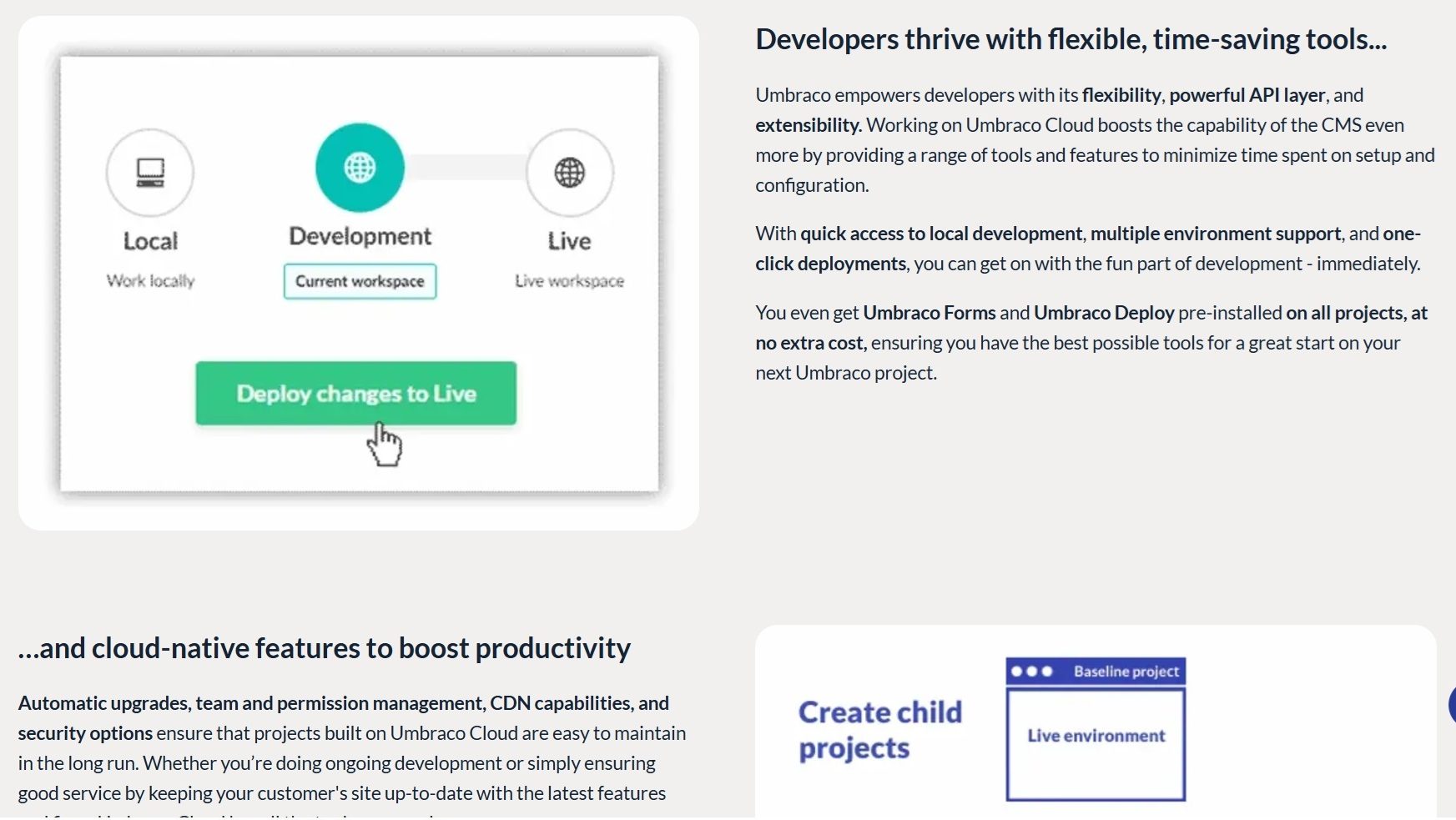
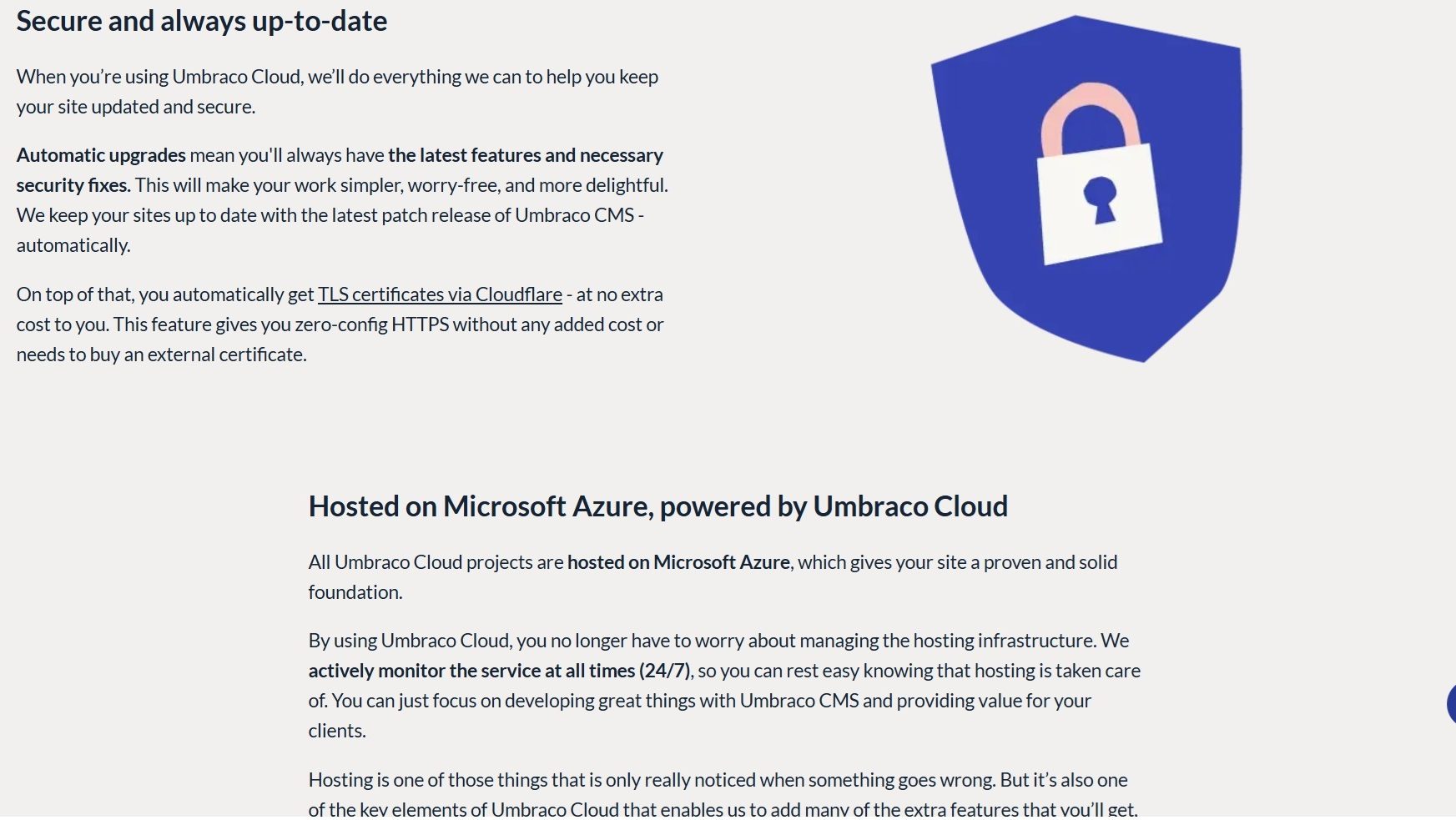
Umbraco is a flexible, open-source .NET-based CMS ideal for developers, designers, and marketers. It offers robust customization, seamless Microsoft Azure integration, and options like Umbraco Cloud and Heartcore for enhanced workflows or headless CMS needs. Developers benefit from its scalability and API extensions. Content editors experience intuitive management tools, while marketers enjoy multilingual support and SEO capabilities.
Key competitors like WordPress and Drupal offer more pre-built templates and a lower learning curve but lack Umbraco’s deep coding flexibility and seamless .NET integration. However, Umbraco demands a slightly steeper learning curve and is best suited for tech-savvy users.
Pricing starts at $0, scaling to $70+ monthly based on required features. Customer support is responsive, with expert plans available. Cost-effective for tailored or enterprise projects, Umbraco excels in delivering value and ROI.