Project management tools like , Notion, Basecamp, Lark, Slack, Asana and Trello.
AI chatbot tools like ChatGPT, Grok, Perplexity, Claude, Gemini and Copilot.
Marketing analytics platforms like Google Analytics, Similarweb and Semrush.
CRM systems like HubSpot, Apollo.io Pipedrive, Zoho CRM, and Salesforce.
VPNs, SSO providers, and password managers like NordVPN, Okta, and LastPass.
Email marketing and campaign tools like MailerLite, Instantly, and Mailchimp.
Website builders, hosting tools like Hostinger, Webflow, Framer, and Shopify
HR and recruiting software like ATS platforms, BambooHR, Workday, and Lever.
Automate finances with confidence like Quickbooks, Stripe, Brex, and Mercury.
Design and editing tools like Figma, Canva, Adobe Creative Cloud, CapCut.
Workflow automation tools like Zapier, Make, Clay, and Reclaim.ai.
No-code and AI-native dev tools like Cursor, Windsurf, Lovable and Bubble.

Knapsack is an advanced design system platform that bridges design, code, and content in a centralized workspace. It offers features like design tokens, real-time code rendering, CI/CD compatibility, and seamless integration with tools like Figma. Ideal for designers, developers, and product managers, it enhances collaboration and accelerates product development. Compared to Canva or Visme, Knapsack focuses on large-scale enterprise needs like design systems over general visual creation. While praised for its customization and powerful tools, Knapsack is seen as pricey, making it challenging for smaller teams. Customer support is responsive, and the platform’s flexibility ensures cost-effectiveness in enterprise settings.
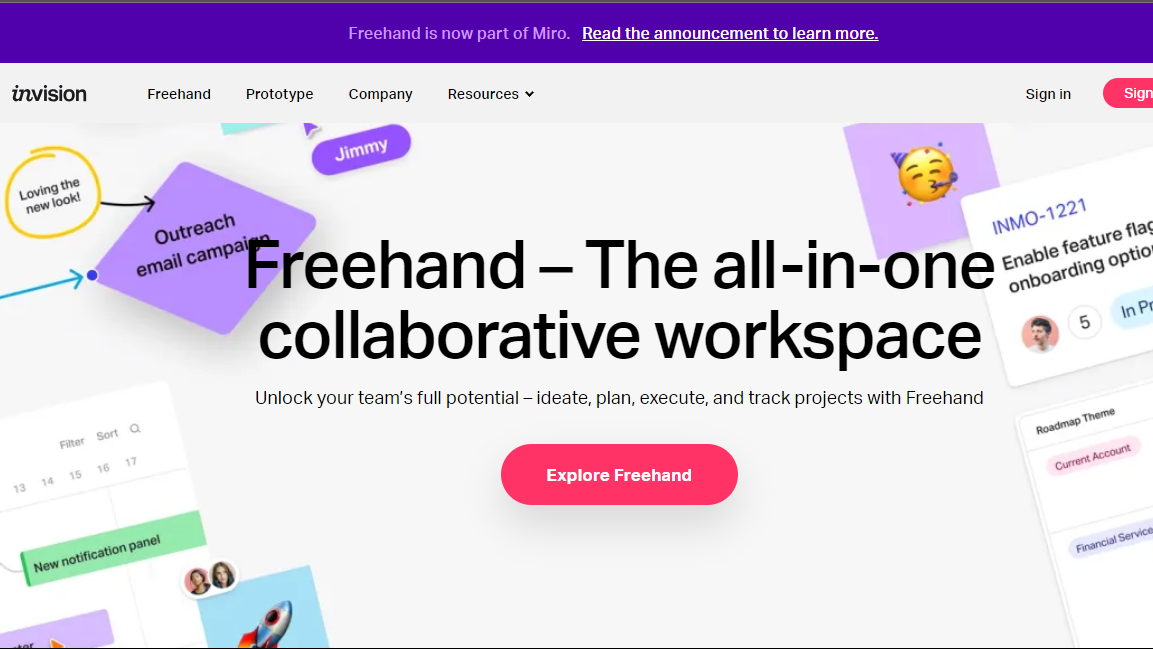
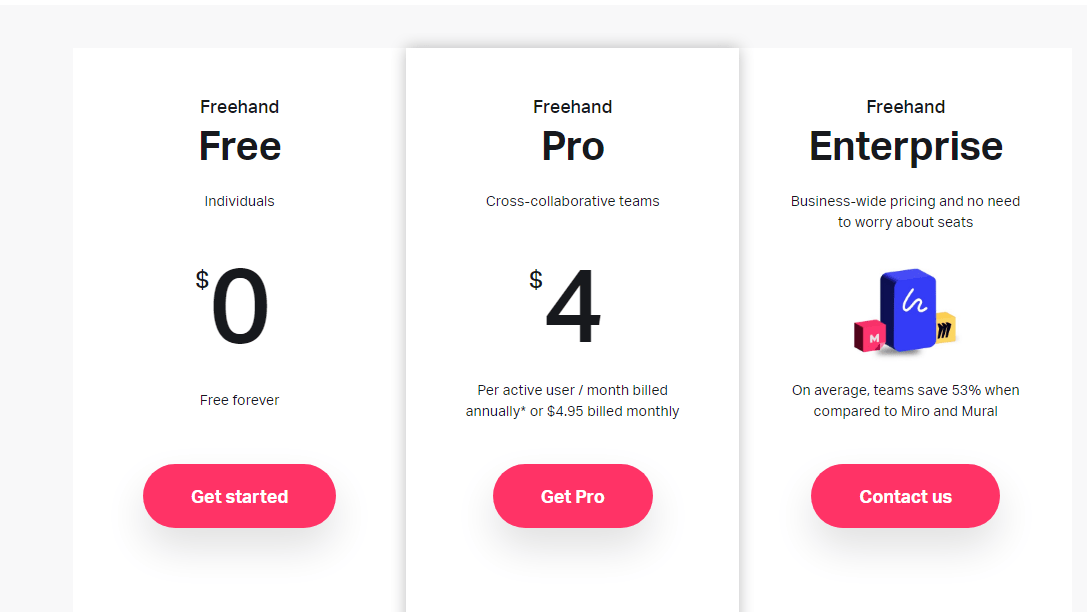
InVision is a visual collaboration and prototyping platform tailored for designers and developers. Its key features include seamless design sharing, interactive prototyping, real-time collaboration, and integration with tools like Sketch and Photoshop. Plans start at $0 for a single project and go up to $100/month for teams. Users find its intuitive interface and commenting tools ideal for feedback, though advanced animation options remain limited. Compared to alternatives like Figma or UXPin, InVision excels in prototyping but lags in real-time design edits.
For professionals needing robust prototyping and collaborative features, InVision is ideal, though Figma offers better versatility for real-time designs. Customer support is rated positively, making it a cost-effective but slightly niche tool for smaller teams or UX/UI specialists.