Project management tools like , Notion, Basecamp, Lark, Slack, Asana and Trello.
AI chatbot tools like ChatGPT, Grok, Perplexity, Claude, Gemini and Copilot.
Marketing analytics platforms like Google Analytics, Similarweb and Semrush.
CRM systems like HubSpot, Apollo.io Pipedrive, Zoho CRM, and Salesforce.
VPNs, SSO providers, and password managers like NordVPN, Okta, and LastPass.
Email marketing and campaign tools like MailerLite, Instantly, and Mailchimp.
Website builders, hosting tools like Hostinger, Webflow, Framer, and Shopify
HR and recruiting software like ATS platforms, BambooHR, Workday, and Lever.
Automate finances with confidence like Quickbooks, Stripe, Brex, and Mercury.
Design and editing tools like Figma, Canva, Adobe Creative Cloud, CapCut.
Workflow automation tools like Zapier, Make, Clay, and Reclaim.ai.
No-code and AI-native dev tools like Cursor, Windsurf, Lovable and Bubble.

Mailgun is a developer-focused email API platform ideal for transactional and bulk emails. Key features include email validation, advanced tracking, analytics, and robust SMTP/RESTful API integration for major languages. It ensures high deliverability with shared/dedicated IP management. Plans start at $15/month, offering scalability. Compared to alternatives like SendGrid or Brevo, Mailgun excels in developer documentation and flexibility but has higher costs, making it best for startups and tech-savvy teams. Its customer support is reliable but variable. Overall, a cost-effective solution for web-based applications.
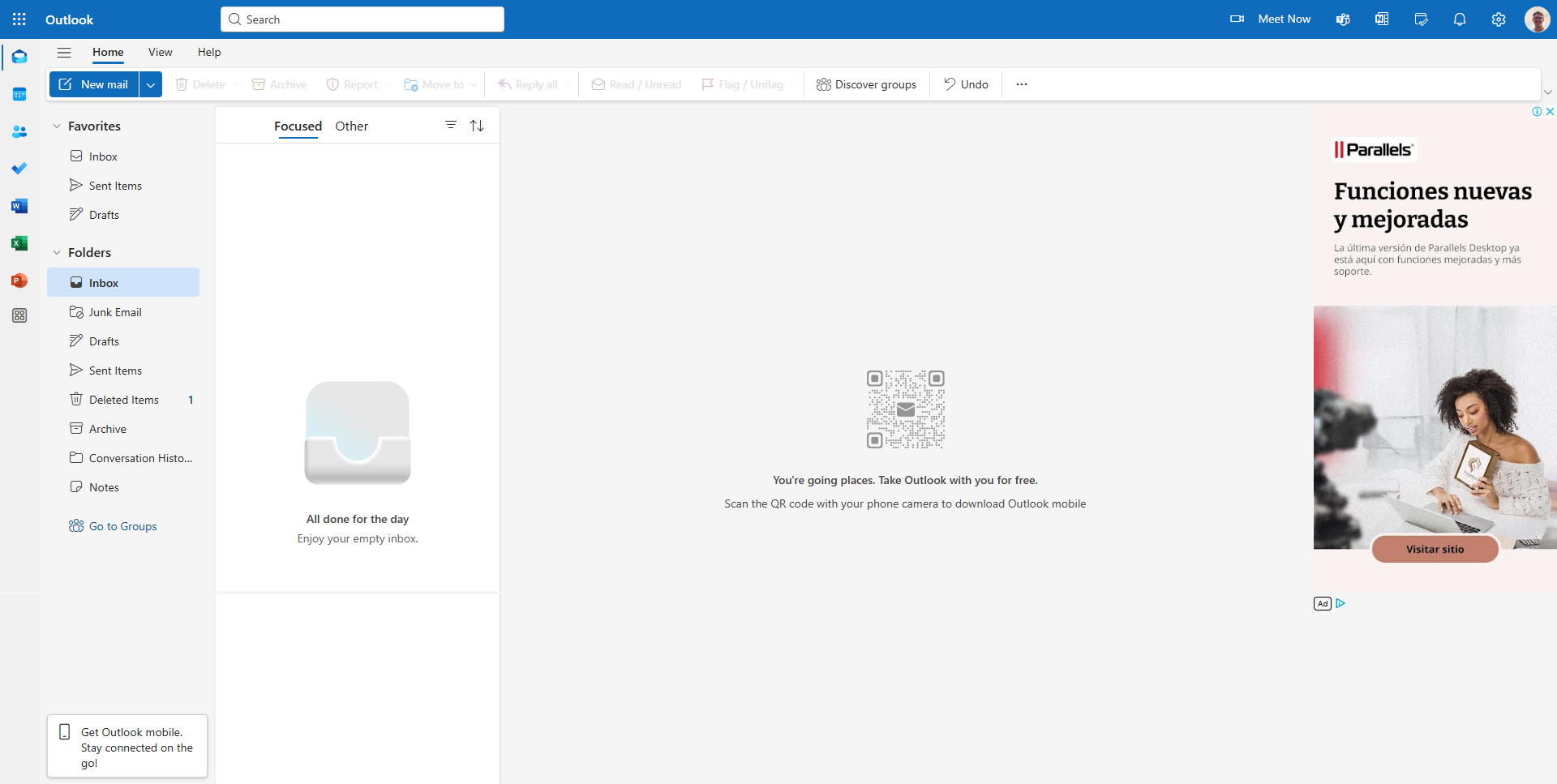
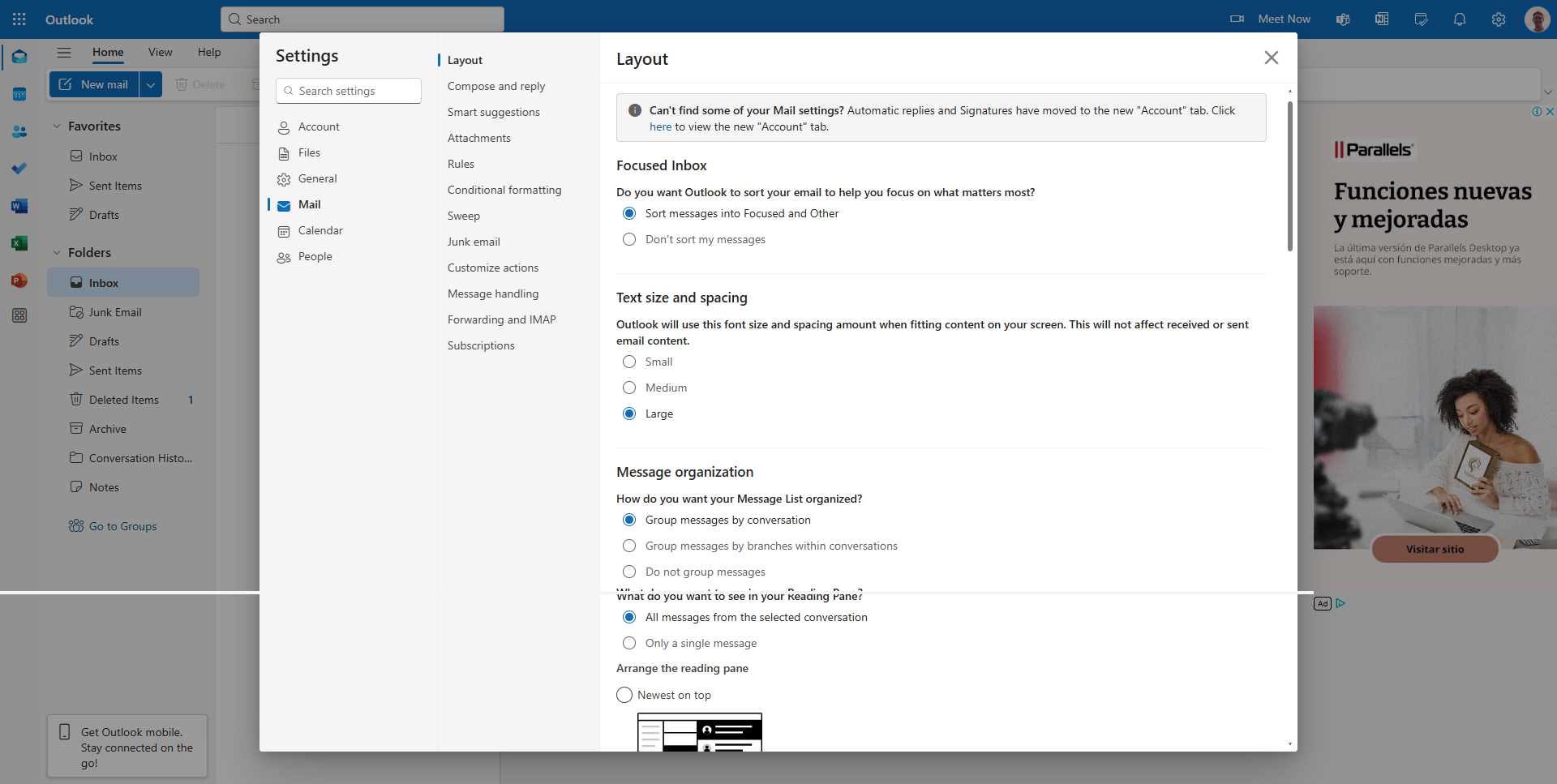
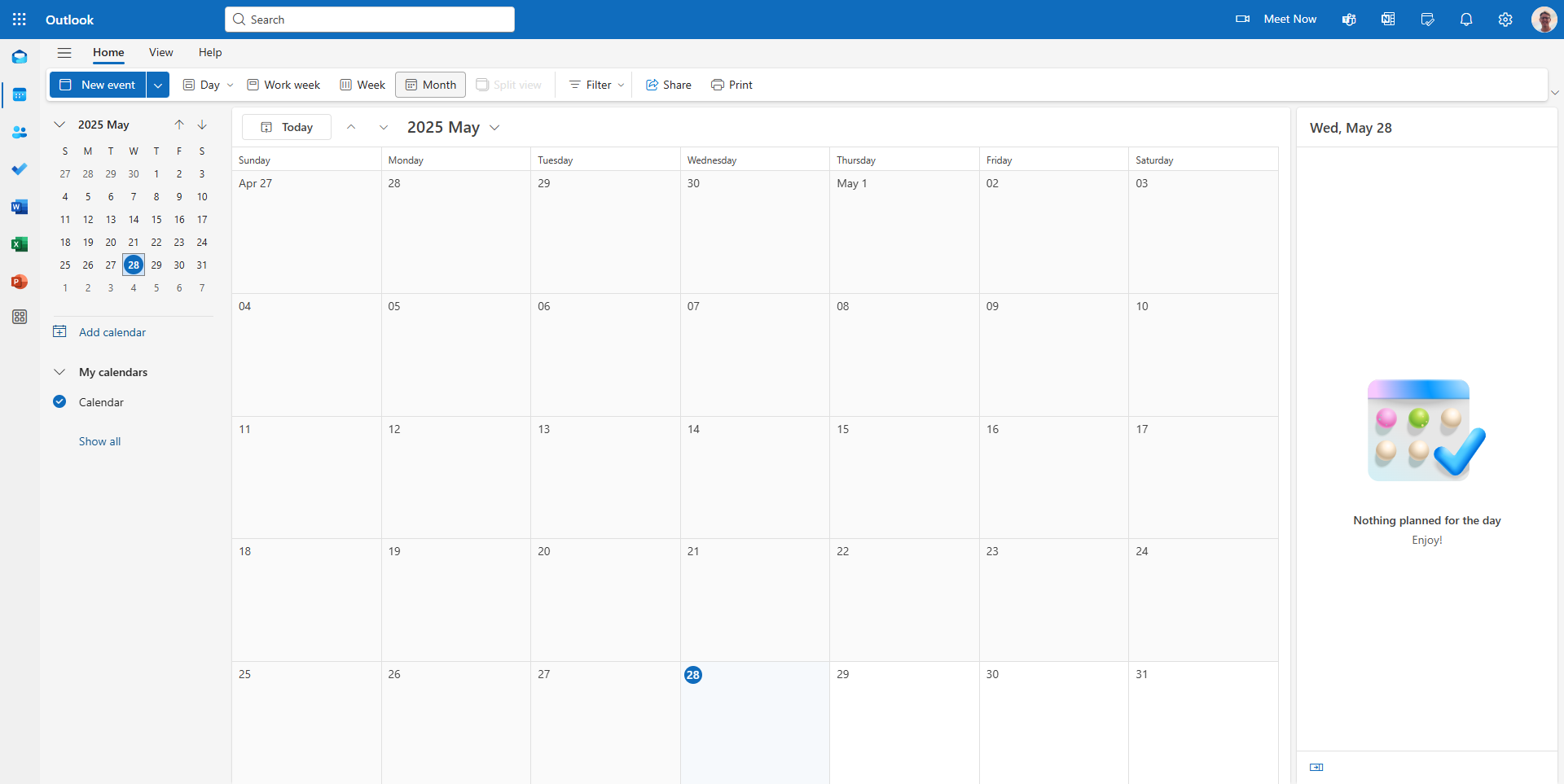
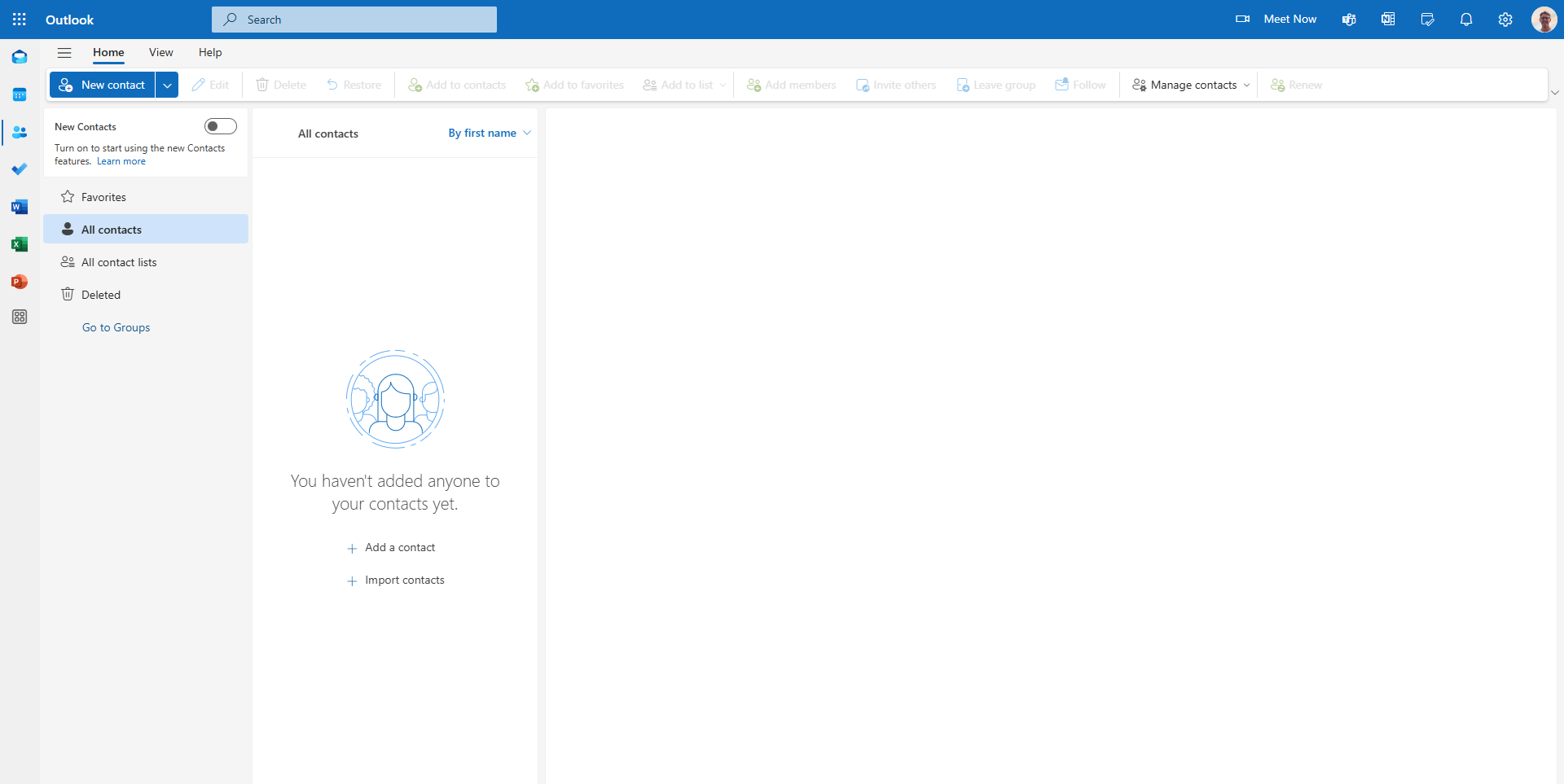
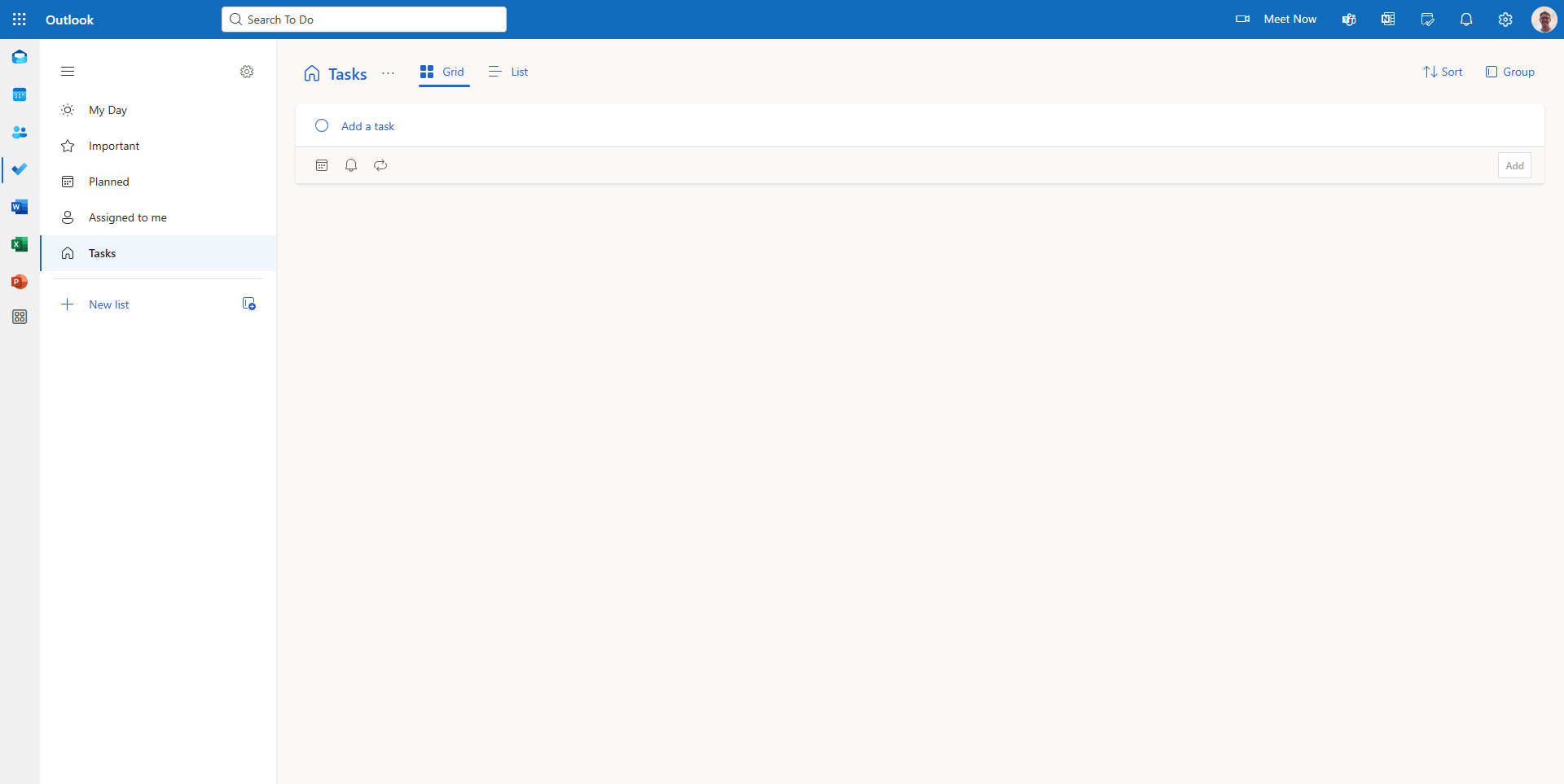
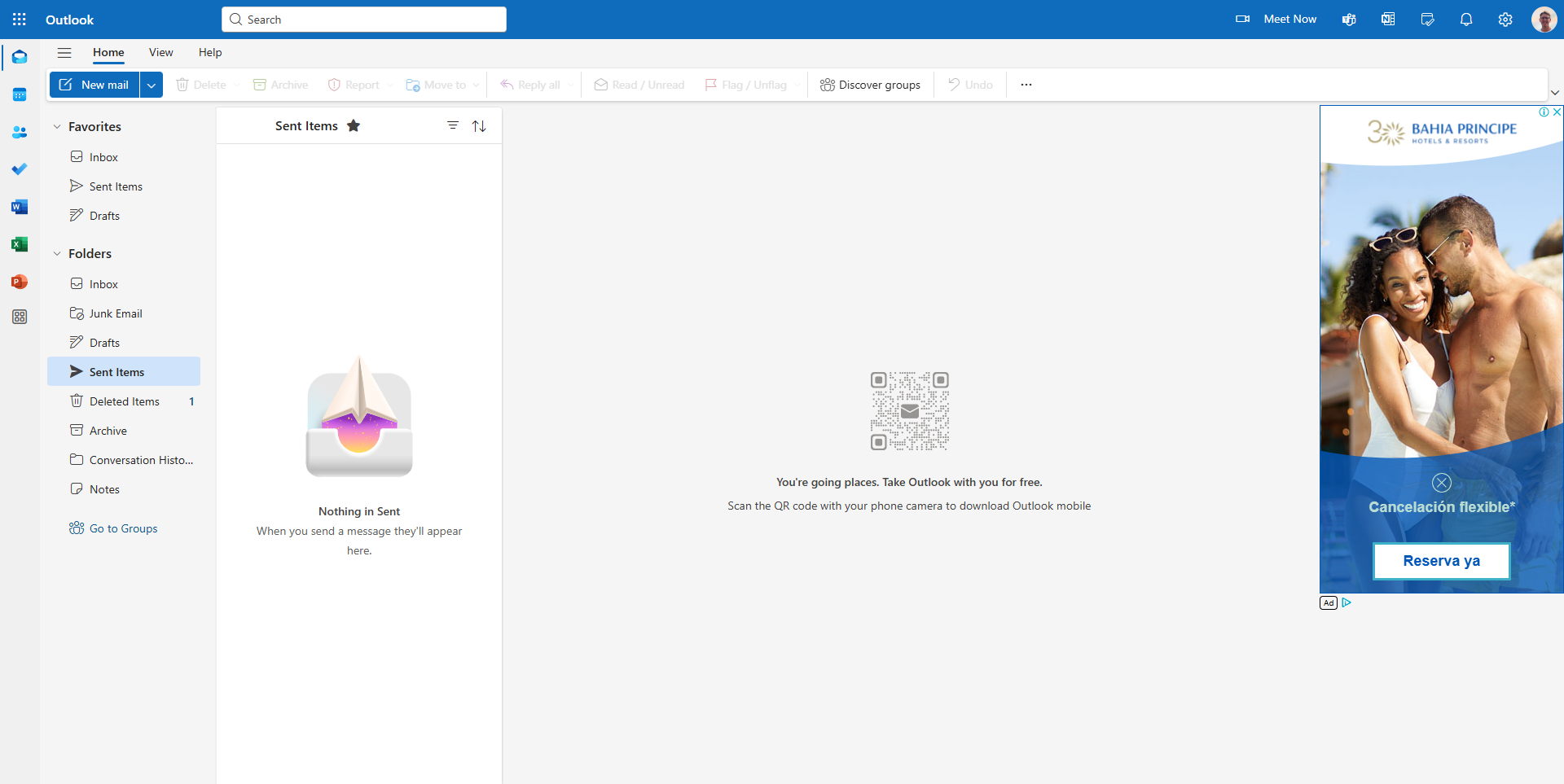
Microsoft Outlook is a comprehensive email and productivity tool that combines email, calendar, tasks, and integrations with Microsoft Office tools like Teams and OneDrive. It enhances efficiency with its filter options, shared calendar collaboration, task management, and robust security features. Designers benefit from its file-sharing capabilities, while developers enjoy its integration with tools. Marketers can leverage its multi-calendar view for streamlined scheduling compared to Google Workspace or Gmail, which offer simpler UI but fewer integrations. However, Outlook’s UI can feel cluttered, and pricing is higher (up to 29% above competitors). Customer support is reliable but less intuitive compared to alternatives. Overall, it’s cost-effective for professionals prioritizing collaboration.