Project management tools like , Notion, Basecamp, Lark, Slack, Asana and Trello.
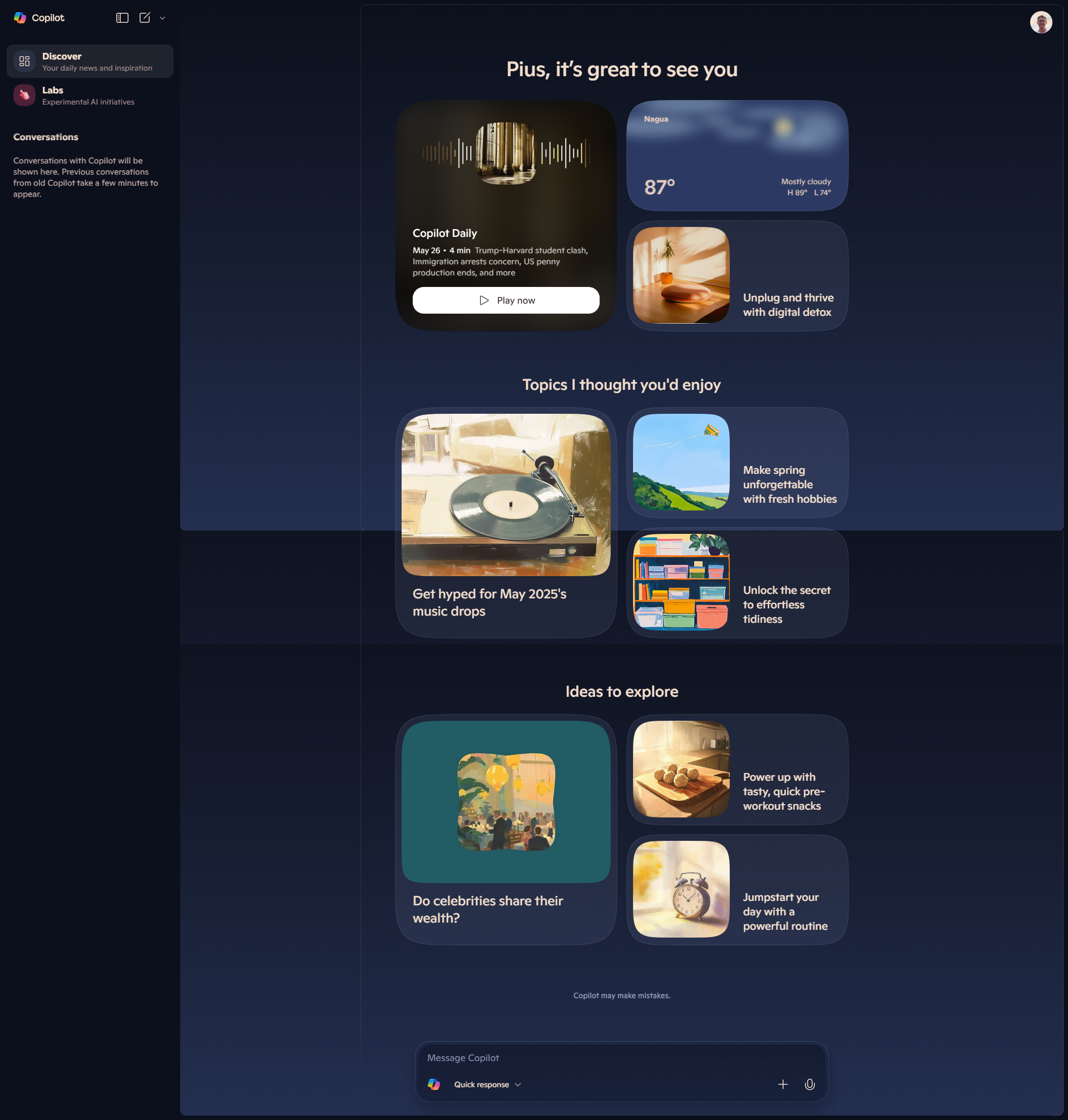
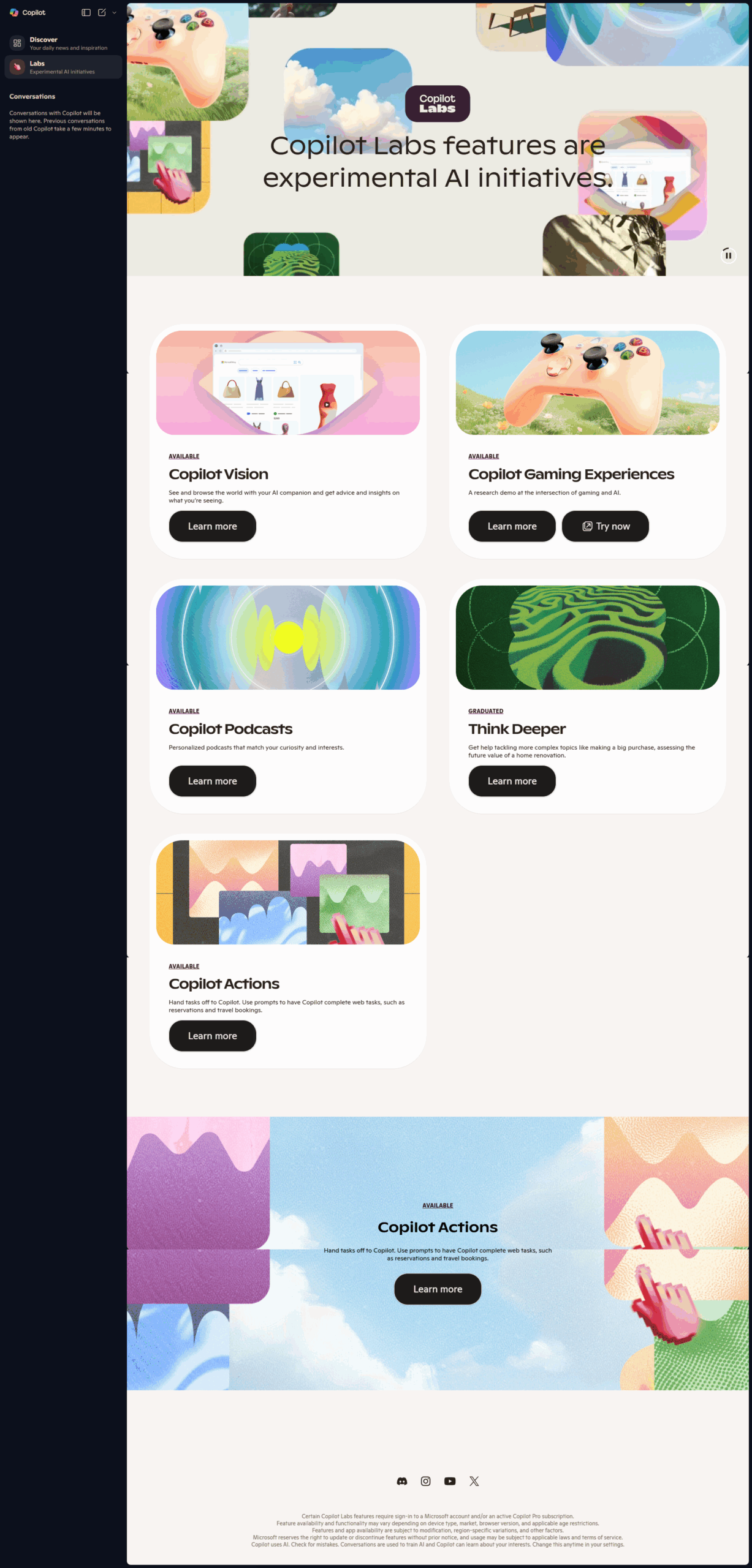
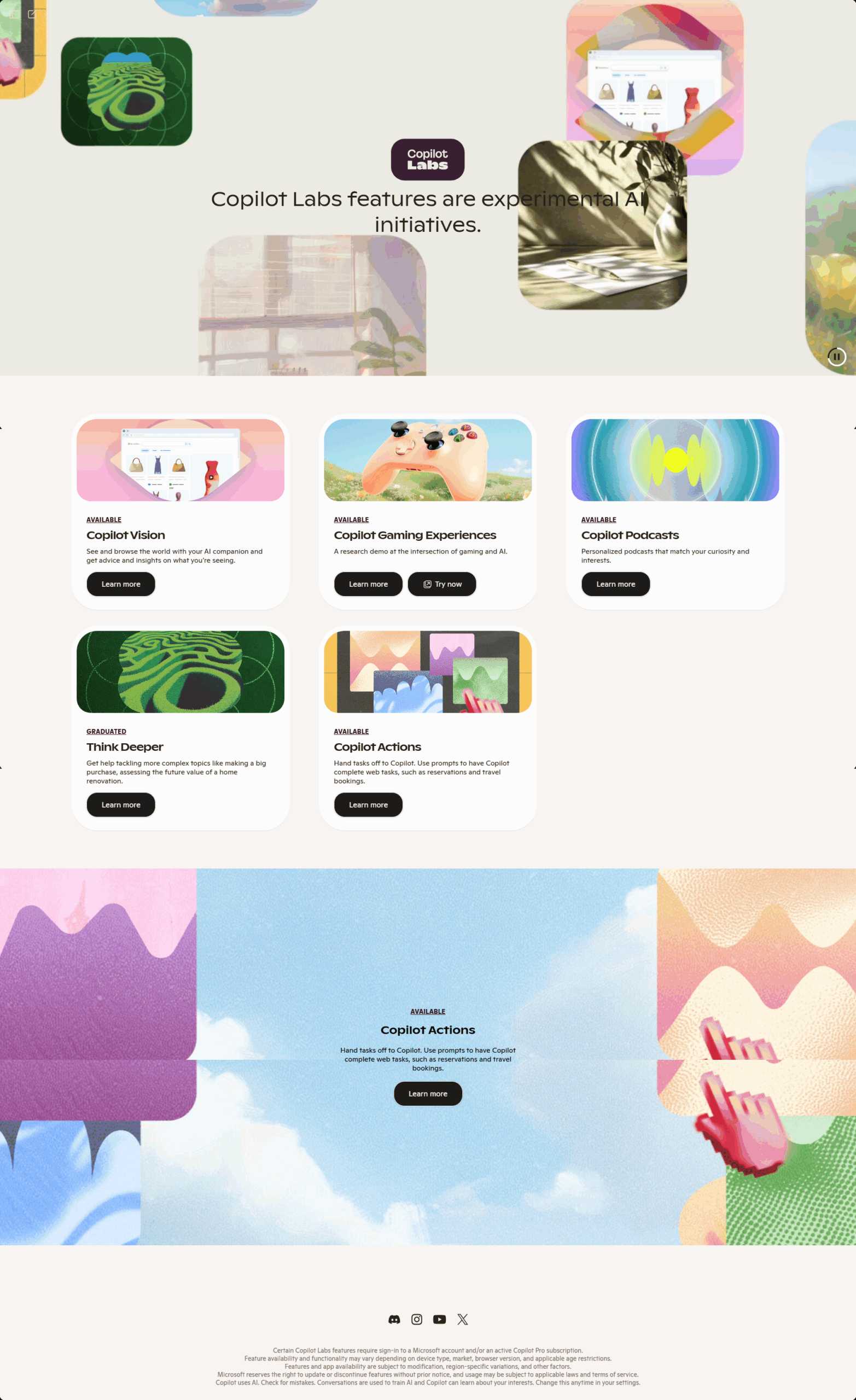
AI chatbot tools like ChatGPT, Grok, Perplexity, Claude, Gemini and Copilot.
Marketing analytics platforms like Google Analytics, Similarweb and Semrush.
CRM systems like HubSpot, Apollo.io Pipedrive, Zoho CRM, and Salesforce.
VPNs, SSO providers, and password managers like NordVPN, Okta, and LastPass.
Email marketing and campaign tools like MailerLite, Instantly, and Mailchimp.
Website builders, hosting tools like Hostinger, Webflow, Framer, and Shopify
HR and recruiting software like ATS platforms, BambooHR, Workday, and Lever.
Automate finances with confidence like Quickbooks, Stripe, Brex, and Mercury.
Design and editing tools like Figma, Canva, Adobe Creative Cloud, CapCut.
Workflow automation tools like Zapier, Make, Clay, and Reclaim.ai.
No-code and AI-native dev tools like Cursor, Windsurf, Lovable and Bubble.

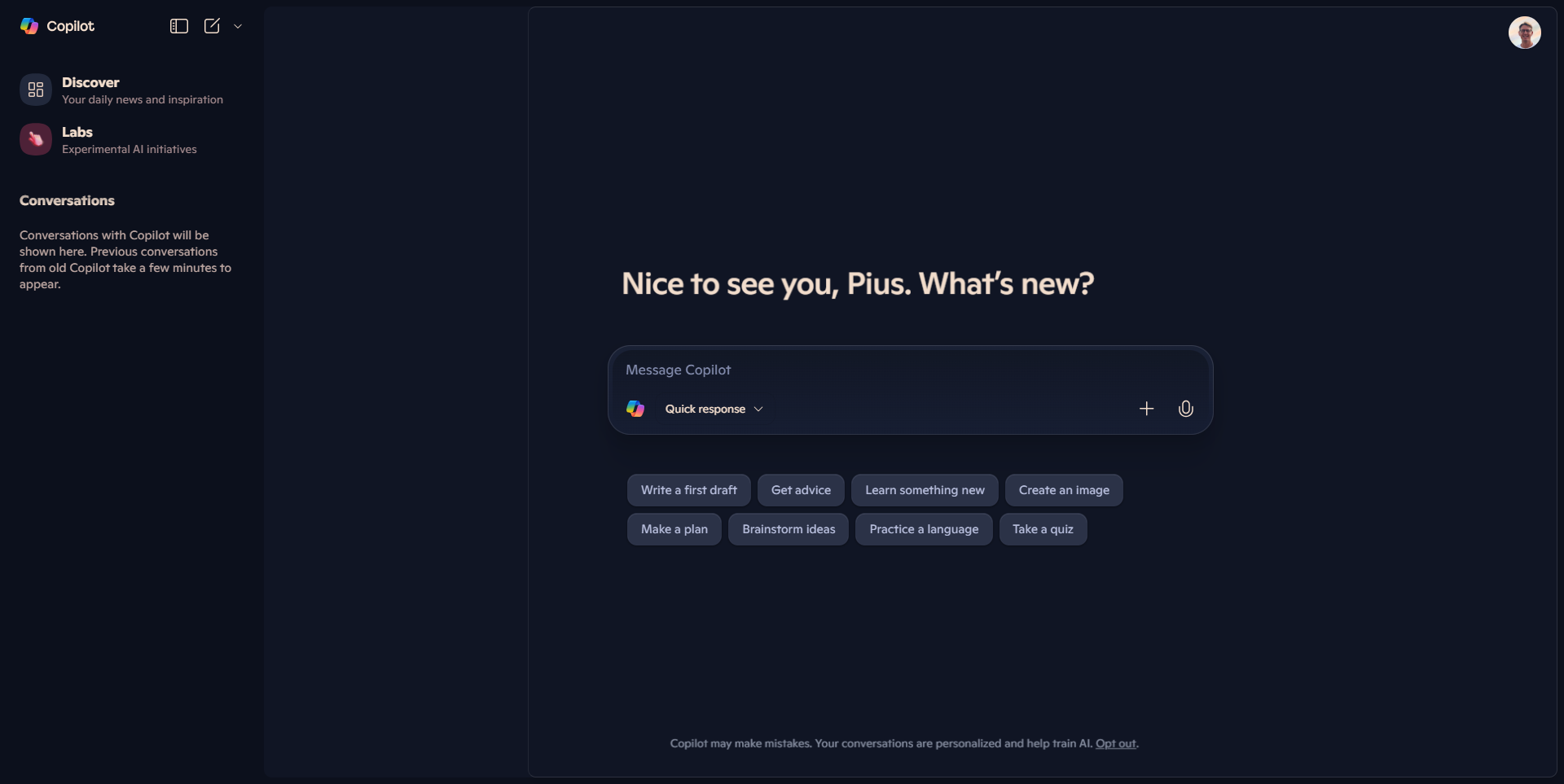
Microsoft Copilot leverages AI to integrate seamlessly with Microsoft 365 apps like Word, Excel, and Teams, enhancing productivity through intelligent suggestions, automation, and task assistance. Its standout features include natural language processing, creative content generation, and integration with enterprise data. Best for developers (coding aid), marketers (content creation), and analysts (data summarization).
Compared to tools like ChatGPT or IBM Watson, Copilot excels with Microsoft ecosystem integration but can be pricey and occasionally less versatile. While ChatGPT may offer broader creative applications and IBM Watson specializes in deep conversational AI, Copilot is ideal for Microsoft 365 dependency.
Customer support is reliable but can lag in updates. Cost-effectiveness is high for enterprises using Microsoft tools but less so for standalone users or small businesses.
ChatGPT Overview:
ChatGPT is an AI-driven chatbot offering natural conversational abilities, complex query handling, and creative content generation for diverse use cases like content creation, coding assistance, and marketing strategies. Strengths include cross-platform compatibility and an intuitive interface, ideal for designers, developers, and marketers. While subscription pricing is slightly above average, its output quality and adaptability justify the cost.
Comparison with Alternatives:
Tools like Gemini or Writesonic focus on niches like content generation but may lack ChatGPT’s conversational depth and adaptability. However, specific tools may excel in unique features (e.g., Writesonic’s long-form content skills). ChatGPT is more versatile but less specialized in these cases.
Cost-Effectiveness & Support:
Though pricier, ChatGPT’s responsive interface and frequent updates ensure strong ROI. However, support could improve based on user feedback referencing occasional latency or limited customer resolution capabilities.
Pros: High adaptability, cross-industry utility, deep integration options.
Cons: Limited real-time data, occasional inaccuracies.