Project management tools like , Notion, Basecamp, Lark, Slack, Asana and Trello.
AI chatbot tools like ChatGPT, Grok, Perplexity, Claude, Gemini and Copilot.
Marketing analytics platforms like Google Analytics, Similarweb and Semrush.
CRM systems like HubSpot, Apollo.io Pipedrive, Zoho CRM, and Salesforce.
VPNs, SSO providers, and password managers like NordVPN, Okta, and LastPass.
Email marketing and campaign tools like MailerLite, Instantly, and Mailchimp.
Website builders, hosting tools like Hostinger, Webflow, Framer, and Shopify
HR and recruiting software like ATS platforms, BambooHR, Workday, and Lever.
Automate finances with confidence like Quickbooks, Stripe, Brex, and Mercury.
Design and editing tools like Figma, Canva, Adobe Creative Cloud, CapCut.
Workflow automation tools like Zapier, Make, Clay, and Reclaim.ai.
No-code and AI-native dev tools like Cursor, Windsurf, Lovable and Bubble.

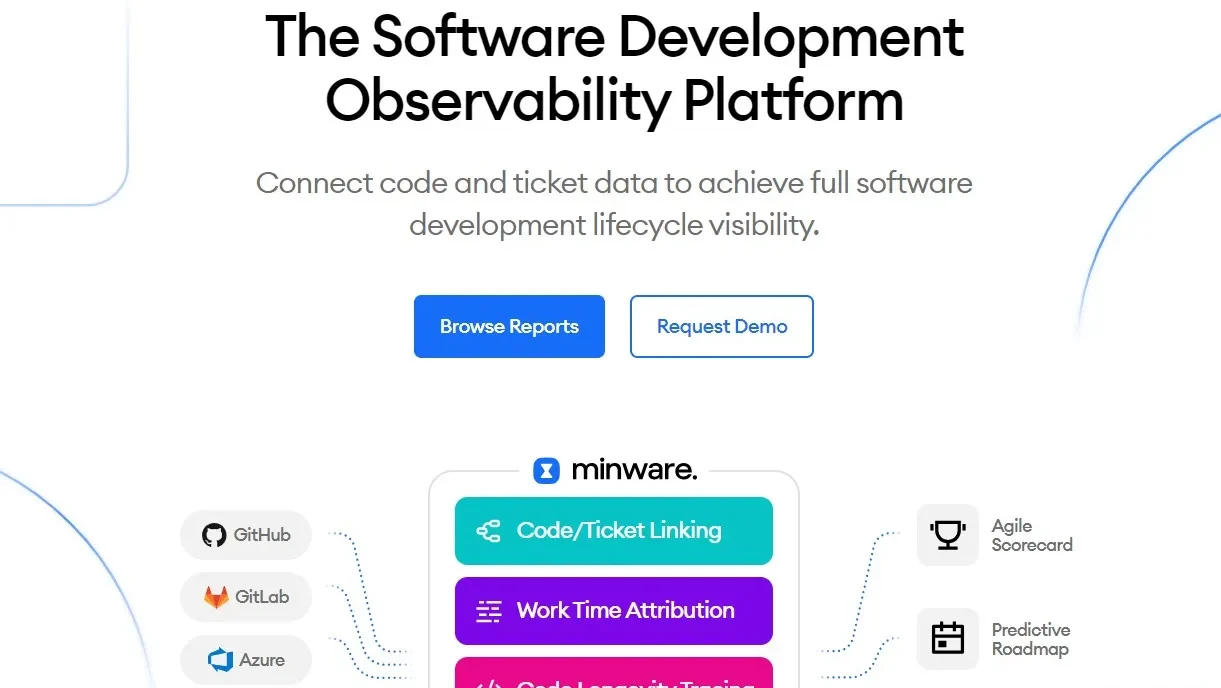
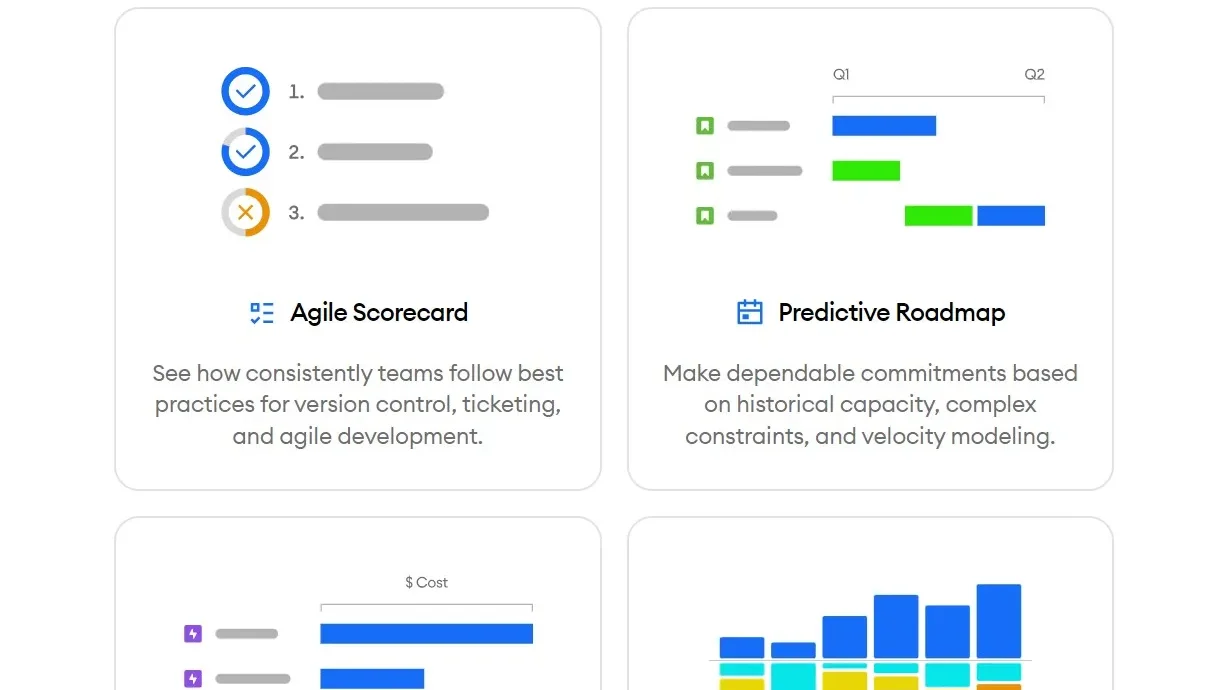
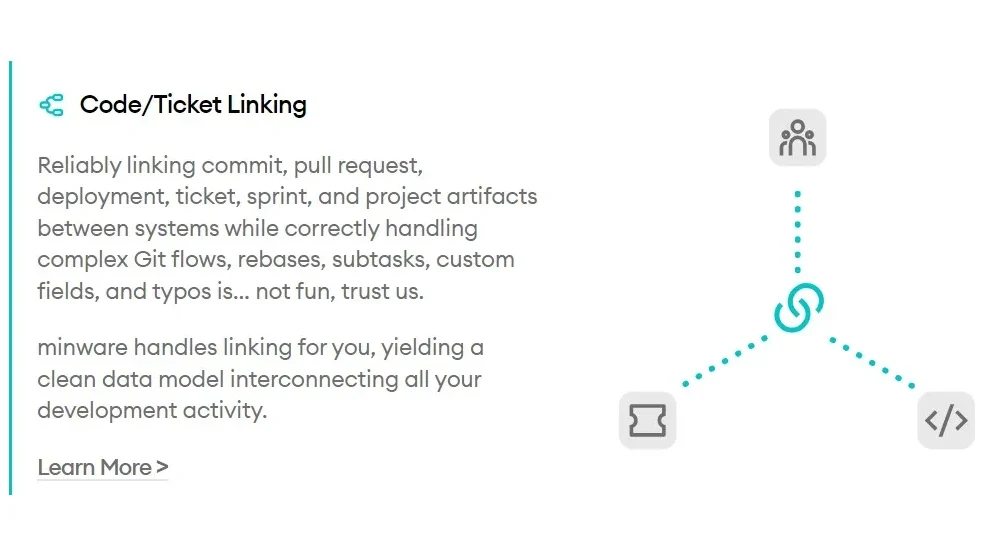
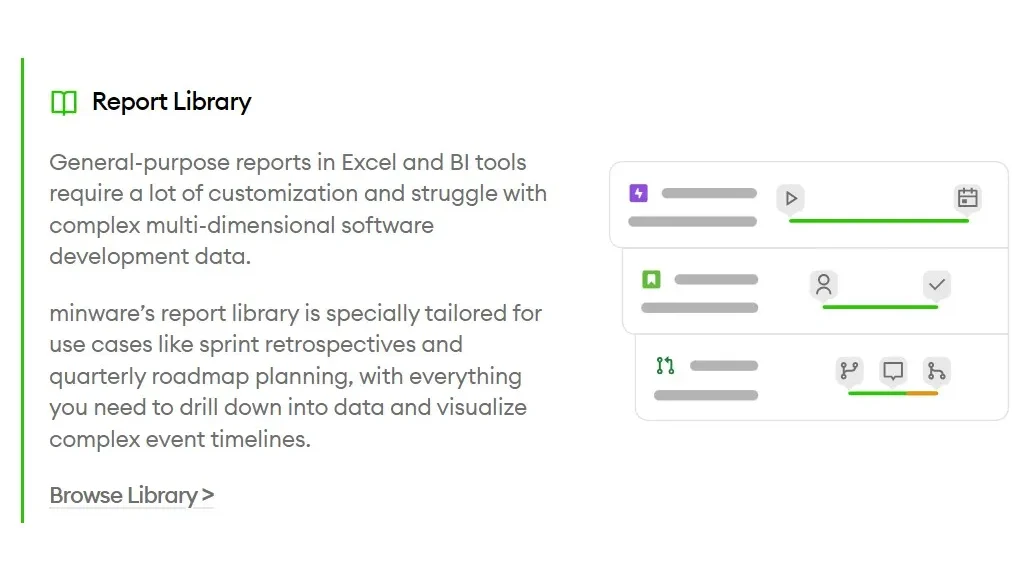
Minware is a software development analytics platform designed for developers and engineering managers to enhance productivity, predictability, and SDLC visibility. It integrates data from ticketing systems, version control, and more, offering customizable, code-free reporting and insights. Competing tools like Jellyfish or Swarmia focus on similar analytics but may lack the depth of integration or user-oriented customizability Minware provides.
Pros:
Cons:
Pricing: A free tier offers core features for up to 5 contributors, a $25/user Business plan expands capabilities, and enterprise customization requires a custom quote.
Customer support: Offers email, Slack, and dedicated agents for premium users.
In professional settings, Minware excels for developers and team leads needing end-to-end process insights but might not suit smaller marketing teams without SDLC needs. It’s cost-effective for mid-to-large teams prioritizing integration and efficiency.
Jellyfish offers two distinct tools: a budget management platform for non-finance users and an engineering management platform for developers. The budget tool simplifies project-based expense tracking with custom reports, encrypted cloud security, and user-friendly onboarding, offered at $10-$20 per project per month. The engineering tool aligns development work with business goals, supporting deeper insights for sprint planning and resource allocation.
Compared to alternatives like NetSuite or Unanet GovCon, Jellyfish excels in affordability, ease of deployment, and focus-specific features. However, its budget solution may lack the depth required by finance professionals, while the engineering platform has a steeper learning curve and slower UI at times. Both tools provide solid technical and query-based support with reasonable value-for-money, making them ideal for growing teams.