Project management tools like , Notion, Basecamp, Lark, Slack, Asana and Trello.
AI chatbot tools like ChatGPT, Grok, Perplexity, Claude, Gemini and Copilot.
Marketing analytics platforms like Google Analytics, Similarweb and Semrush.
CRM systems like HubSpot, Apollo.io Pipedrive, Zoho CRM, and Salesforce.
VPNs, SSO providers, and password managers like NordVPN, Okta, and LastPass.
Email marketing and campaign tools like MailerLite, Instantly, and Mailchimp.
Website builders, hosting tools like Hostinger, Webflow, Framer, and Shopify
HR and recruiting software like ATS platforms, BambooHR, Workday, and Lever.
Automate finances with confidence like Quickbooks, Stripe, Brex, and Mercury.
Design and editing tools like Figma, Canva, Adobe Creative Cloud, CapCut.
Workflow automation tools like Zapier, Make, Clay, and Reclaim.ai.
No-code and AI-native dev tools like Cursor, Windsurf, Lovable and Bubble.

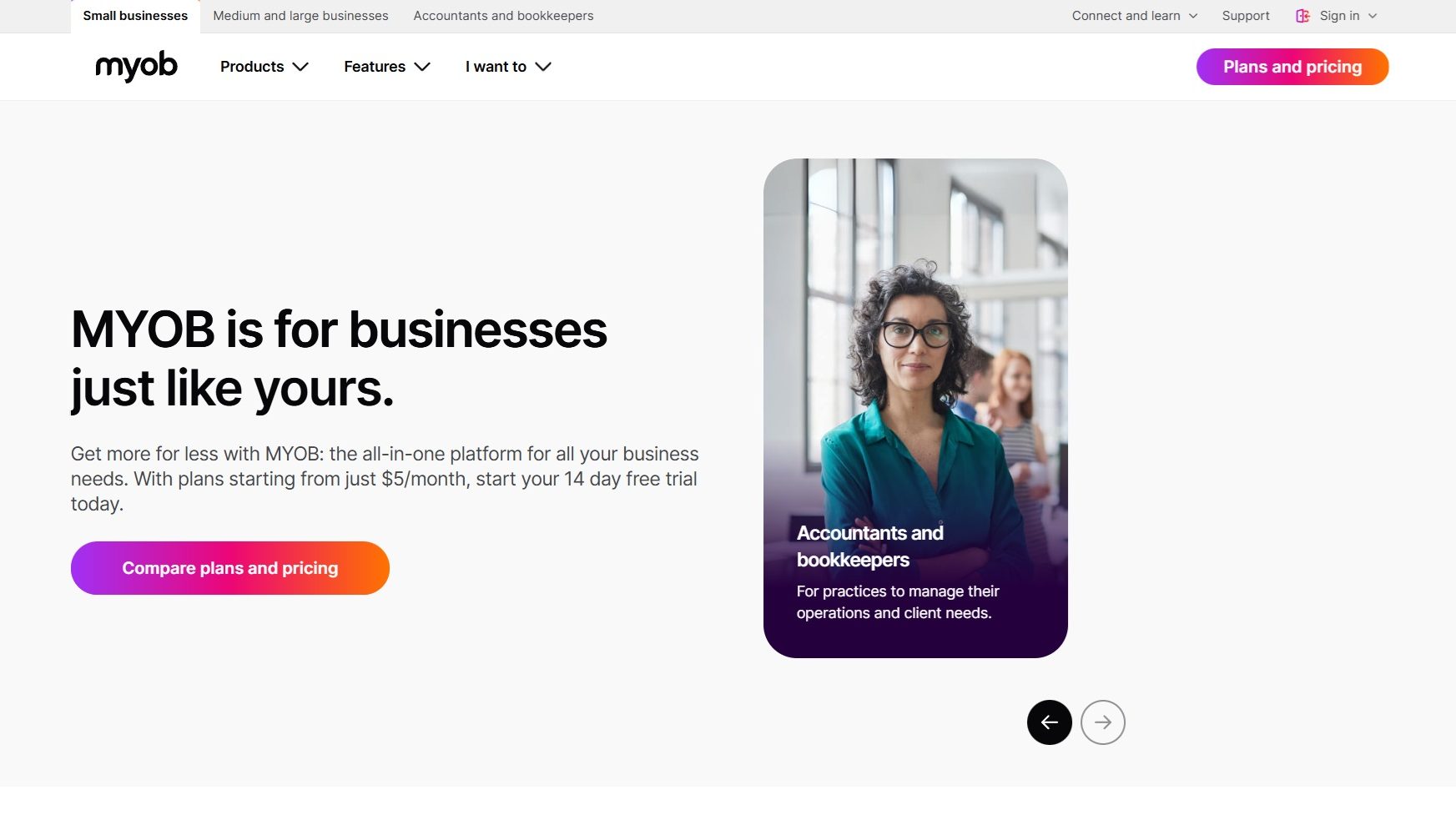
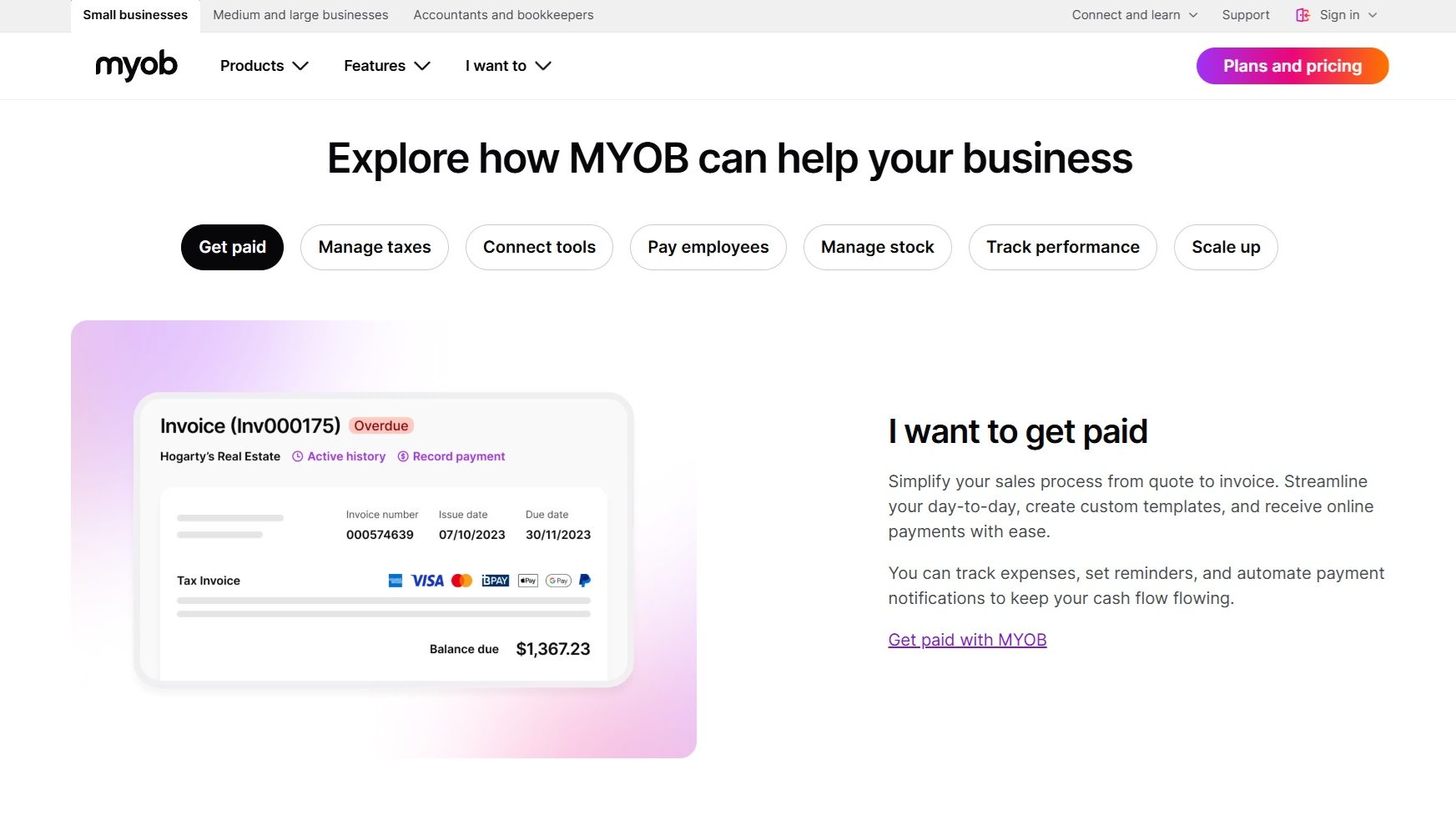
MYOB is an online accounting solution ideal for small to mid-sized businesses. It offers invoicing, expense tracking, payroll, GST/BAS reports, and real-time cash flow insights. Key features include multi-currency, inventory management, and secure cloud data access. Pricing starts at $12/month with multiple tiers available, catering to varying business scales. Pros: Advanced reporting, user access levels, and remote accessibility. Cons: Outdated UI and limited integration support. Alternatives like Xero and QuickBooks provide better usability and simpler interfaces. MYOB’s customer support can be inconsistent, but its pricing remains competitive, especially for businesses needing robust reporting features. Best suited for finance managers or mid-size operations with higher accounting needs.
ERPNext is a robust open-source ERP tool catering to SMEs in industries like manufacturing, retail, and education. It offers comprehensive modules for accounting, inventory, HR, CRM, and project management. Its flexibility and ease of customization appeal to developers and SMB managers. With options for free installation or $300/month for managed hosting, it’s affordably versatile. Compared to alternatives like NetSuite and Odoo, ERPNext excels in cost-effectiveness and customization but may lack advanced scalability for large enterprises. Support relies on a community-driven approach and partners, which could be limiting for non-technical teams.