Project management tools like , Notion, Basecamp, Lark, Slack, Asana and Trello.
AI chatbot tools like ChatGPT, Grok, Perplexity, Claude, Gemini and Copilot.
Marketing analytics platforms like Google Analytics, Similarweb and Semrush.
CRM systems like HubSpot, Apollo.io Pipedrive, Zoho CRM, and Salesforce.
VPNs, SSO providers, and password managers like NordVPN, Okta, and LastPass.
Email marketing and campaign tools like MailerLite, Instantly, and Mailchimp.
Website builders, hosting tools like Hostinger, Webflow, Framer, and Shopify
HR and recruiting software like ATS platforms, BambooHR, Workday, and Lever.
Automate finances with confidence like Quickbooks, Stripe, Brex, and Mercury.
Design and editing tools like Figma, Canva, Adobe Creative Cloud, CapCut.
Workflow automation tools like Zapier, Make, Clay, and Reclaim.ai.
No-code and AI-native dev tools like Cursor, Windsurf, Lovable and Bubble.

Nextcloud is a robust open-source collaboration and file-sharing platform ideal for businesses prioritizing privacy and control. Key features include secure file sharing, on-premise hosting, integration with over 200 apps, and tools like calendars, task management, and video calls. Tailored for developers, SMBs, and data-privacy-focused organizations, it offers three pricing tiers starting at €1900/50 users/year. Compared to alternatives like Google Drive or OneDrive, Nextcloud excels in data ownership but may require IT expertise for setup. Customer support ranges from email to premium 24/7. Highly cost-effective for scalable solutions.
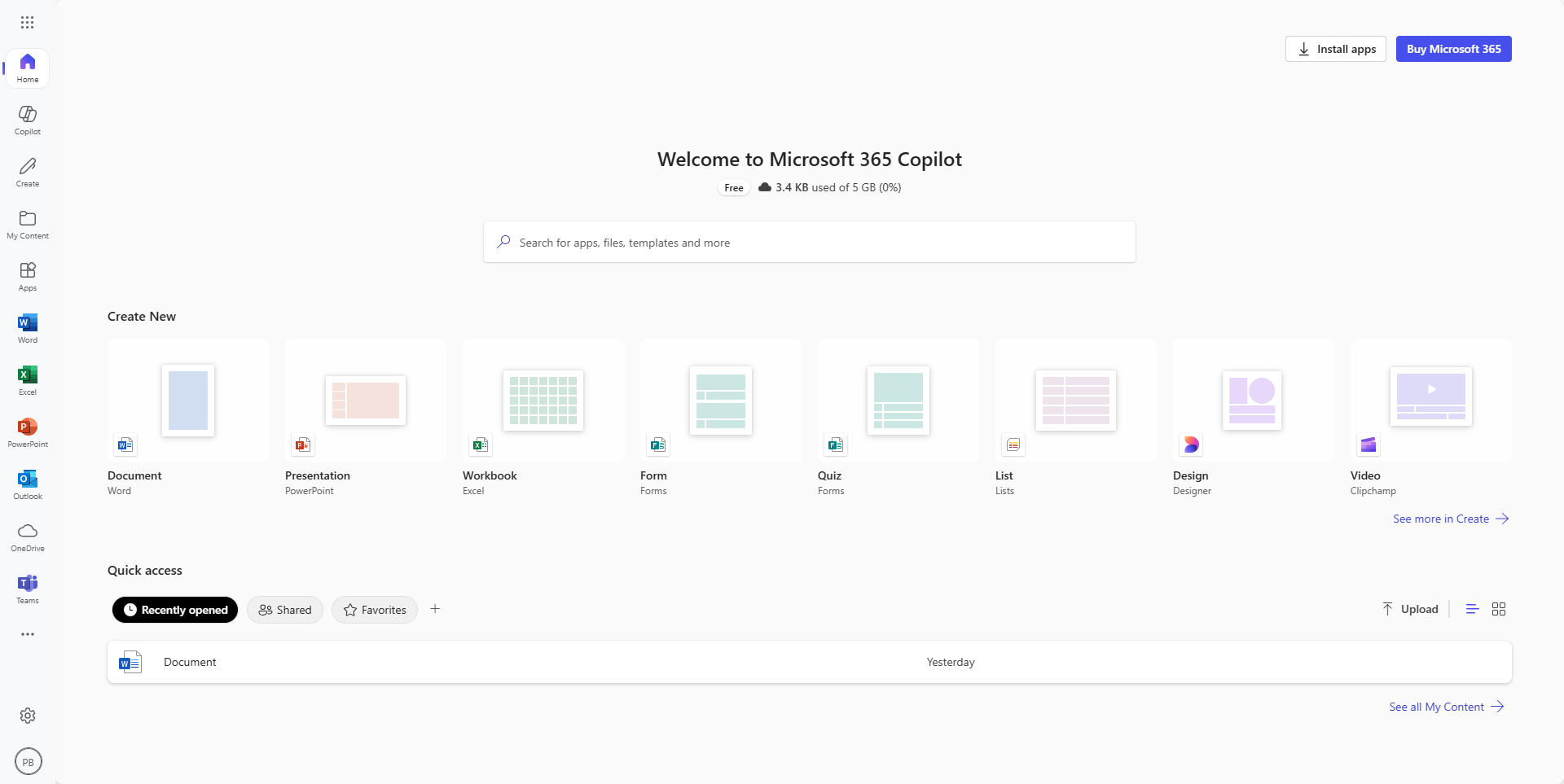
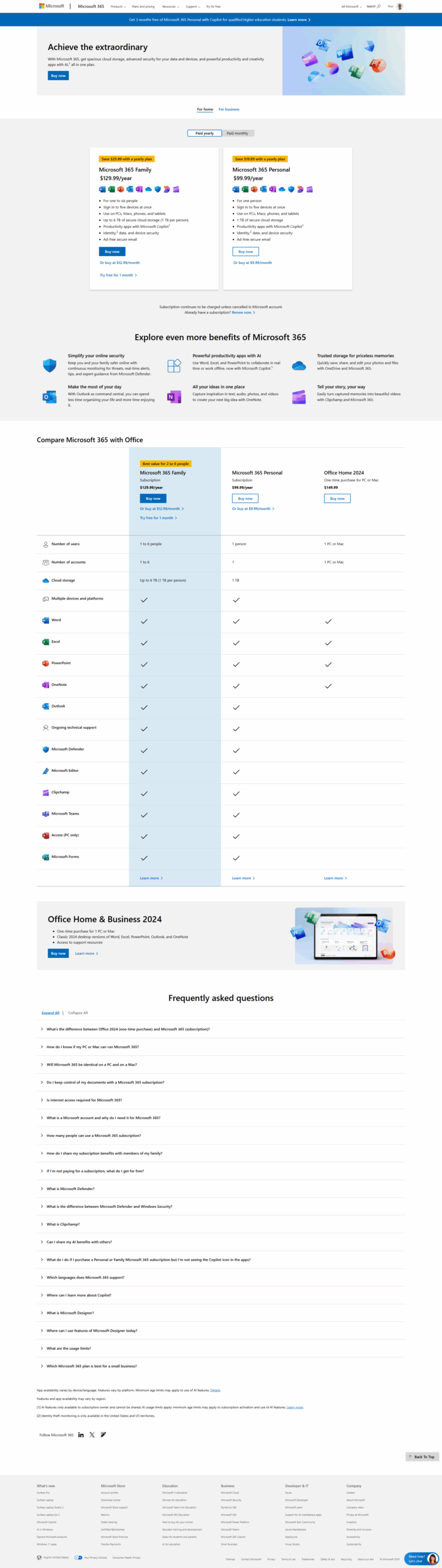
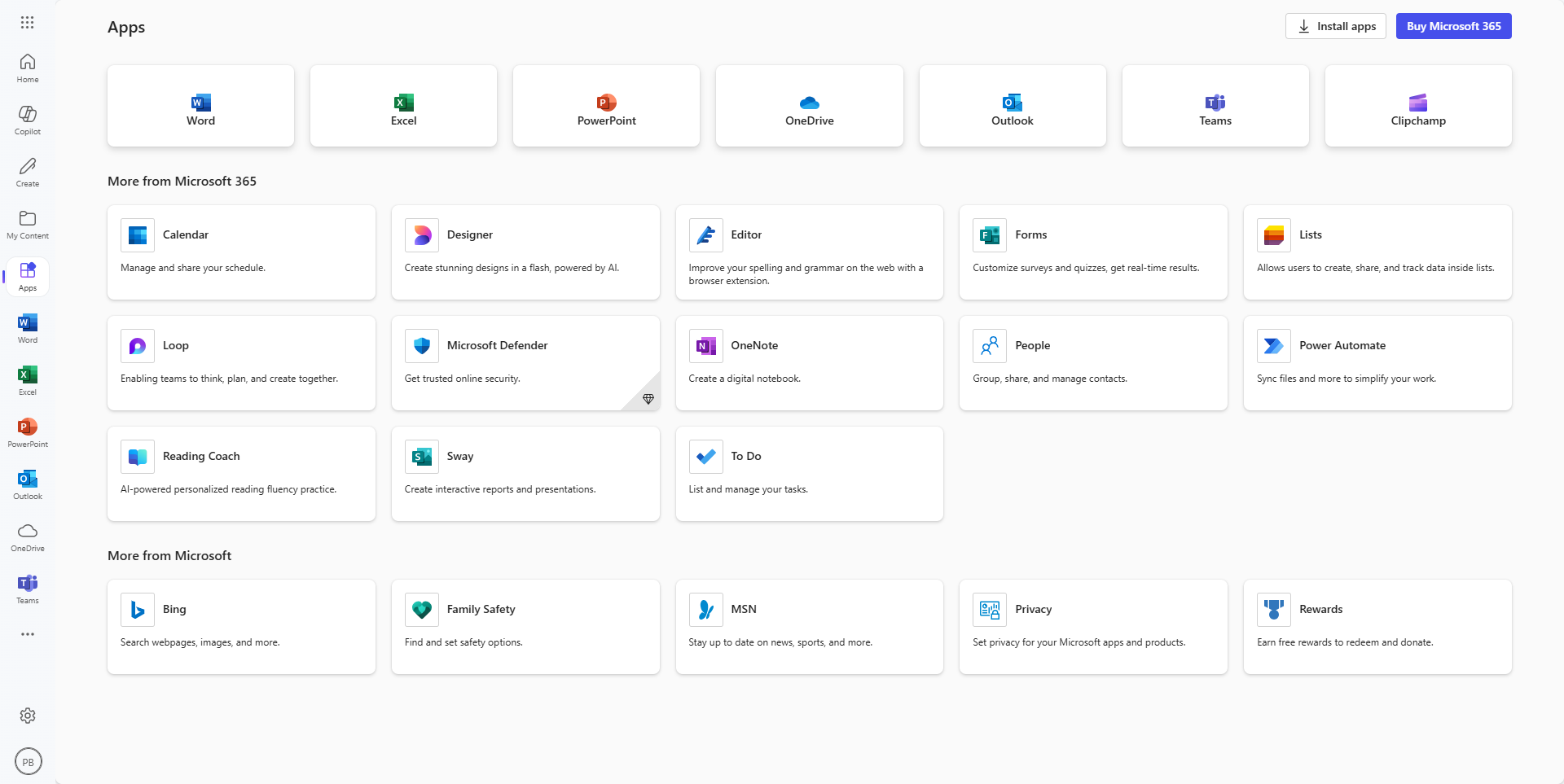
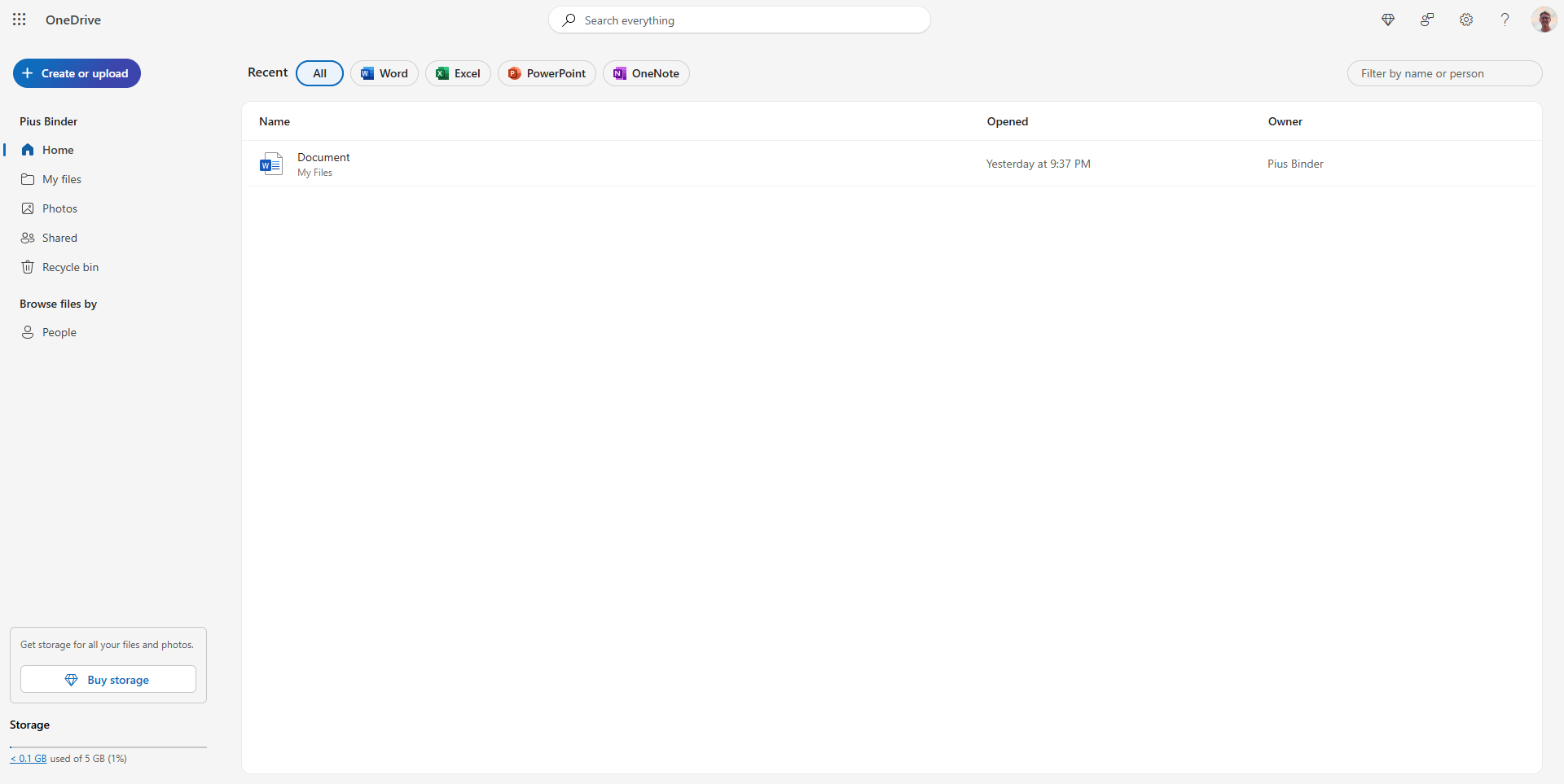
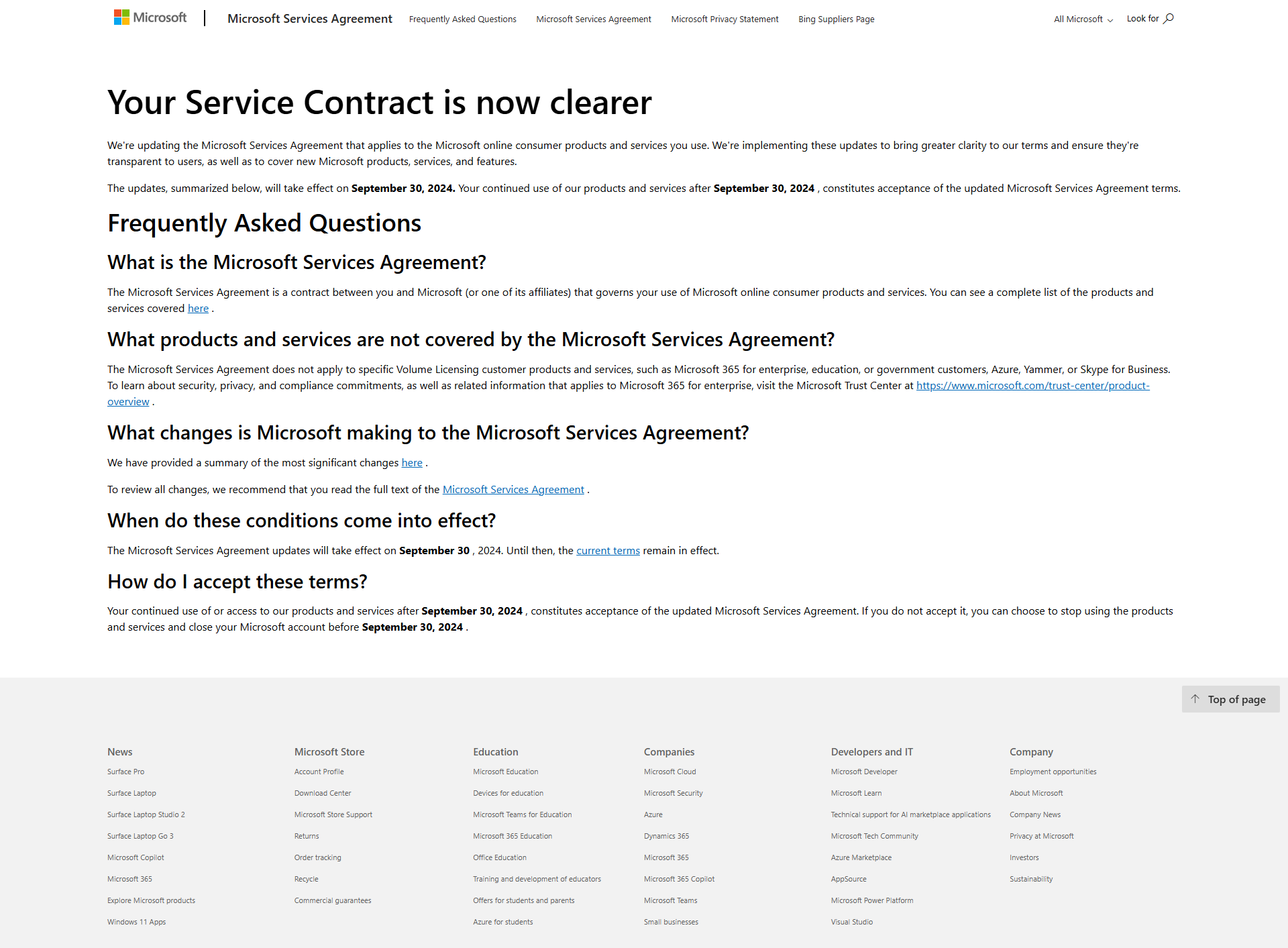
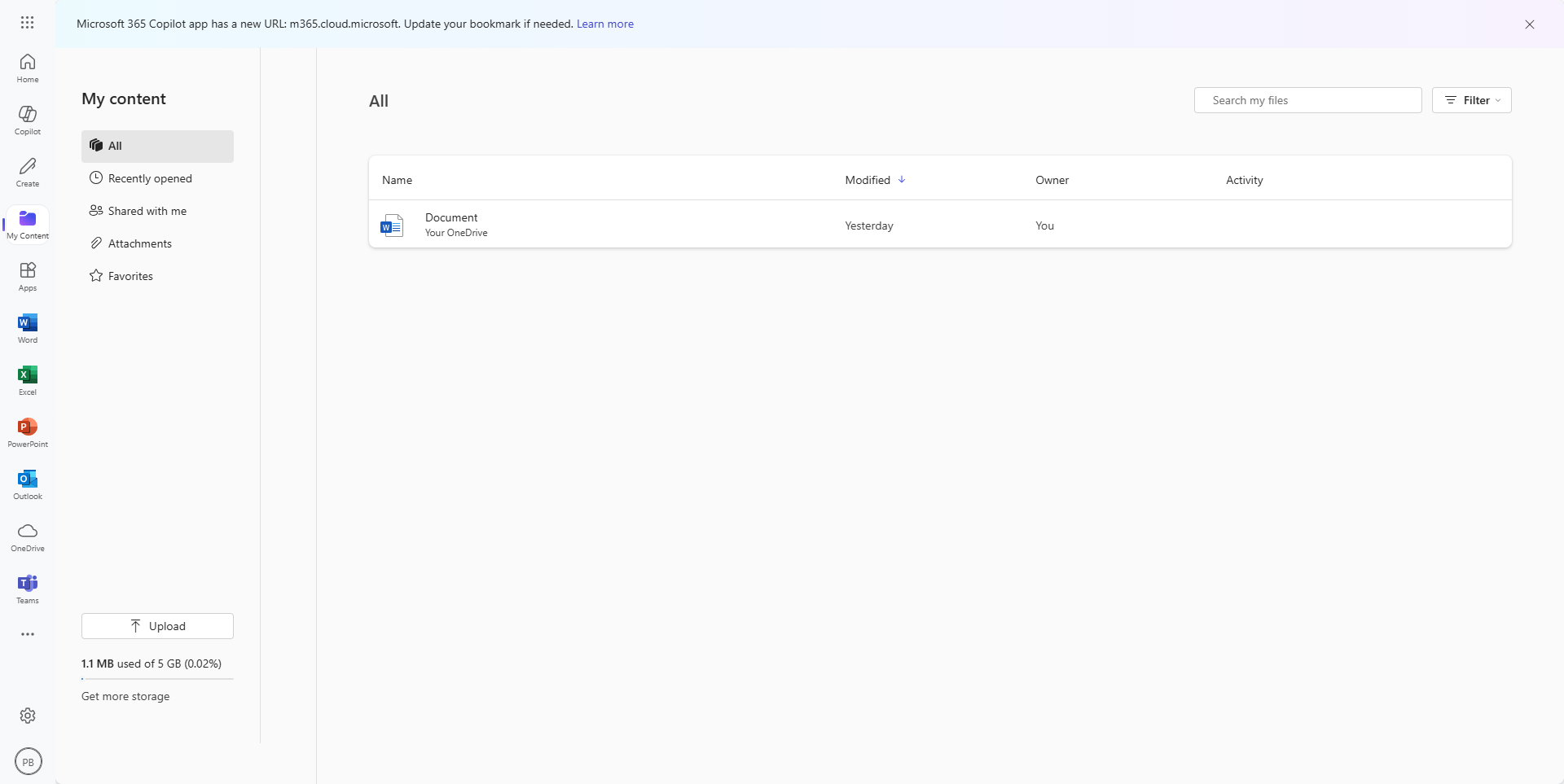
Microsoft 365 is a cloud-based productivity suite offering versatile tools like Word, Excel, Teams, and Outlook. Key features include real-time collaboration, 1TB storage with OneDrive, and enterprise-grade security. Its intuitive design and extensive integrations cater well to remote teams and collaborative projects. Plans range from $6 for Business Basic to $22 for Premium per month.
Compared to Google Workspace, Microsoft 365 excels in advanced tools for enterprise users but has a steeper learning curve and higher costs. Designers may favor Google’s simplicity, while developers and marketers benefit from Microsoft’s robust features like Excel analytics or Teams.
Microsoft 365’s customer support is reliable, though advanced issue resolution may require IT expertise. Its cost-effectiveness improves for larger organizations due to bundled services and regular updates.