Project management tools like , Notion, Basecamp, Lark, Slack, Asana and Trello.
AI chatbot tools like ChatGPT, Grok, Perplexity, Claude, Gemini and Copilot.
Marketing analytics platforms like Google Analytics, Similarweb and Semrush.
CRM systems like HubSpot, Apollo.io Pipedrive, Zoho CRM, and Salesforce.
VPNs, SSO providers, and password managers like NordVPN, Okta, and LastPass.
Email marketing and campaign tools like MailerLite, Instantly, and Mailchimp.
Website builders, hosting tools like Hostinger, Webflow, Framer, and Shopify
HR and recruiting software like ATS platforms, BambooHR, Workday, and Lever.
Automate finances with confidence like Quickbooks, Stripe, Brex, and Mercury.
Design and editing tools like Figma, Canva, Adobe Creative Cloud, CapCut.
Workflow automation tools like Zapier, Make, Clay, and Reclaim.ai.
No-code and AI-native dev tools like Cursor, Windsurf, Lovable and Bubble.

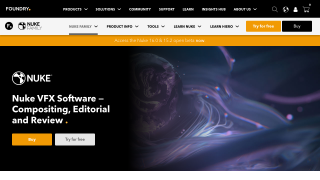
Nuke is a professional node-based compositing and VFX tool, widely used in the film and TV industry for its robust 3D environment, advanced rotoscoping, and motion tracking features. Tailored for VFX artists and studios, it integrates seamlessly with production pipelines and supports a range of file formats. Pricing starts at £399/year for Nuke Indie, up to £8,358/year for Nuke Studio, which includes advanced multi-shot management.
Compared to tools like Adobe After Effects (layer-based), Nuke excels in handling complex projects with precise control, but its steep learning curve and high cost limit accessibility for smaller teams or beginners. Its customizable workflows surpass Unreal Engine or Unity for compositing, though Nuke lacks in 3D modeling features. Customer support and a robust community assist professionals, though pricing may not appeal to casual users, making it cost-effective primarily for high-level production use.