Project management tools like , Notion, Basecamp, Lark, Slack, Asana and Trello.
AI chatbot tools like ChatGPT, Grok, Perplexity, Claude, Gemini and Copilot.
Marketing analytics platforms like Google Analytics, Similarweb and Semrush.
CRM systems like HubSpot, Apollo.io Pipedrive, Zoho CRM, and Salesforce.
VPNs, SSO providers, and password managers like NordVPN, Okta, and LastPass.
Email marketing and campaign tools like MailerLite, Instantly, and Mailchimp.
Website builders, hosting tools like Hostinger, Webflow, Framer, and Shopify
HR and recruiting software like ATS platforms, BambooHR, Workday, and Lever.
Automate finances with confidence like Quickbooks, Stripe, Brex, and Mercury.
Design and editing tools like Figma, Canva, Adobe Creative Cloud, CapCut.
Workflow automation tools like Zapier, Make, Clay, and Reclaim.ai.
No-code and AI-native dev tools like Cursor, Windsurf, Lovable and Bubble.

Packagecloud is a hosted package repository service ideal for developers requiring simplified distribution of artifacts across Node.js, Debian, RPM, and more. It offers seamless integration with CI/CD tools, API, and CLI support, ensuring robust performance and minimal downtime. Pricing starts at $89/month, scaling with storage and user needs. While alternatives like GitLab or GitHub may suit broader use cases, Packagecloud excels in package-specific management and supply chain security. Its standout customer support complements its value for niche users managing Linux repos at scale. The CLI could use further enhancements for specific functionalities. Cost-effective for specialized needs, it is less versatile than broader repository tools.
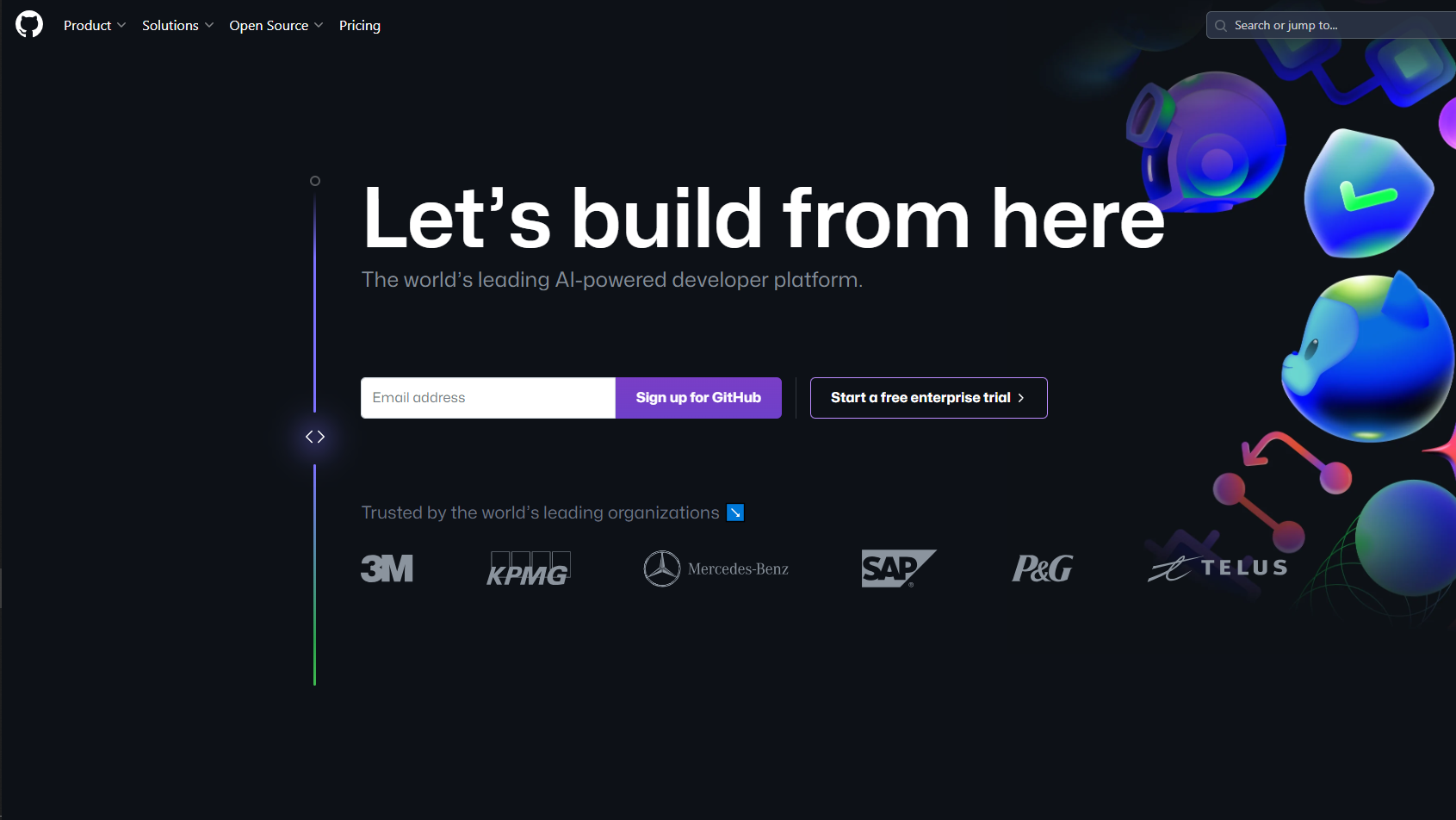
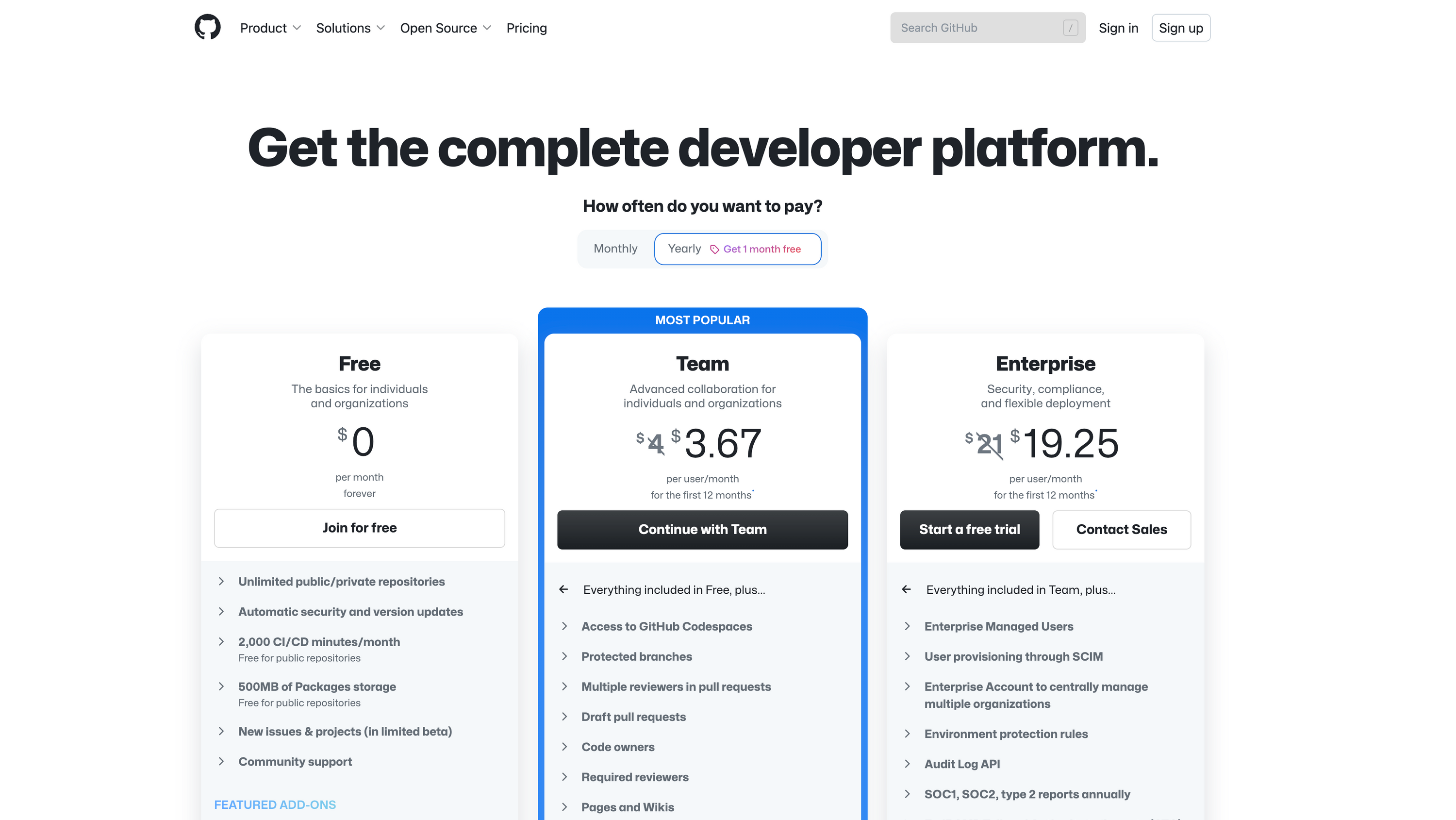
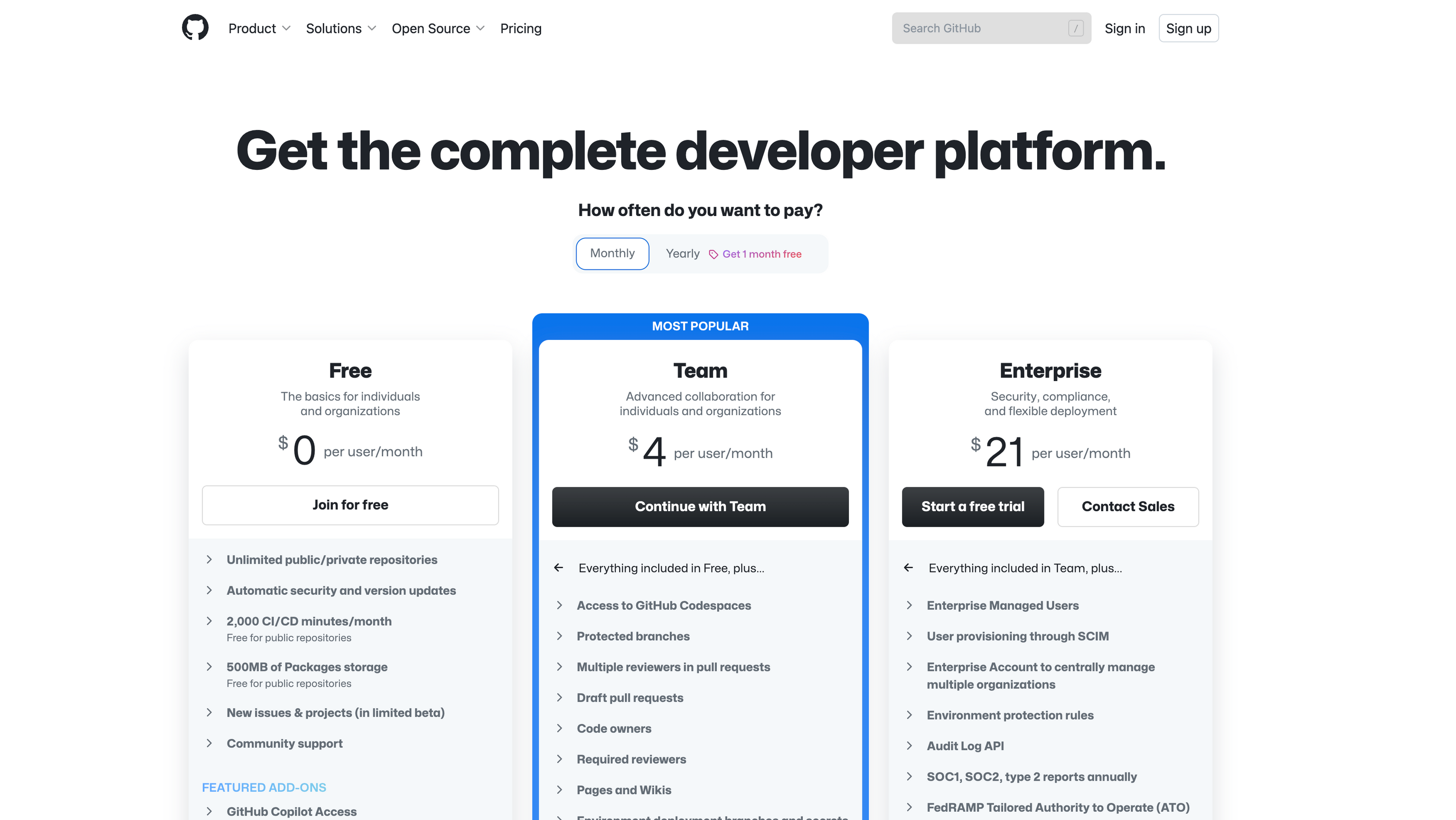
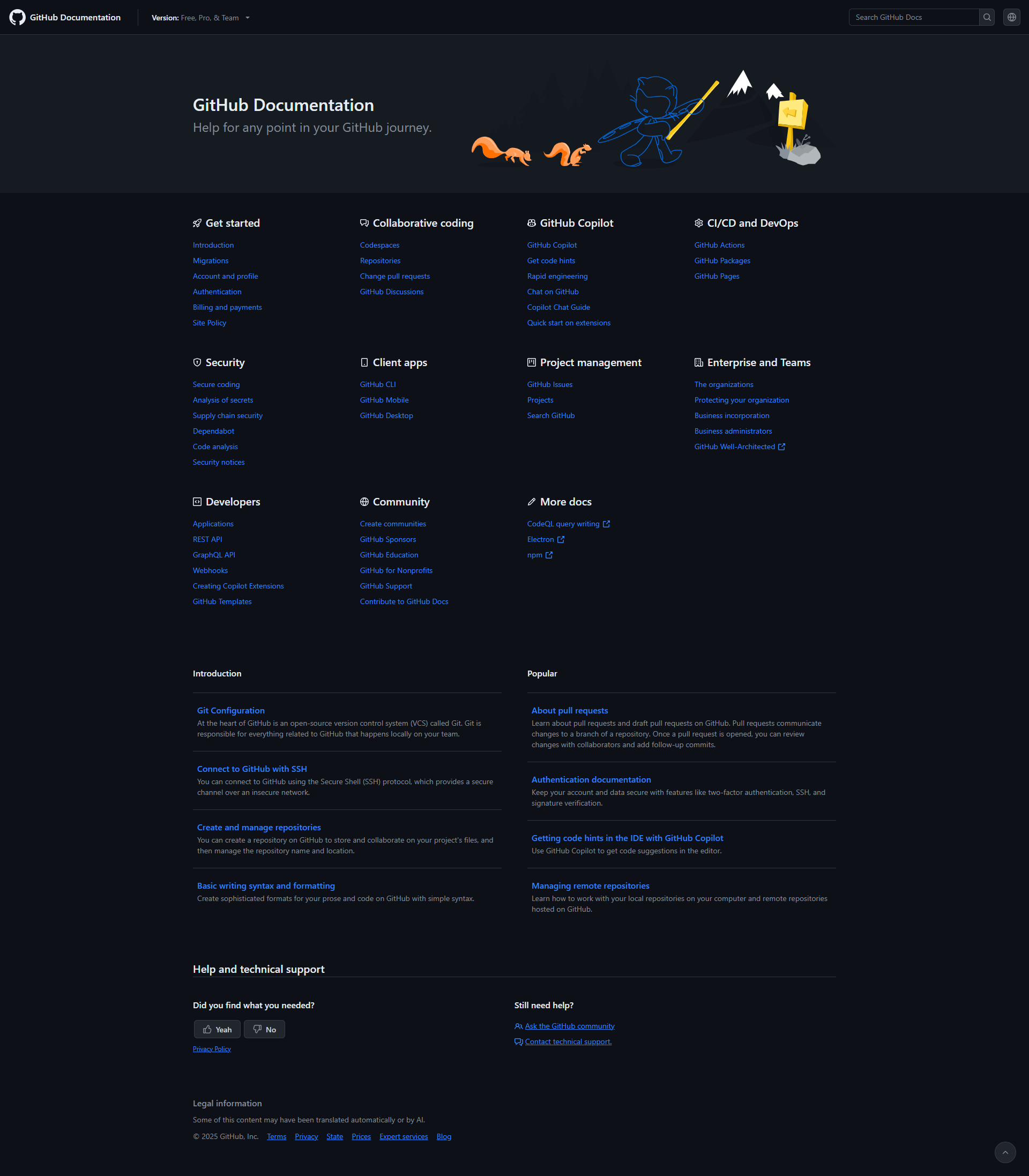
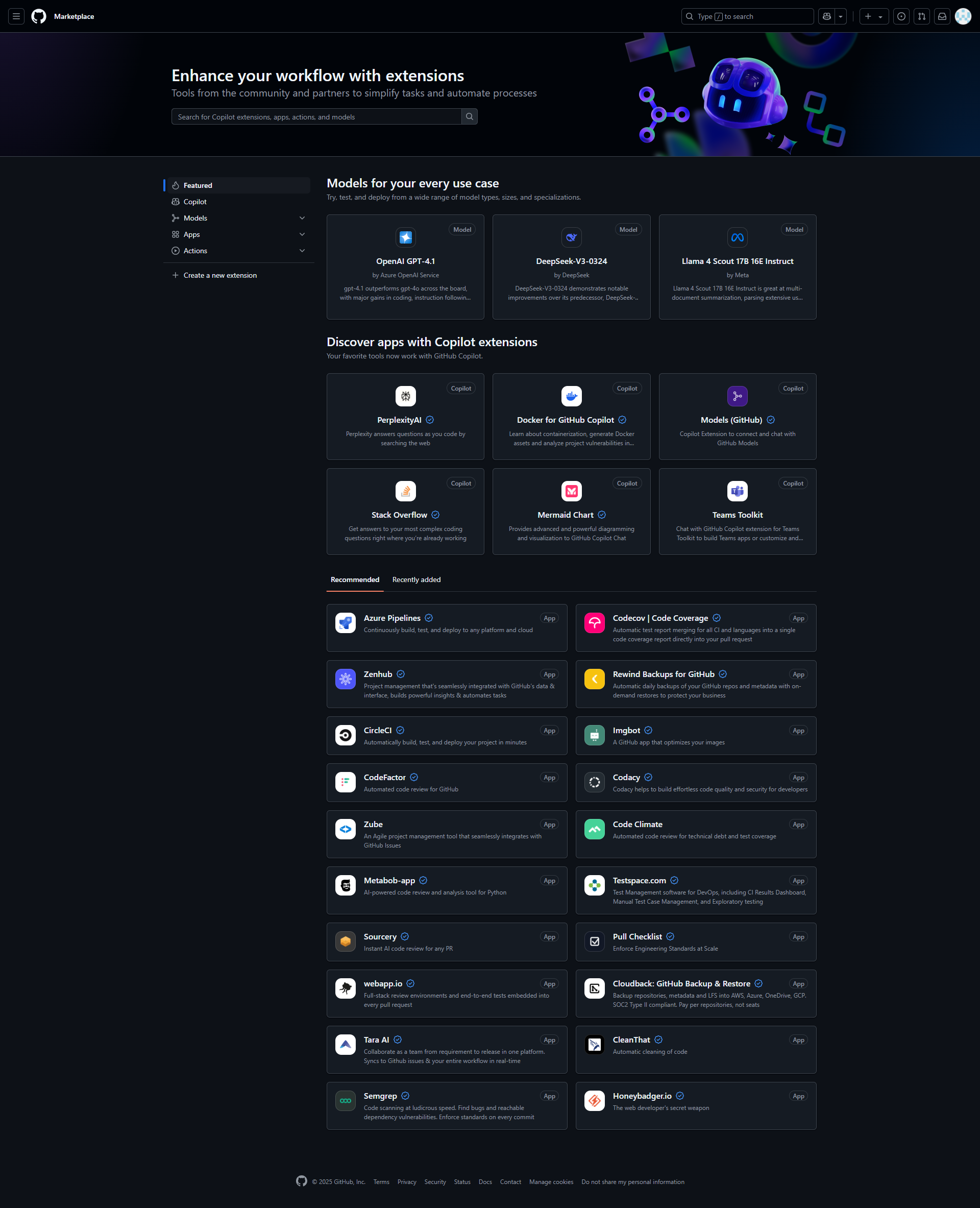
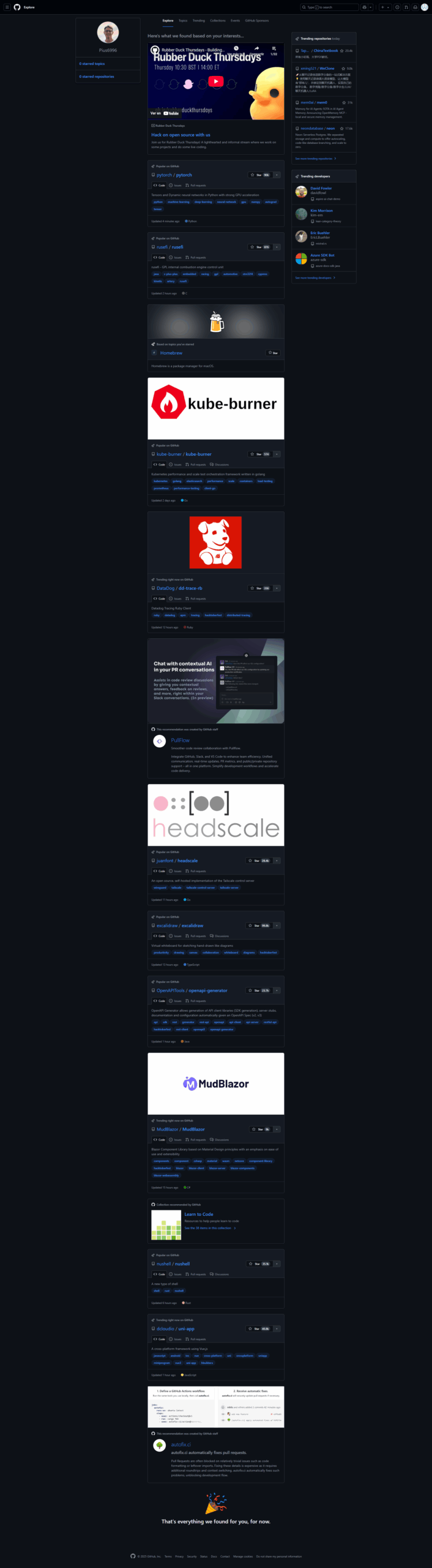
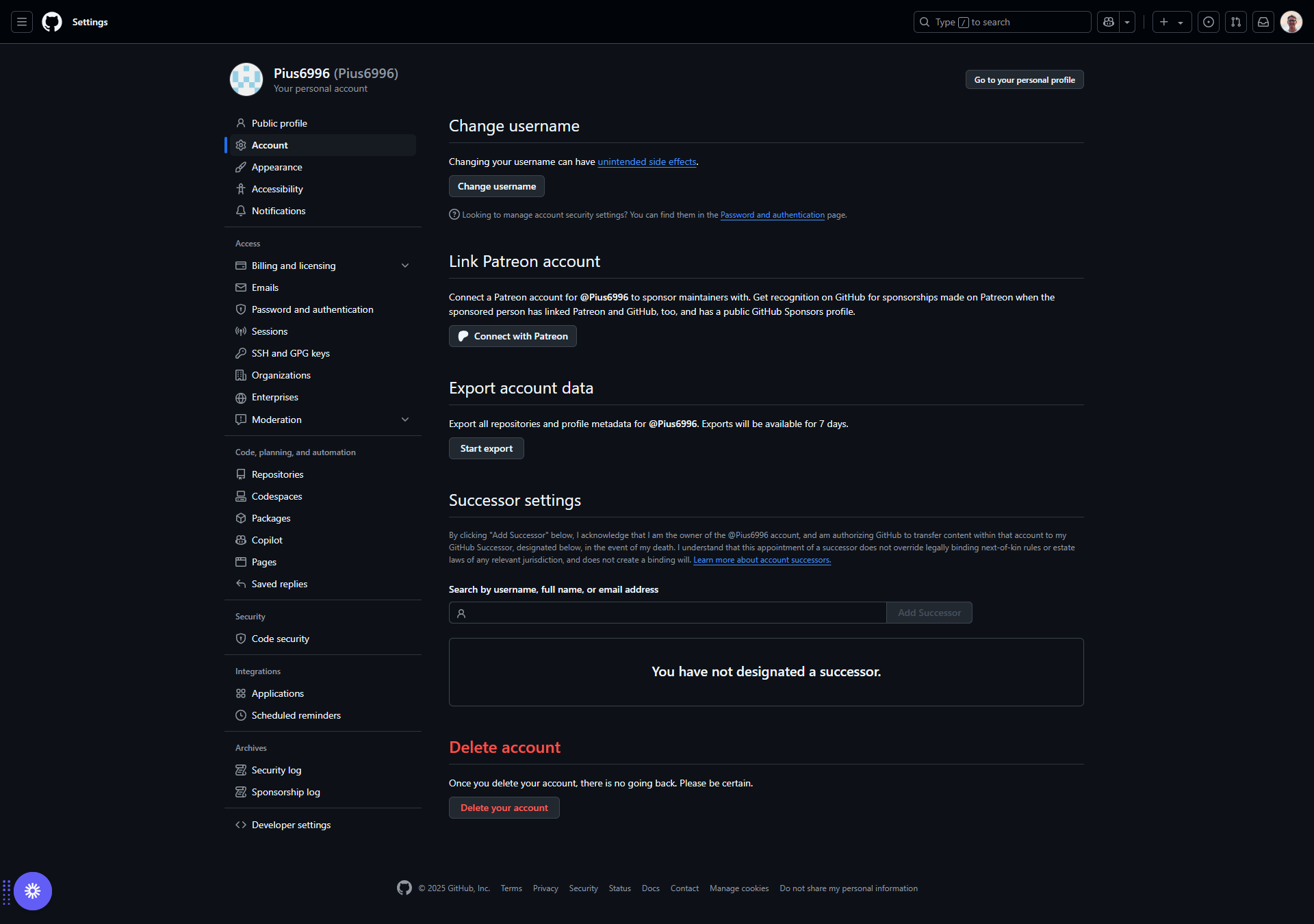
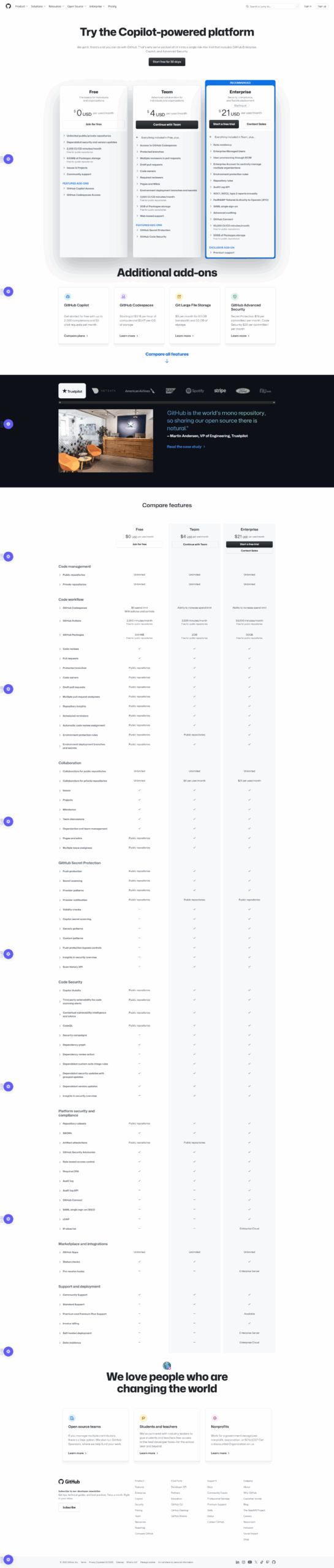
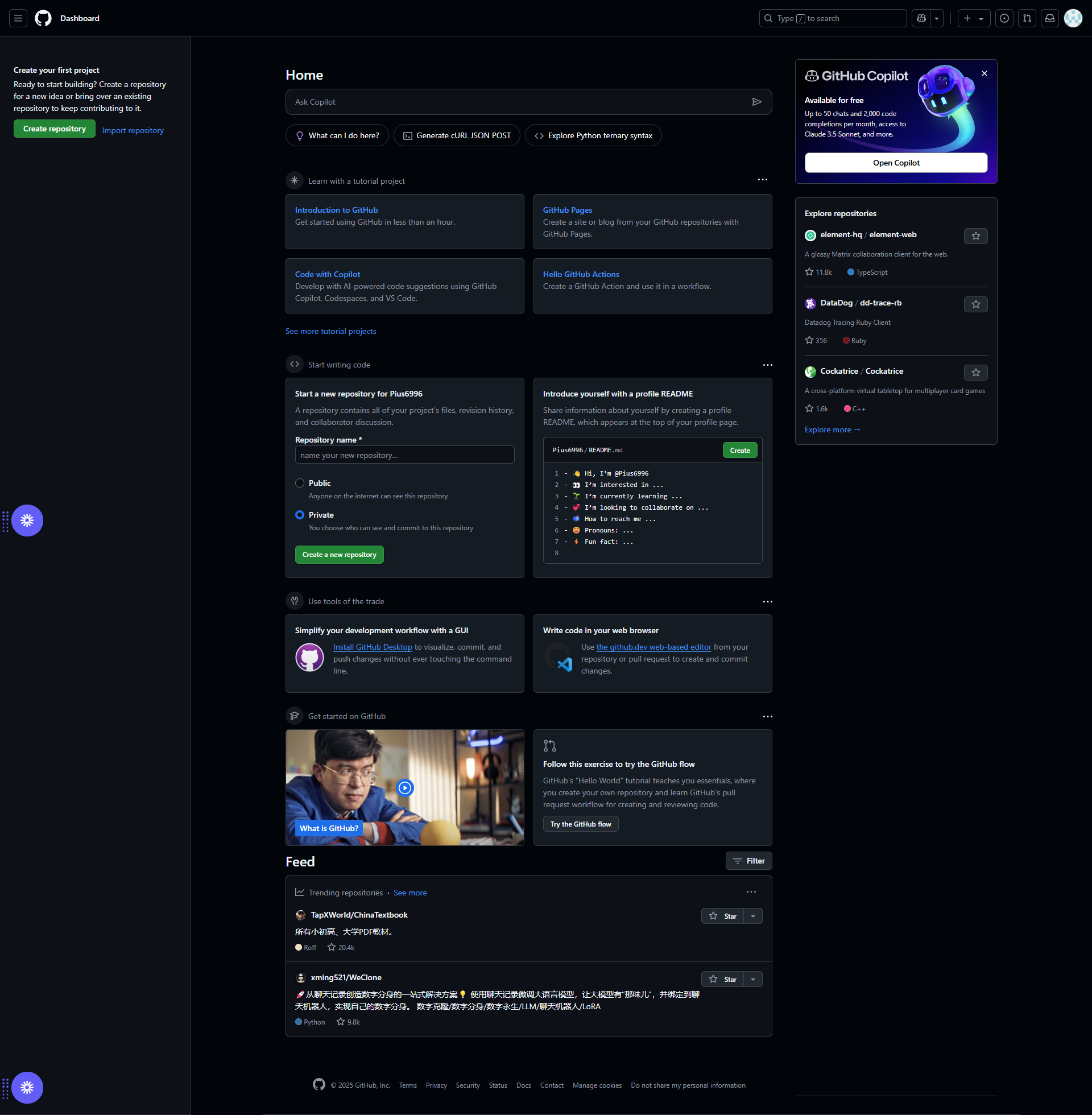
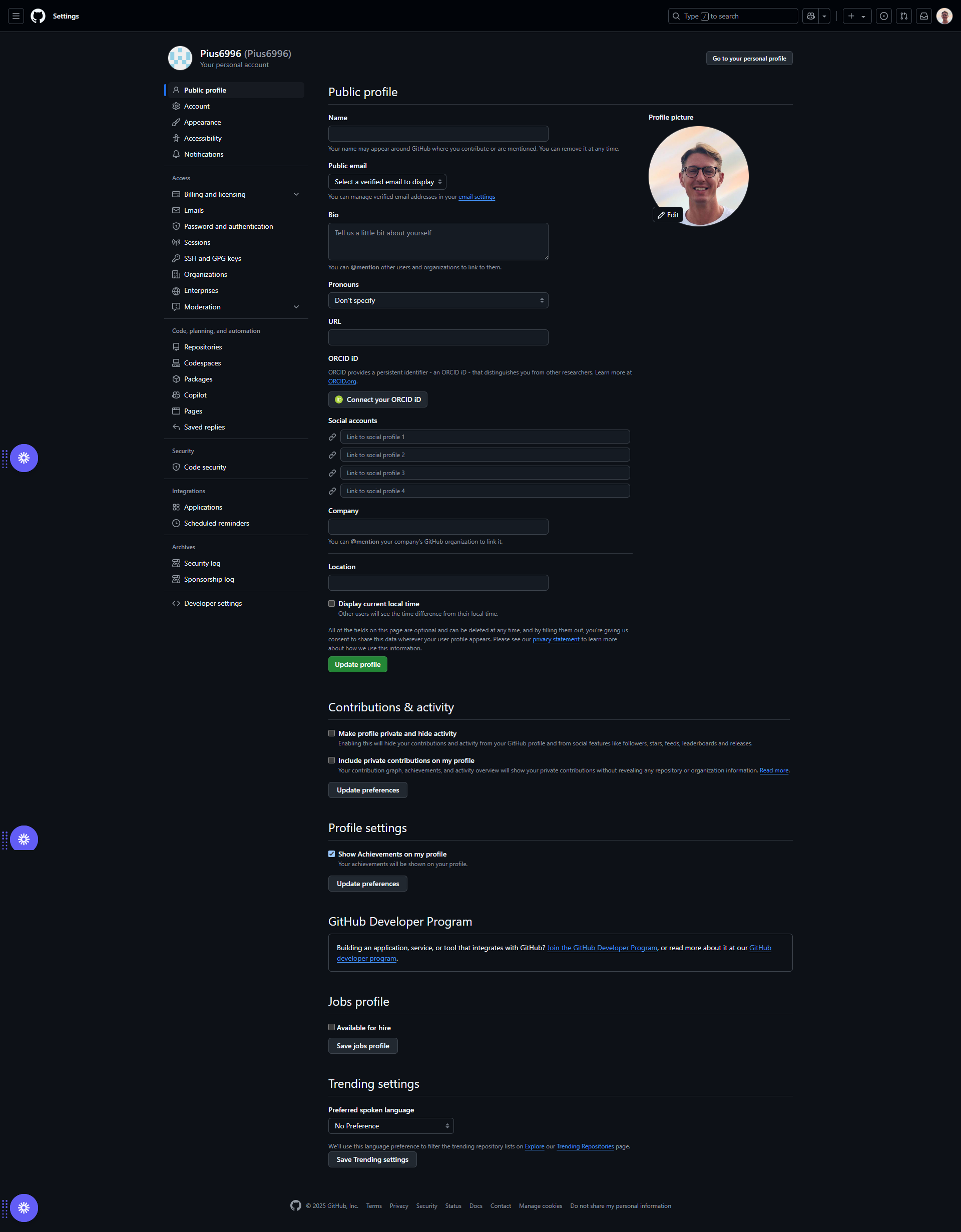
GitHub, a leading version control and DevOps platform, simplifies collaborative software development with key features like GitHub Actions for CI/CD, Codespaces for remote development, and secure code hosting. It’s ideal for developers and organizations of all sizes, though designers and marketers might find its UI technical. Compared to GitLab and Bitbucket, GitHub offers a polished UX and extensive third-party integrations but has costly advanced plans. Customer support and free-tier features make it cost-effective.