Project management tools like , Notion, Basecamp, Lark, Slack, Asana and Trello.
AI chatbot tools like ChatGPT, Grok, Perplexity, Claude, Gemini and Copilot.
Marketing analytics platforms like Google Analytics, Similarweb and Semrush.
CRM systems like HubSpot, Apollo.io Pipedrive, Zoho CRM, and Salesforce.
VPNs, SSO providers, and password managers like NordVPN, Okta, and LastPass.
Email marketing and campaign tools like MailerLite, Instantly, and Mailchimp.
Website builders, hosting tools like Hostinger, Webflow, Framer, and Shopify
HR and recruiting software like ATS platforms, BambooHR, Workday, and Lever.
Automate finances with confidence like Quickbooks, Stripe, Brex, and Mercury.
Design and editing tools like Figma, Canva, Adobe Creative Cloud, CapCut.
Workflow automation tools like Zapier, Make, Clay, and Reclaim.ai.
No-code and AI-native dev tools like Cursor, Windsurf, Lovable and Bubble.

PayU is an advanced payment gateway enabling global and local transactions for over 300,000 merchants. Key features include multi-currency support, secure payment options like two-factor authentication, recurring billing, and robust integrations with e-commerce solutions. It offers competitive approval rates and efficiency via a single API setup. Ideal for businesses of all sizes, particularly developers and marketers aiming for seamless integration and growth in global markets.
Compared to alternatives like PayPal and Stripe, PayU excels in providing localized solutions for emerging markets but lacks comprehensive subscription tools. While Stripe supports advanced customizations and PayPal offers widespread recognition, PayU is more cost-effective with broader global payment methods, though customer support and onboarding can be slow.
Support quality is mixed, with reports of slow responses. Transaction fees are competitive, but higher than some rivals. Overall, PayU is a strong contender for businesses seeking wide payment capabilities and market reach.
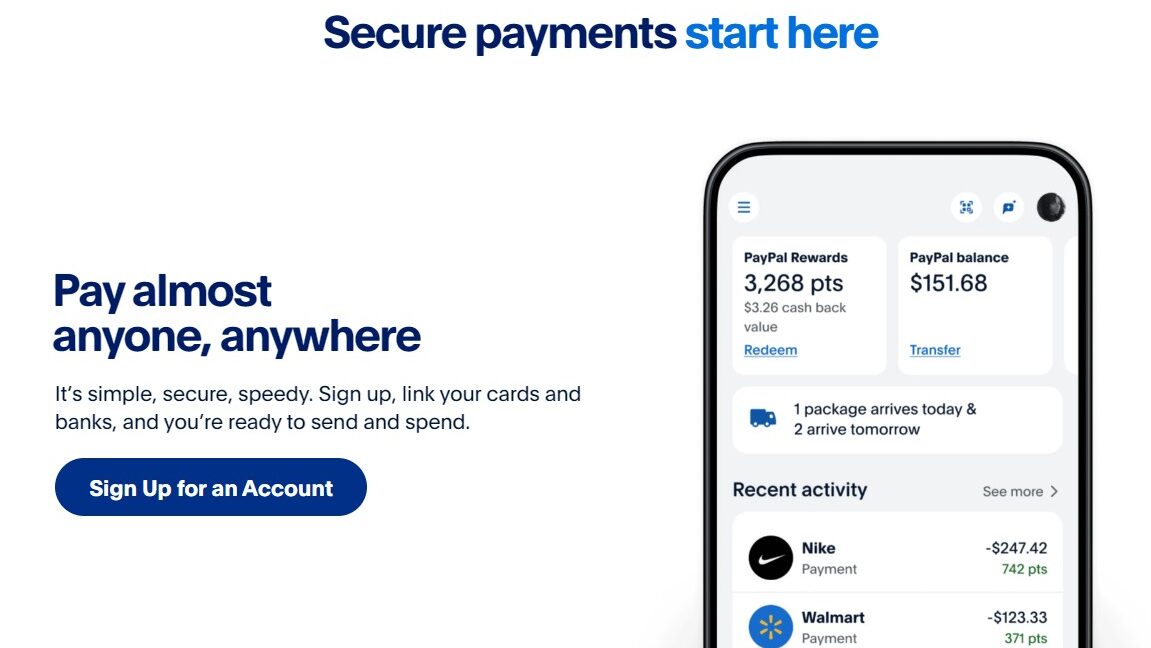
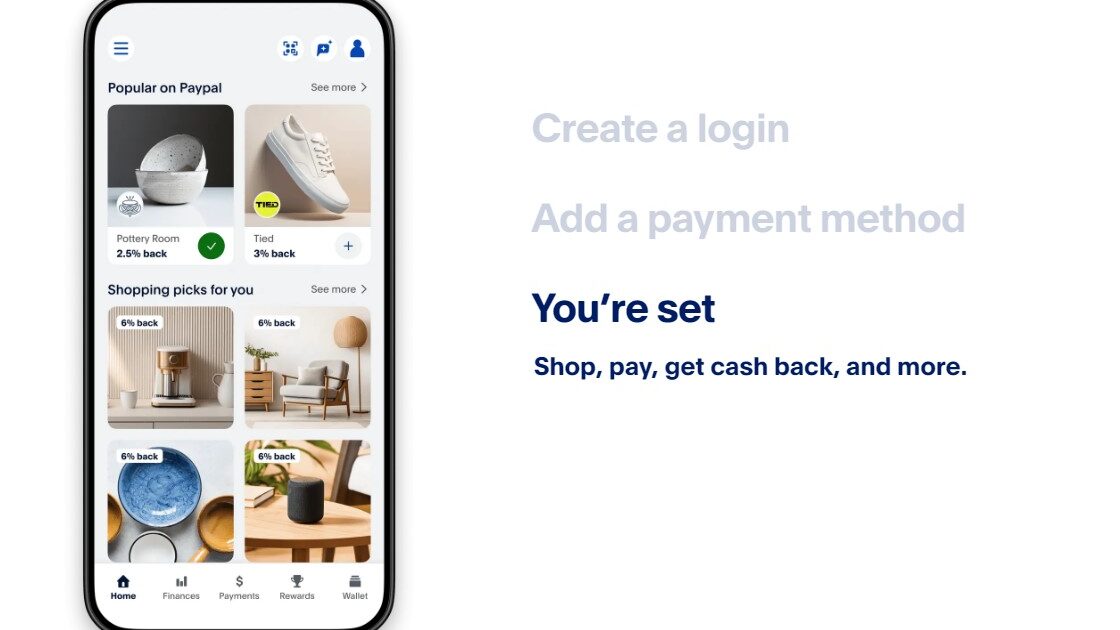
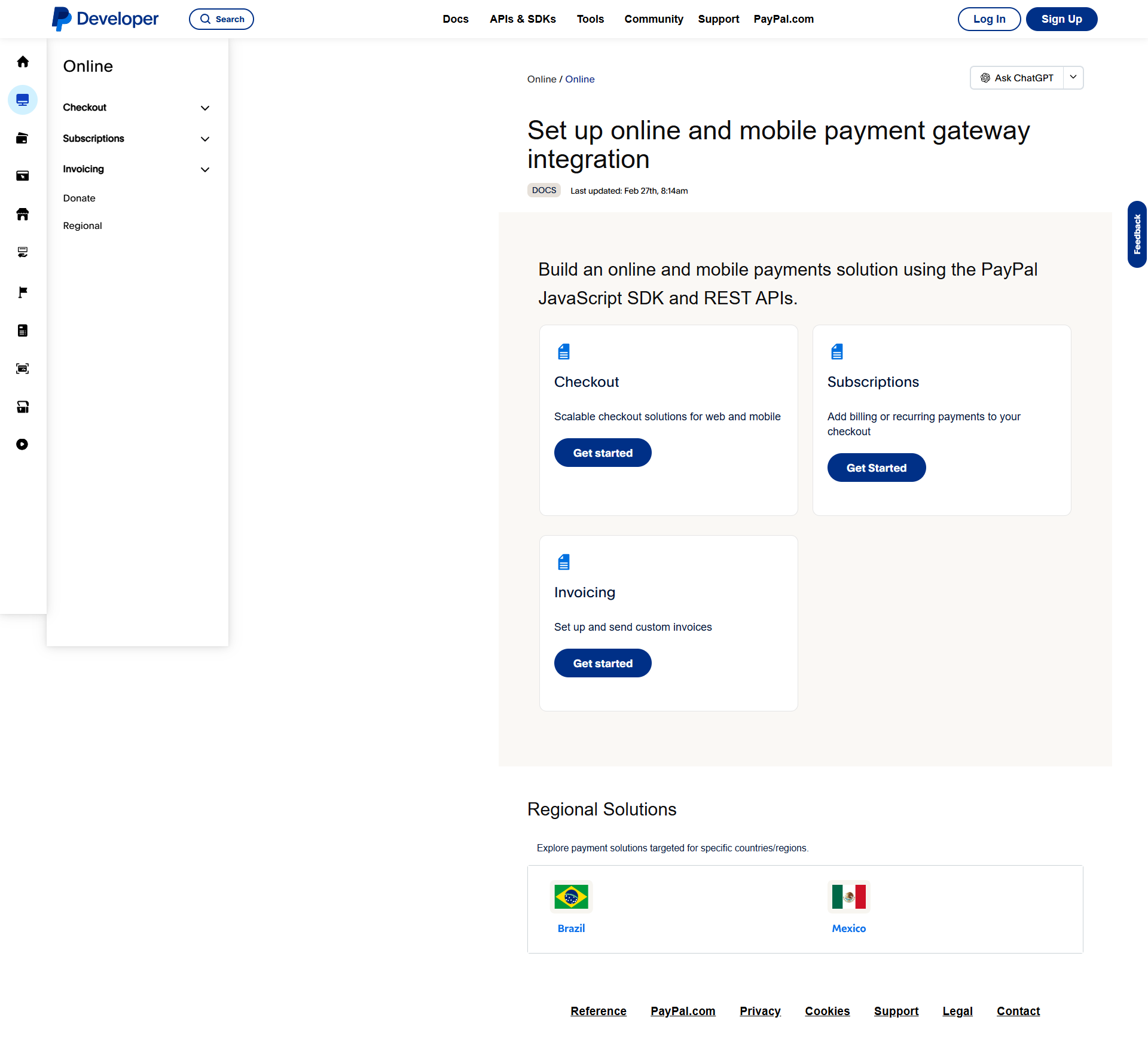
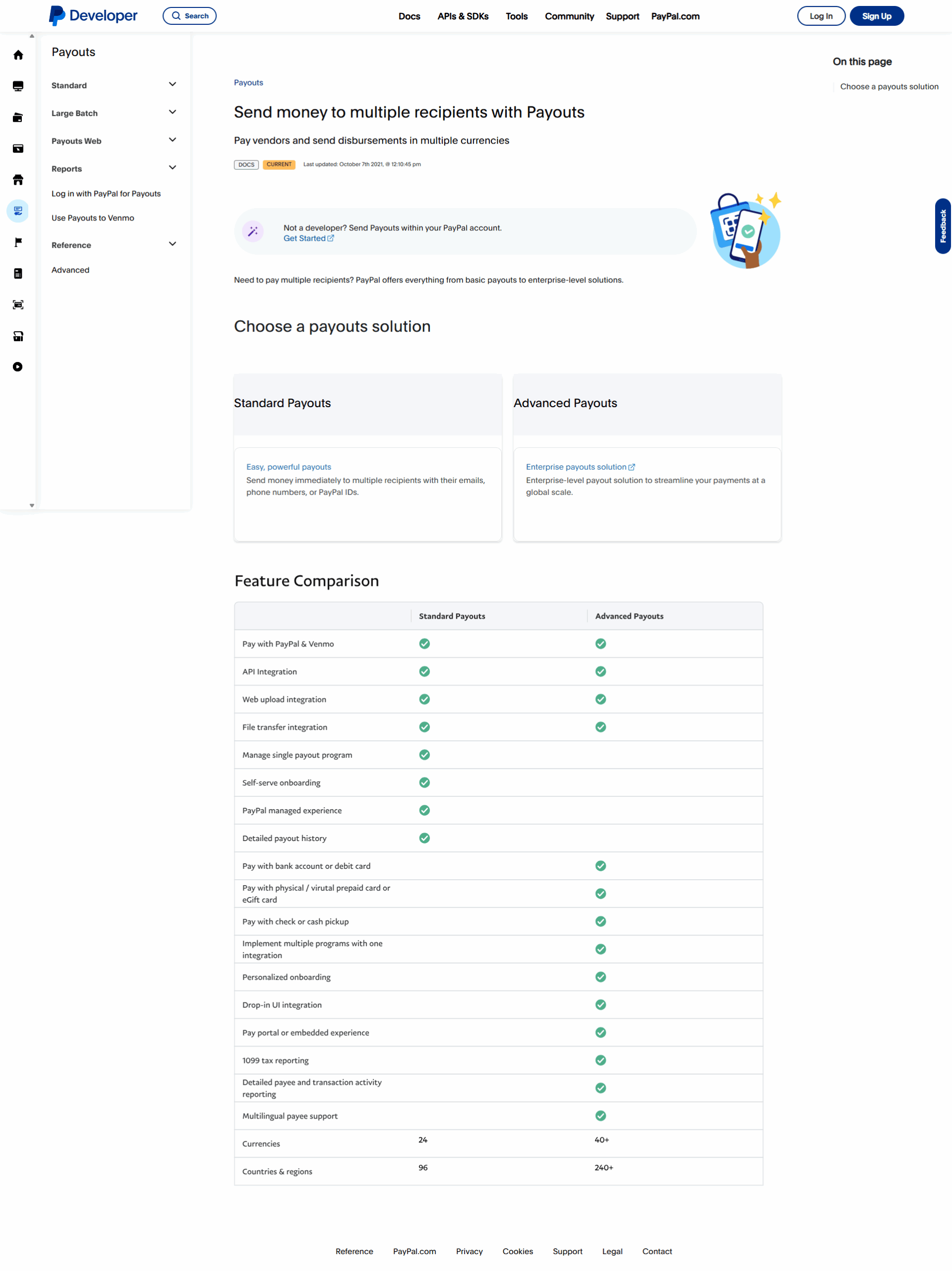
PayPal is a global payment platform offering features like online checkout, invoicing, multi-currency support, and API integrations with e-commerce and accounting tools. Known for its ease of use and security, it’s ideal for designers, small business owners, and international freelancers. Pros include wide adoption, global reach, and robust features. Cons involve high fees, account limitations, and inconsistent customer support. Alternatives like Stripe offer better developer tools, while Payoneer excels in lower international fees. PayPal remains cost-effective and reliable for diverse user needs.