Project management tools like , Notion, Basecamp, Lark, Slack, Asana and Trello.
AI chatbot tools like ChatGPT, Grok, Perplexity, Claude, Gemini and Copilot.
Marketing analytics platforms like Google Analytics, Similarweb and Semrush.
CRM systems like HubSpot, Apollo.io Pipedrive, Zoho CRM, and Salesforce.
VPNs, SSO providers, and password managers like NordVPN, Okta, and LastPass.
Email marketing and campaign tools like MailerLite, Instantly, and Mailchimp.
Website builders, hosting tools like Hostinger, Webflow, Framer, and Shopify
HR and recruiting software like ATS platforms, BambooHR, Workday, and Lever.
Automate finances with confidence like Quickbooks, Stripe, Brex, and Mercury.
Design and editing tools like Figma, Canva, Adobe Creative Cloud, CapCut.
Workflow automation tools like Zapier, Make, Clay, and Reclaim.ai.
No-code and AI-native dev tools like Cursor, Windsurf, Lovable and Bubble.

Pimcore is an open-source platform offering Product Information Management (PIM), Digital Asset Management (DAM), and a Digital Experience Platform (DXP) tailored for developers and enterprises. Its strengths include unmatched flexibility, API-driven architecture, and multilingual support, making it ideal for developers handling complex data systems and marketers aiming for omnichannel content delivery. Compared to tools like Sitecore or Akeneo, Pimcore excels in cost-effectiveness (free community edition) but requires coding expertise, making the learning curve steep for non-developers. Customer support is highly rated, and its scalability suits enterprise needs, although non-technical users may find alternatives with simpler interfaces more accessible.
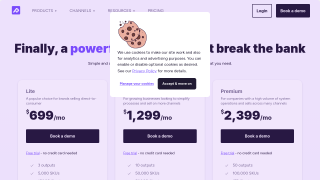
Plytix PIM is a cloud-based Product Information Management system designed for SMBs. Known for its user-friendly interface, affordable pricing, and robust features, it centralizes and optimizes product data management for marketers, e-commerce vendors, and content managers. Key features include streamlined imports, advanced data mapping, integrated DAM, and seamless multichannel distribution. A transparent pricing model starts with a $0 tier for up to 500 SKUs, scaling to paid plans starting at $699/month. Compared to alternatives like Syndigo or Salsify, Plytix offers easier onboarding, faster ROI, and unlimited users at a lower cost, though it lacks advanced enterprise-level customization. Customer support is exceptional, making it ideal for teams focused on collaboration and efficiency.