Project management tools like , Notion, Basecamp, Lark, Slack, Asana and Trello.
AI chatbot tools like ChatGPT, Grok, Perplexity, Claude, Gemini and Copilot.
Marketing analytics platforms like Google Analytics, Similarweb and Semrush.
CRM systems like HubSpot, Apollo.io Pipedrive, Zoho CRM, and Salesforce.
VPNs, SSO providers, and password managers like NordVPN, Okta, and LastPass.
Email marketing and campaign tools like MailerLite, Instantly, and Mailchimp.
Website builders, hosting tools like Hostinger, Webflow, Framer, and Shopify
HR and recruiting software like ATS platforms, BambooHR, Workday, and Lever.
Automate finances with confidence like Quickbooks, Stripe, Brex, and Mercury.
Design and editing tools like Figma, Canva, Adobe Creative Cloud, CapCut.
Workflow automation tools like Zapier, Make, Clay, and Reclaim.ai.
No-code and AI-native dev tools like Cursor, Windsurf, Lovable and Bubble.

Pinscreen excels in photoreal generative AI for VFX, avatars, face replacement, lip sync, and de-aging. Key features include paGAN tech, Avatar Neo SDK, cloud APIs for 4K integration in film/games/VR. No public pricing; enterprise-focused. Customer support via contact forms; cost-effective for high-end production scales. (347 chars)
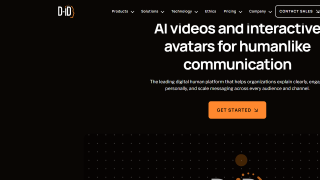
D-ID’s biggest advantage is its ability to transform static images into dynamic, speaking avatars at scale. This makes it highly efficient for businesses that need large volumes of personalized or multilingual video content. Its API and automation capabilities also make it attractive for building AI-driven products.
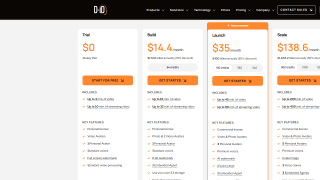
However, it is not a full video production tool. Creative flexibility is limited compared to traditional editing software, and avatar realism can vary depending on use case. Pricing can also increase significantly with higher usage. D-ID is best suited for scalable, repeatable video use cases rather than highly customized creative productions.