Sign in to review
Join our community of software reviewers on Subscribed.fyi

Continue With Google
Continue With LinkedIn
Continue Review with Email
Continue with Email
Enter your email to continue.
Continue
Enter your password
Enter your password to finish setting up your account.
Continue
Activate your email
Enter activation code we sent to your email.
Submit
Reset your password
Enter activation code we sent to your email.
Submit
Set your new password
Enter a new password for your account.
Submit
Categories
For Business
Log in
Provide My Insights
Add Product
Suggested products People also compare with
Add to Comparison
Suggested products People also compare with

Compare PostgreSQL and MongoDB

We are comparing PostgreSQL and MongoDB to evaluate which one is the best product.

Suggested products People also compare with
Review Pricing Alternatives Experience

Review

88%
31/36 Metric achieved
88%
31/36 Metric achieved

Subscribed Metric

Customer Support 4/6
Security 5/6
Ease of Use 5/6
Value of Money 6/6
Integration 5/6
Popularity 6/6

Subscribed Metric

Customer Support 4/6
Security 5/6
Ease of Use 5/6
Value of Money 5/6
Integration 6/6
Popularity 6/6

Pros & Cons

Reliable and scalable for diverse needs
Supports JSON, advanced queries, and indexing
Free, open-source, and widely used
Flexible with many supported programming languages
Setup and configuration can be complex
High memory usage compared to others
Scaling beyond 10k transactions is challenging
Manual upgrades and troubleshooting issues

Pros & Cons

Flexible and scalable for evolving data needs.
Easy to use with JSON-like data storage.
Strong integration with programming languages.
Fast performance and reliable data handling.
Complex queries can be difficult to optimize.
Steep learning curve for beginners.
High memory usage with large datasets.
Limited transaction support compared to SQL.

Conclusion

PostgreSQL is a free, open-source relational database system known for reliability, scalability, and versatility. Key features include support for advanced indexing, full-text search, JSON, and diverse data types, making it suitable for developers and data analysts. Its performance shines for complex queries and high-concurrency use cases. Compared to MySQL, PostgreSQL offers broader functionality but may have a steeper learning curve, while Oracle offers enterprise features at a higher cost. Ideal for use cases requiring robust data integrity and flexibility, it lacks native customer support but benefits from an active community. With no licensing fees, PostgreSQL is highly cost-effective.

Conclusion

MongoDB is a flexible, scalable NoSQL database popular among developers and data analysts for unstructured data. It supports JSON-like documents, horizontal scaling (sharding), and advanced search capabilities with robust security features like encryption and role-based authorization. Compared to alternatives like MySQL (reliable for relational data) and DynamoDB (managed NoSQL), MongoDB excels in agility but has a steeper learning curve for complex queries. Pricing is competitive, offering free shared clusters and scaled paid options starting at $57/month. While support is efficient, heavy users may prefer its enterprise edition for advanced needs. Ideal for developers building dynamic, high-traffic apps.

Pricing

PostgreSQL Pricing

Pricing Range Not specified

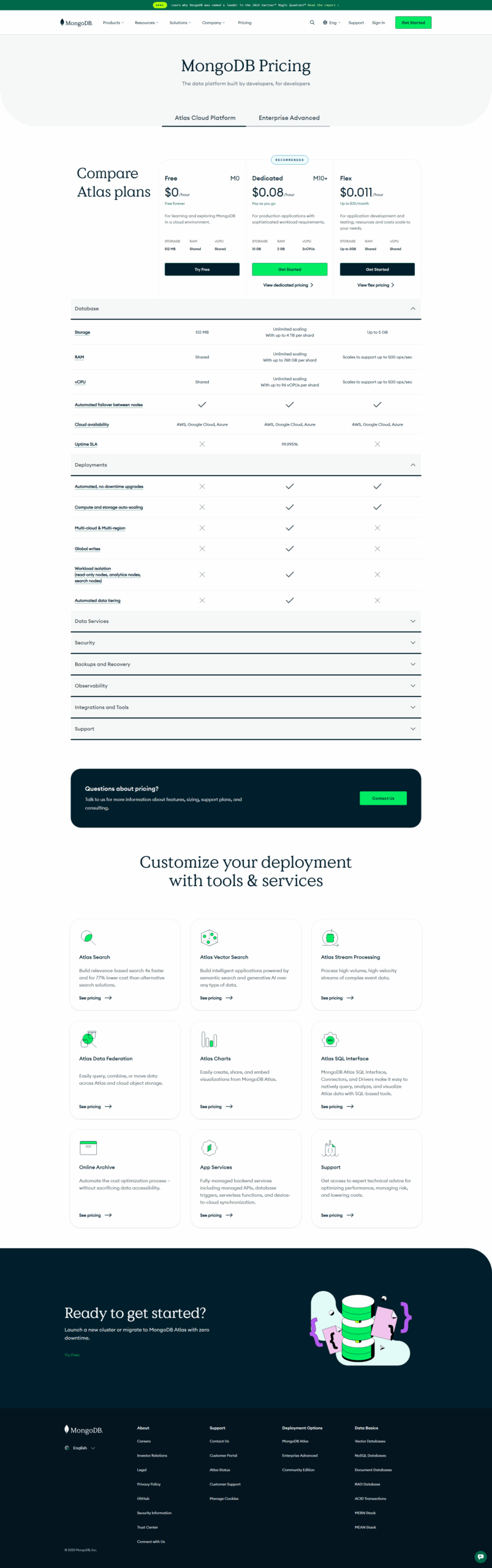
MongoDB Pricing

Pricing Range $9-95/Month See MongoDB Pricing

Alternatives

PostgreSQL Alternatives

MongoDB logo

MongoDB

88%
MySQL logo

MySQL

78%
See All PostgreSQL Alternatives

MongoDB Alternatives

MySQL logo

MySQL

78%
See All MongoDB Alternatives

Experience

PostgreSQL Screenshots

PostgreSQL screenshot 1

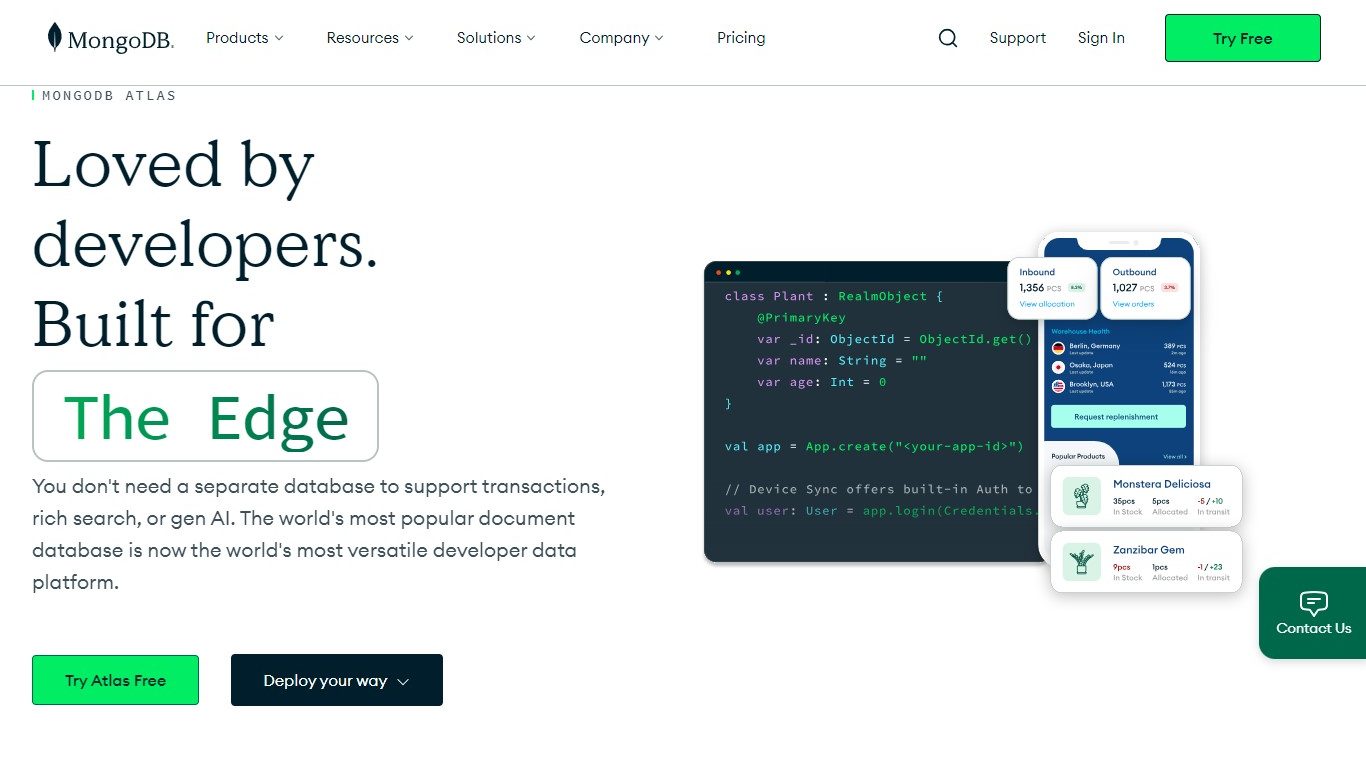
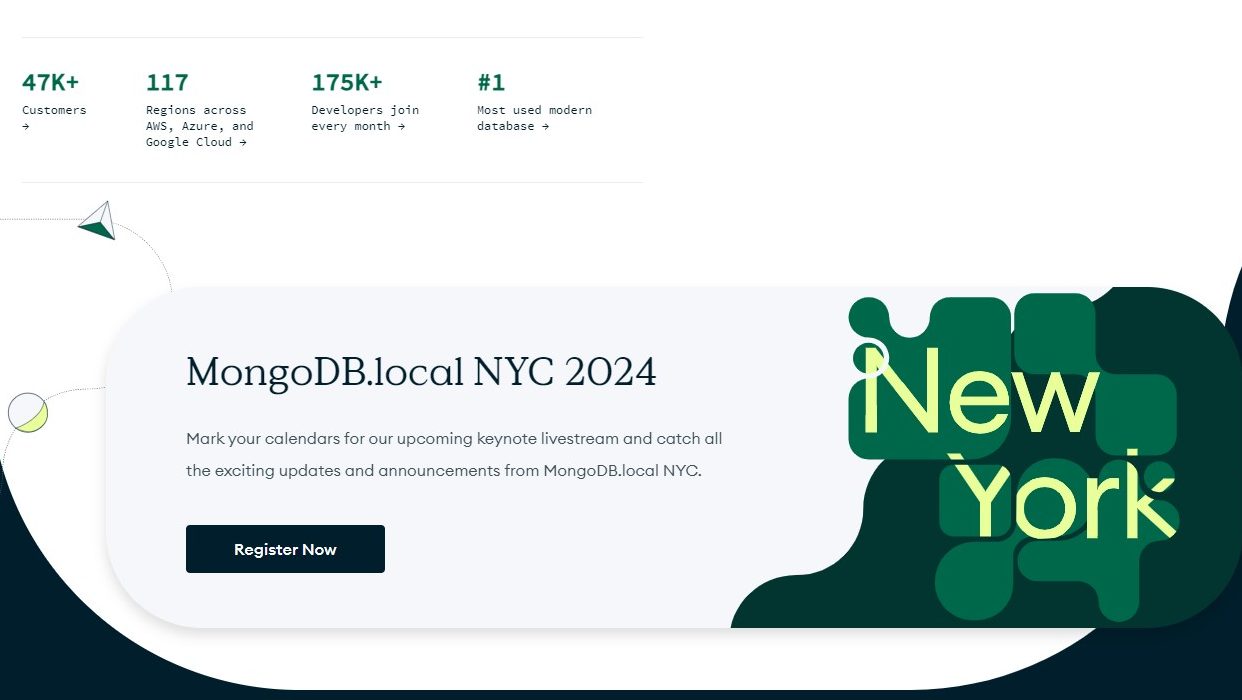
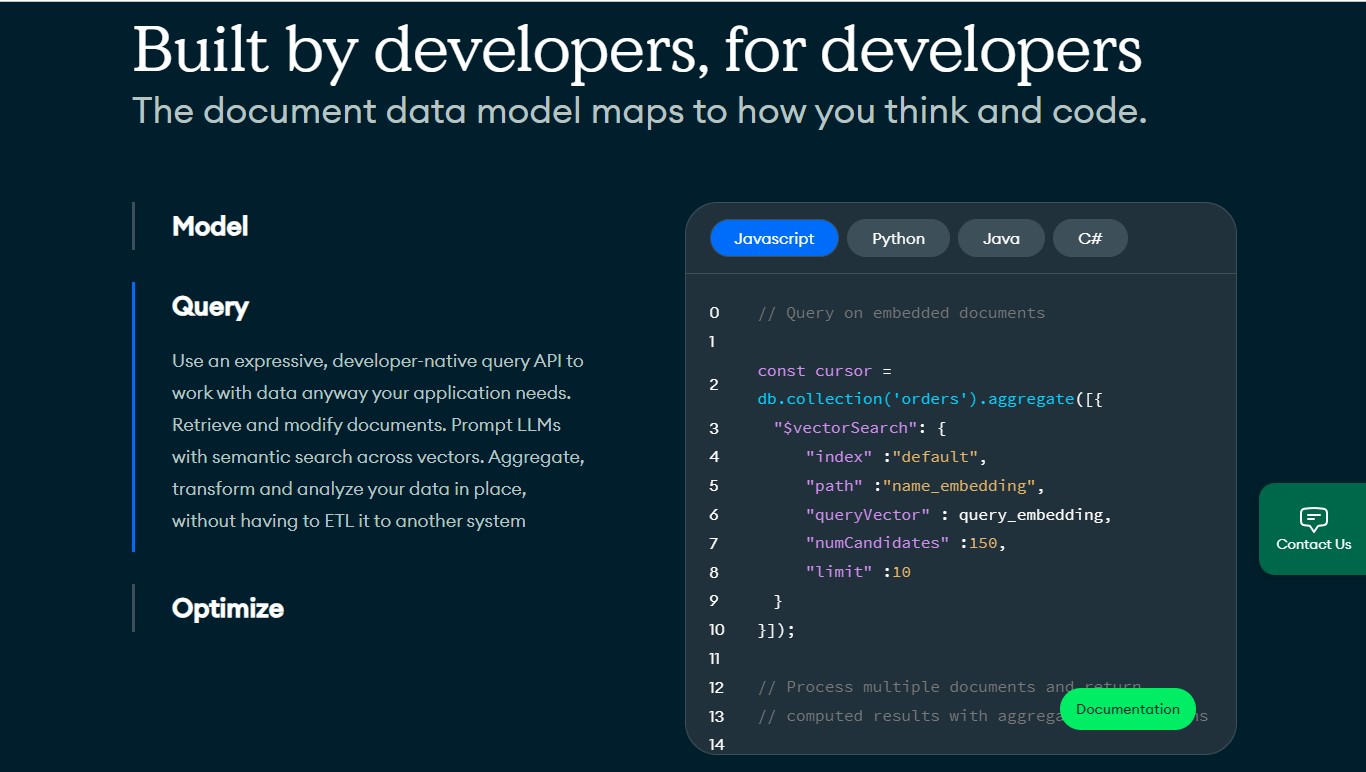
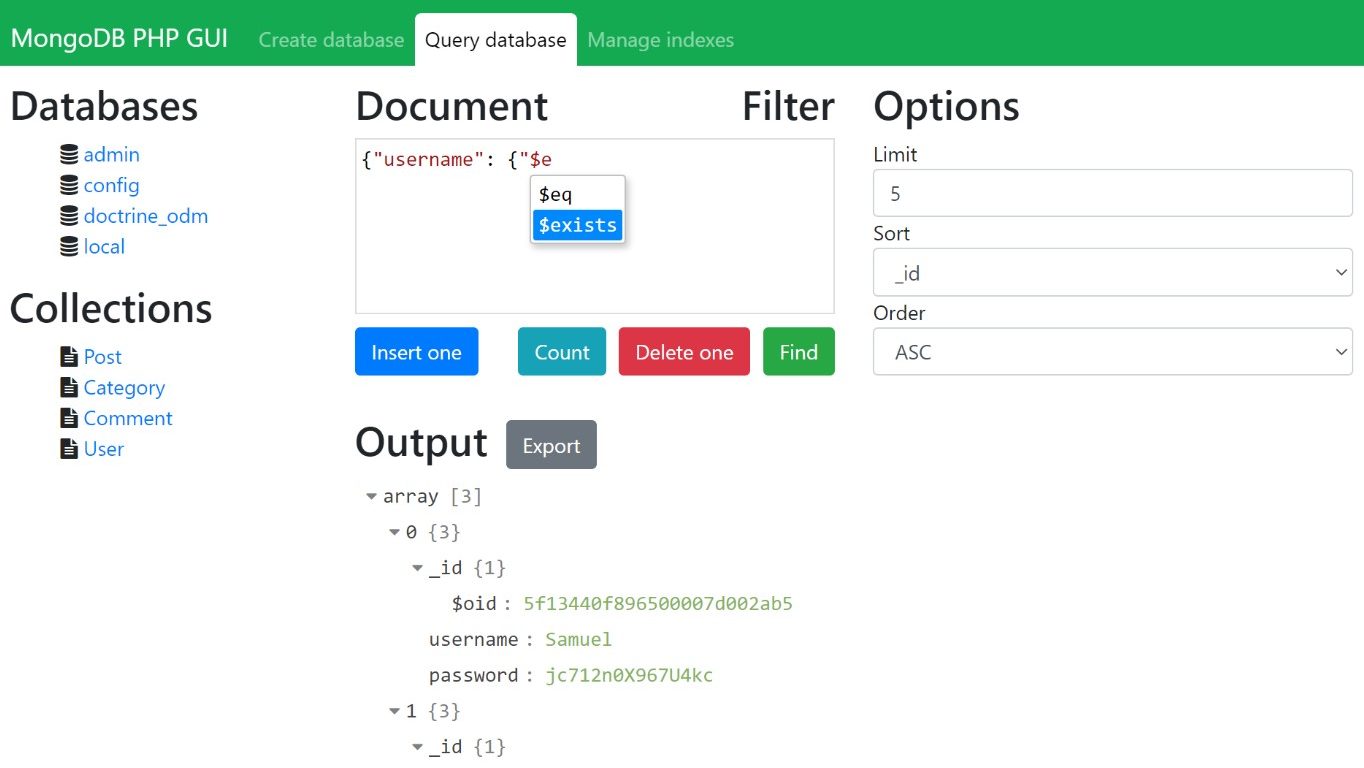
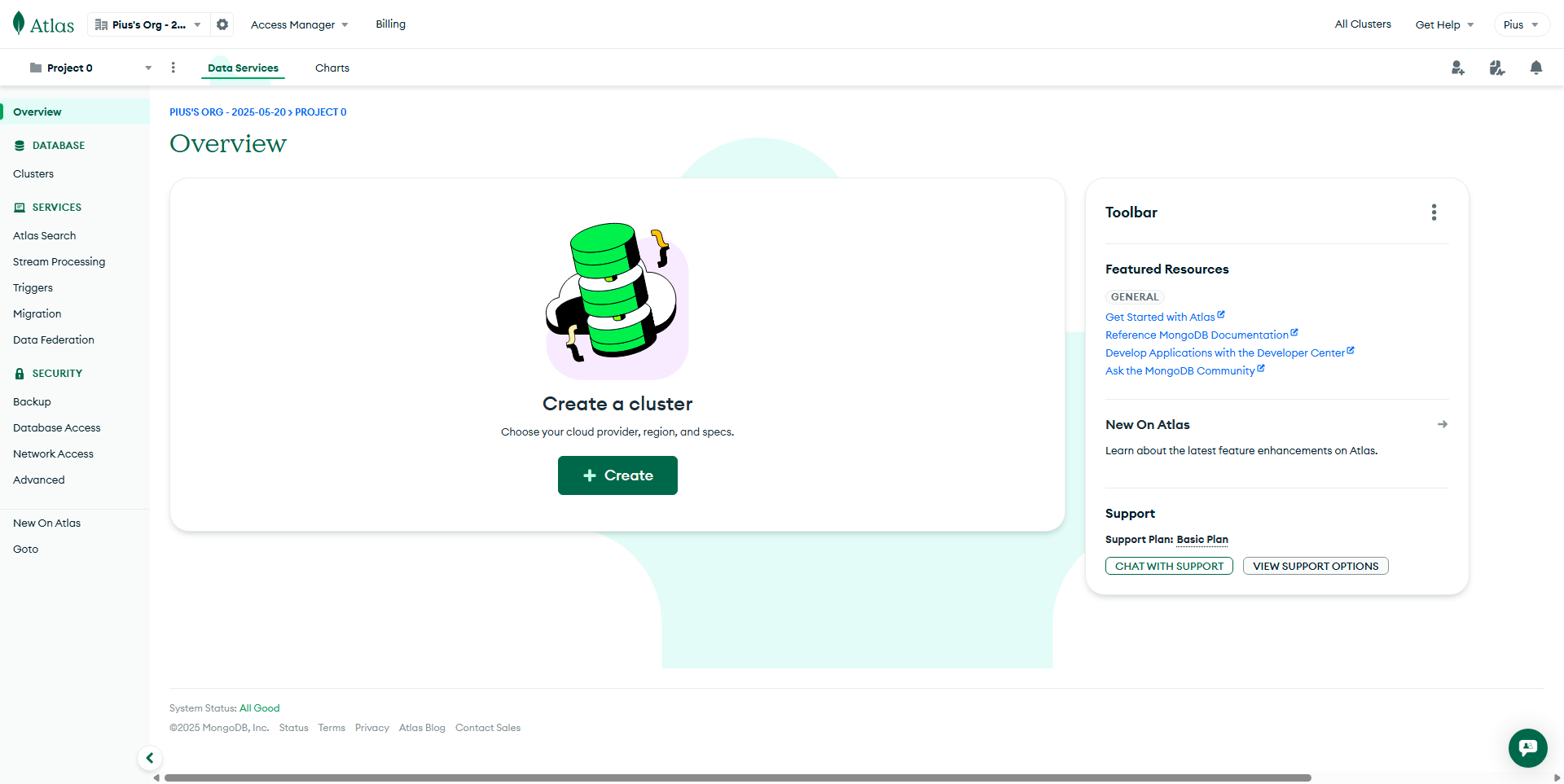
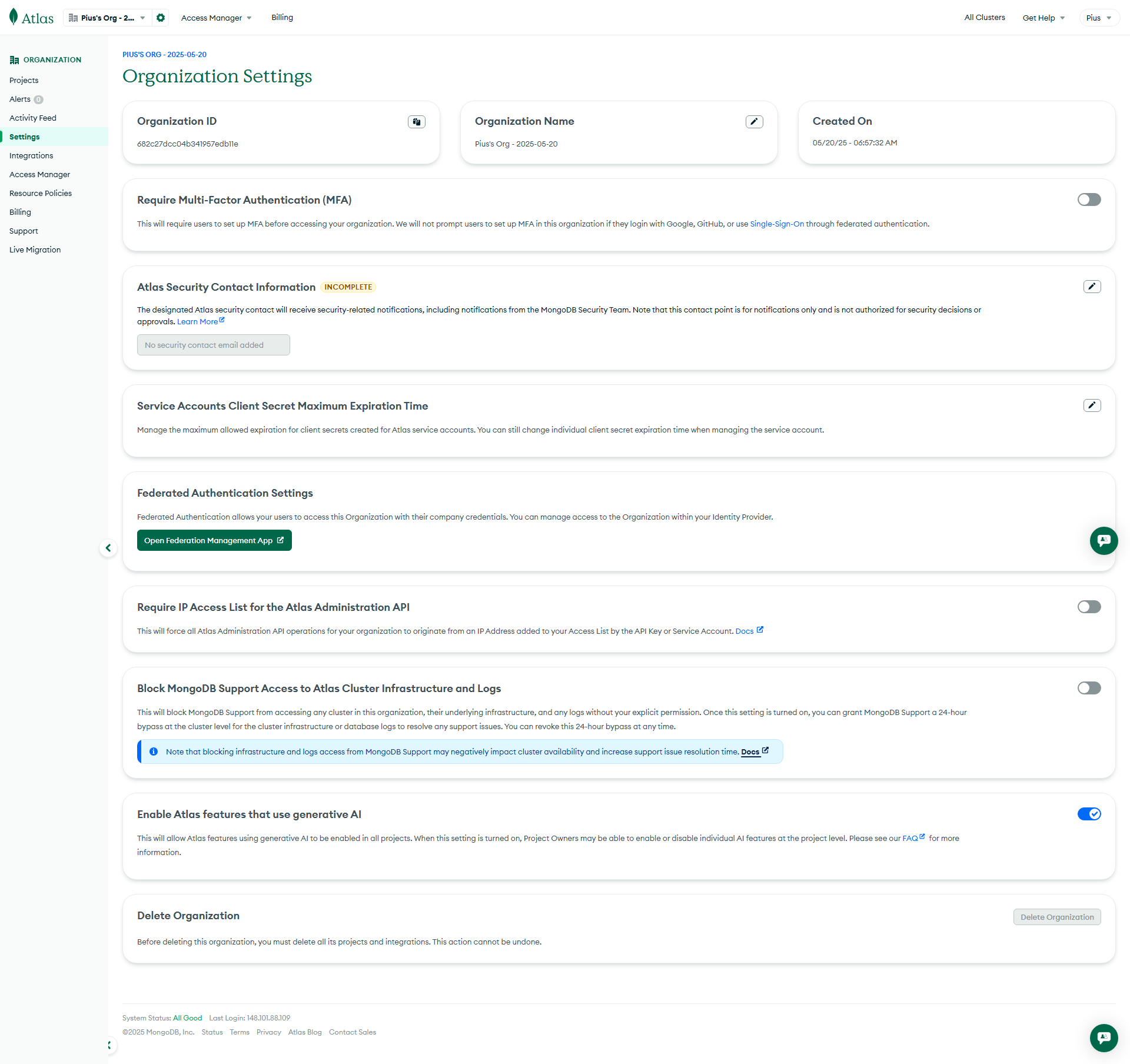
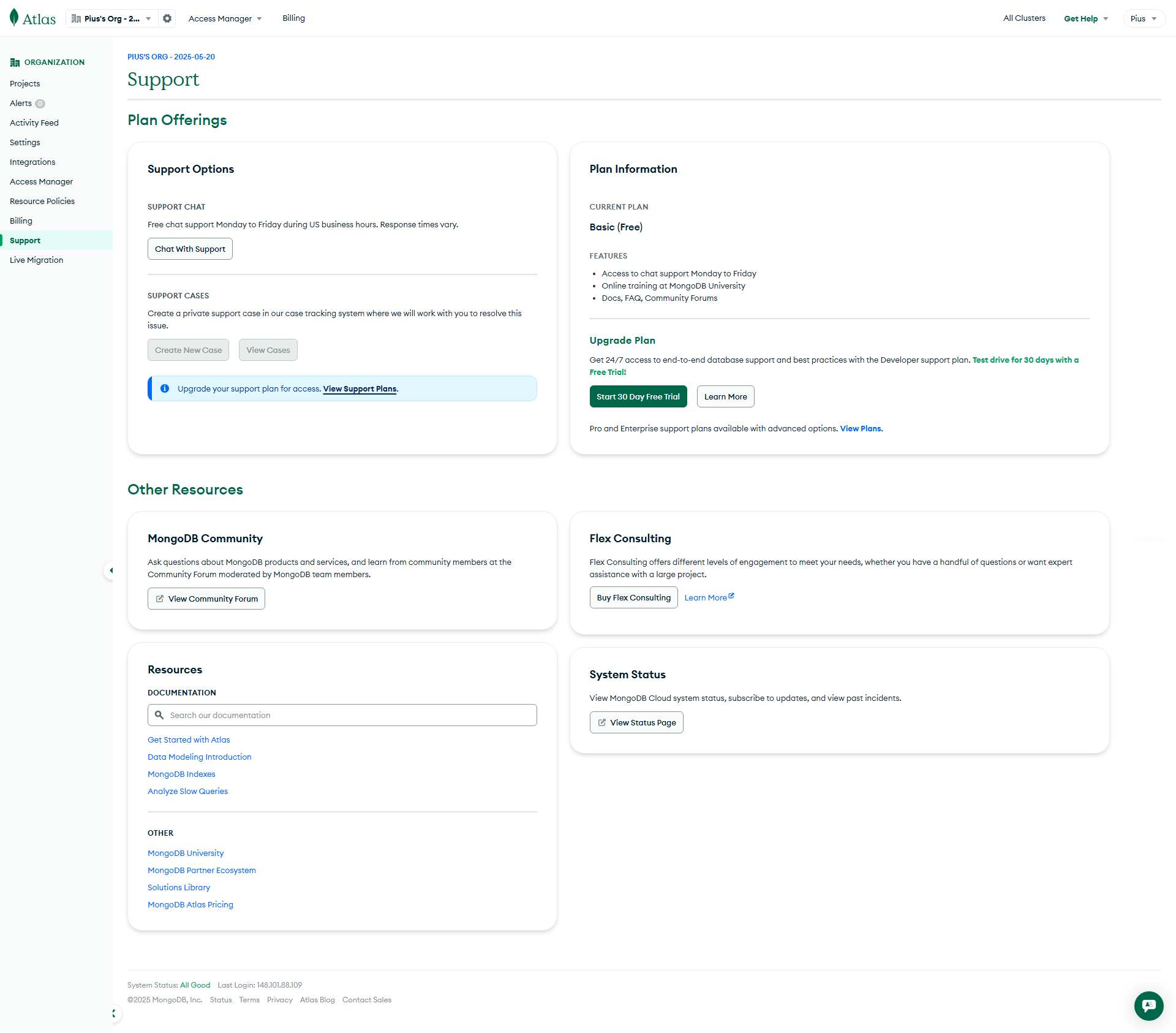
MongoDB Screenshots

MongoDB screenshot 1
MongoDB screenshot 2
MongoDB screenshot 3
MongoDB screenshot 4
MongoDB screenshot 5
MongoDB screenshot 6
MongoDB screenshot 7
MongoDB screenshot 8