Project management tools like , Notion, Basecamp, Lark, Slack, Asana and Trello.
AI chatbot tools like ChatGPT, Grok, Perplexity, Claude, Gemini and Copilot.
Marketing analytics platforms like Google Analytics, Similarweb and Semrush.
CRM systems like HubSpot, Apollo.io Pipedrive, Zoho CRM, and Salesforce.
VPNs, SSO providers, and password managers like NordVPN, Okta, and LastPass.
Email marketing and campaign tools like MailerLite, Instantly, and Mailchimp.
Website builders, hosting tools like Hostinger, Webflow, Framer, and Shopify
HR and recruiting software like ATS platforms, BambooHR, Workday, and Lever.
Automate finances with confidence like Quickbooks, Stripe, Brex, and Mercury.
Design and editing tools like Figma, Canva, Adobe Creative Cloud, CapCut.
Workflow automation tools like Zapier, Make, Clay, and Reclaim.ai.
No-code and AI-native dev tools like Cursor, Windsurf, Lovable and Bubble.

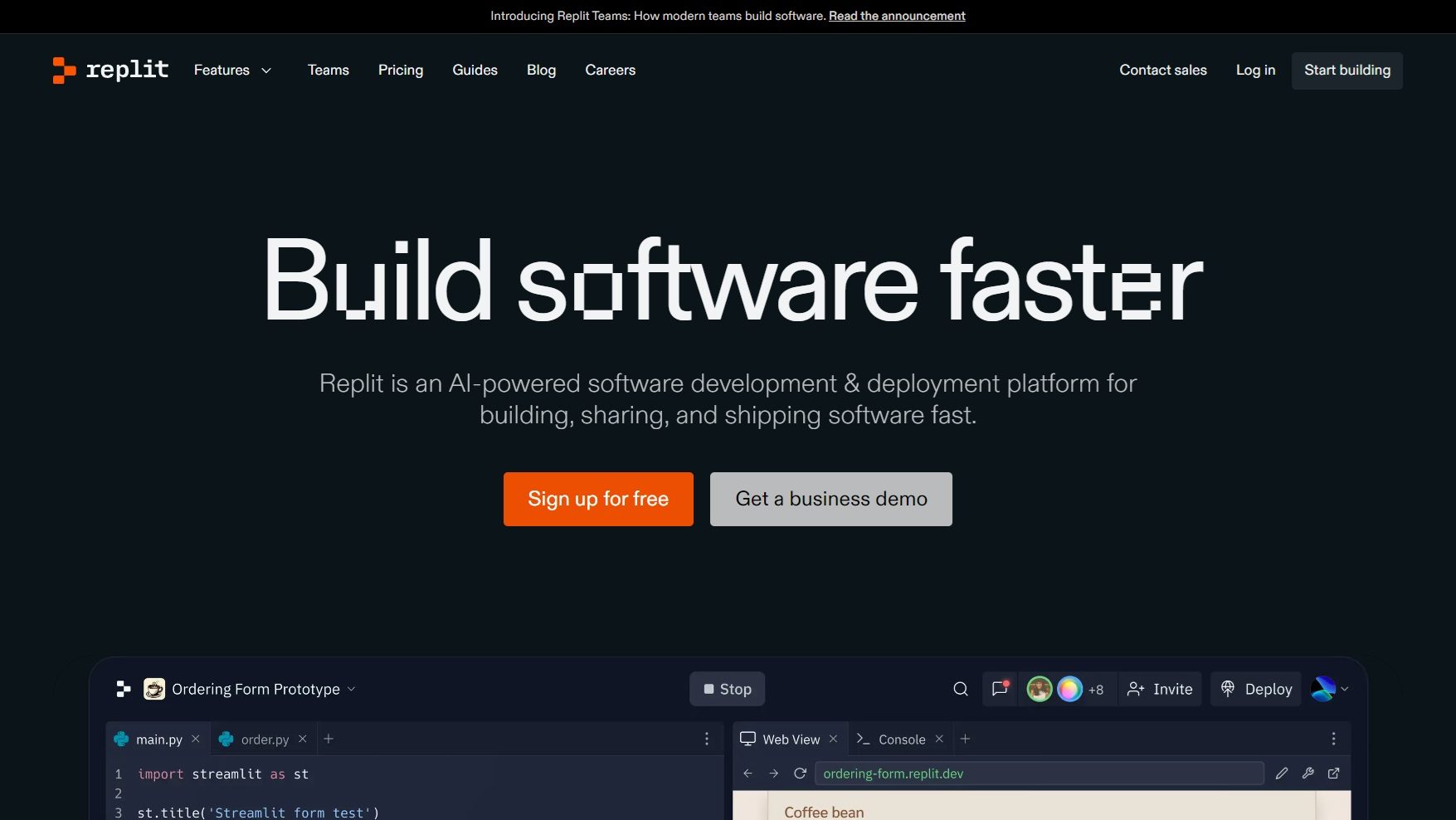
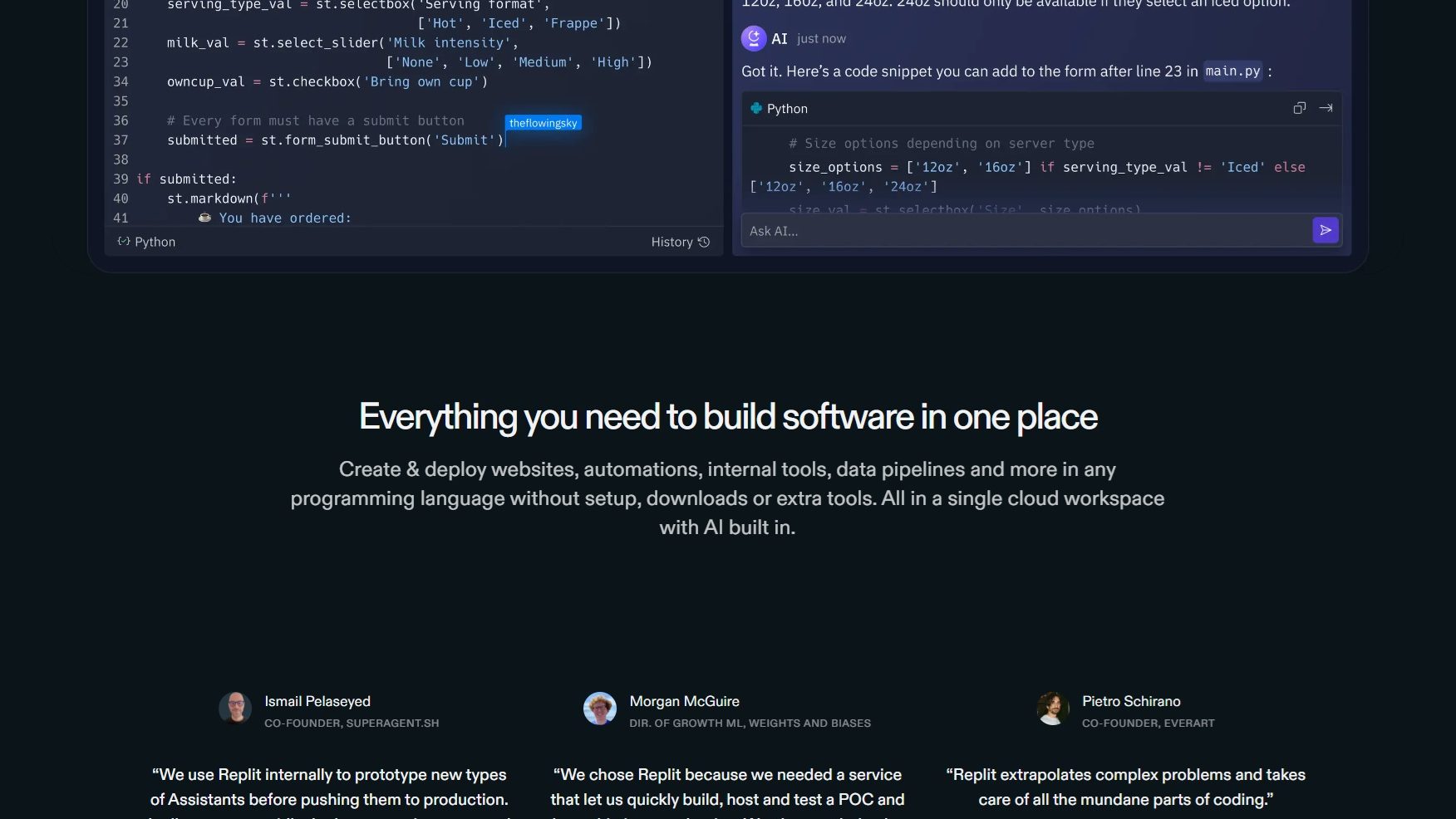
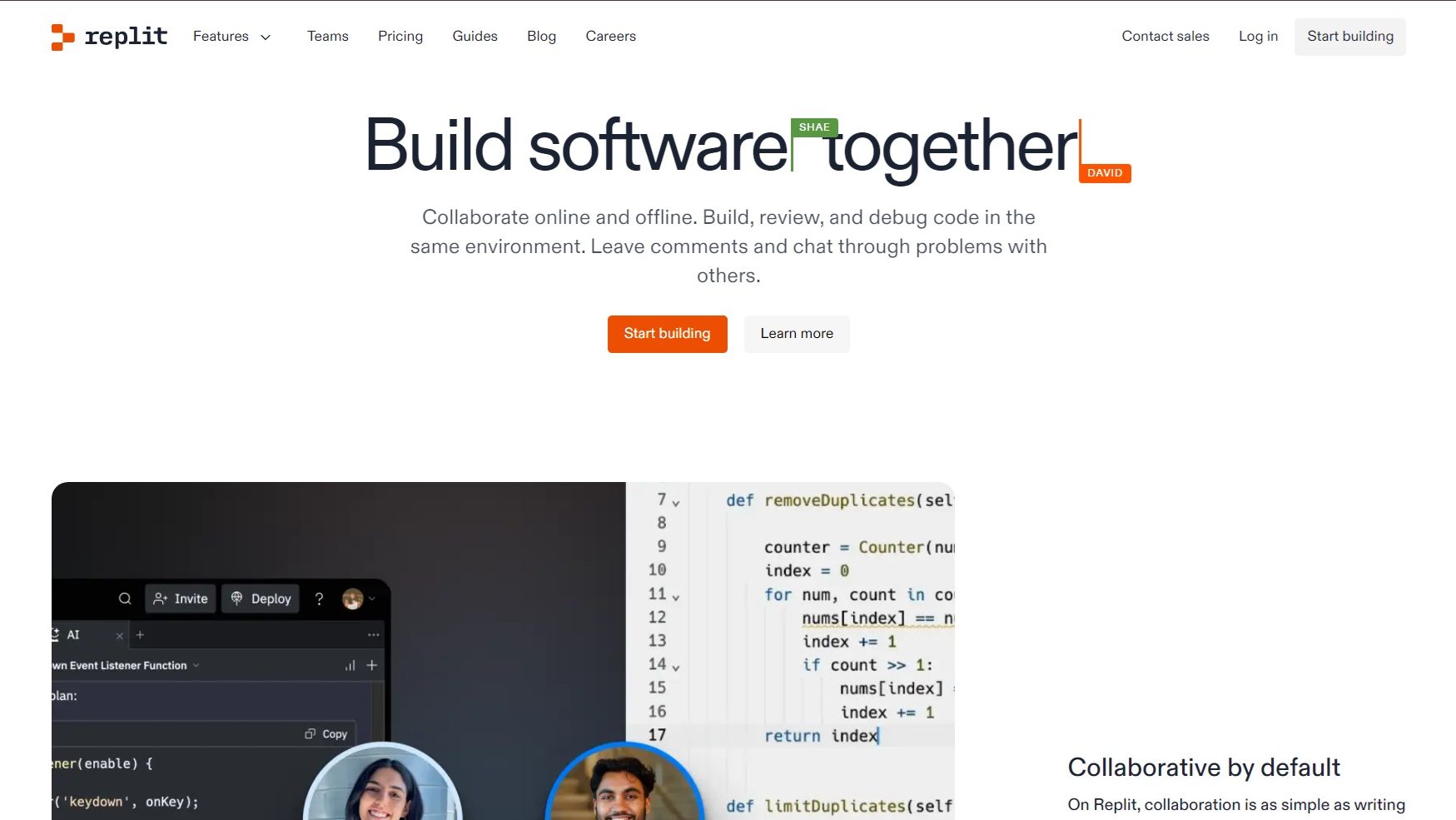
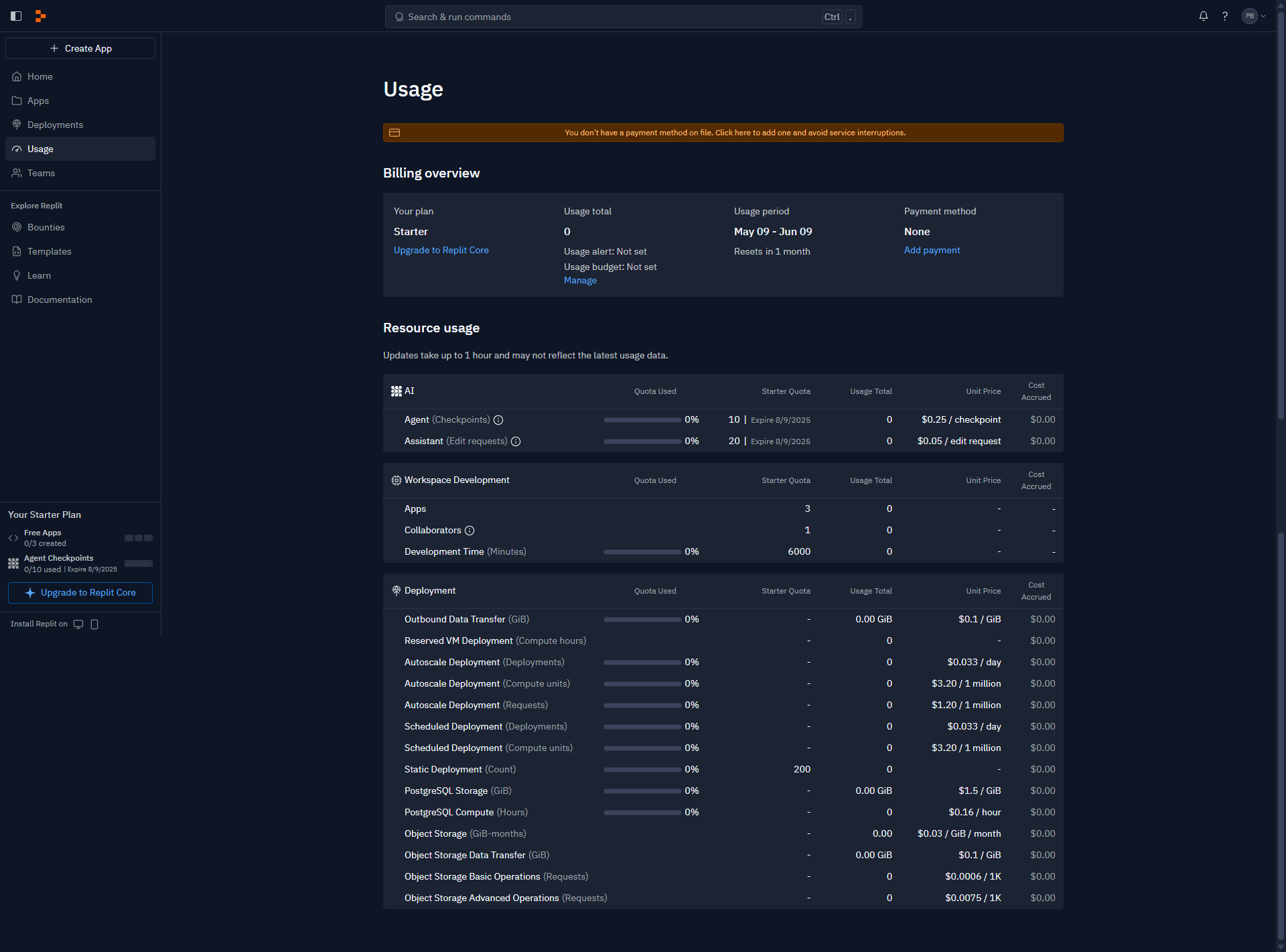
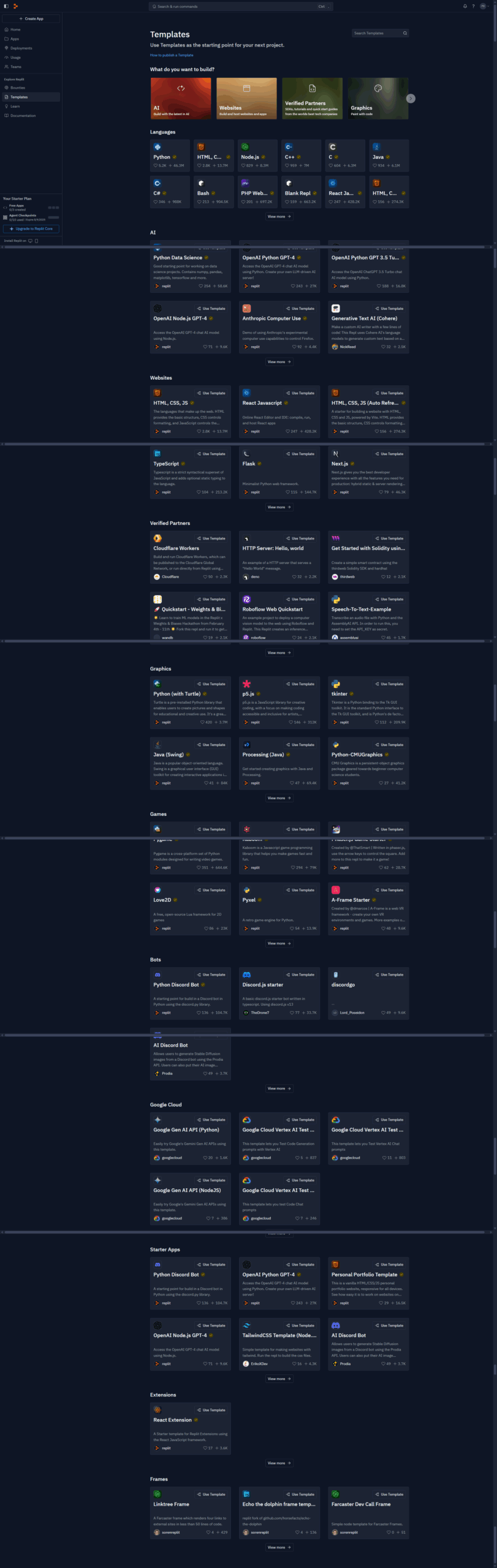
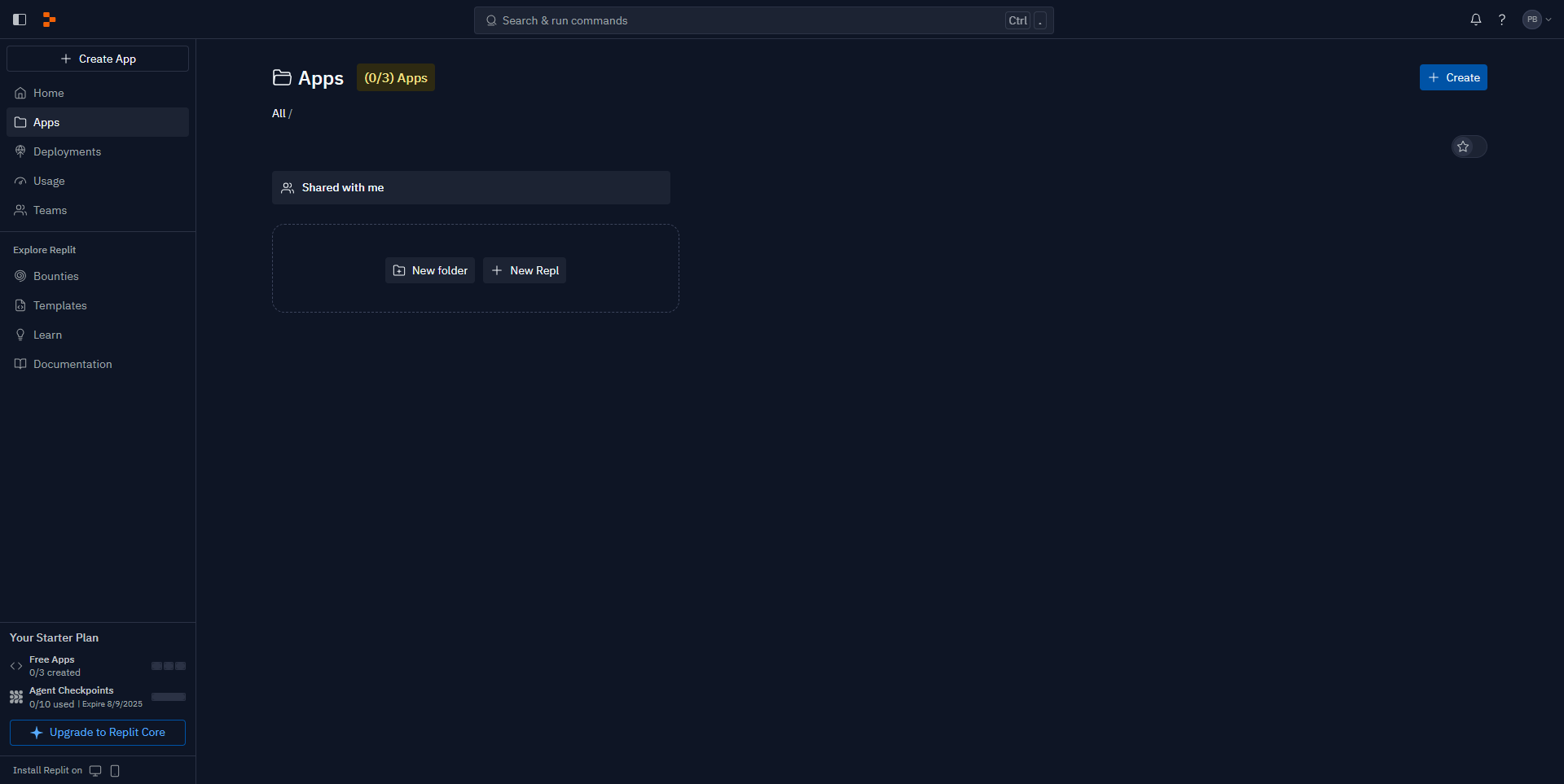
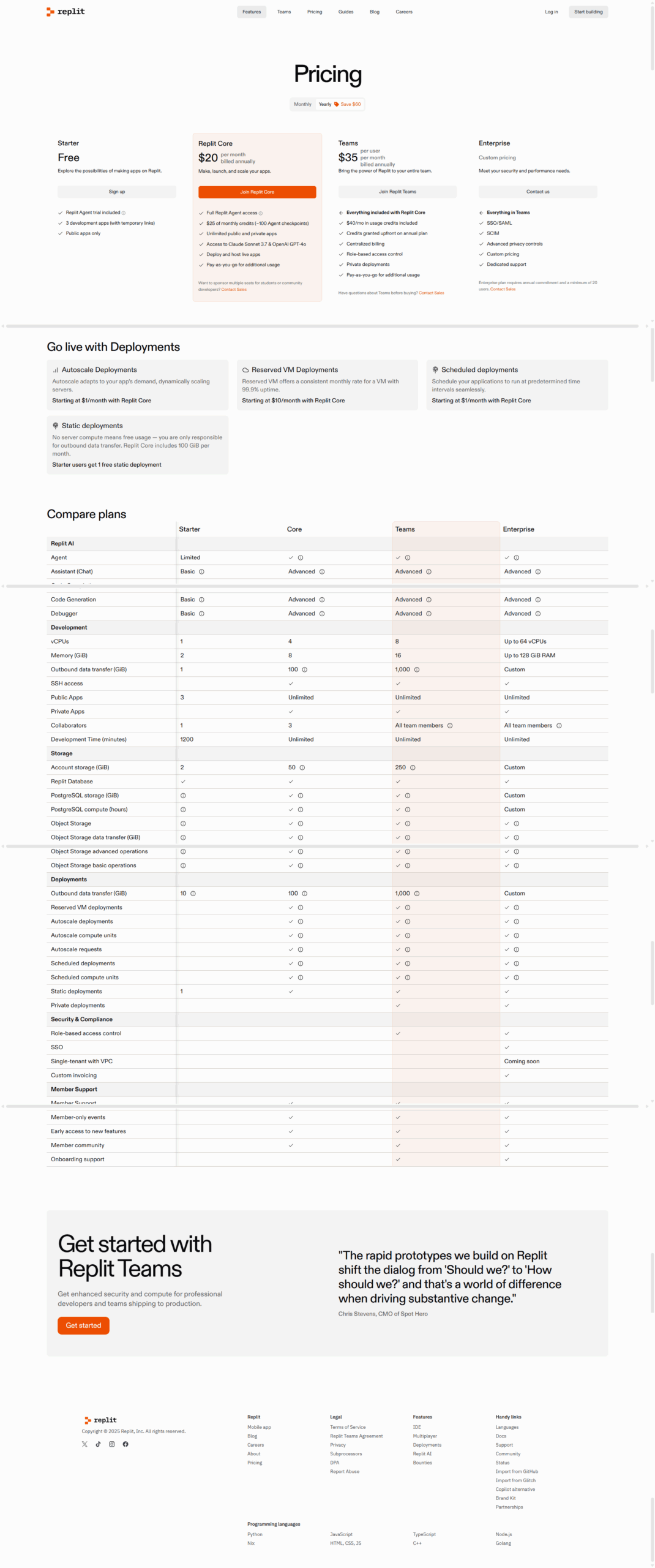
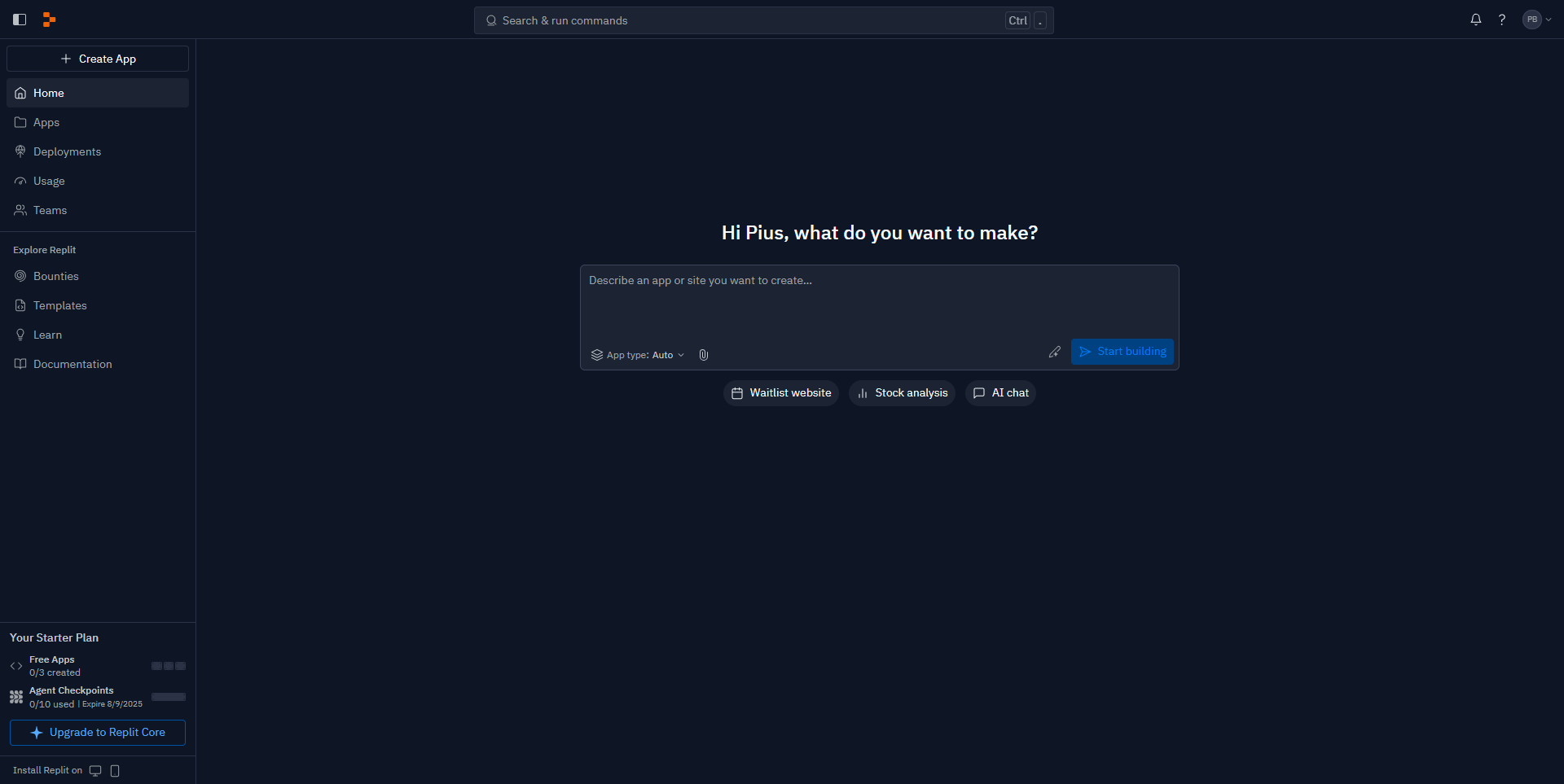
Replit is a browser-based PaaS and AI-powered development platform enabling users—technical and non-technical—to build and deploy full-stack apps with no installation or setup. Key features include multi-language support, intuitive AI assistants, single-click deployment, and collaborative coding. Plans range from Free ($0) to Teams ($40/user). Unlike Gitpod or AWS Lambda, it excels in ease of use and diverse language support but may lack advanced enterprise features. Ideal for developers, educators, and small teams. Customer support is robust, and its cost-effectiveness is notable, especially for smaller-scale projects.
AWS Lambda is a cost-effective, serverless computing platform tailored for developers, offering auto-scaling and versatile support for a wide range of languages like Python and Java. It executes code triggered by events, requiring no server management. Ideal for developers building APIs, event-driven apps, or microservices, Lambda is praised for ease of deployment and integration with AWS services but limited by a 15-minute runtime cap. Compared to alternatives like Google App Engine or Azure Functions, Lambda excels in scalability and cost-effectiveness but can struggle with cold-start delays. Its pricing aligns with usage, making it suitable for startups and enterprises alike. Customer support is reliable, though minor complexity exists in setups.