Project management tools like , Notion, Basecamp, Lark, Slack, Asana and Trello.
AI chatbot tools like ChatGPT, Grok, Perplexity, Claude, Gemini and Copilot.
Marketing analytics platforms like Google Analytics, Similarweb and Semrush.
CRM systems like HubSpot, Apollo.io Pipedrive, Zoho CRM, and Salesforce.
VPNs, SSO providers, and password managers like NordVPN, Okta, and LastPass.
Email marketing and campaign tools like MailerLite, Instantly, and Mailchimp.
Website builders, hosting tools like Hostinger, Webflow, Framer, and Shopify
HR and recruiting software like ATS platforms, BambooHR, Workday, and Lever.
Automate finances with confidence like Quickbooks, Stripe, Brex, and Mercury.
Design and editing tools like Figma, Canva, Adobe Creative Cloud, CapCut.
Workflow automation tools like Zapier, Make, Clay, and Reclaim.ai.
No-code and AI-native dev tools like Cursor, Windsurf, Lovable and Bubble.

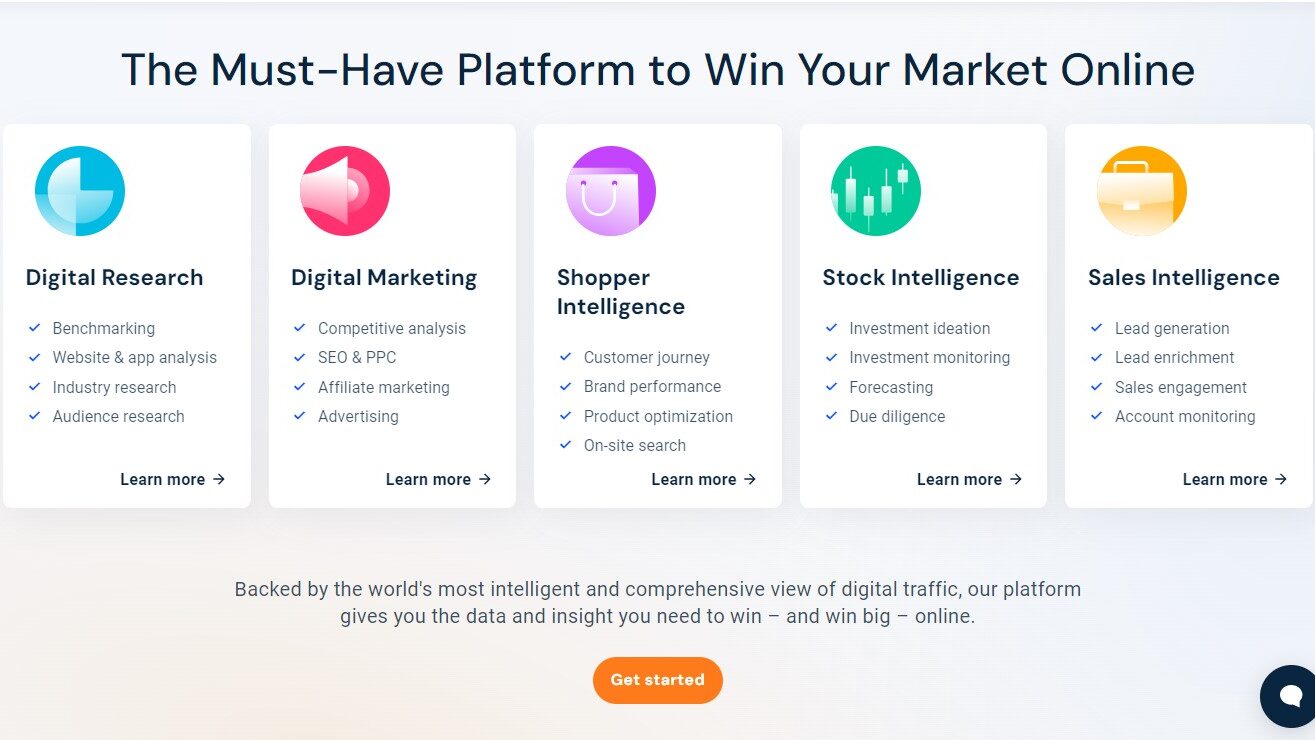
Similarweb delivers impressive digital intelligence through its comprehensive platform, providing daily-updated insights on website traffic, audience behavior, and competitive strategies. Its strengths lie in its broad data coverage (104M+ websites and apps), people-based measurement approach, and custom industry benchmarking capabilities. The platform excels for market researchers, digital marketers, and business strategists who need accurate, timely competitive intelligence. However, the considerable investment required makes it better suited for established businesses rather than startups or small companies.
Compared to SEMrush and Ahrefs, Similarweb offers superior market-level insights and traffic analytics but provides less specialized SEO and backlink analysis. While SEMrush excels in technical SEO and keyword analysis, Similarweb delivers broader digital market intelligence and real-time data updates. SpyFu offers more budget-friendly solutions for competitor keyword tracking but lacks Similarweb’s depth in audience insights and industry benchmarking capabilities.
Similarweb’s premium pricing reflects its enterprise-grade capabilities, delivering strong ROI for larger organizations needing comprehensive market intelligence. Support quality varies, with enterprise clients generally reporting positive experiences through dedicated account managers, while smaller accounts occasionally mention response delays. The platform’s extensive documentation and onboarding resources help offset the learning curve associated with its feature-rich interface.
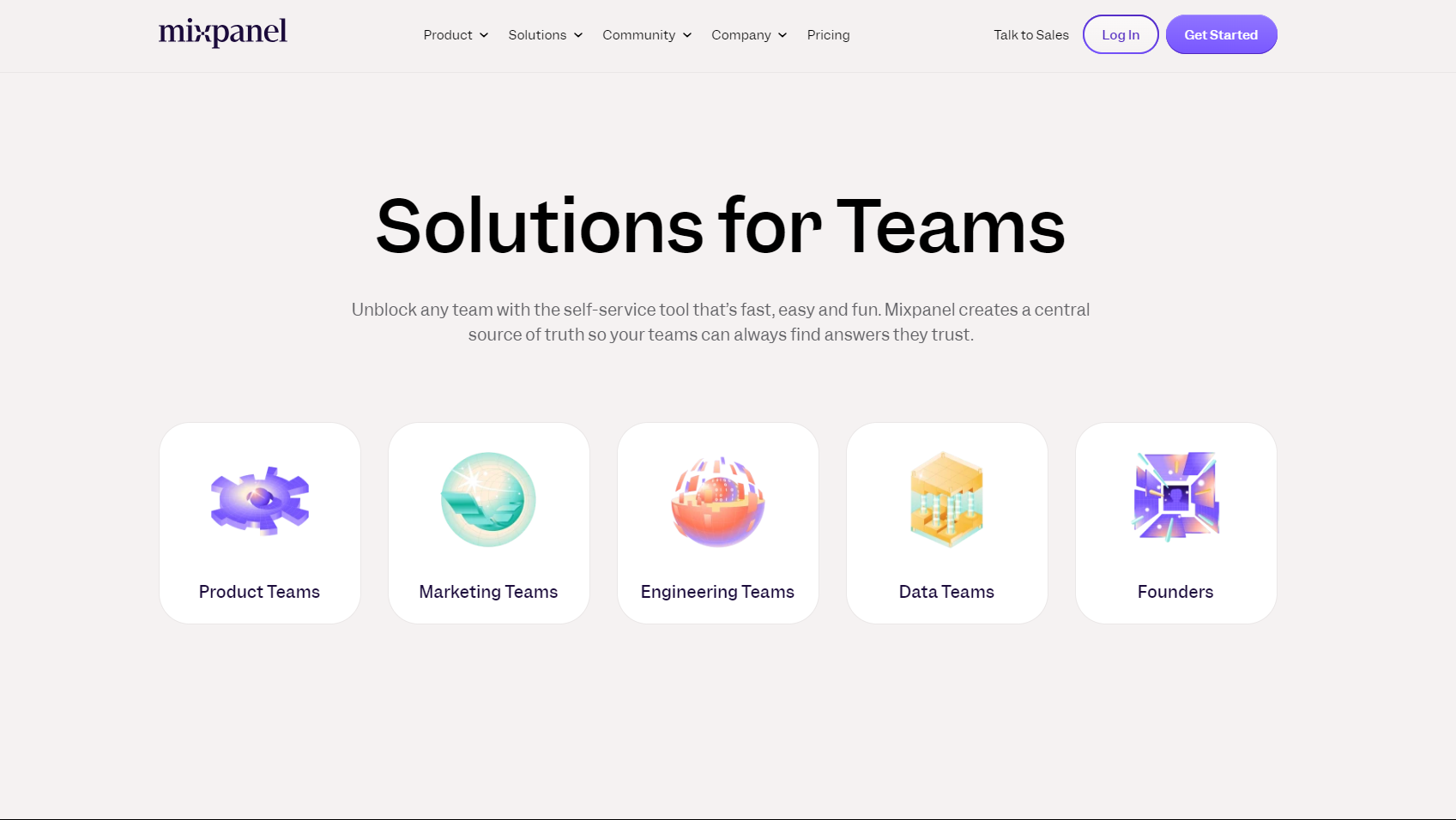
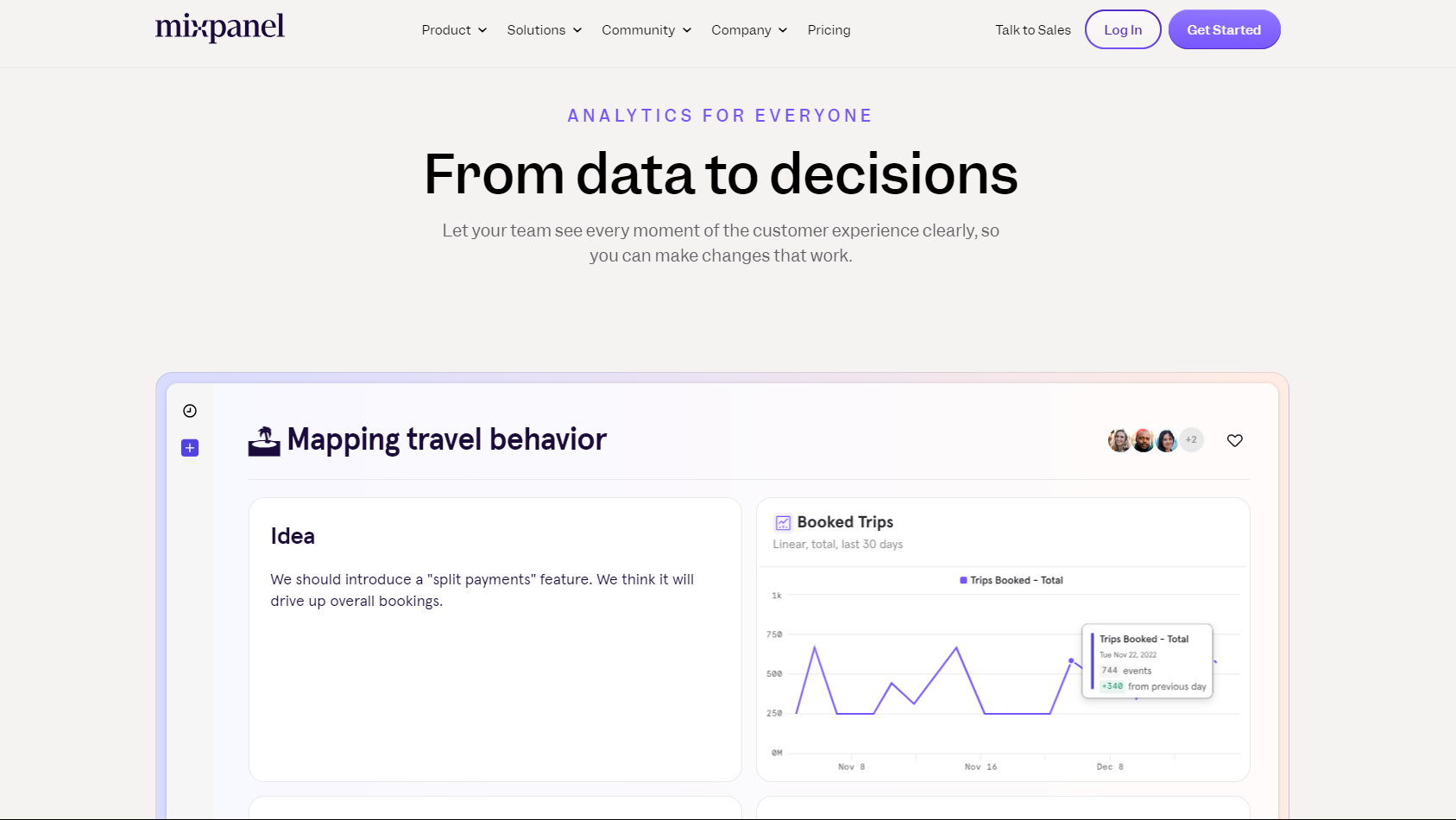
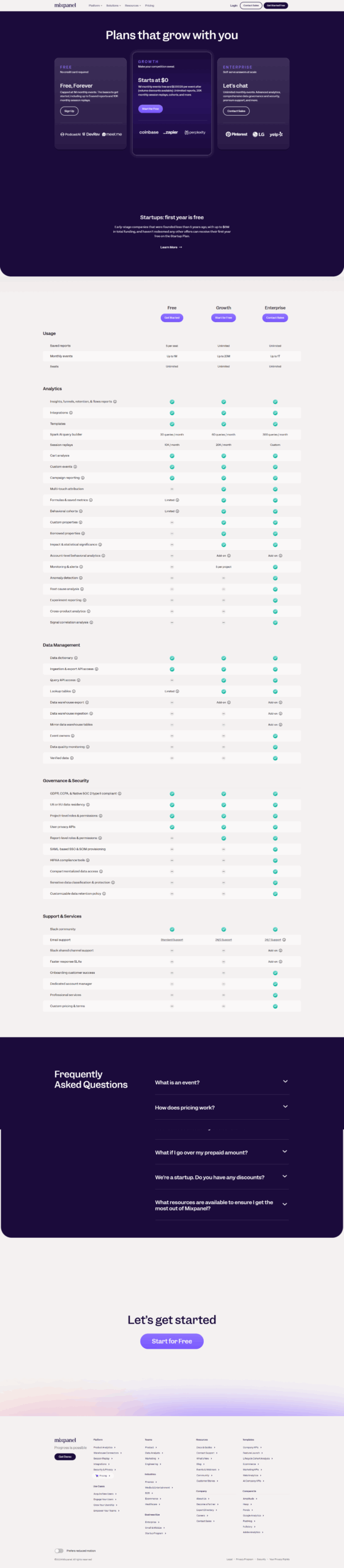
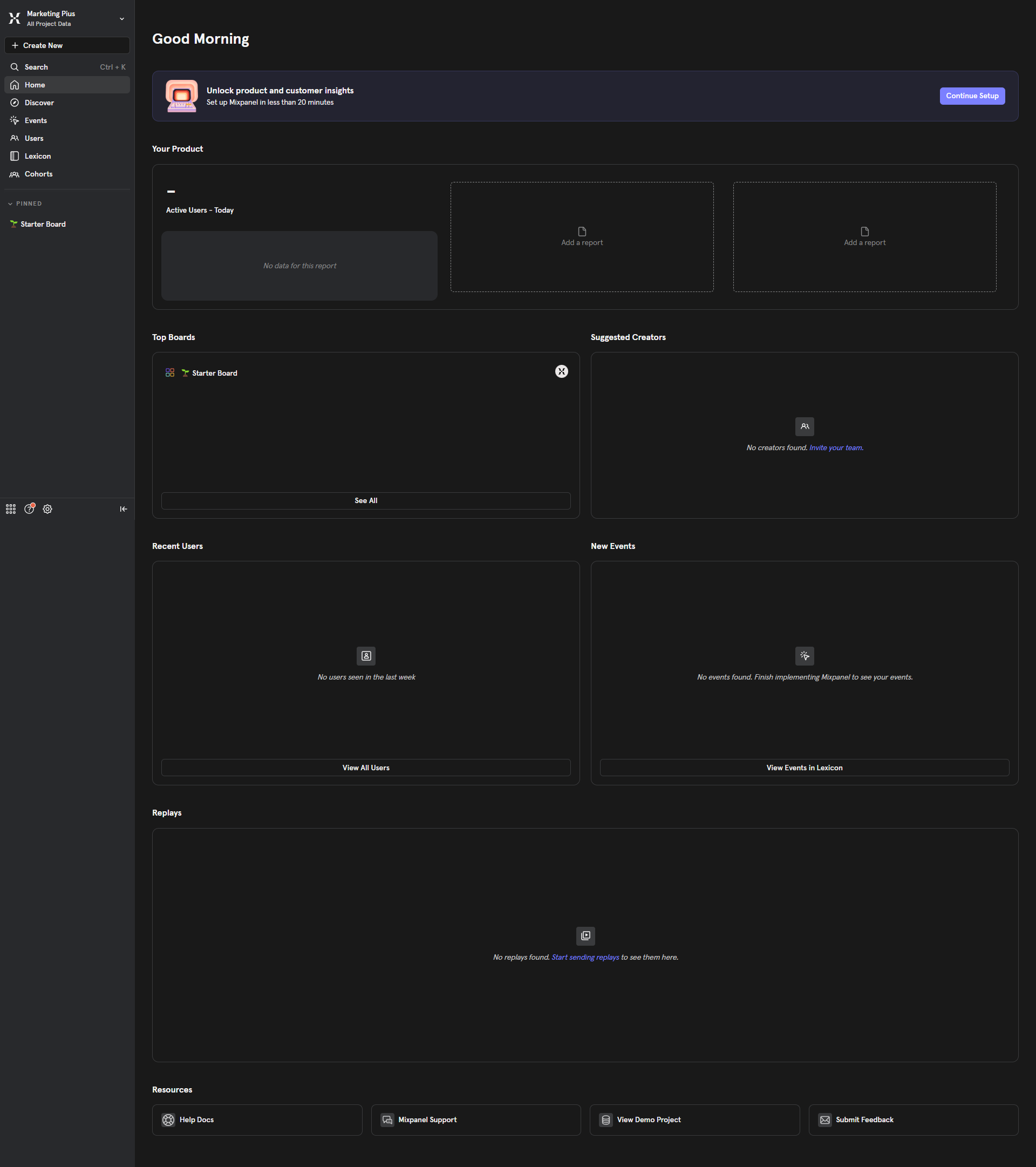
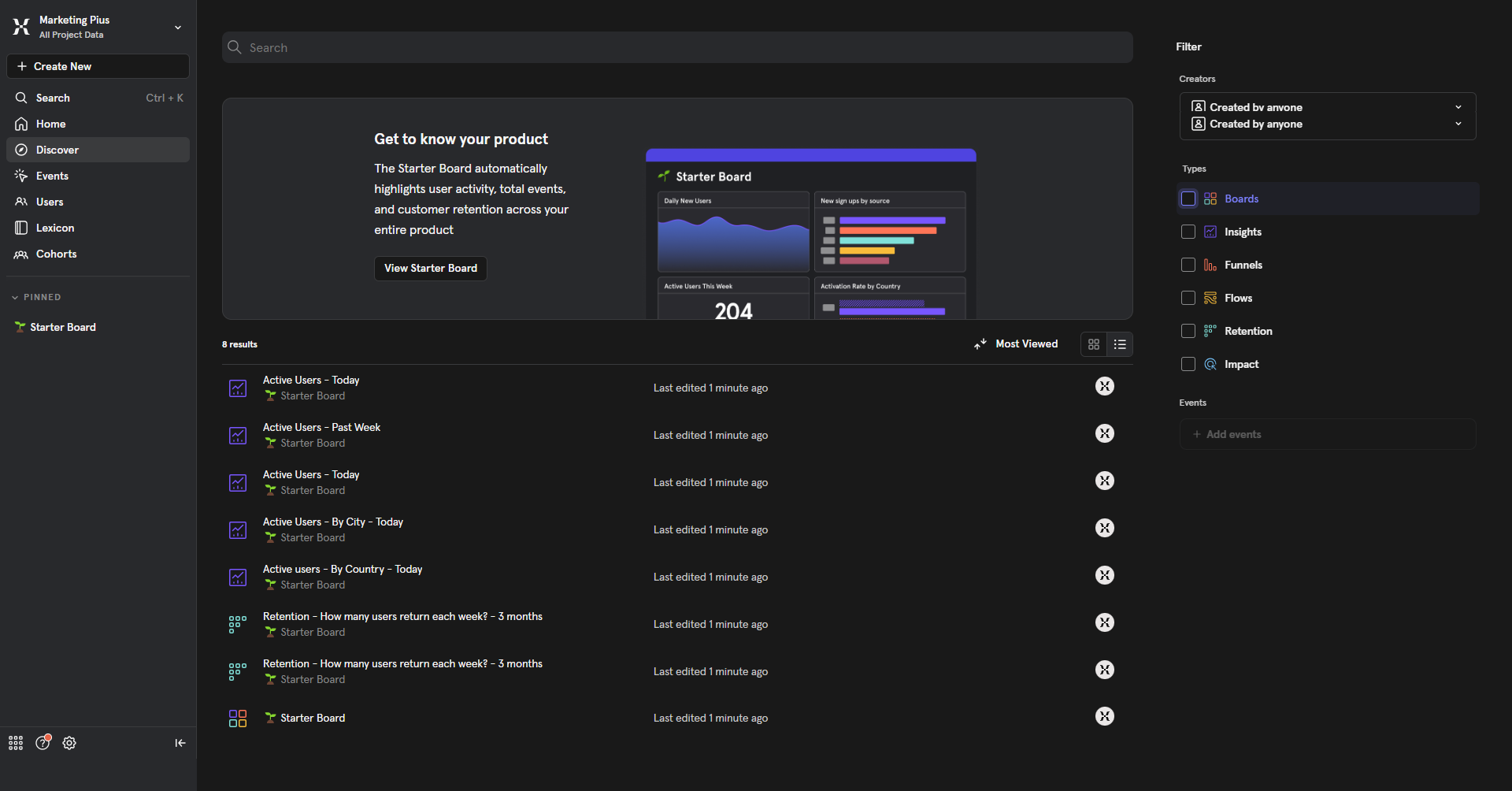
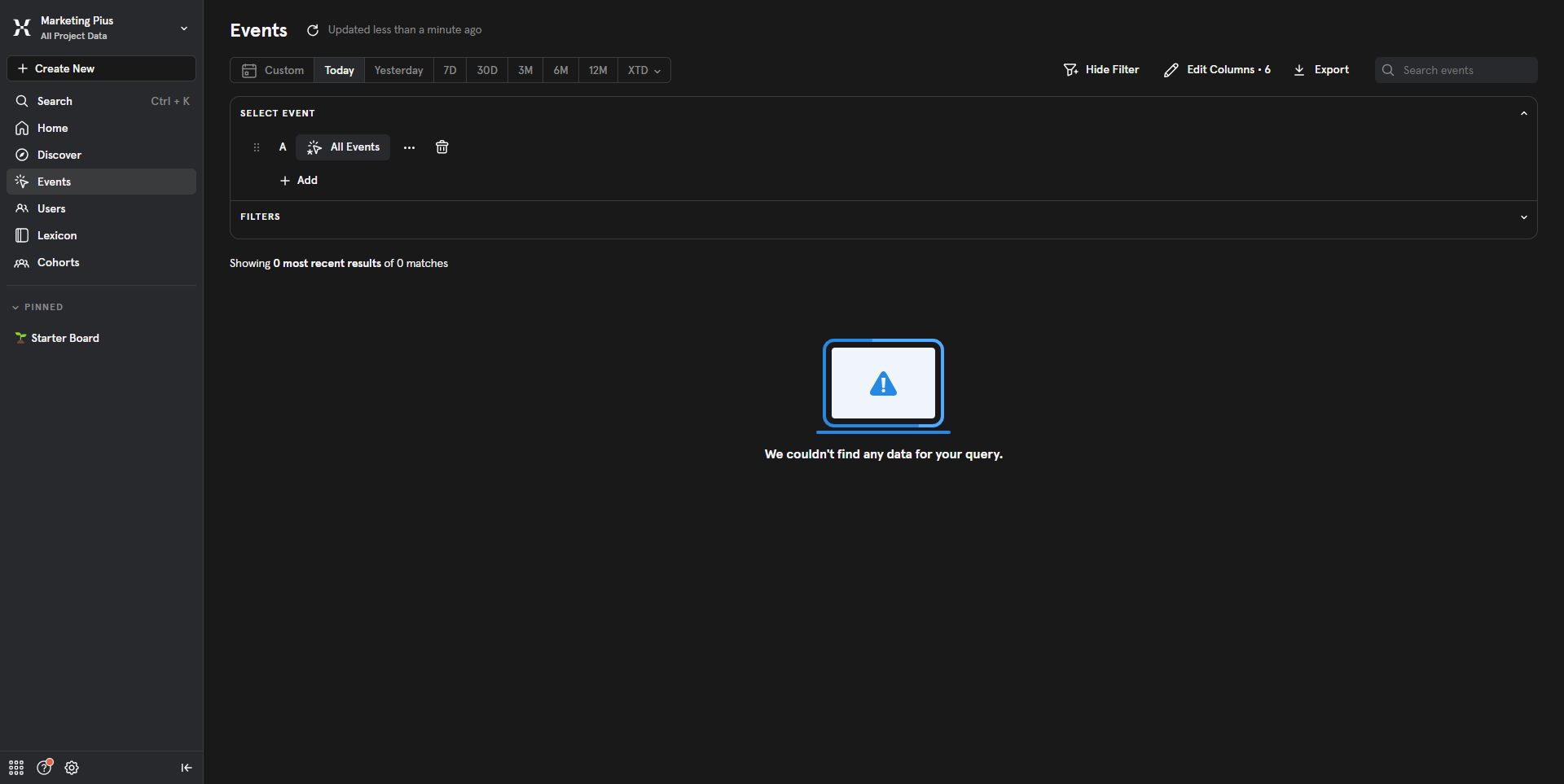
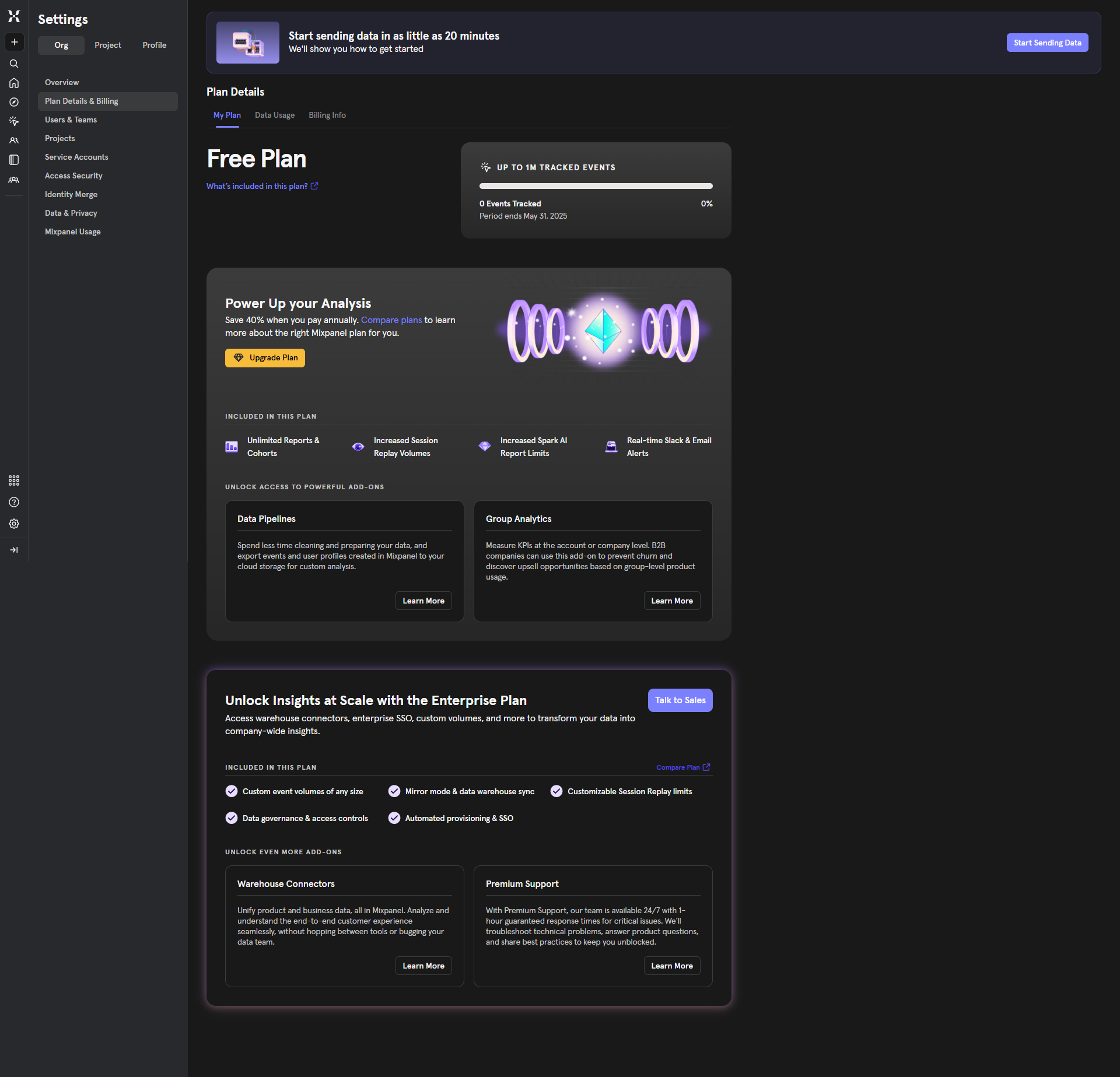
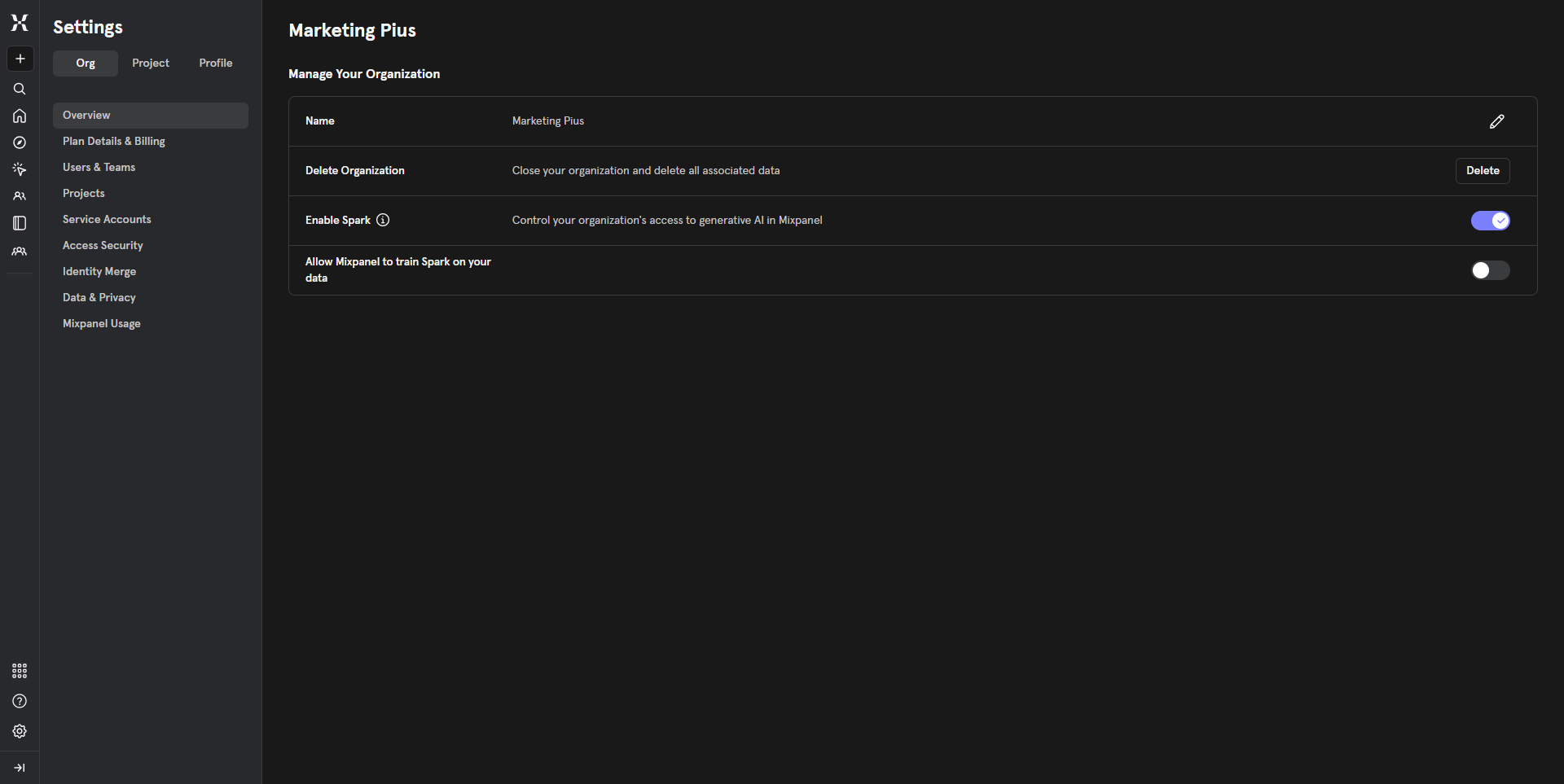
Mixpanel is a data analytics platform that empowers businesses with profound insights into user behavior. It offers powerful features such as real-time analytics, customizable dashboards, cohort analysis, funnels, and retention tracking. Ideal for developers and product managers, it facilitates quick decision-making and customer journey optimization. Designers and marketers benefit from its intuitive visualization tools. Pricing starts at $0 for 20M events/month, with Growth plans at $28/month and custom Enterprise plans available.
Pros: Advanced event tracking, seamless segmentations, user-friendly UI.
Cons: Steep learning curve, high cost for scaling, integration may require technical expertise.
Compared to alternatives like Heap or Amplitude, Mixpanel shines with its real-time data accuracy and robust analysis for SaaS teams. However, simpler platforms like Google Analytics might better suit smaller businesses.
Customer support is reliable, though some users report delays. Overall, it’s cost-effective for teams prioritizing detailed behavioral insights and product optimization.**