Project management tools like , Notion, Basecamp, Lark, Slack, Asana and Trello.
AI chatbot tools like ChatGPT, Grok, Perplexity, Claude, Gemini and Copilot.
Marketing analytics platforms like Google Analytics, Similarweb and Semrush.
CRM systems like HubSpot, Apollo.io Pipedrive, Zoho CRM, and Salesforce.
VPNs, SSO providers, and password managers like NordVPN, Okta, and LastPass.
Email marketing and campaign tools like MailerLite, Instantly, and Mailchimp.
Website builders, hosting tools like Hostinger, Webflow, Framer, and Shopify
HR and recruiting software like ATS platforms, BambooHR, Workday, and Lever.
Automate finances with confidence like Quickbooks, Stripe, Brex, and Mercury.
Design and editing tools like Figma, Canva, Adobe Creative Cloud, CapCut.
Workflow automation tools like Zapier, Make, Clay, and Reclaim.ai.
No-code and AI-native dev tools like Cursor, Windsurf, Lovable and Bubble.

Squadcast is an incident management platform tailored for DevOps, SREs, and IT teams, offering automation, real-time alerts, on-call scheduling, and customizable workflows to improve system reliability. Key features include SLA tracking, postmortems, escalations, and seamless integrations. Pricing starts at $9/user/month. Squadcast surpasses competitors like PagerDuty in cost-effectiveness, but lacks some advanced analytics. Customer support is reliable with fair pricing models.
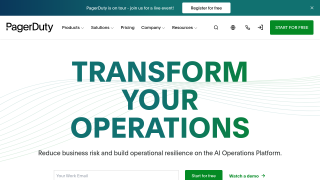
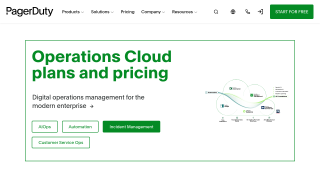
PagerDuty is a digital operations management tool designed for developers, IT teams, and support teams to handle incidents efficiently. Key features include real-time alerts, automated workflows, root-cause identification, and seamless integration with 700+ tools like Slack and Jira. With a user-friendly interface, it ensures minimized downtime and faster issue resolution. Pricing starts at $10/user per month, scaling up to $99 for enterprise plans.
Compared to alternatives like Opsgenie and xMatters, PagerDuty excels in integrations and ease of use but may seem costly for smaller teams. While perfect for IT teams, it may offer fewer direct benefits for marketers or designers. Customer support is reliable, and its robust features render it cost-effective for critical incident management. However, usability issues in UI and limited options for specific workflows can be drawbacks for some.