Project management tools like , Notion, Basecamp, Lark, Slack, Asana and Trello.
AI chatbot tools like ChatGPT, Grok, Perplexity, Claude, Gemini and Copilot.
Marketing analytics platforms like Google Analytics, Similarweb and Semrush.
CRM systems like HubSpot, Apollo.io Pipedrive, Zoho CRM, and Salesforce.
VPNs, SSO providers, and password managers like NordVPN, Okta, and LastPass.
Email marketing and campaign tools like MailerLite, Instantly, and Mailchimp.
Website builders, hosting tools like Hostinger, Webflow, Framer, and Shopify
HR and recruiting software like ATS platforms, BambooHR, Workday, and Lever.
Automate finances with confidence like Quickbooks, Stripe, Brex, and Mercury.
Design and editing tools like Figma, Canva, Adobe Creative Cloud, CapCut.
Workflow automation tools like Zapier, Make, Clay, and Reclaim.ai.
No-code and AI-native dev tools like Cursor, Windsurf, Lovable and Bubble.

Strapi is an open-source, headless CMS enabling seamless API creation and content management. Its features include a highly customizable content builder, REST/GraphQL APIs, role-based access, and multi-language support, making it ideal for developers creating tailored solutions. Pricing starts free with scalable plans like $29/month for "Cloud Developer."
Compared to alternatives like Sanity or Contentful, Strapi excels in flexibility and self-hosting options but lacks polished plugin support and easier upgrades. Designers may find it less intuitive, while developers benefit most from its JavaScript-based extensibility. Marketers might face a learning curve for content-heavy campaigns.
Customer support is decent with active community forums. Overall, it offers excellent value, especially for tech-savvy users wanting control over their CMS infrastructure.
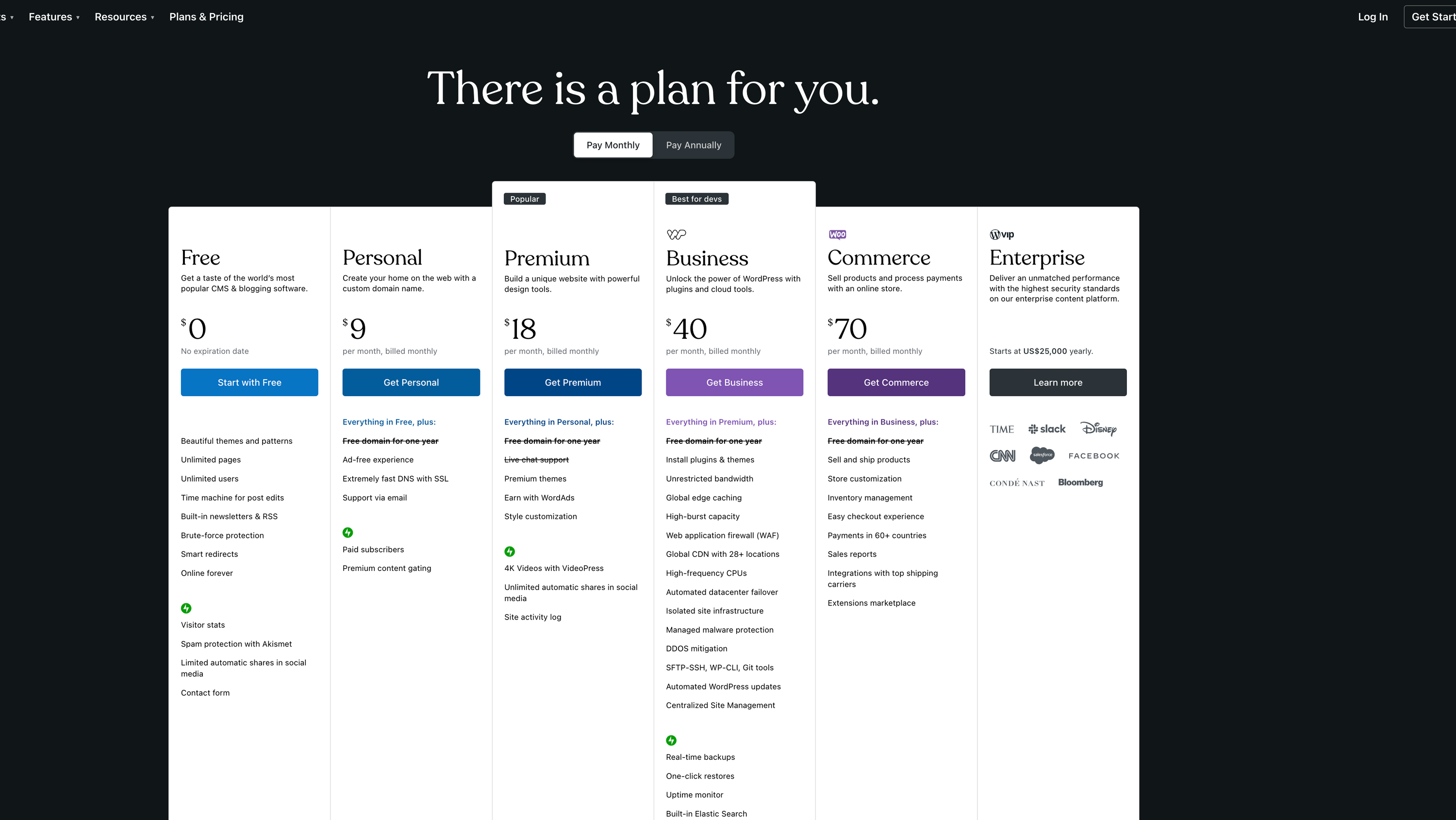
WordPress is a versatile and scalable website builder ideal for developers, designers, and marketers. Key features include customizable templates, SEO tools, e-commerce support, and extensive plugin options. It offers free and paid plans starting at $4/month. Compared to alternatives like Wix and Webflow, WordPress offers unmatched flexibility but requires more technical knowledge. Developers value its customization and open-source functionality, while non-technical users may face a learning curve. Support includes a large community and live options on premium plans. Cost-effective for advanced users, but managing plugins and updates can be time-intensive.