Project management tools like , Notion, Basecamp, Lark, Slack, Asana and Trello.
AI chatbot tools like ChatGPT, Grok, Perplexity, Claude, Gemini and Copilot.
Marketing analytics platforms like Google Analytics, Similarweb and Semrush.
CRM systems like HubSpot, Apollo.io Pipedrive, Zoho CRM, and Salesforce.
VPNs, SSO providers, and password managers like NordVPN, Okta, and LastPass.
Email marketing and campaign tools like MailerLite, Instantly, and Mailchimp.
Website builders, hosting tools like Hostinger, Webflow, Framer, and Shopify
HR and recruiting software like ATS platforms, BambooHR, Workday, and Lever.
Automate finances with confidence like Quickbooks, Stripe, Brex, and Mercury.
Design and editing tools like Figma, Canva, Adobe Creative Cloud, CapCut.
Workflow automation tools like Zapier, Make, Clay, and Reclaim.ai.
No-code and AI-native dev tools like Cursor, Windsurf, Lovable and Bubble.

Stripe Billing is a versatile subscription billing tool tailored for small businesses, startups, and developers. It supports recurring billing, customizable pricing models (tiered, metered), and integrates with CRMs, ERPs, and payment systems. With automation, fraud recovery via machine learning, and detailed reporting, it enhances billing efficiency. Priced at 2.9% + $0.30 per transaction, or 0.5% for recurring charges, Stripe is cost-effective for scaling businesses but may feel complex for non-technical users.
Comparison with Alternatives:
Compared to Chargebee or Paddle, Stripe excels in API flexibility and global reach, ideal for developers but less ideal for non-tech users seeking simplicity. Unlike others, it lacks built-in CRM tools.
Customer Support & Cost-Effectiveness:
24/7 support and no hidden fees make it reliable. However, some users find transaction fees high for large-scale usage. Overall, a robust, scalable tool for tech-savvy teams.
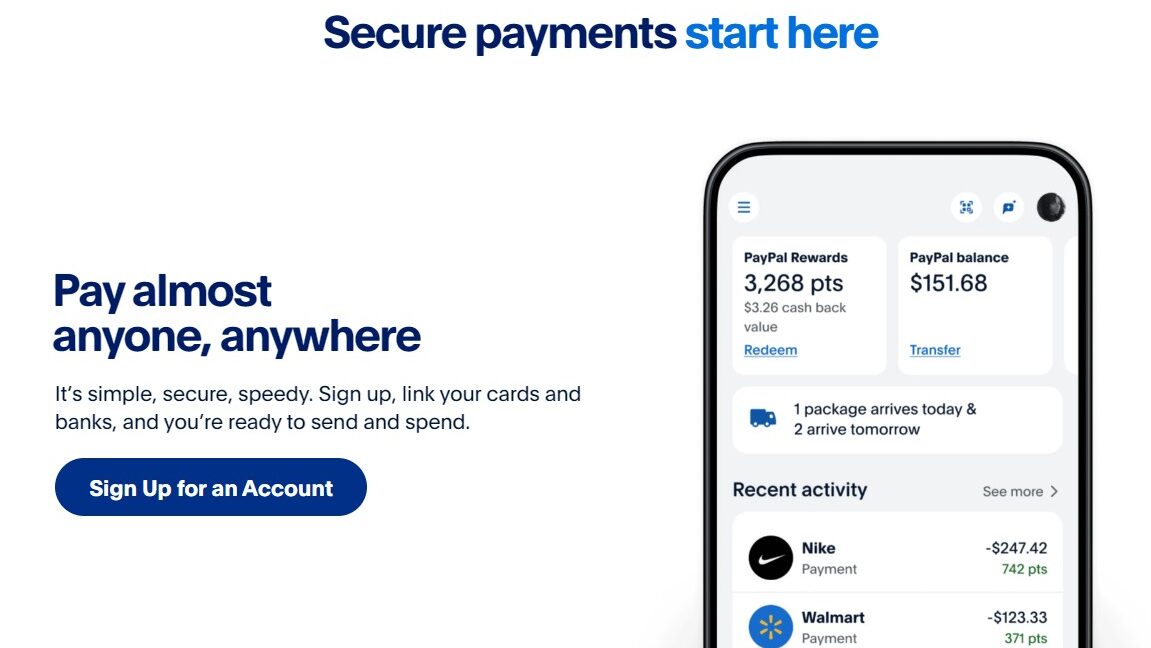
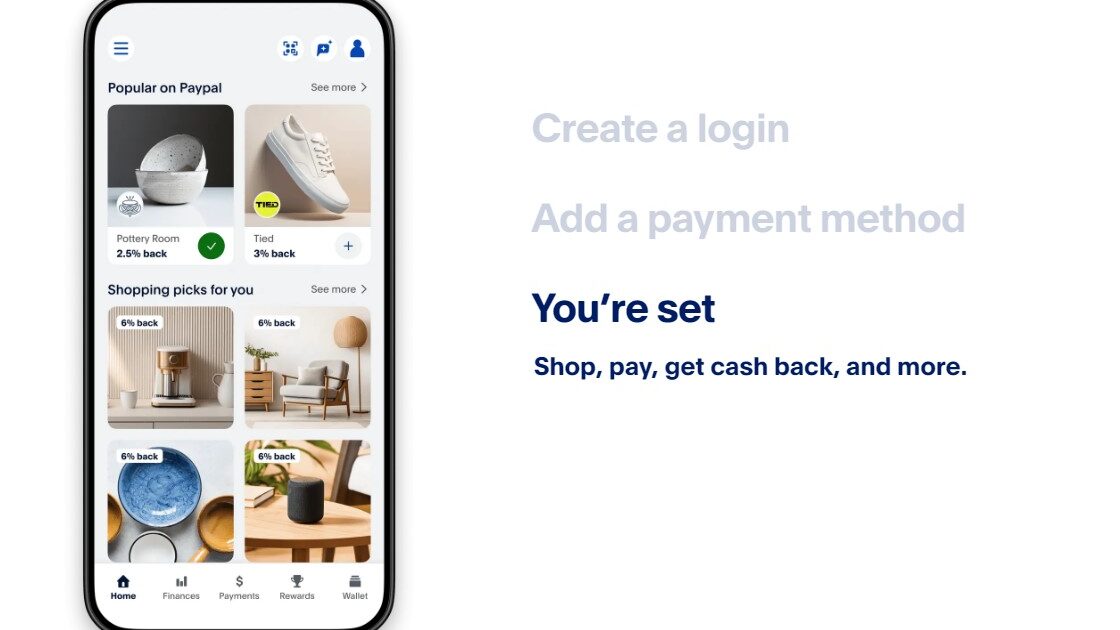
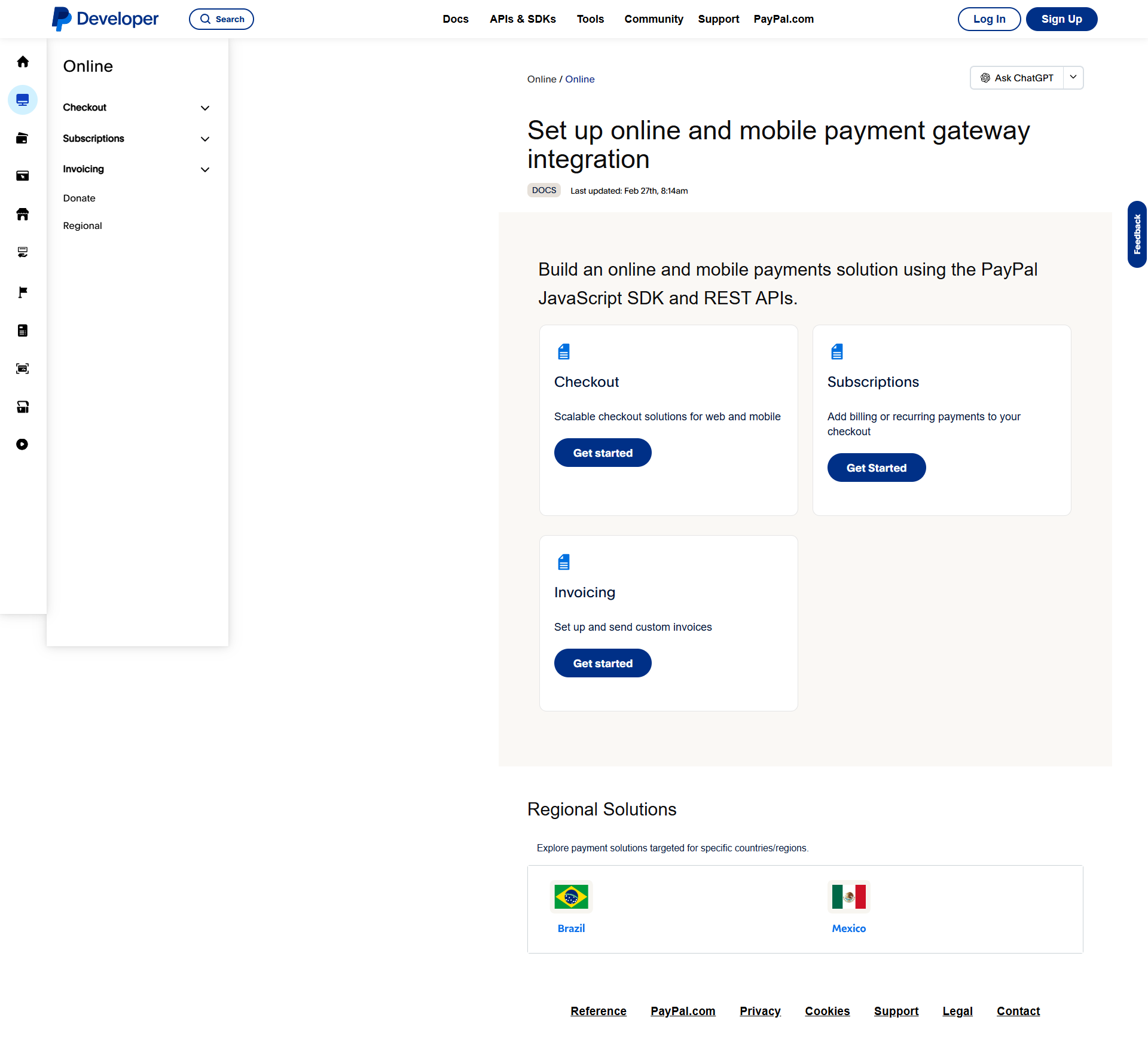
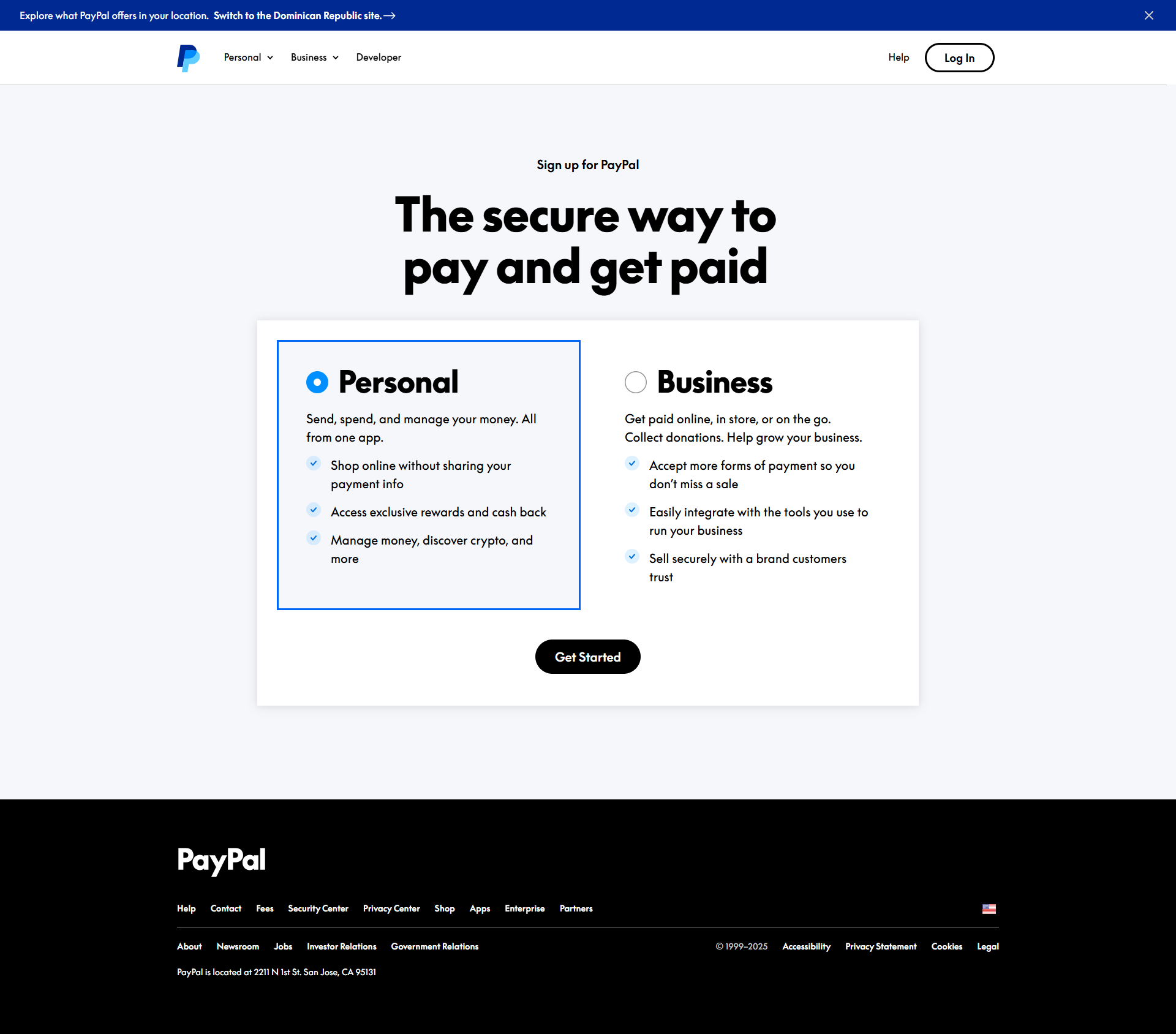
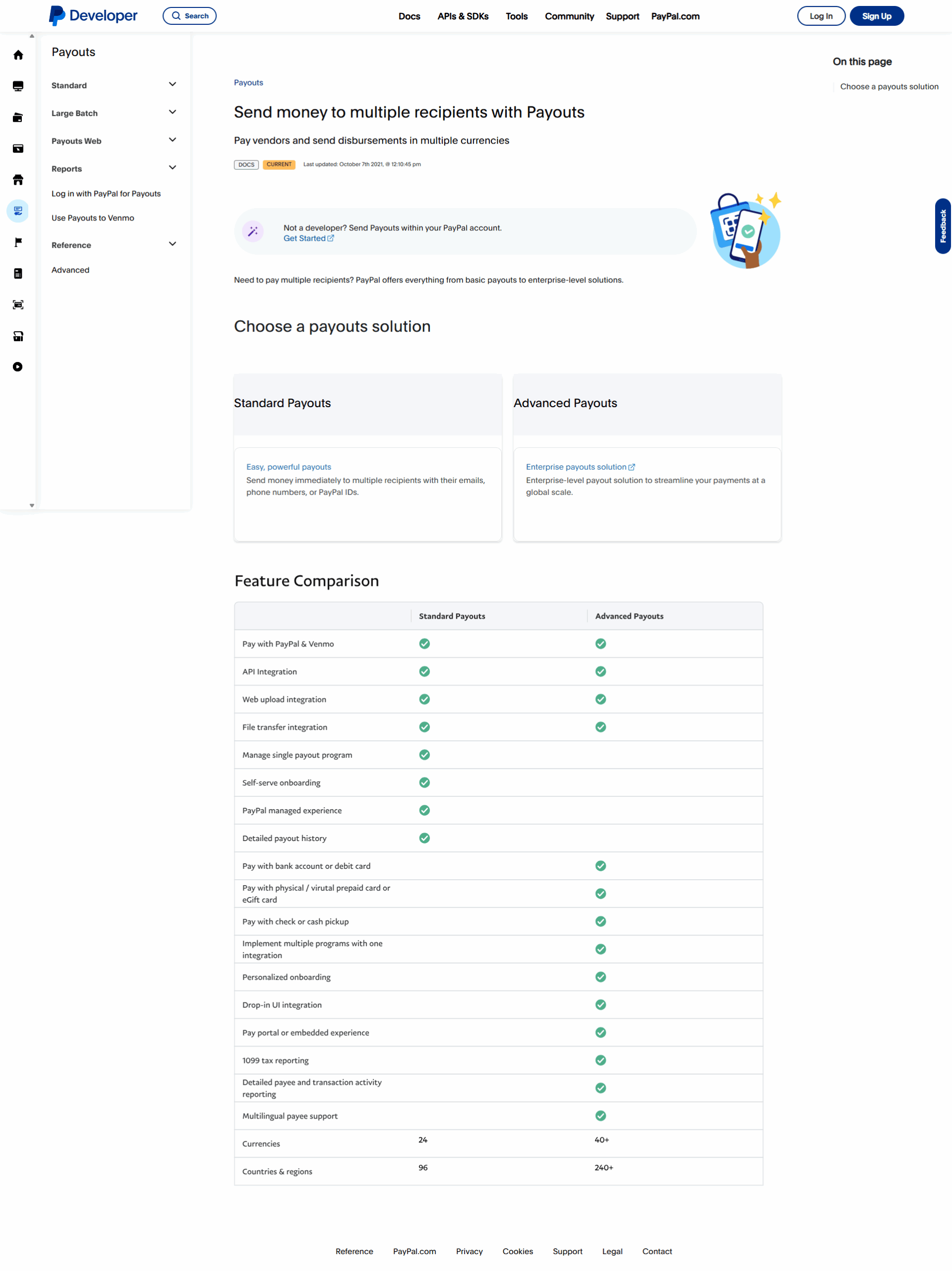
PayPal is a global payment platform offering features like online checkout, invoicing, multi-currency support, and API integrations with e-commerce and accounting tools. Known for its ease of use and security, it’s ideal for designers, small business owners, and international freelancers. Pros include wide adoption, global reach, and robust features. Cons involve high fees, account limitations, and inconsistent customer support. Alternatives like Stripe offer better developer tools, while Payoneer excels in lower international fees. PayPal remains cost-effective and reliable for diverse user needs.