Project management tools like , Notion, Basecamp, Lark, Slack, Asana and Trello.
AI chatbot tools like ChatGPT, Grok, Perplexity, Claude, Gemini and Copilot.
Marketing analytics platforms like Google Analytics, Similarweb and Semrush.
CRM systems like HubSpot, Apollo.io Pipedrive, Zoho CRM, and Salesforce.
VPNs, SSO providers, and password managers like NordVPN, Okta, and LastPass.
Email marketing and campaign tools like MailerLite, Instantly, and Mailchimp.
Website builders, hosting tools like Hostinger, Webflow, Framer, and Shopify
HR and recruiting software like ATS platforms, BambooHR, Workday, and Lever.
Automate finances with confidence like Quickbooks, Stripe, Brex, and Mercury.
Design and editing tools like Figma, Canva, Adobe Creative Cloud, CapCut.
Workflow automation tools like Zapier, Make, Clay, and Reclaim.ai.
No-code and AI-native dev tools like Cursor, Windsurf, Lovable and Bubble.

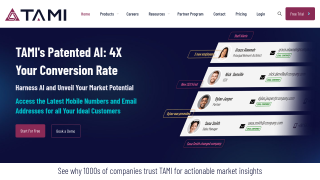
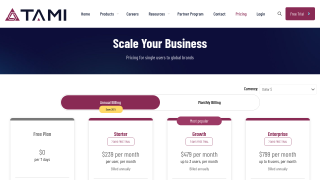
TAMI is a robust lead intelligence platform for sales, marketing, and RevOps teams, offering access to 450M+ contacts from 71M+ companies globally. Key features include advanced lead generation, data enrichment, search filters, and CRM integration with an impressive <5% bounce rate. It outperforms competitors like ZoomInfo or Lusha in data depth and ease of use but may lack regional data and advanced analytics in niche sectors. TAMI excels in accurate filtering, user-friendly design, and stellar customer support. Pricing is customized, making it suitable for medium-to-large organizations aiming for targeted lead acquisition. However, alternatives may offer better cost-efficiency for startups.
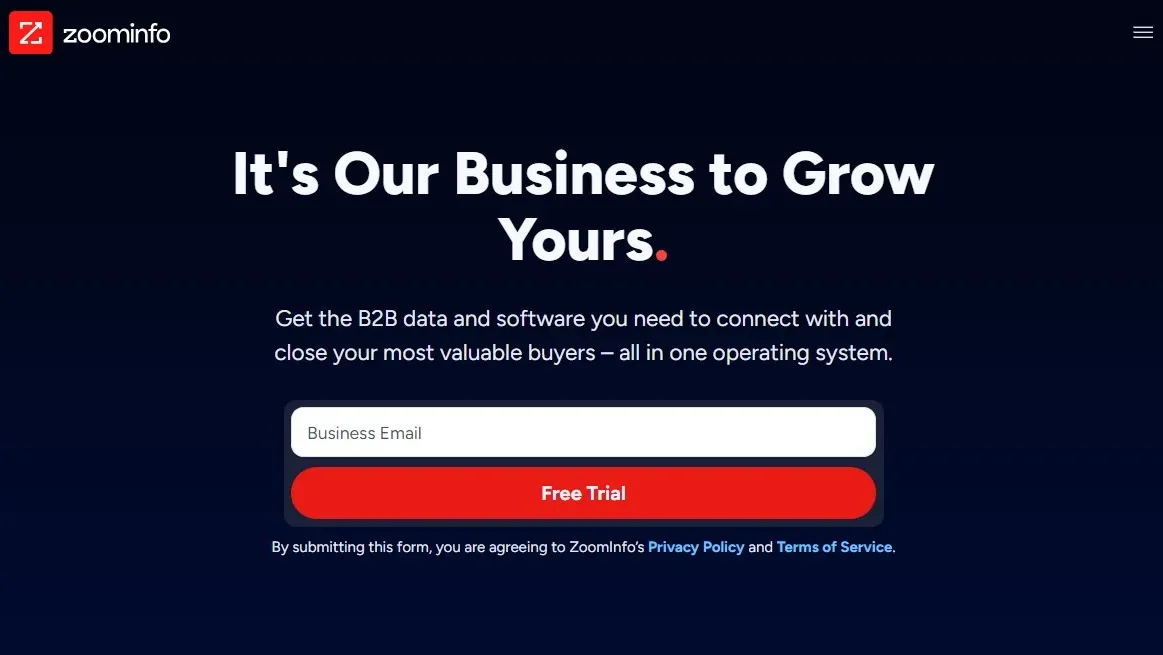
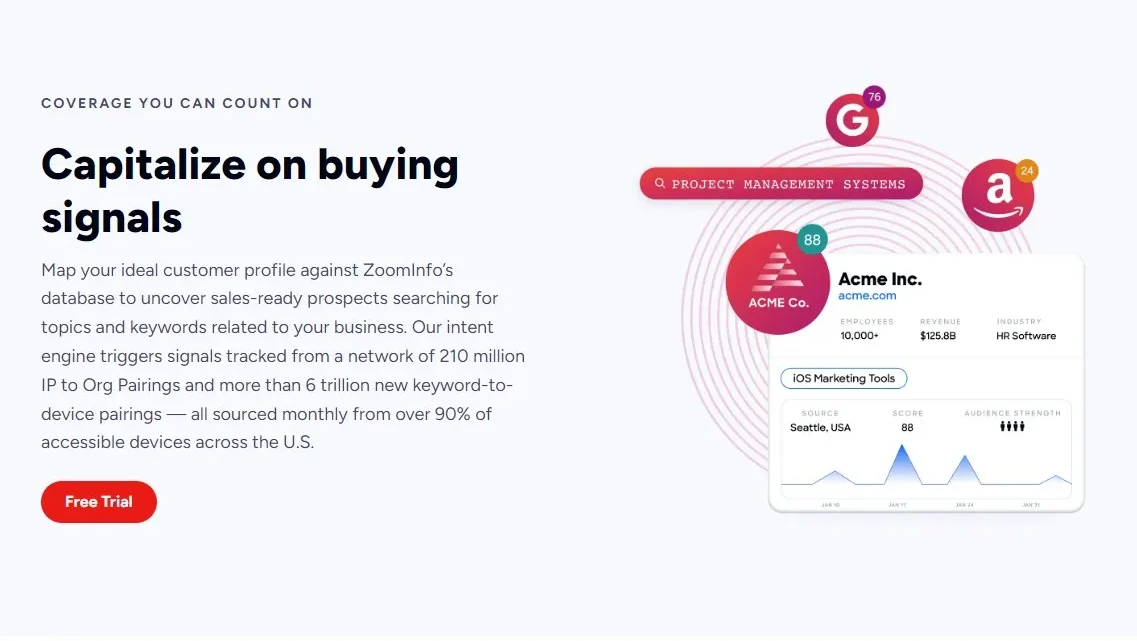
ZoomInfo Sales is a leading B2B go-to-market platform with an extensive, frequently updated database of contact and company insights, covering features like lead enrichment, intent data, CRM integration, and predictive analytics. Its accuracy and data depth especially benefit sales and marketing teams targeting enterprises. However, some alternatives like Apollo.io or Lusha may offer more cost-effective plans with better customization for smaller teams and developers. ZoomInfo stands out for its robust insights but faces criticism for high costs, limited international data, and inconsistent customer support. Best for experienced professionals seeking detailed insights; less suitable for small businesses.