Project management tools like , Notion, Basecamp, Lark, Slack, Asana and Trello.
AI chatbot tools like ChatGPT, Grok, Perplexity, Claude, Gemini and Copilot.
Marketing analytics platforms like Google Analytics, Similarweb and Semrush.
CRM systems like HubSpot, Apollo.io Pipedrive, Zoho CRM, and Salesforce.
VPNs, SSO providers, and password managers like NordVPN, Okta, and LastPass.
Email marketing and campaign tools like MailerLite, Instantly, and Mailchimp.
Website builders, hosting tools like Hostinger, Webflow, Framer, and Shopify
HR and recruiting software like ATS platforms, BambooHR, Workday, and Lever.
Automate finances with confidence like Quickbooks, Stripe, Brex, and Mercury.
Design and editing tools like Figma, Canva, Adobe Creative Cloud, CapCut.
Workflow automation tools like Zapier, Make, Clay, and Reclaim.ai.
No-code and AI-native dev tools like Cursor, Windsurf, Lovable and Bubble.

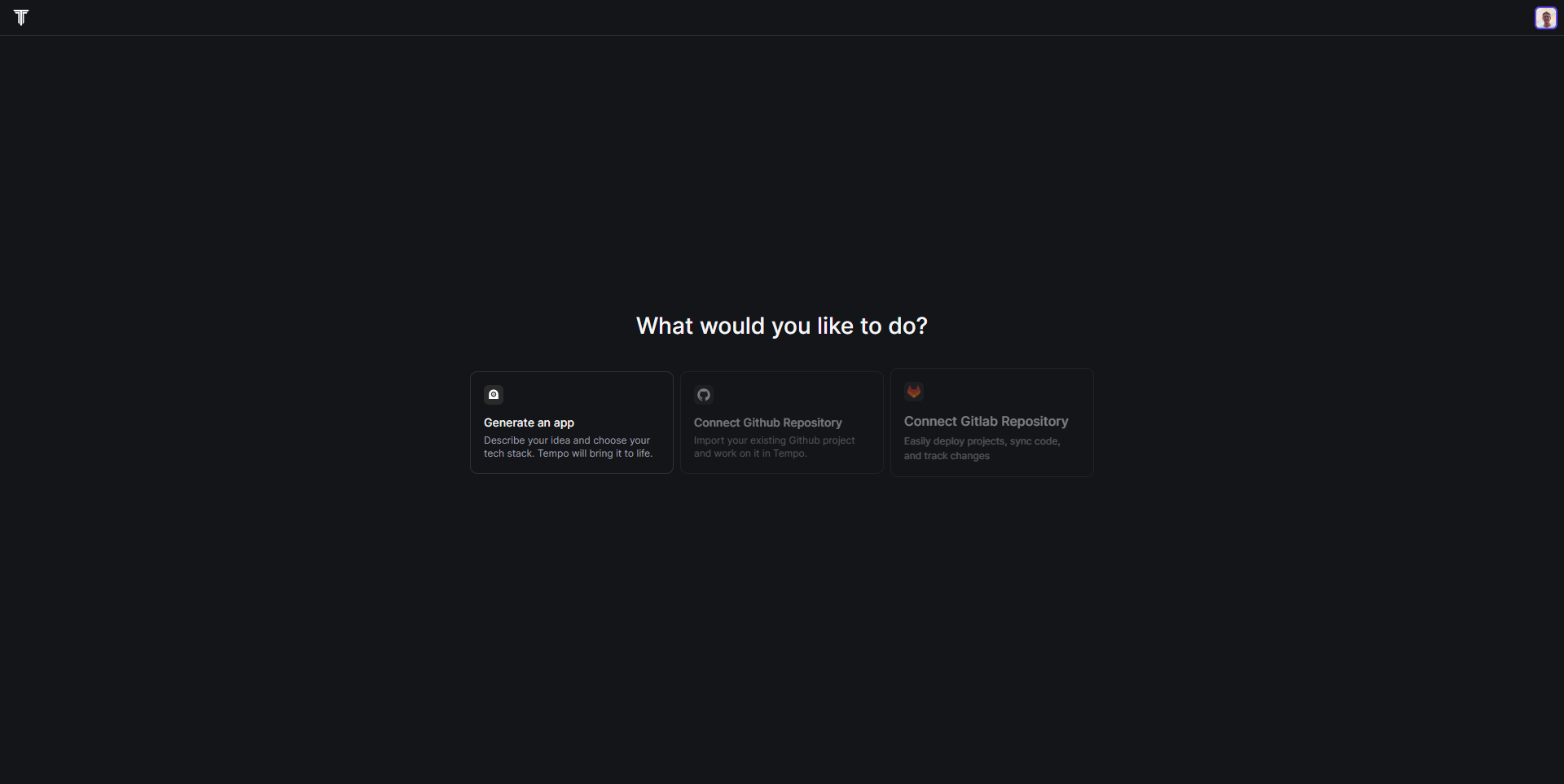
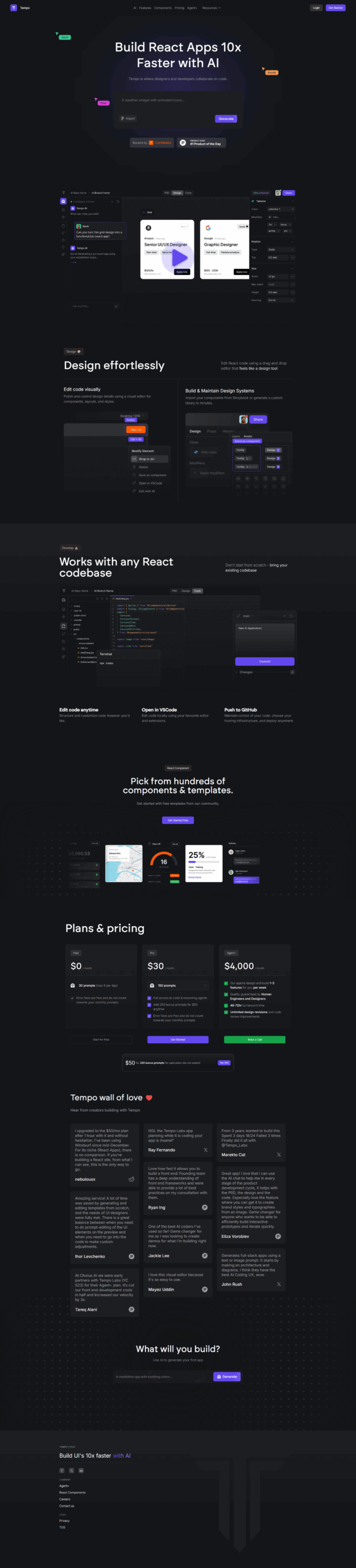
Tempo is an innovative AI-powered, code-first platform tailored for React application development. Its core strength lies in seamlessly blending visual design capabilities with direct manipulation of production-ready React code, fostering real-time collaboration between designers and developers. It’s best suited for teams aiming to accelerate prototyping and development cycles, particularly those already invested in the React ecosystem (Vite and Tailwind CSS are optimized). Key trade-offs include its current React-specific focus and the significant investment required for its premium Agent+ plan, which offers human-in-the-loop development.
Comparison with Alternatives Compared to traditional design tools like Figma, Tempo offers a true code-first workflow rather than just design handoff or basic code export. Against AI code converters like Locofy.ai, Tempo provides a more integrated and continuous development environment for editing and managing code. While platforms like Plasmic or Codux offer similar visual React building, Tempo‘s emphasis on AI for generation, debugging, and the unique Agent+ human assistance sets it apart, though some alternatives might offer broader framework support or be open-source.
Cost-Effectiveness & Support Tempo‘s free plan offers good initial value for testing, and the Pro plan is reasonably priced for individuals and small teams. The Agent+ plan, while expensive, provides a unique service of human-engineered features, which could be cost-effective for teams needing rapid, high-quality development without expanding their core team. Support on higher-tier plans includes direct human intervention and unlimited revisions, suggesting good responsiveness, while standard support is likely through typical help center channels.
Pros: AI-driven code generation & debugging, strong collaboration, true code-first approach. Cons: React-only, Agent+ plan is costly, potential learning curve for React newcomers.
Product Overview: BOLT
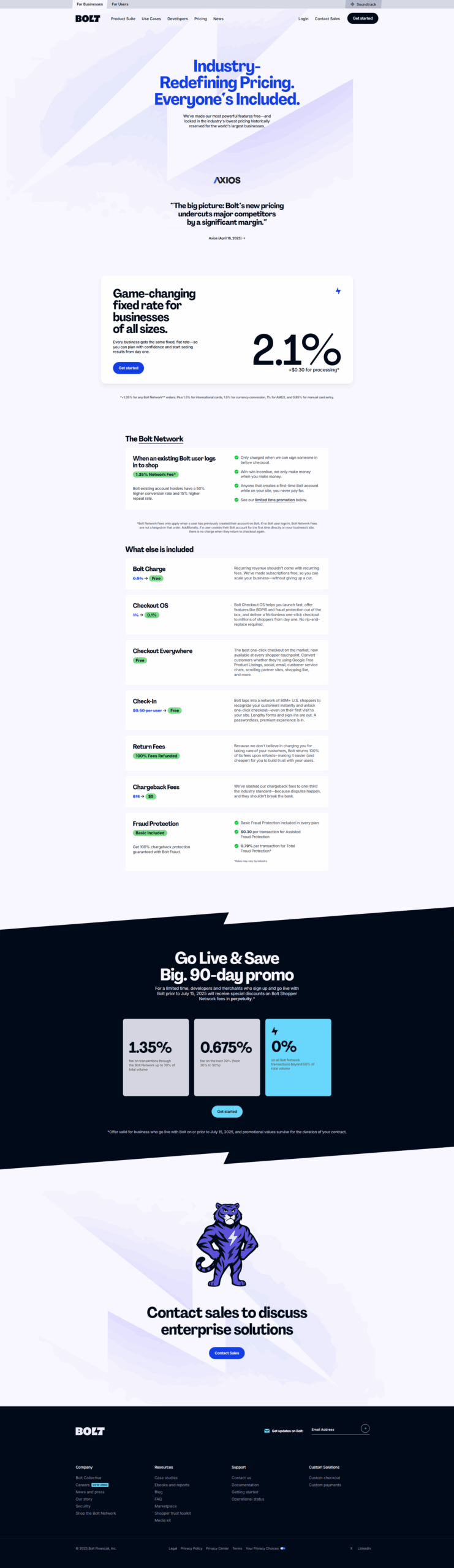
BOLT is innovative software catering to CDL (Commercial Driver’s License) schools, enabling streamlined management of enrollment, scheduling, billing, payments, compliance, and student progress. This intuitive, web-based platform eliminates paperwork while optimizing administrative workflows. At $65 per student (one-time fee), BOLT offers robust functionality by integrating real-time tracking, FMCSA reporting, and document uploads.
Comparison with Alternatives:
Pros: Comprehensive functionality for CDL schools, rapid support, ease of use, federal compliance.
Cons: Requires constant internet connectivity.
Customer Support & Cost-Effectiveness: Highly-rated support with responses in under an hour and no additional setup fees ensure value for money for CDL schools.