Project management tools like , Notion, Basecamp, Lark, Slack, Asana and Trello.
AI chatbot tools like ChatGPT, Grok, Perplexity, Claude, Gemini and Copilot.
Marketing analytics platforms like Google Analytics, Similarweb and Semrush.
CRM systems like HubSpot, Apollo.io Pipedrive, Zoho CRM, and Salesforce.
VPNs, SSO providers, and password managers like NordVPN, Okta, and LastPass.
Email marketing and campaign tools like MailerLite, Instantly, and Mailchimp.
Website builders, hosting tools like Hostinger, Webflow, Framer, and Shopify
HR and recruiting software like ATS platforms, BambooHR, Workday, and Lever.
Automate finances with confidence like Quickbooks, Stripe, Brex, and Mercury.
Design and editing tools like Figma, Canva, Adobe Creative Cloud, CapCut.
Workflow automation tools like Zapier, Make, Clay, and Reclaim.ai.
No-code and AI-native dev tools like Cursor, Windsurf, Lovable and Bubble.

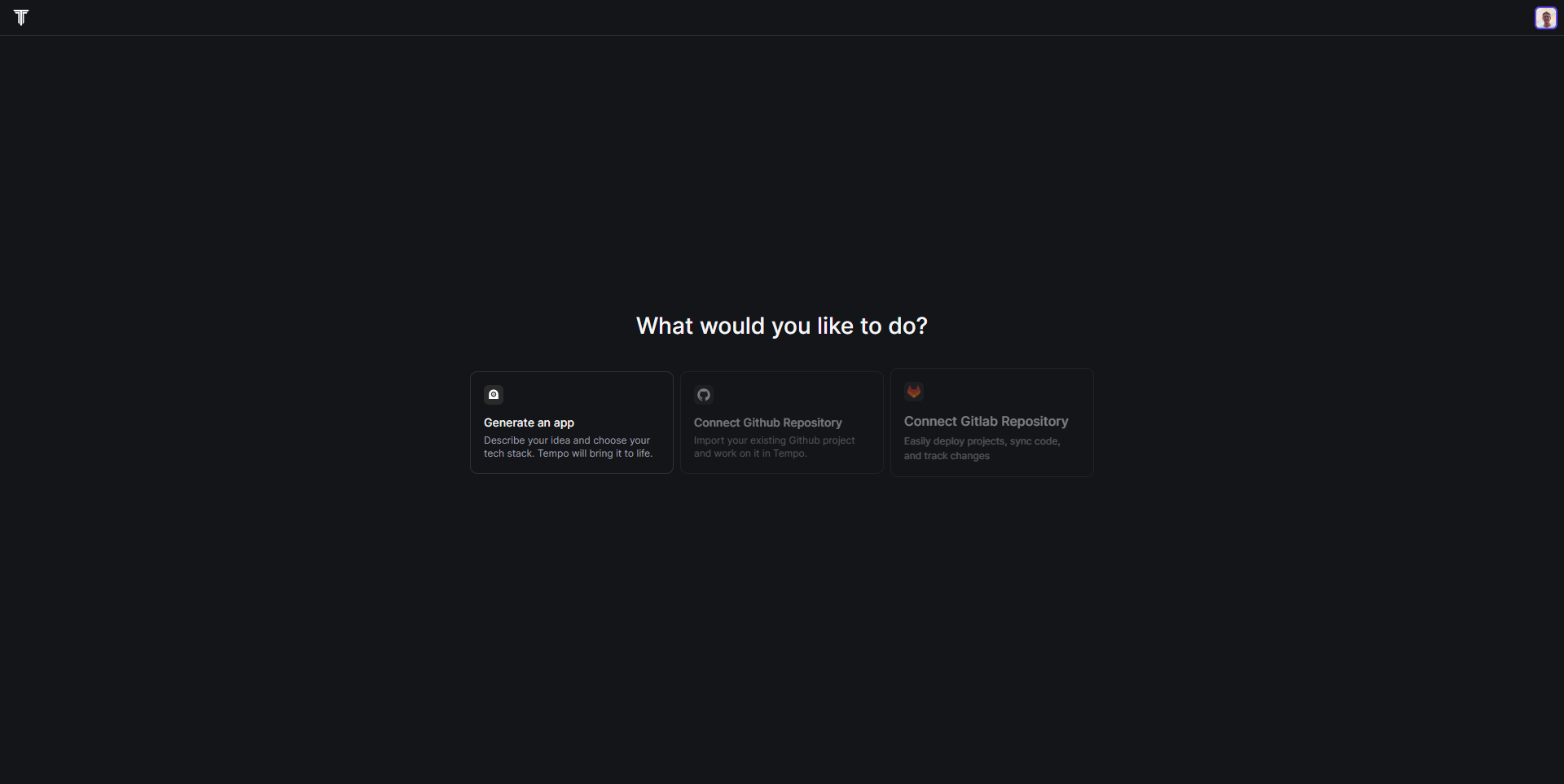
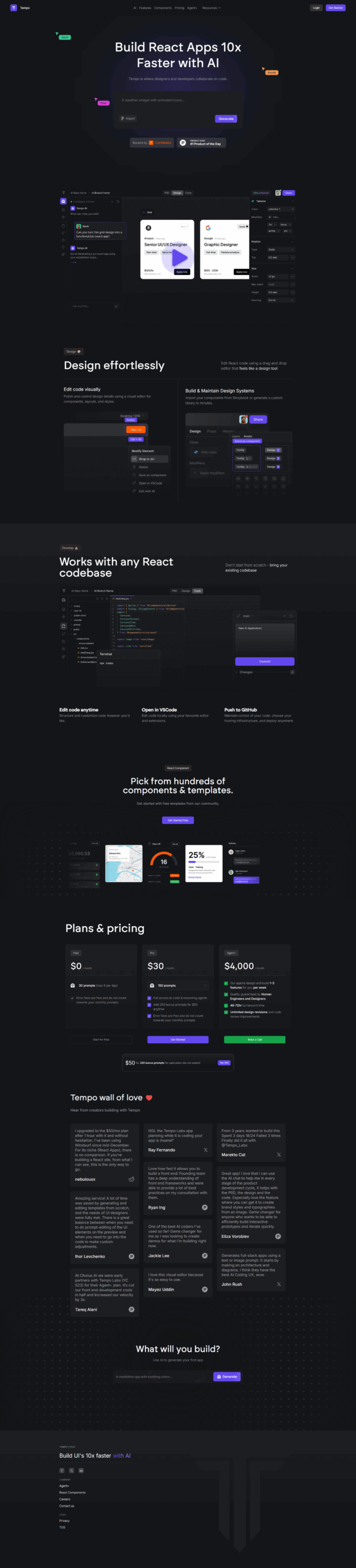
Tempo is an innovative AI-powered, code-first platform tailored for React application development. Its core strength lies in seamlessly blending visual design capabilities with direct manipulation of production-ready React code, fostering real-time collaboration between designers and developers. It’s best suited for teams aiming to accelerate prototyping and development cycles, particularly those already invested in the React ecosystem (Vite and Tailwind CSS are optimized). Key trade-offs include its current React-specific focus and the significant investment required for its premium Agent+ plan, which offers human-in-the-loop development.
Comparison with Alternatives Compared to traditional design tools like Figma, Tempo offers a true code-first workflow rather than just design handoff or basic code export. Against AI code converters like Locofy.ai, Tempo provides a more integrated and continuous development environment for editing and managing code. While platforms like Plasmic or Codux offer similar visual React building, Tempo‘s emphasis on AI for generation, debugging, and the unique Agent+ human assistance sets it apart, though some alternatives might offer broader framework support or be open-source.
Cost-Effectiveness & Support Tempo‘s free plan offers good initial value for testing, and the Pro plan is reasonably priced for individuals and small teams. The Agent+ plan, while expensive, provides a unique service of human-engineered features, which could be cost-effective for teams needing rapid, high-quality development without expanding their core team. Support on higher-tier plans includes direct human intervention and unlimited revisions, suggesting good responsiveness, while standard support is likely through typical help center channels.
Pros: AI-driven code generation & debugging, strong collaboration, true code-first approach. Cons: React-only, Agent+ plan is costly, potential learning curve for React newcomers.
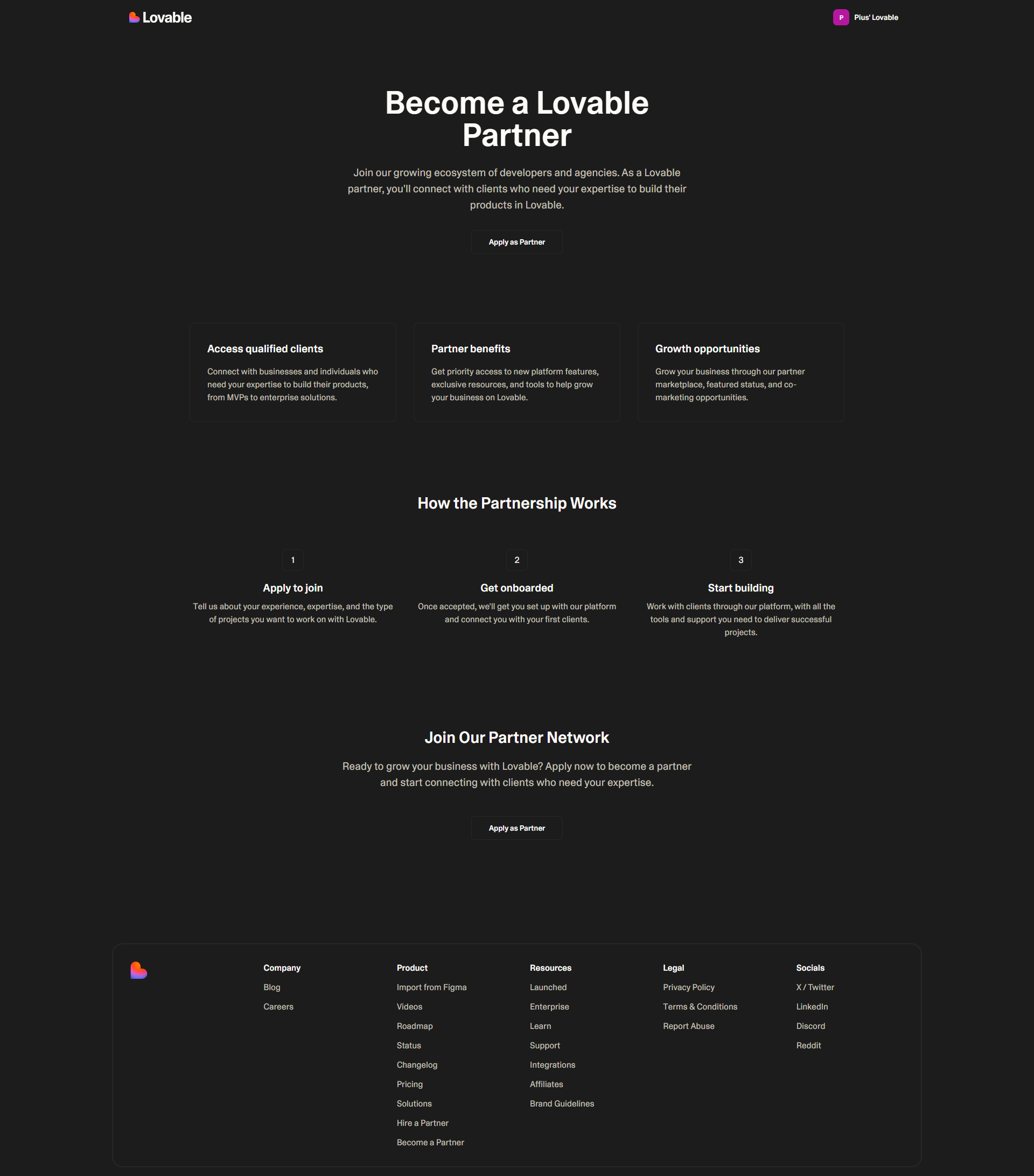
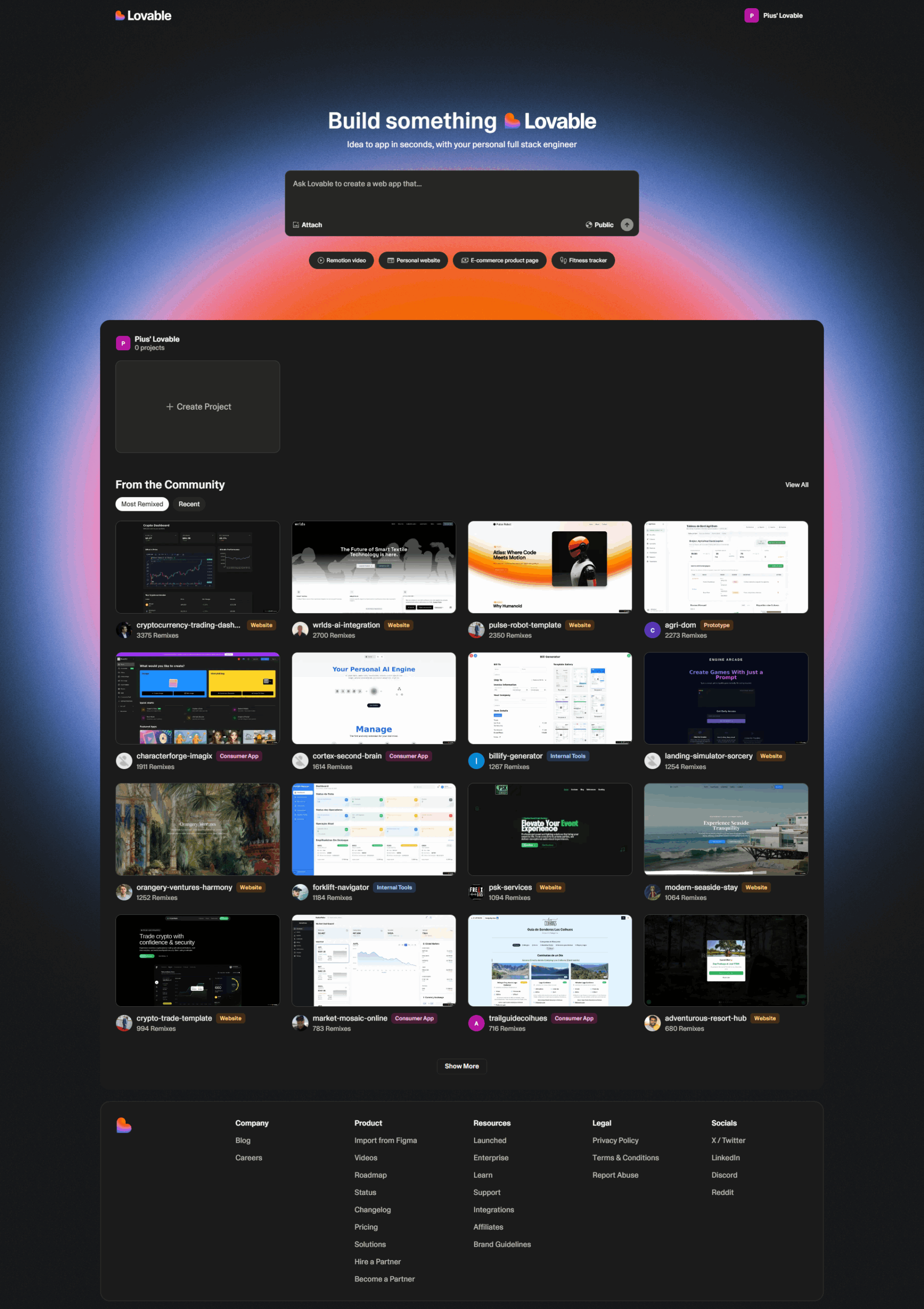
Lovable is an AI-powered full-stack app builder designed for speed, simplicity, and real code ownership. It enables users—technical or not—to create frontend and backend apps via conversational prompts. With built-in hosting, GitHub sync, and a Figma-style editor, it covers the full product lifecycle. Its strengths lie in ease of use, real code output, and rapid iteration, though complex projects may expose occasional AI limitations or bugs.
Comparison with Alternatives
Compared to Bolt.new, Lovable is more beginner-friendly and includes real-time collaboration. Versus Replit, Lovable is more automated and less reliant on coding skills. It outpaces Bubble in code portability but may lack some of its mature feature depth. Overall, Lovable occupies a unique niche as an AI dev tool for both no-coders and developers.
Cost-Effectiveness & Support
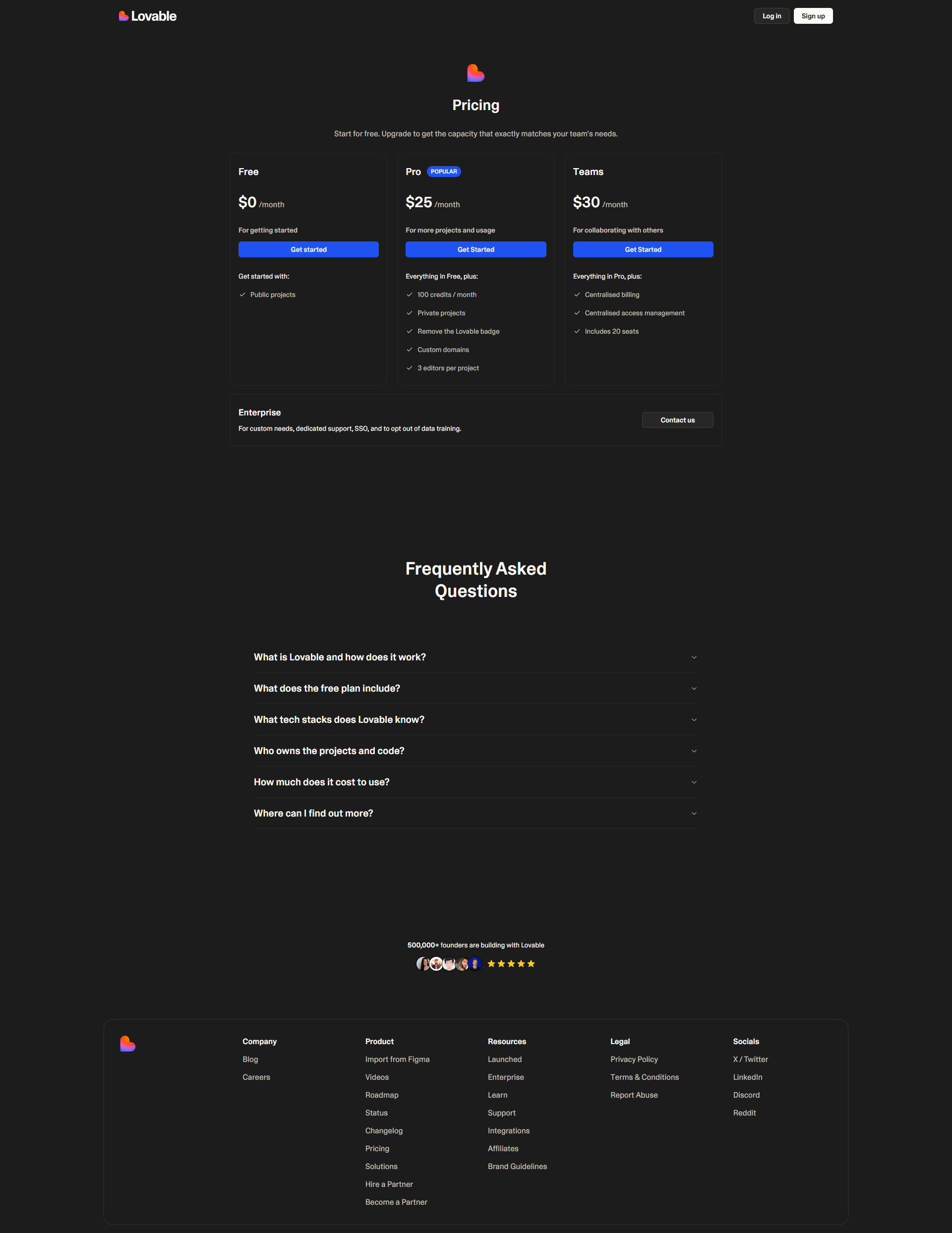
At $25/month for the Pro plan, Lovable delivers strong value for prototyping and small apps. Support is widely praised for speed and helpfulness, especially on Discord. Though message limits can be restrictive, the platform evolves rapidly and remains one of the most promising tools in AI-driven development.