Project management tools like , Notion, Basecamp, Lark, Slack, Asana and Trello.
AI chatbot tools like ChatGPT, Grok, Perplexity, Claude, Gemini and Copilot.
Marketing analytics platforms like Google Analytics, Similarweb and Semrush.
CRM systems like HubSpot, Apollo.io Pipedrive, Zoho CRM, and Salesforce.
VPNs, SSO providers, and password managers like NordVPN, Okta, and LastPass.
Email marketing and campaign tools like MailerLite, Instantly, and Mailchimp.
Website builders, hosting tools like Hostinger, Webflow, Framer, and Shopify
HR and recruiting software like ATS platforms, BambooHR, Workday, and Lever.
Automate finances with confidence like Quickbooks, Stripe, Brex, and Mercury.
Design and editing tools like Figma, Canva, Adobe Creative Cloud, CapCut.
Workflow automation tools like Zapier, Make, Clay, and Reclaim.ai.
No-code and AI-native dev tools like Cursor, Windsurf, Lovable and Bubble.

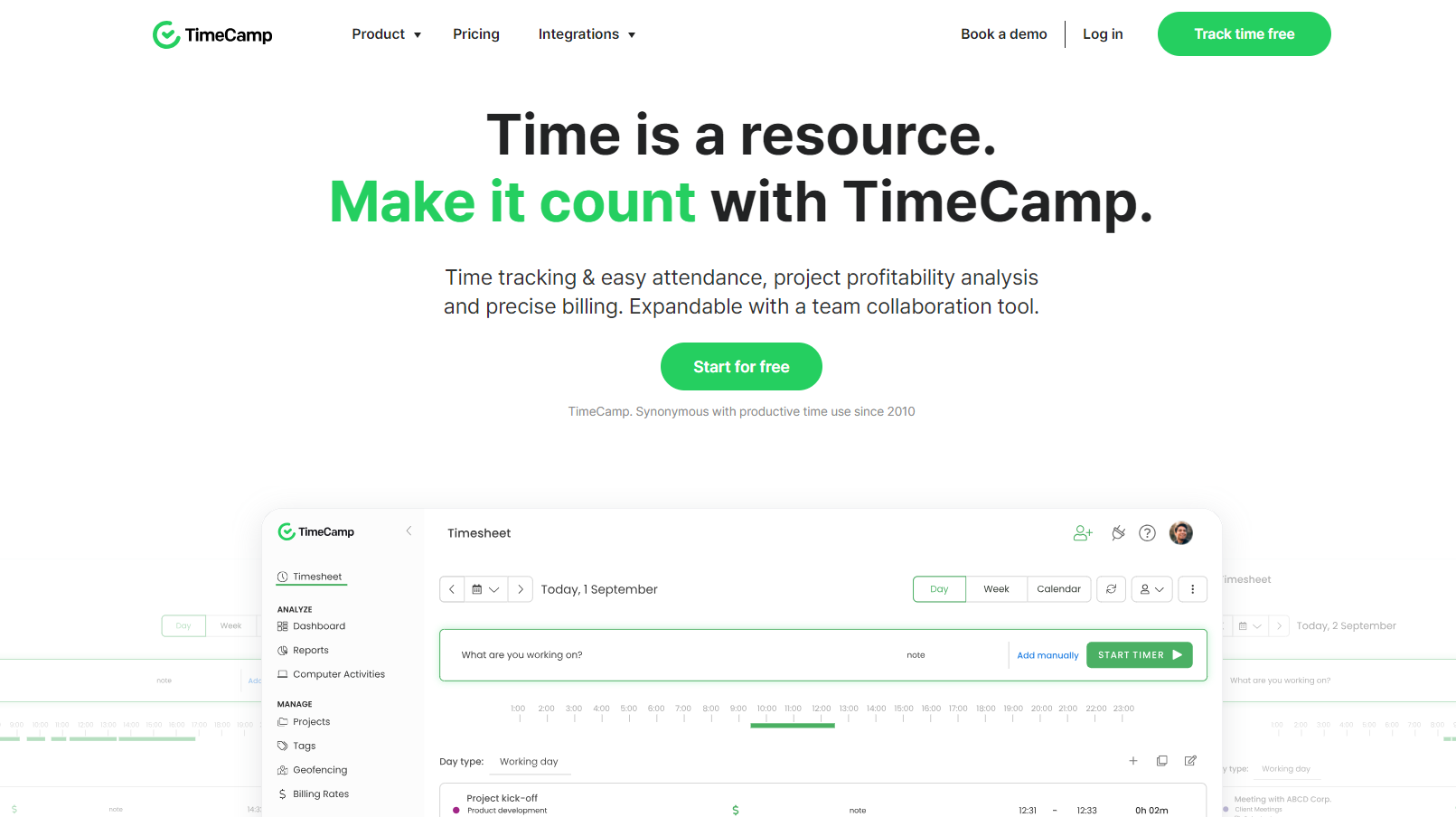
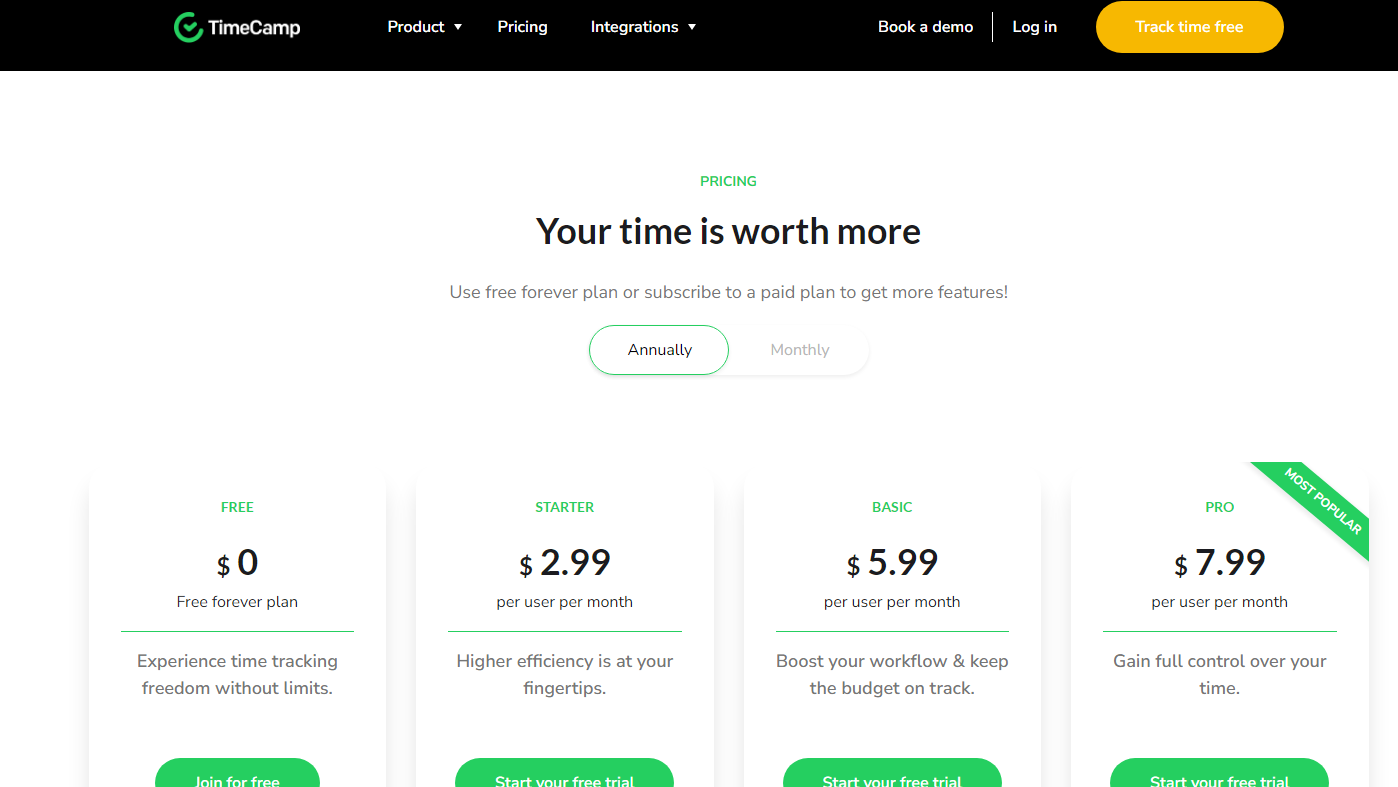
TimeCamp is an intuitive time tracking tool tailored for teams and individuals across industries like design, programming, and marketing. Key features include automatic tracking, detailed reporting, invoicing, attendance management, and budget tracking. Integrations with tools like Asana and Trello enhance its usability. Pricing starts free, with premium plans up to $7.99/user/month. Compared to alternatives like Toggl or Harvest, TimeCamp excels in automation and value. Customer support is reliable, and it remains cost-effective for users seeking robust functionality.
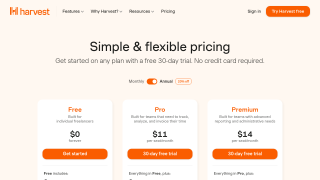
Harvest is a robust time-tracking and invoicing tool ideal for designers, marketers, and small businesses. Its core features include time tracking, project reporting, expense management, team productivity insights, and seamless integration with tools like Asana and Slack. Its Premium plan costs $14/user/month (billed annually), and a free plan is available for solo users.
Compared to Toggl Track and Timely, Harvest excels in invoicing but lacks Toggl’s advanced reporting and Timely’s AI-powered insights. Designers and project managers seeking simplicity will benefit, though developers may find limited scalability. Customer support is responsive, making Harvest cost-effective for small teams.