Project management tools like , Notion, Basecamp, Lark, Slack, Asana and Trello.
AI chatbot tools like ChatGPT, Grok, Perplexity, Claude, Gemini and Copilot.
Marketing analytics platforms like Google Analytics, Similarweb and Semrush.
CRM systems like HubSpot, Apollo.io Pipedrive, Zoho CRM, and Salesforce.
VPNs, SSO providers, and password managers like NordVPN, Okta, and LastPass.
Email marketing and campaign tools like MailerLite, Instantly, and Mailchimp.
Website builders, hosting tools like Hostinger, Webflow, Framer, and Shopify
HR and recruiting software like ATS platforms, BambooHR, Workday, and Lever.
Automate finances with confidence like Quickbooks, Stripe, Brex, and Mercury.
Design and editing tools like Figma, Canva, Adobe Creative Cloud, CapCut.
Workflow automation tools like Zapier, Make, Clay, and Reclaim.ai.
No-code and AI-native dev tools like Cursor, Windsurf, Lovable and Bubble.

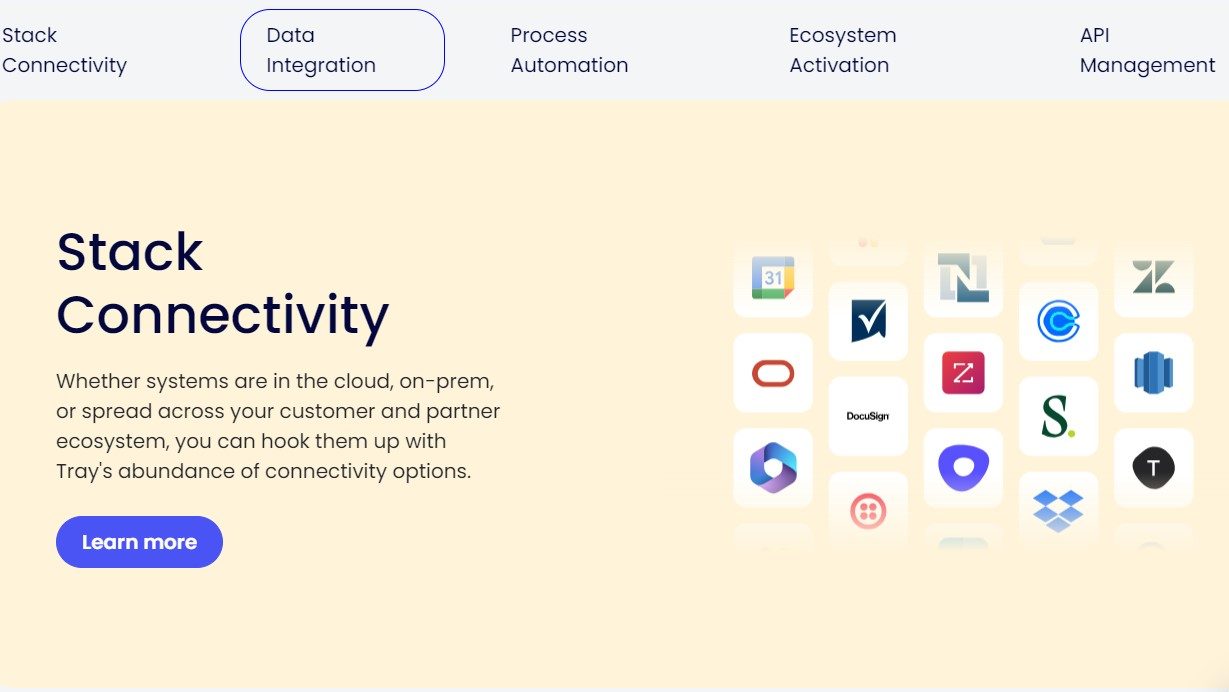
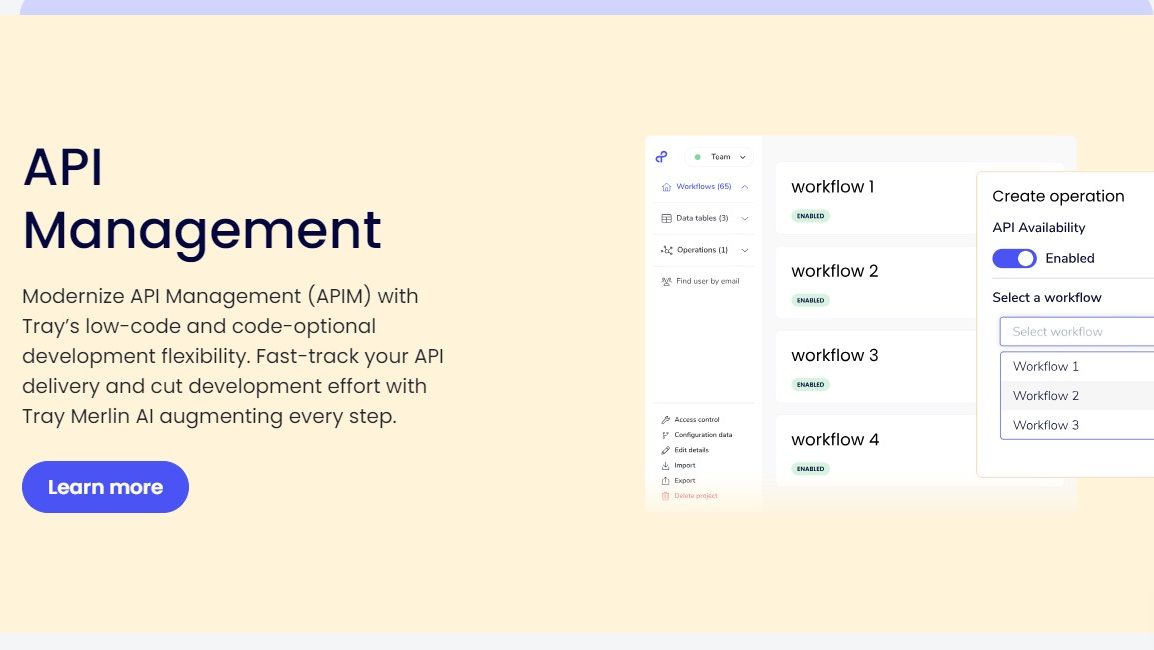
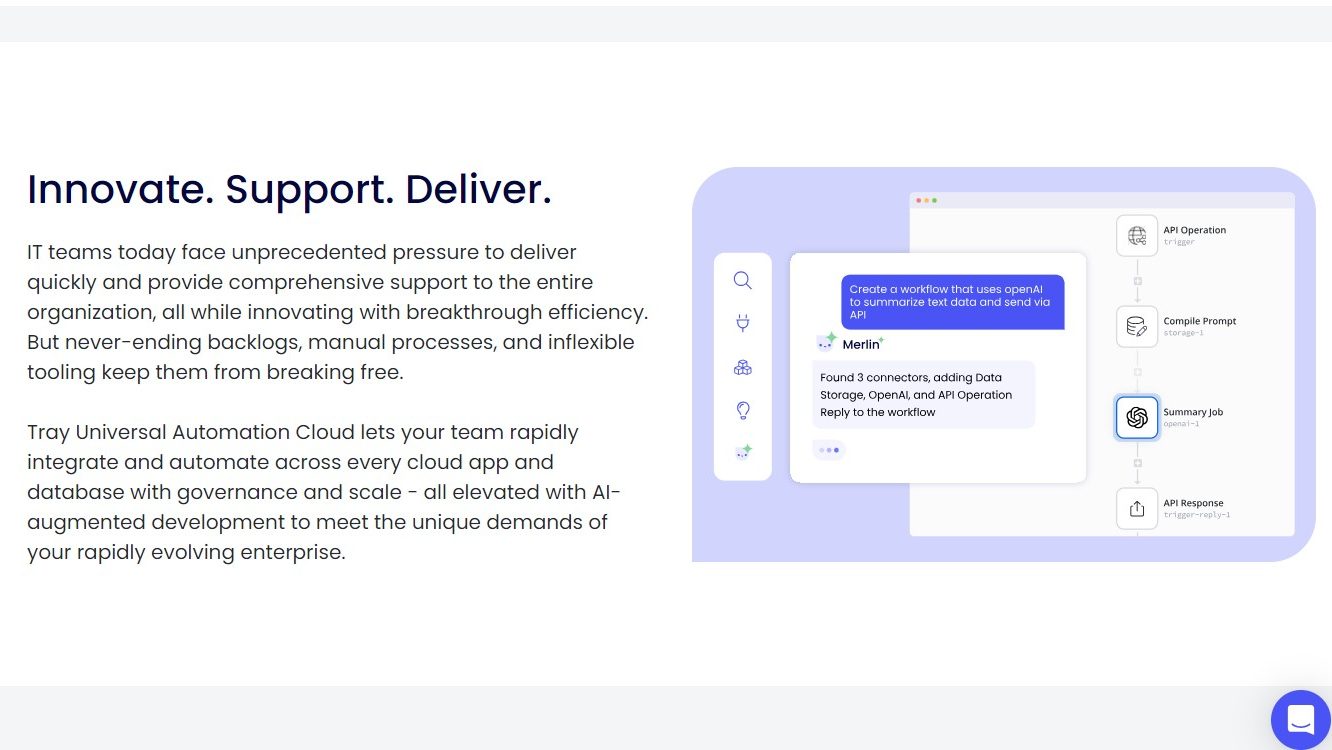
Tray.io is a low-code iPaaS platform enabling seamless automation and integration of business processes. Aimed at developers, marketers, and IT teams, it supports real-time data integration, workflow automation, and robust API management. Tray’s strengths include scalability, powerful pre-built connectors, and comprehensive customer support. However, the learning curve can be steep for non-technical users, and pricing requires contacting sales. Compared to Workato or MuleSoft, Tray.io shines with its elastic scalability but may feel complex for smaller organizations. It’s best suited for enterprise-grade needs, offering high customization and strong cost-effectiveness for its features.
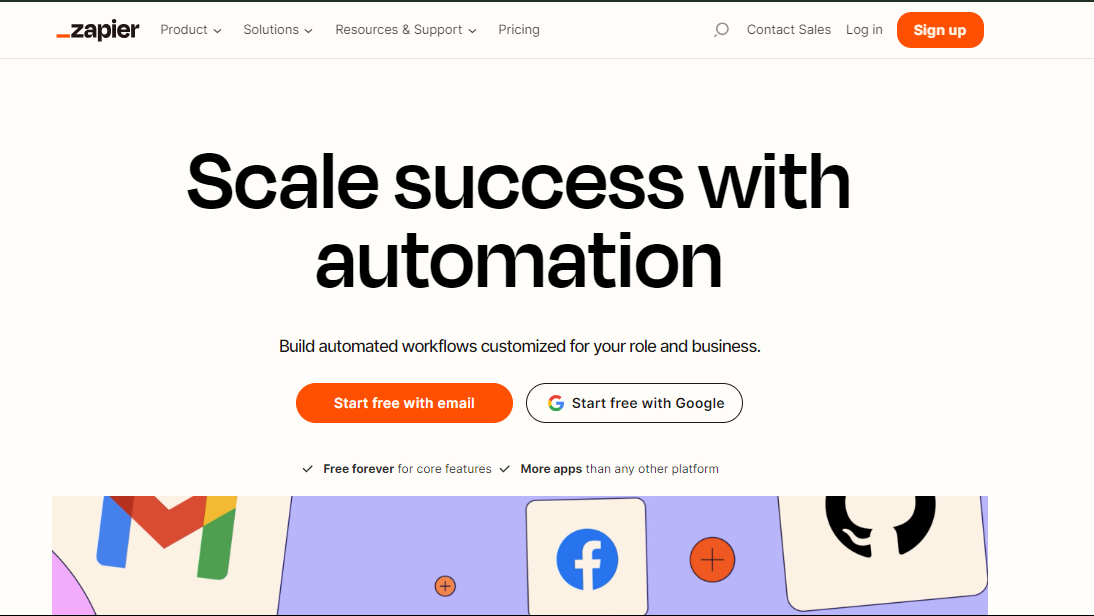
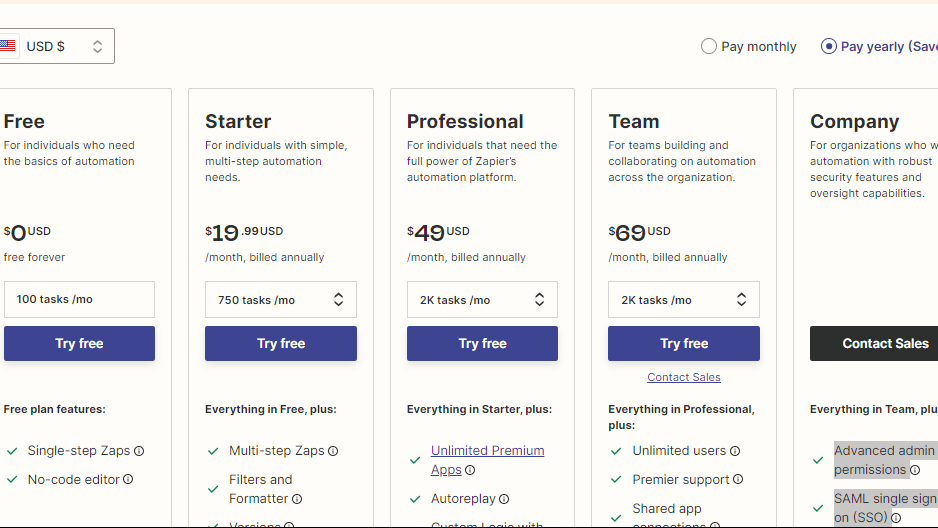
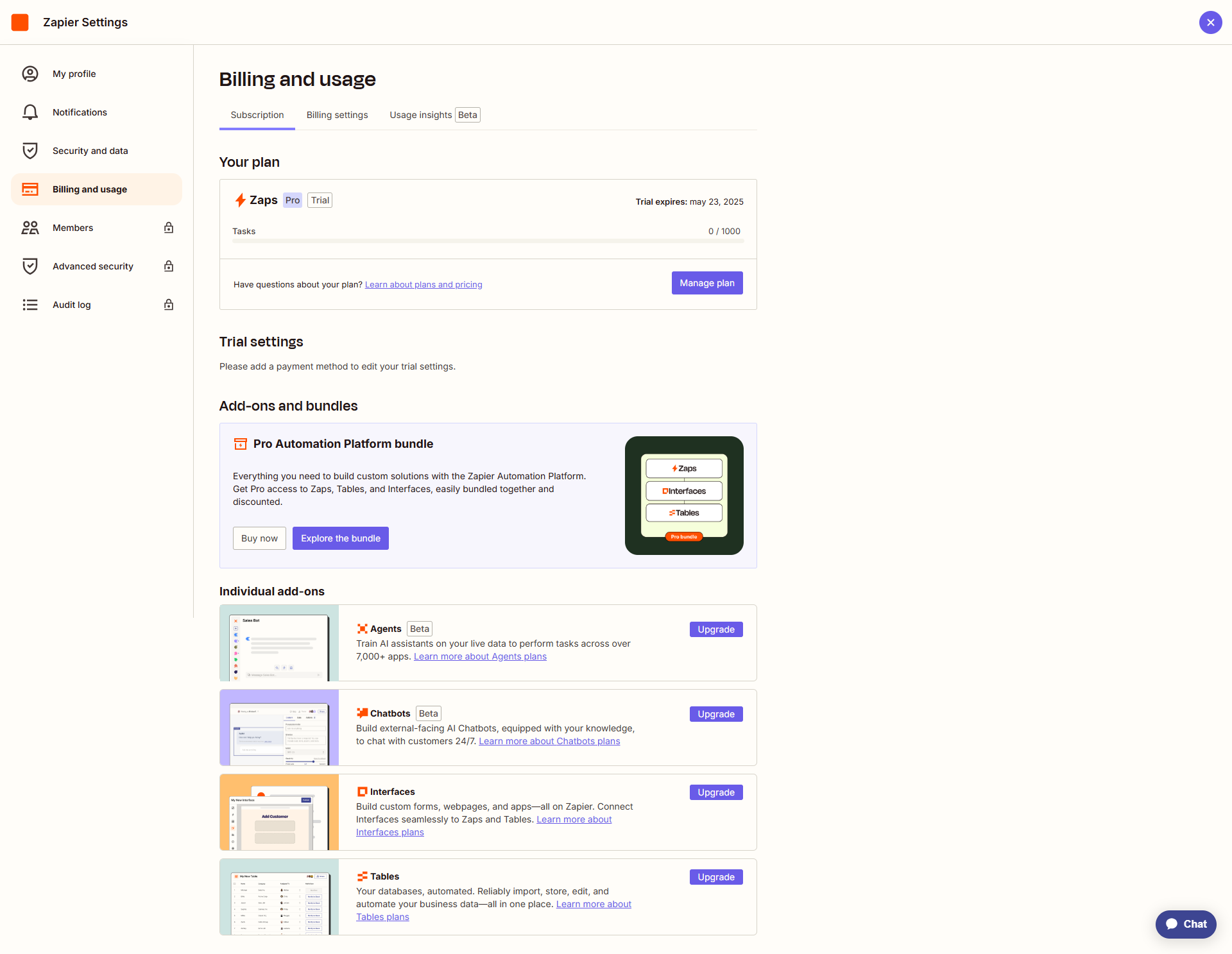
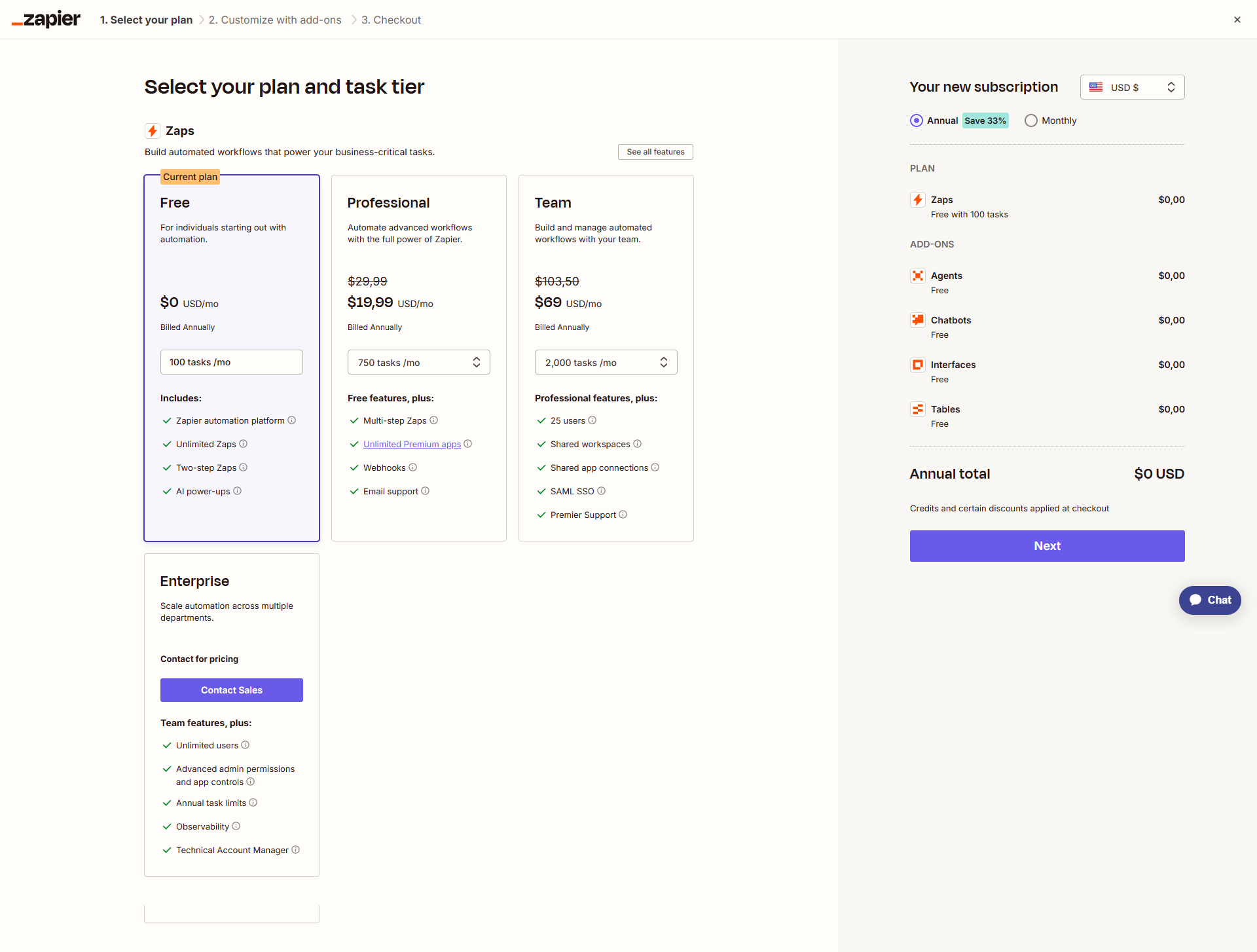
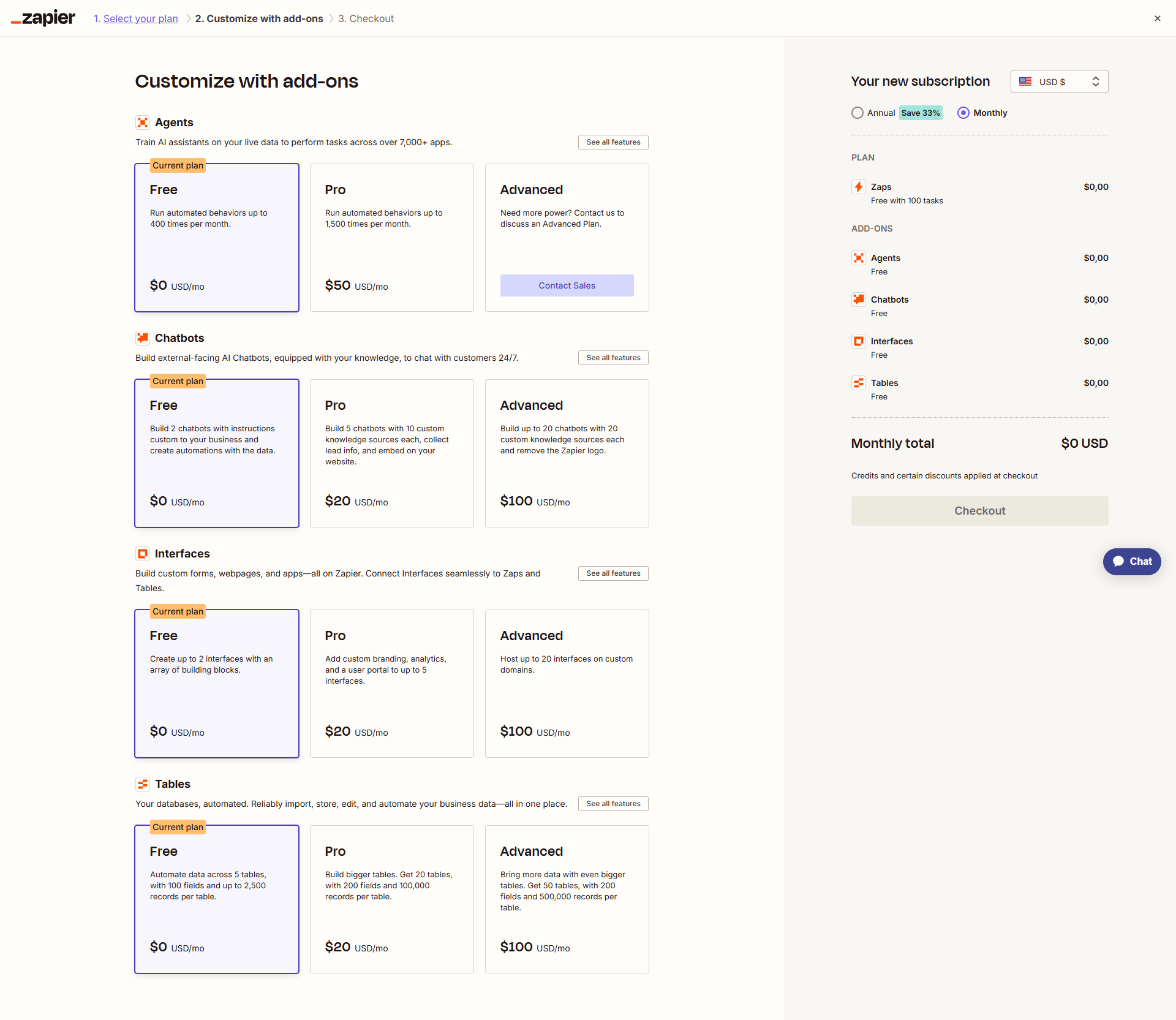
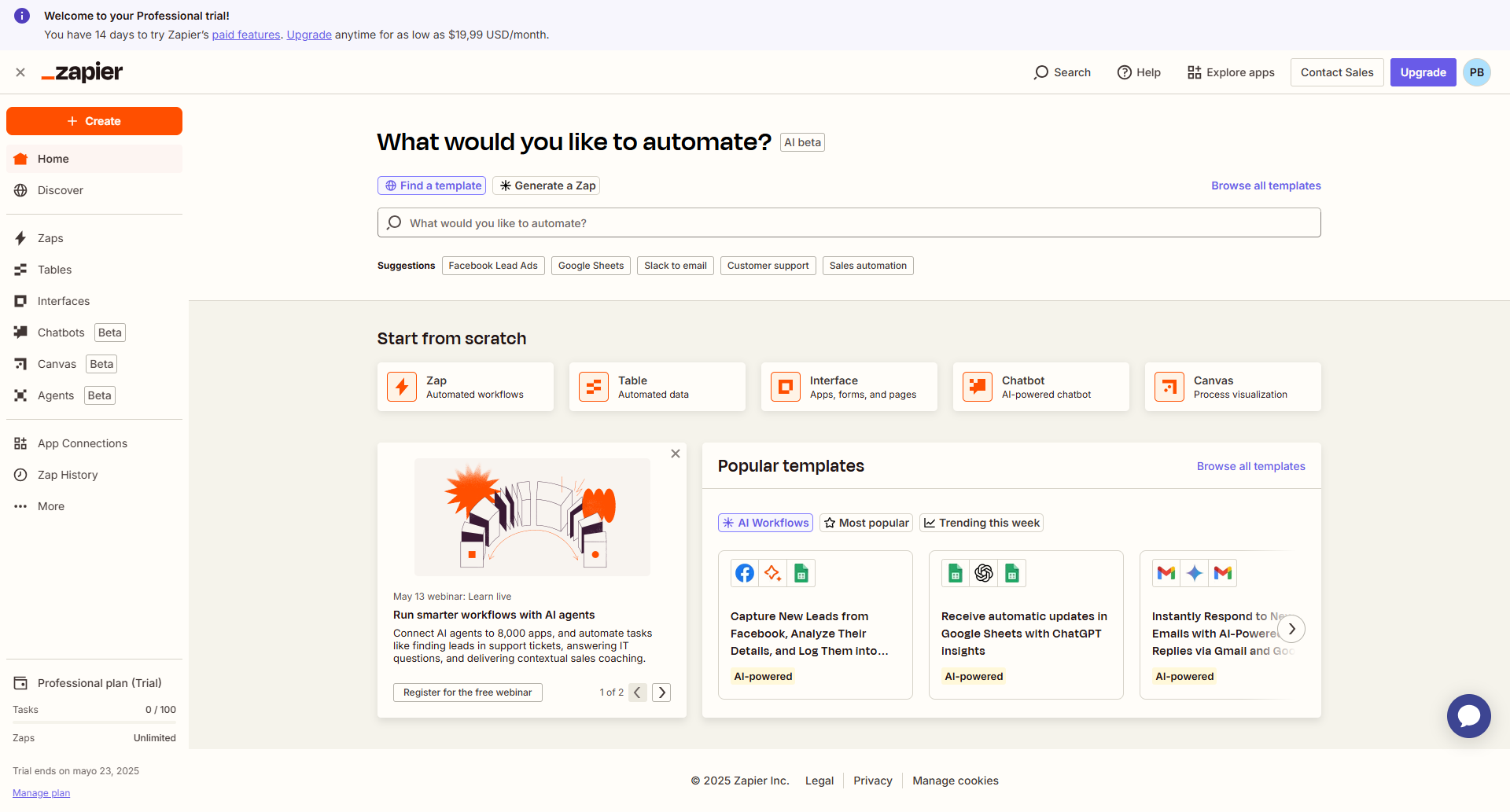
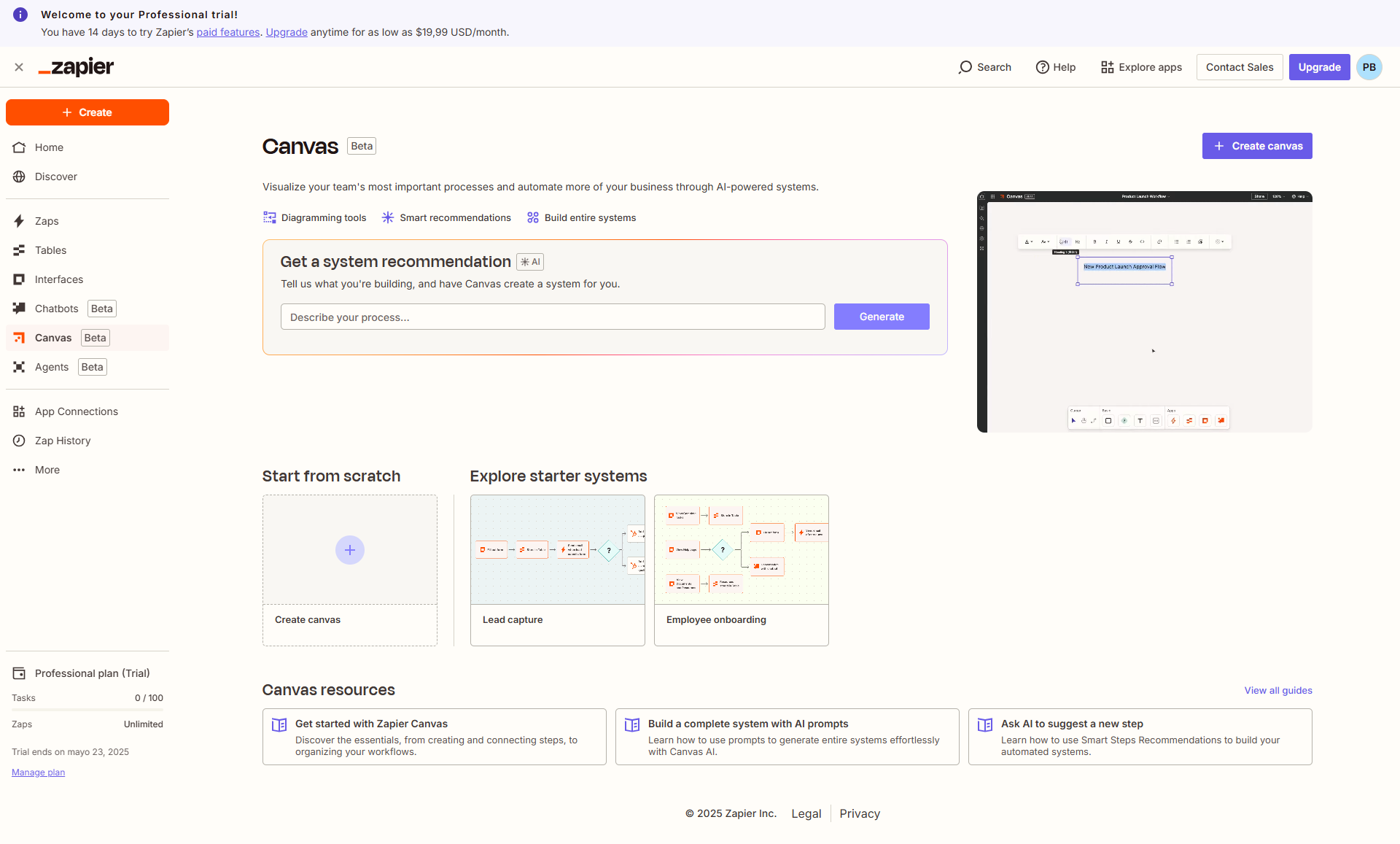
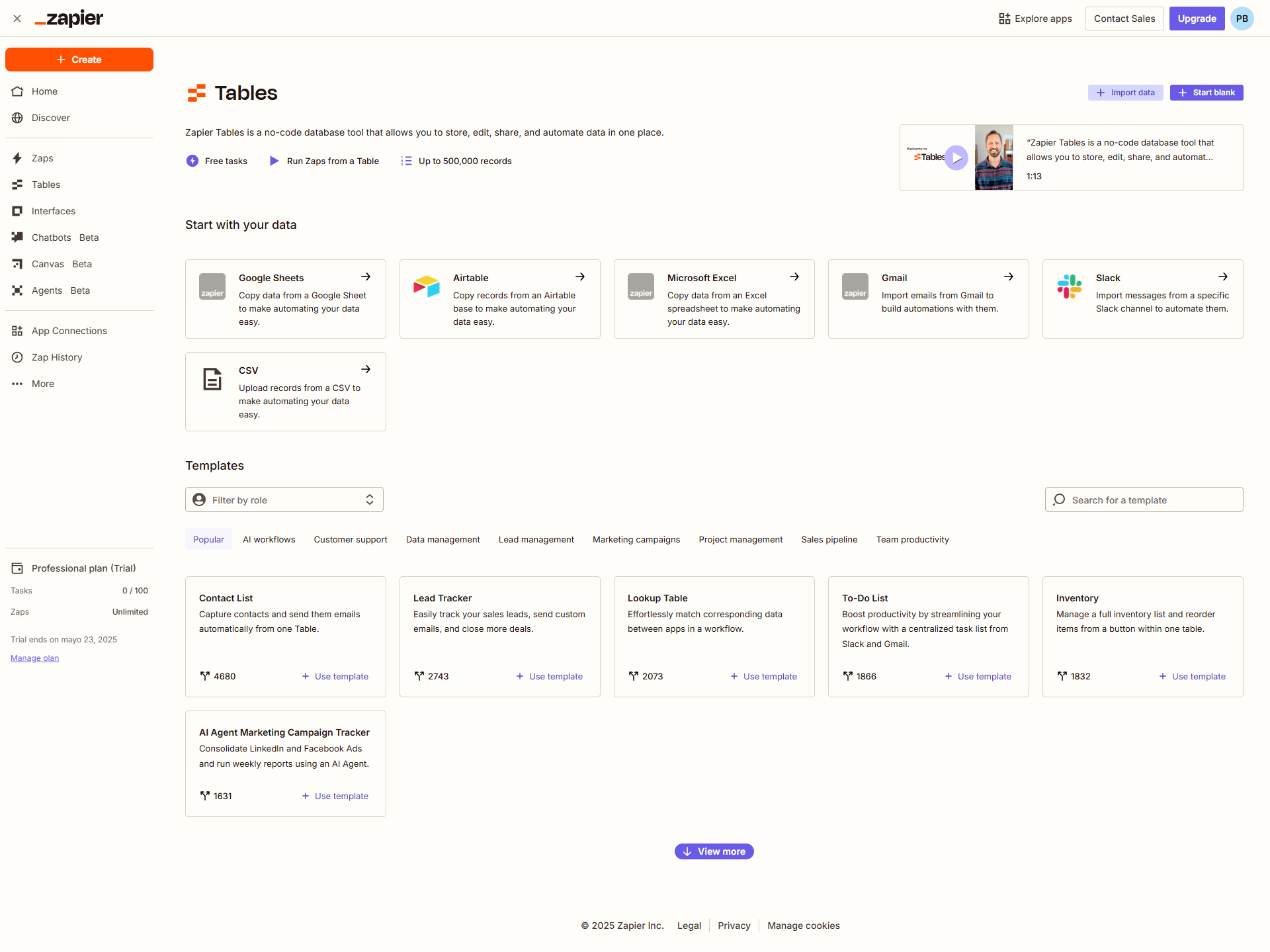
Zapier is a leading no-code automation platform, connecting 6,000+ apps to streamline repetitive tasks. Its intuitive interface, visual editor, and advanced features like multi-step workflows and webhook support cater to marketers, developers, and project managers. While its free plan is limited, paid tiers (starting at $19.99/month) may feel pricey for small businesses. Compared to tools like Make or Integrately, Zapier boasts more integrations but is costlier. Support is competent but leans on self-help resources. Overall, it’s effective for boosting productivity but may be better suited for teams with scalable needs.