Project management tools like , Notion, Basecamp, Lark, Slack, Asana and Trello.
AI chatbot tools like ChatGPT, Grok, Perplexity, Claude, Gemini and Copilot.
Marketing analytics platforms like Google Analytics, Similarweb and Semrush.
CRM systems like HubSpot, Apollo.io Pipedrive, Zoho CRM, and Salesforce.
VPNs, SSO providers, and password managers like NordVPN, Okta, and LastPass.
Email marketing and campaign tools like MailerLite, Instantly, and Mailchimp.
Website builders, hosting tools like Hostinger, Webflow, Framer, and Shopify
HR and recruiting software like ATS platforms, BambooHR, Workday, and Lever.
Automate finances with confidence like Quickbooks, Stripe, Brex, and Mercury.
Design and editing tools like Figma, Canva, Adobe Creative Cloud, CapCut.
Workflow automation tools like Zapier, Make, Clay, and Reclaim.ai.
No-code and AI-native dev tools like Cursor, Windsurf, Lovable and Bubble.

TypeGenie is an AI-driven Zendesk extension that reduces customer support agent typing time by 50% through intelligent sentence suggestions and message drafting. Features include context-aware completions, Help Center integration, historical ticket solutions, and tone guidance. Trusted by enterprise companies like The Washington Post and Riot Games, it delivers strong ROI through increased productivity and reduced handling time. Pricing starts at $10/month per seat with flexible team sizing options.
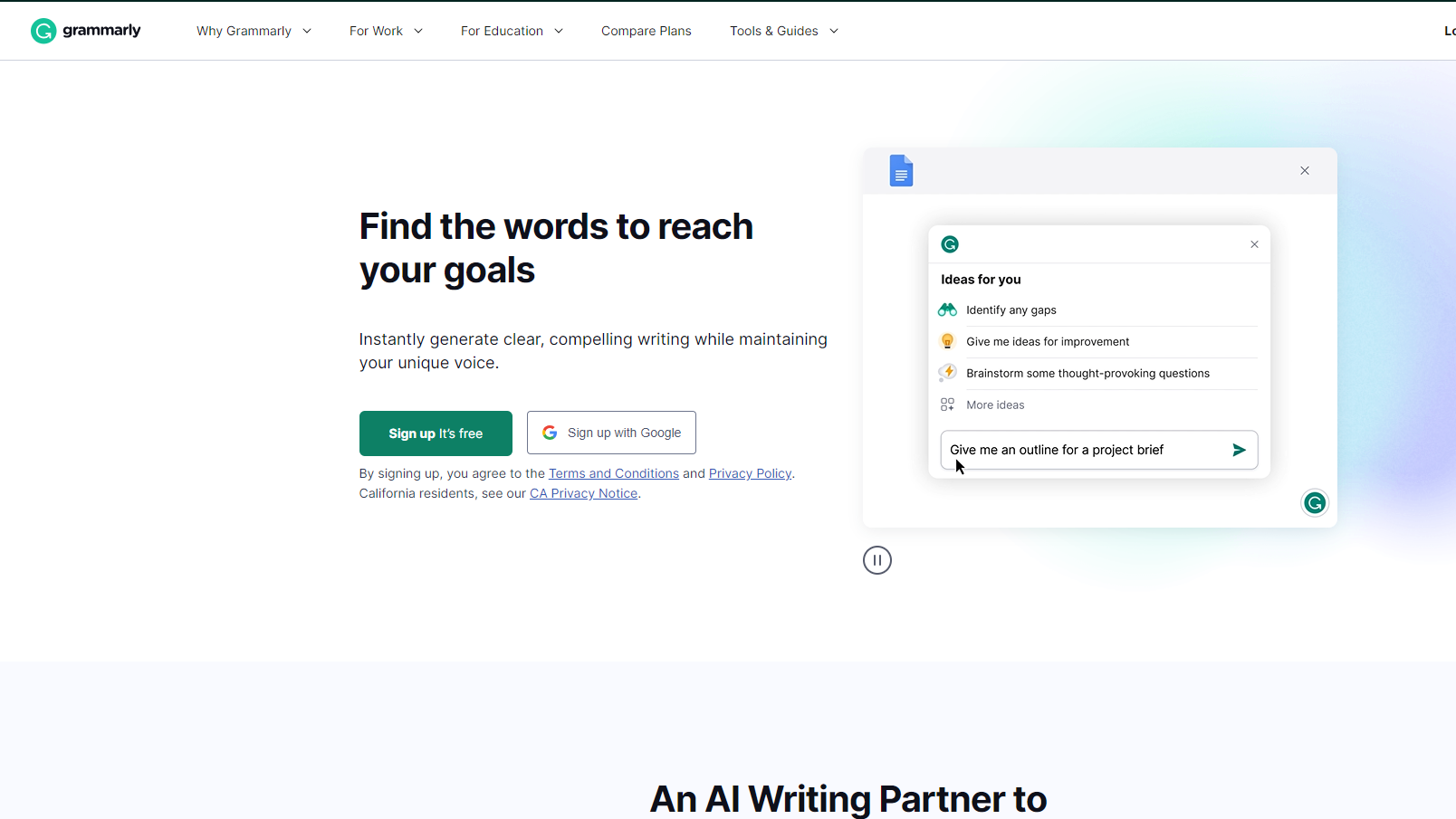
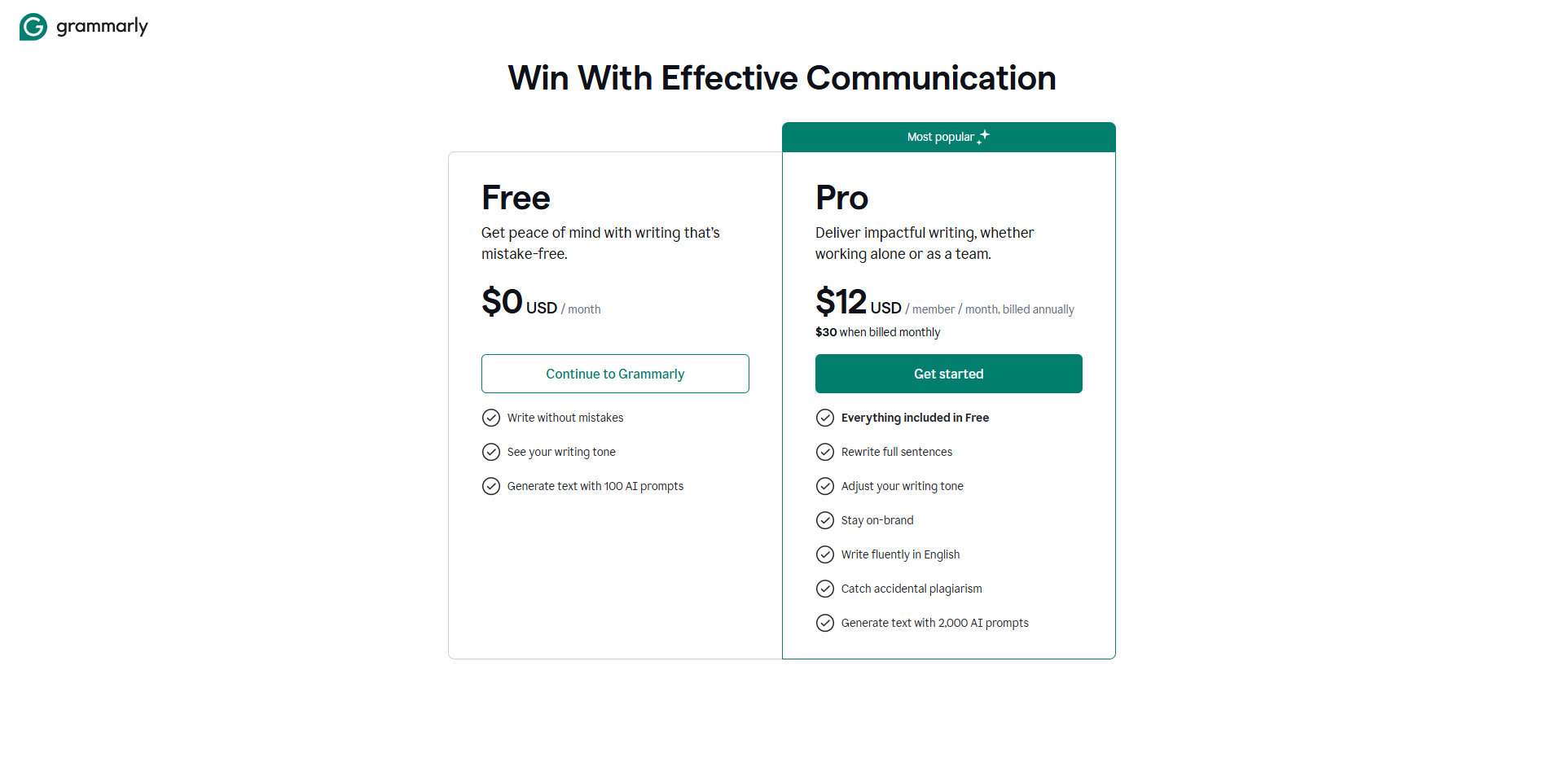
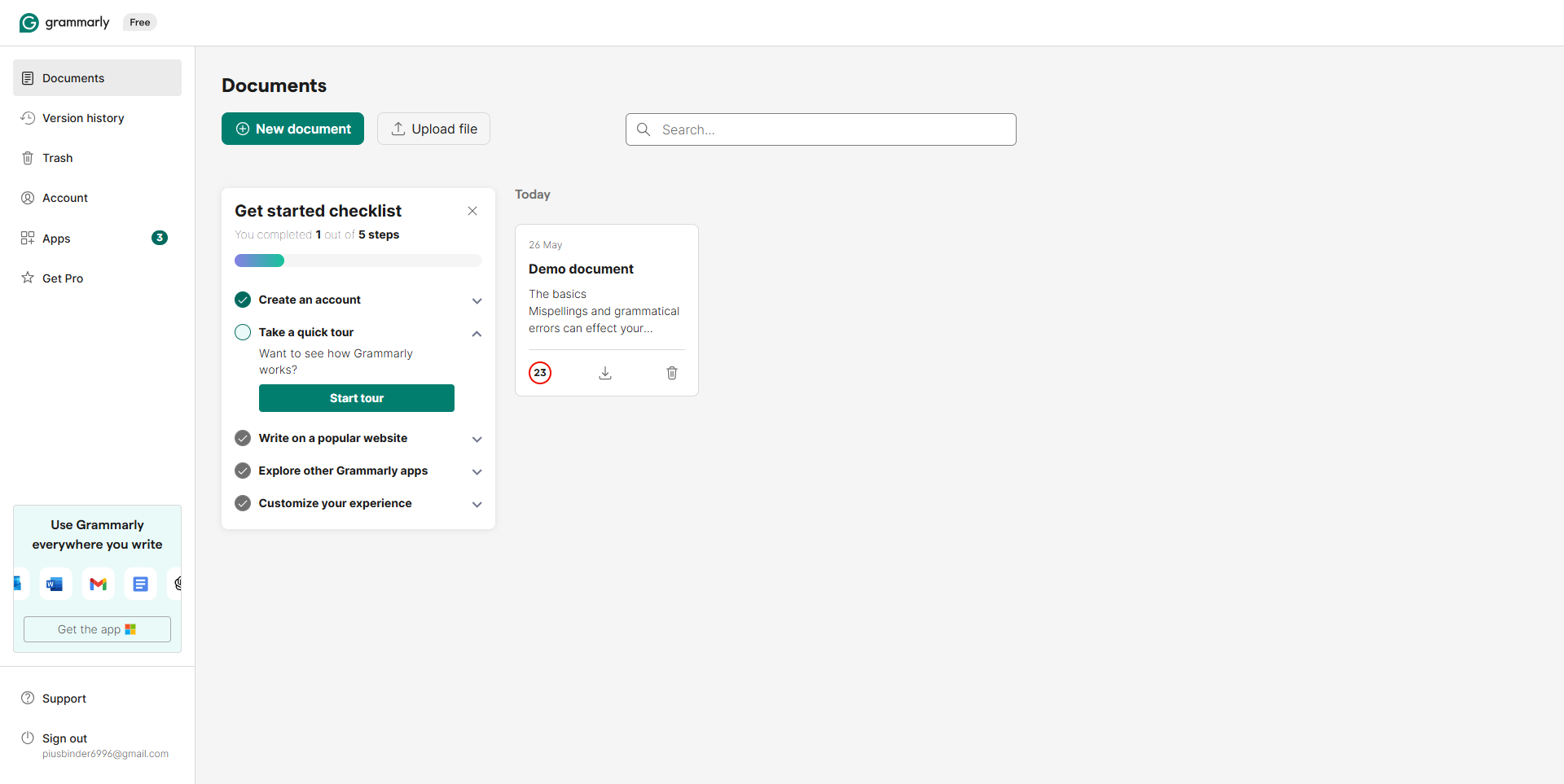
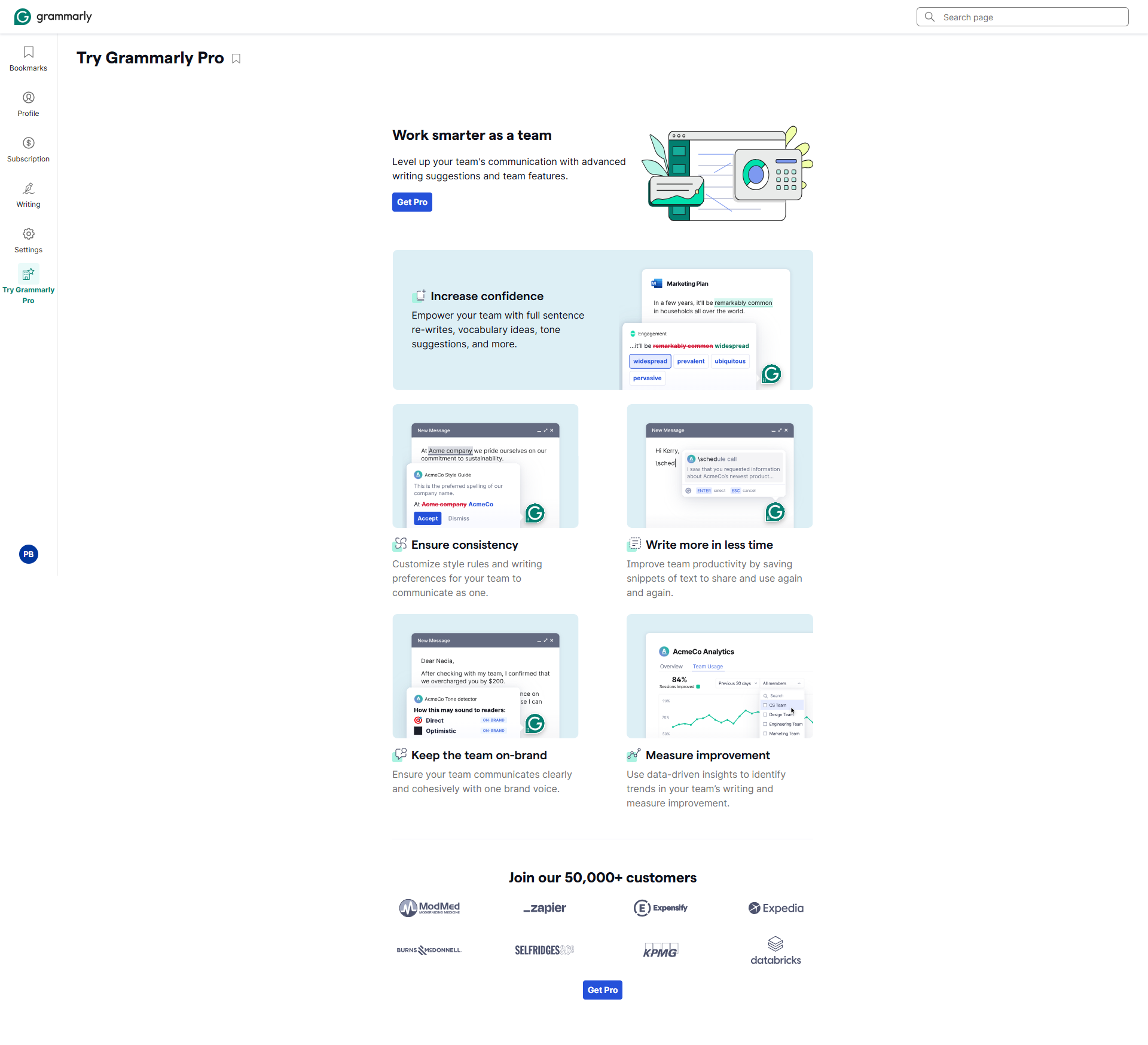
Grammarly is a leading AI-powered writing assistant helping individuals and businesses enhance communication by refining grammar, tone, and style. Its key features include grammar, spelling, tone checks, real-time suggestions, plagiarism detection, and custom style guides. Grammarly integrates seamlessly across platforms like MS Office, Google Docs, and browsers, ensuring efficiency.
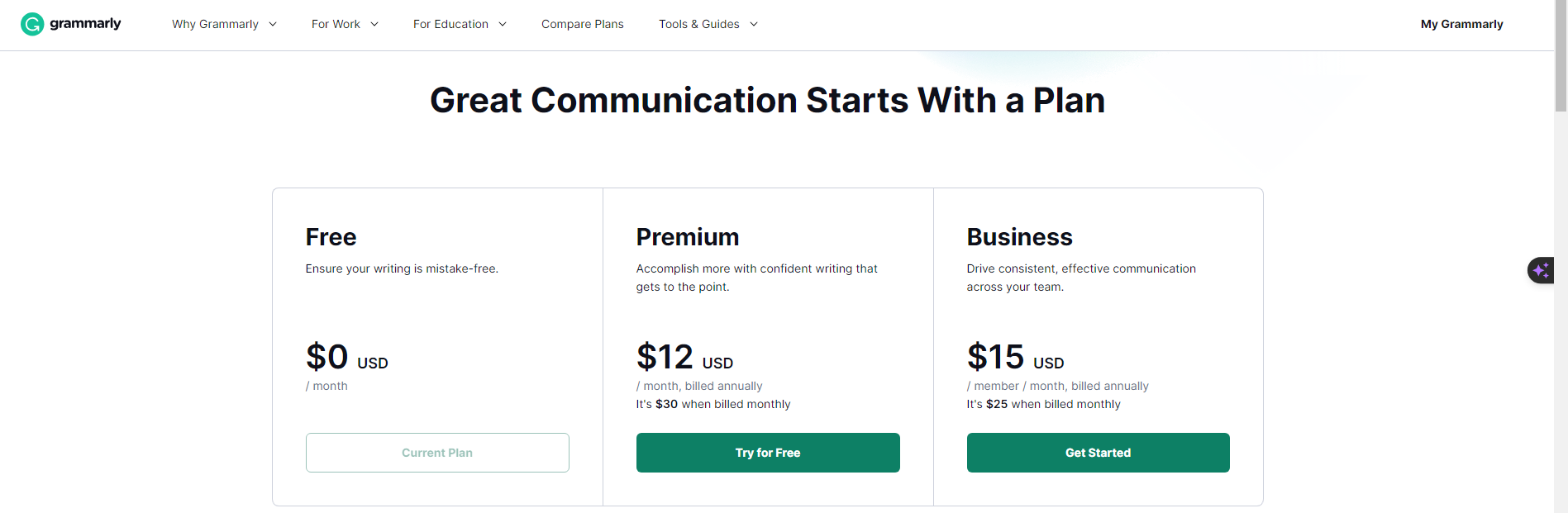
Compared to tools like ProWritingAid and QuillBot, Grammarly stands out for user-friendliness and advanced tone suggestions, making it ideal for marketers, writers, and educators. However, its premium plans are costlier, and reliance may hinder skill growth.
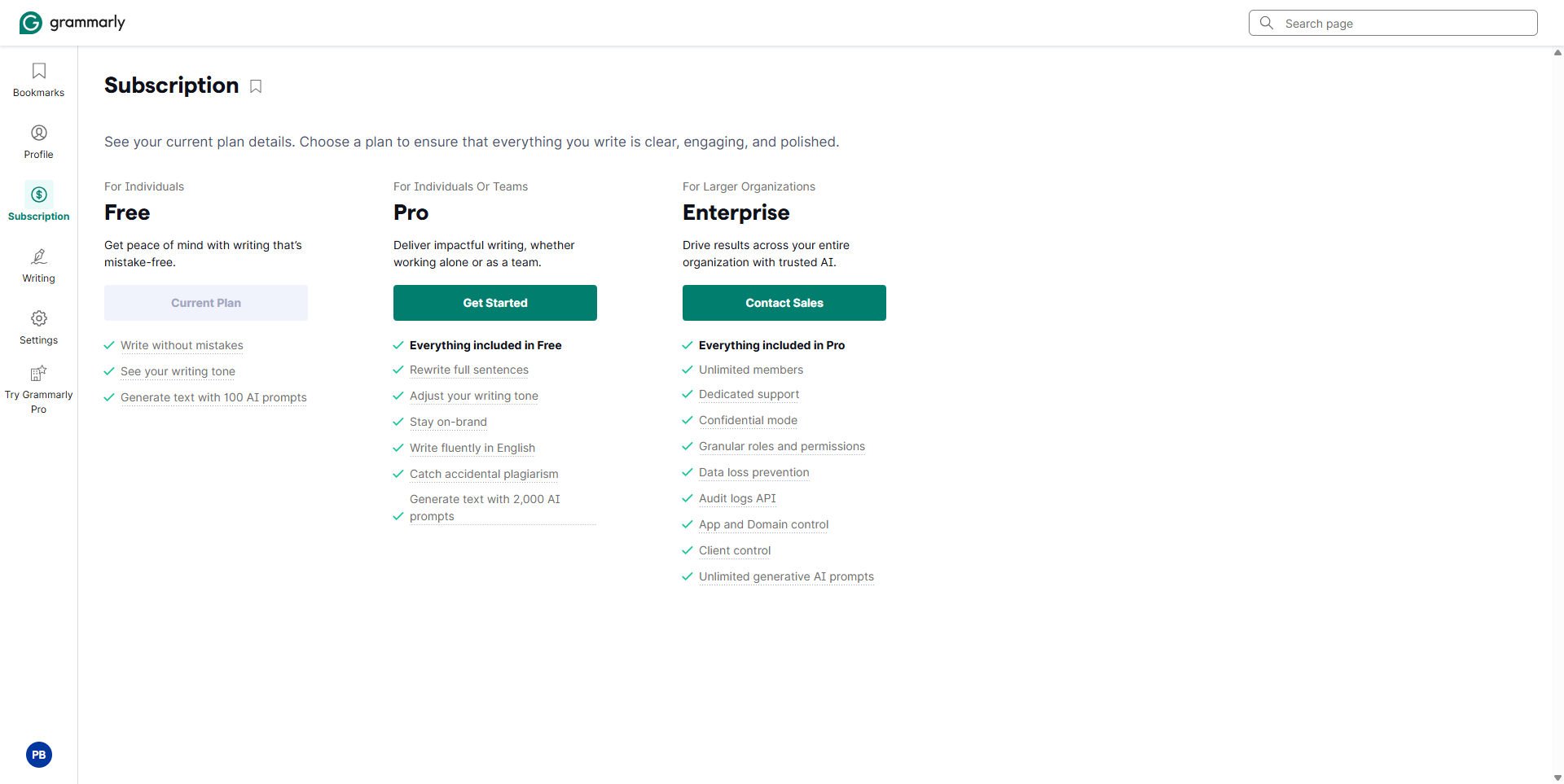
Pros include accuracy, integrations, and flexibility. Cons involve limited language support and a dependency risk. Its robust customer support and scalable pricing deliver cost-efficiency for professional use.