Project management tools like , Notion, Basecamp, Lark, Slack, Asana and Trello.
AI chatbot tools like ChatGPT, Grok, Perplexity, Claude, Gemini and Copilot.
Marketing analytics platforms like Google Analytics, Similarweb and Semrush.
CRM systems like HubSpot, Apollo.io Pipedrive, Zoho CRM, and Salesforce.
VPNs, SSO providers, and password managers like NordVPN, Okta, and LastPass.
Email marketing and campaign tools like MailerLite, Instantly, and Mailchimp.
Website builders, hosting tools like Hostinger, Webflow, Framer, and Shopify
HR and recruiting software like ATS platforms, BambooHR, Workday, and Lever.
Automate finances with confidence like Quickbooks, Stripe, Brex, and Mercury.
Design and editing tools like Figma, Canva, Adobe Creative Cloud, CapCut.
Workflow automation tools like Zapier, Make, Clay, and Reclaim.ai.
No-code and AI-native dev tools like Cursor, Windsurf, Lovable and Bubble.

Udio’s main strength is quality. It consistently produces more polished and genre-accurate music compared to many competitors, making it appealing for users who want outputs closer to real production standards. Its prompt control and export features also make it more usable in semi-professional workflows.
However, its limitations are clear. The free tier is restrictive, and achieving good results often requires experimenting with prompts. Compared to competitors like Suno, it is less beginner-friendly in terms of output consistency and free usage. Udio is best suited for users who care about sound quality and are willing to invest time or money to get better results.
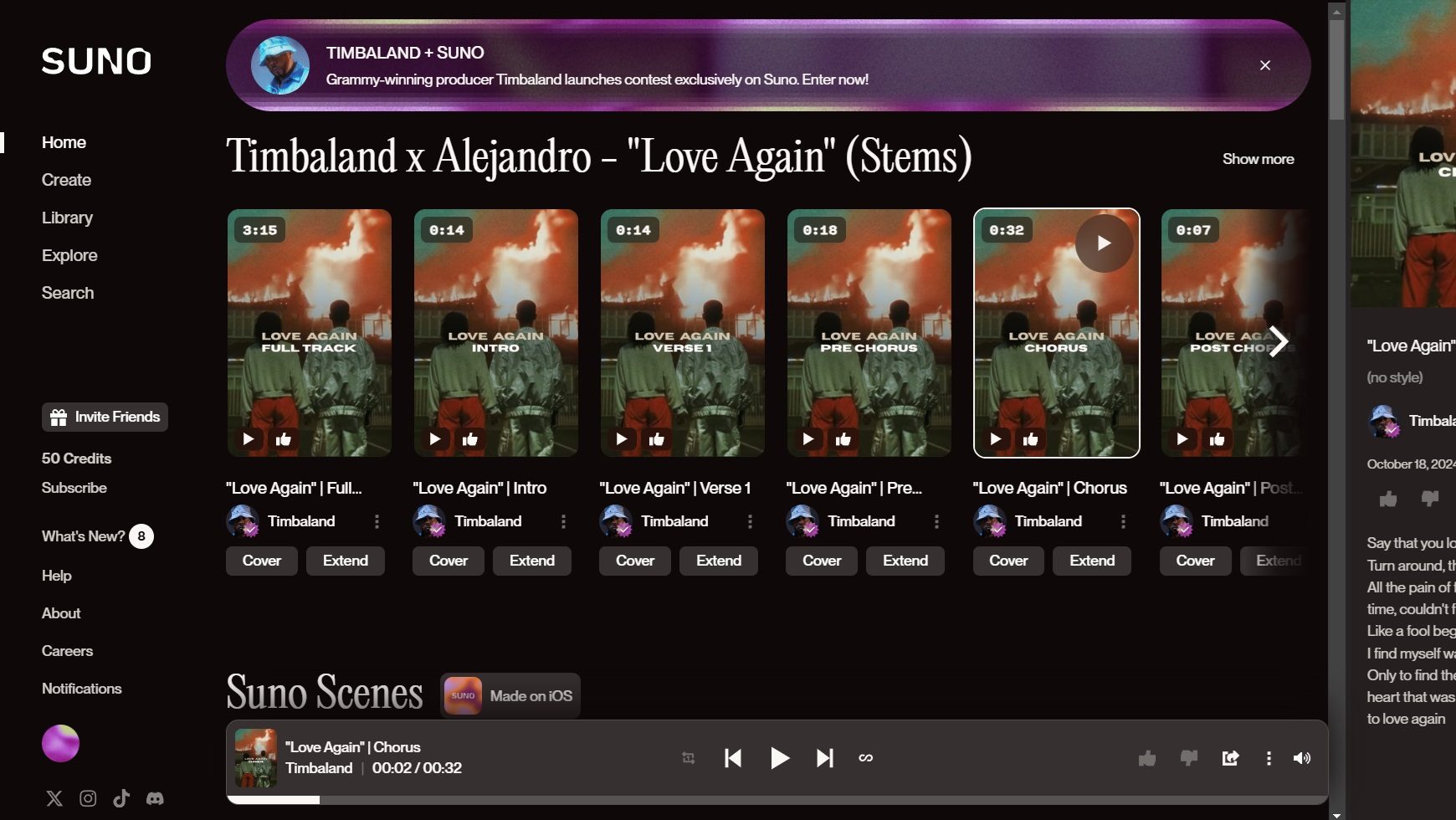
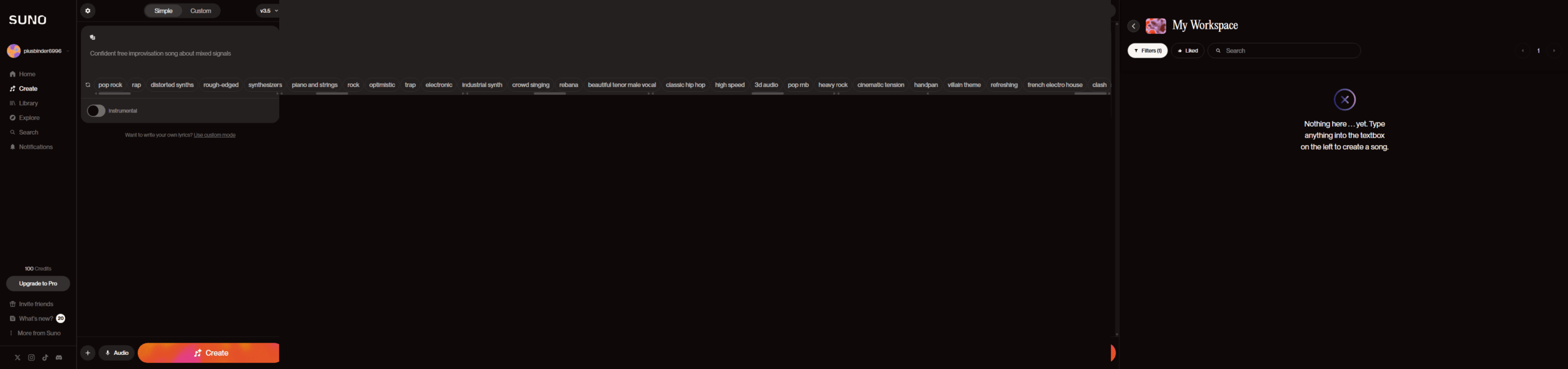
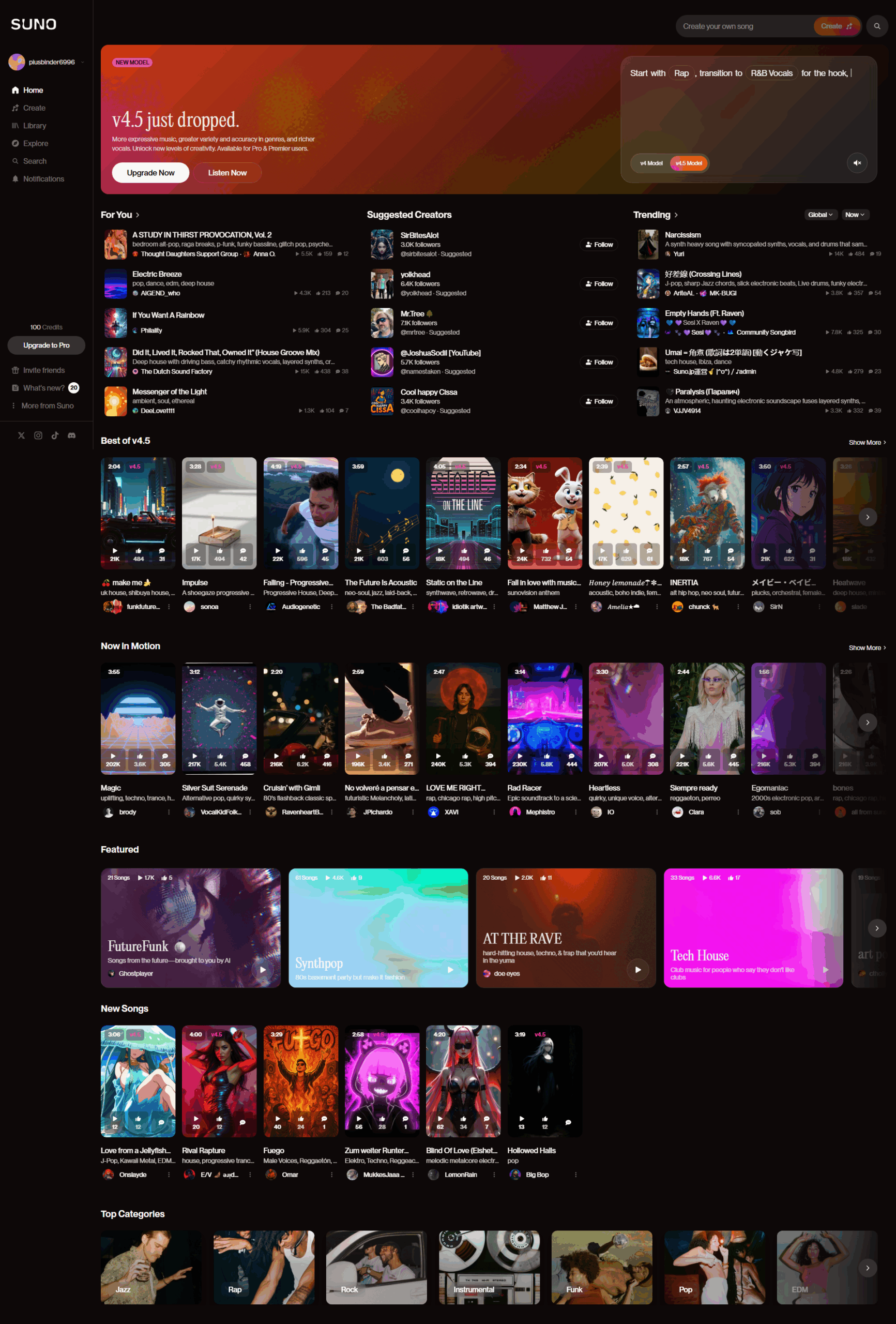
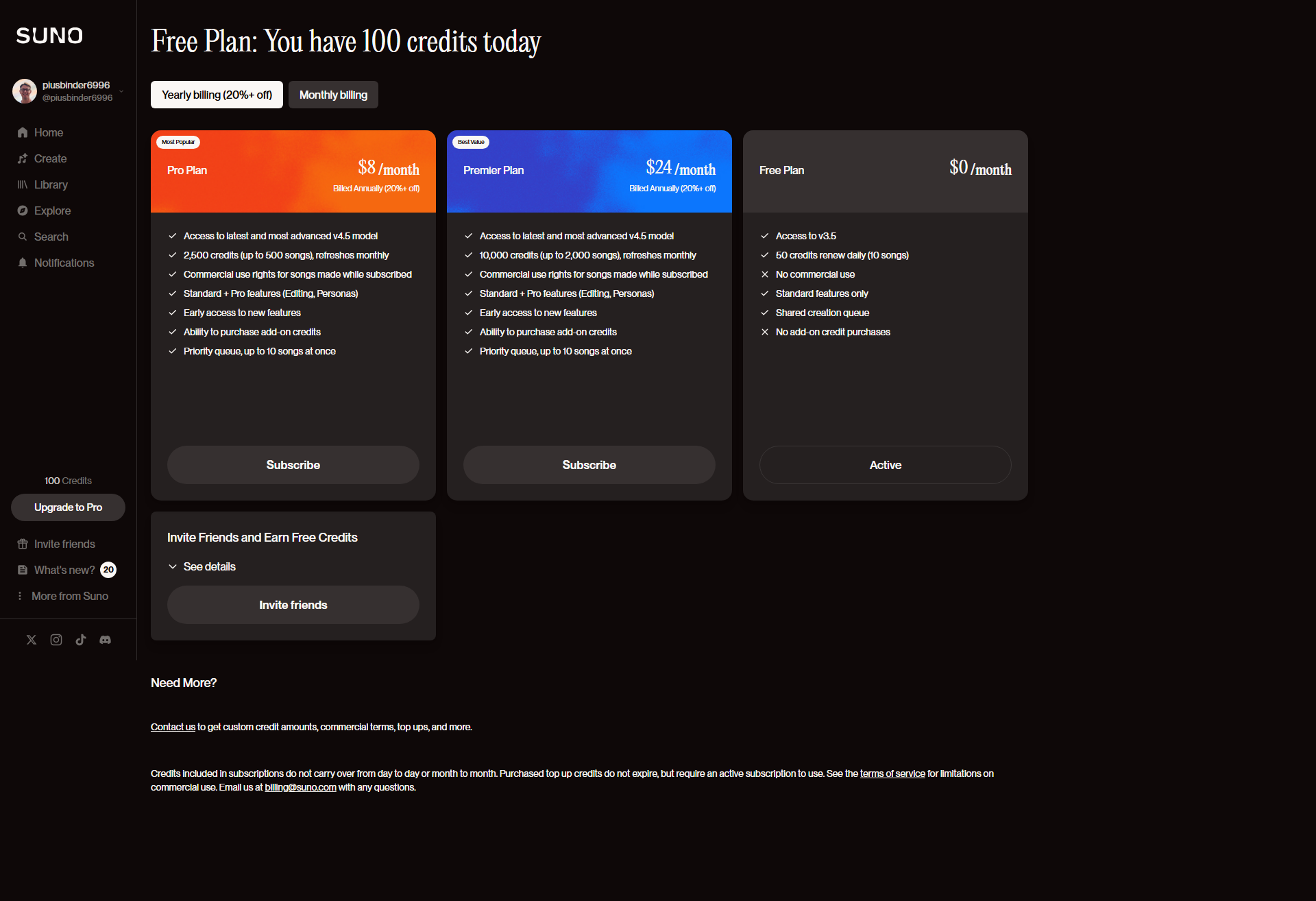
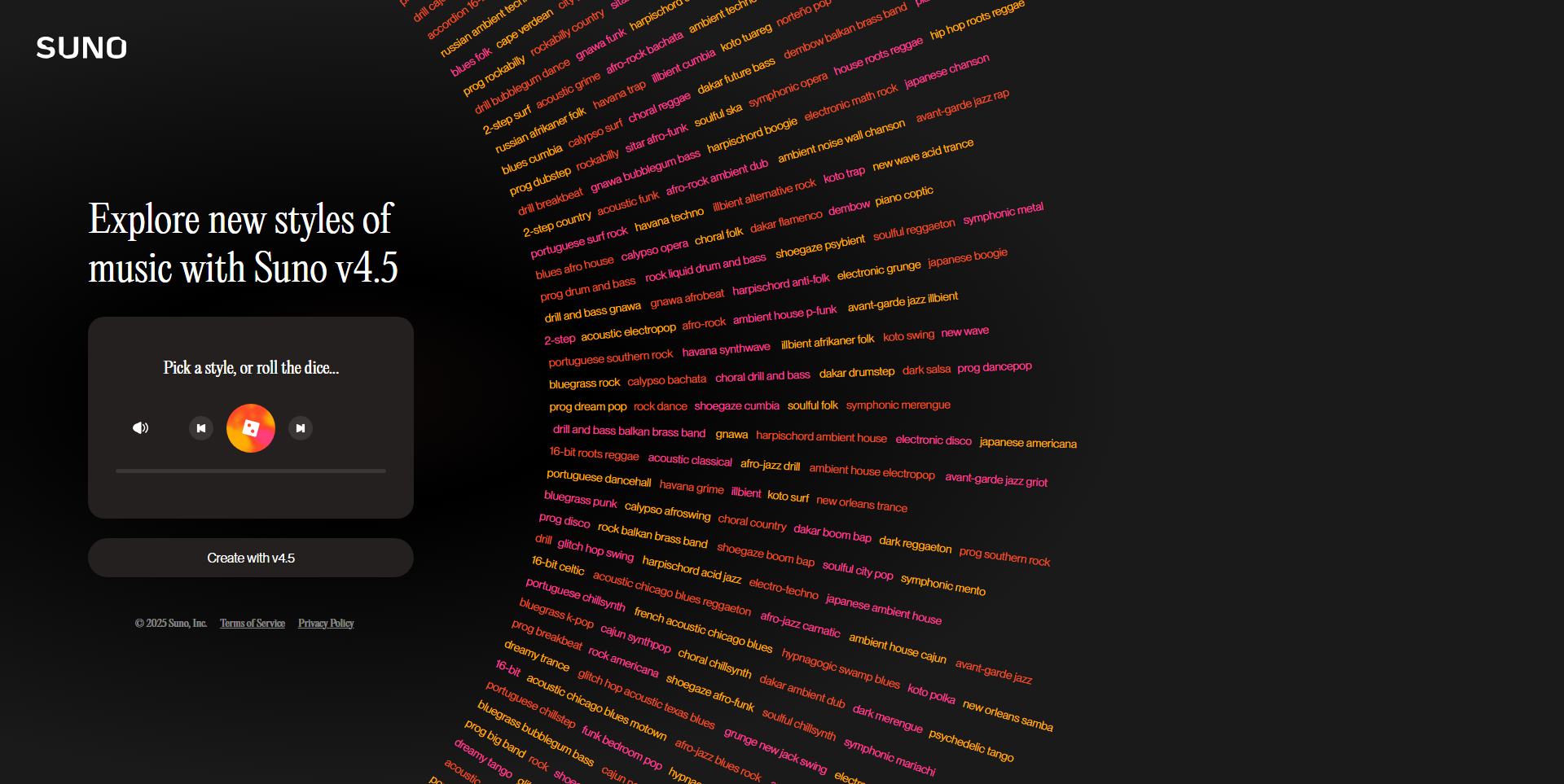
Suno’s biggest strength is accessibility. It removes nearly all barriers to music creation, allowing anyone to generate songs instantly. Its ability to produce full tracks with vocals makes it stand out from many competitors that focus only on instrumentals.
However, this simplicity comes at the cost of control. Advanced users may find the editing and customization options limited compared to traditional DAWs or professional tools. Additionally, legal concerns around AI training data and copyright remain an important consideration for commercial users. Overall, Suno is best for rapid creation and experimentation rather than detailed production workflows.