Project management tools like , Notion, Basecamp, Lark, Slack, Asana and Trello.
AI chatbot tools like ChatGPT, Grok, Perplexity, Claude, Gemini and Copilot.
Marketing analytics platforms like Google Analytics, Similarweb and Semrush.
CRM systems like HubSpot, Apollo.io Pipedrive, Zoho CRM, and Salesforce.
VPNs, SSO providers, and password managers like NordVPN, Okta, and LastPass.
Email marketing and campaign tools like MailerLite, Instantly, and Mailchimp.
Website builders, hosting tools like Hostinger, Webflow, Framer, and Shopify
HR and recruiting software like ATS platforms, BambooHR, Workday, and Lever.
Automate finances with confidence like Quickbooks, Stripe, Brex, and Mercury.
Design and editing tools like Figma, Canva, Adobe Creative Cloud, CapCut.
Workflow automation tools like Zapier, Make, Clay, and Reclaim.ai.
No-code and AI-native dev tools like Cursor, Windsurf, Lovable and Bubble.

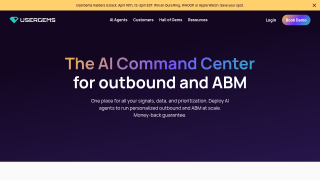
UserGems excels in AI signal capture (job changes, intent), account scoring, personalized emails, CRM enrichment. Integrates seamlessly with Salesforce/HubSpot. No public pricing; enterprise-focused. Strong customer support via alerts/Slack. Highly cost-effective for pipeline growth (6-20% reply rates).[248 chars]
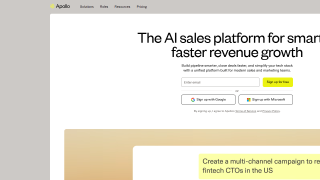
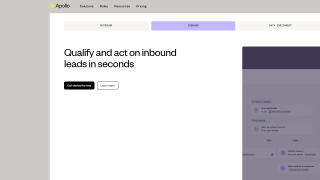
Apollo’s biggest strength is its all-in-one approach. By combining a large contact database with outreach automation and CRM features, it reduces the need for multiple tools and simplifies the sales stack. This makes it particularly effective for teams looking to scale outbound quickly.
However, the credit-based pricing model introduces complexity. While entry-level plans appear affordable, actual costs can increase significantly depending on usage, especially when purchasing additional credits or scaling campaigns.
Overall, Apollo is best suited for teams that want a unified sales platform with strong prospecting and automation capabilities, but are willing to manage credits and optimize usage to control costs.