Project management tools like , Notion, Basecamp, Lark, Slack, Asana and Trello.
AI chatbot tools like ChatGPT, Grok, Perplexity, Claude, Gemini and Copilot.
Marketing analytics platforms like Google Analytics, Similarweb and Semrush.
CRM systems like HubSpot, Apollo.io Pipedrive, Zoho CRM, and Salesforce.
VPNs, SSO providers, and password managers like NordVPN, Okta, and LastPass.
Email marketing and campaign tools like MailerLite, Instantly, and Mailchimp.
Website builders, hosting tools like Hostinger, Webflow, Framer, and Shopify
HR and recruiting software like ATS platforms, BambooHR, Workday, and Lever.
Automate finances with confidence like Quickbooks, Stripe, Brex, and Mercury.
Design and editing tools like Figma, Canva, Adobe Creative Cloud, CapCut.
Workflow automation tools like Zapier, Make, Clay, and Reclaim.ai.
No-code and AI-native dev tools like Cursor, Windsurf, Lovable and Bubble.

Vercel is a modern platform optimized for developers and businesses deploying web applications, especially Next.js projects. It offers seamless CI/CD pipelines, serverless functions, static site generation, global edge networks, and straightforward Git integration. Pricing ranges from free (Hobby) to $20/user/month (Pro) or custom Enterprise plans, ensuring scalability. Compared to alternatives like Netlify, Vercel excels in Next.js support but lacks extensive backend features. Ideal for developers and teams managing performance-critical, frontend-heavy apps. Despite higher pricing at advanced levels, its ease of use and fast infrastructure make it competitive. Customer support is rated highly, though response times can vary. Overall, Vercel is a cost-effective tool for developers prioritizing speed and simplicity.
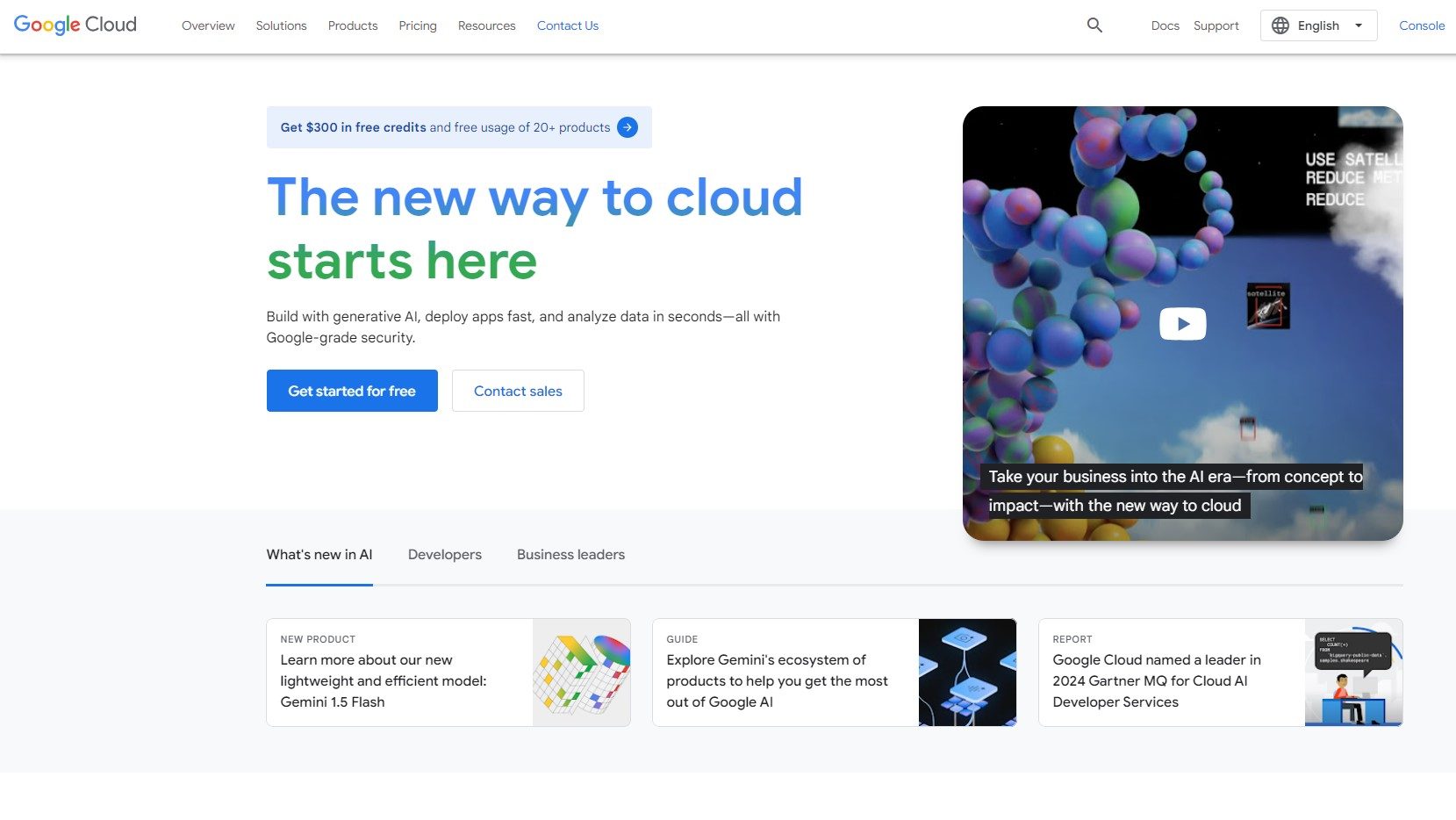
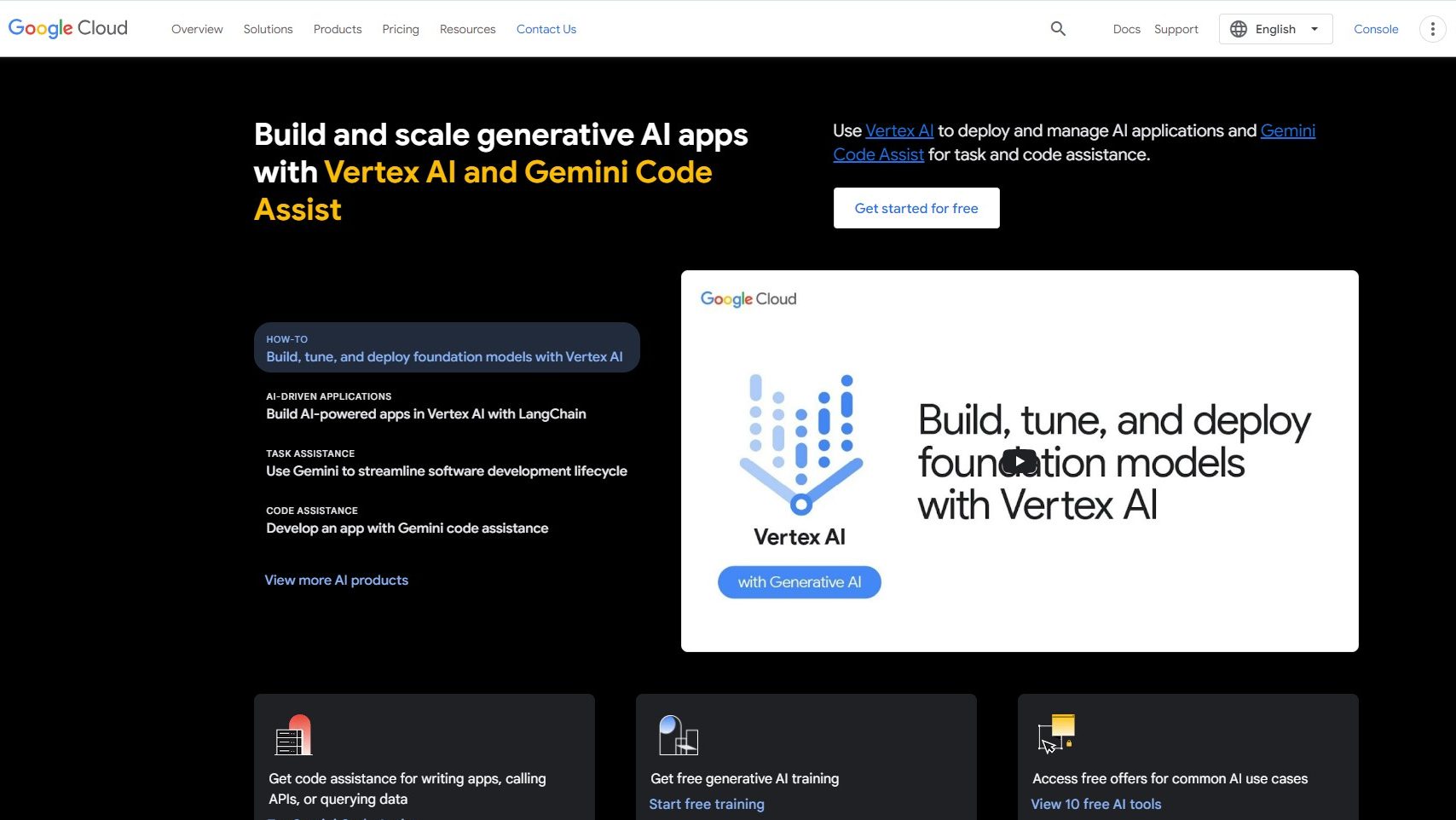
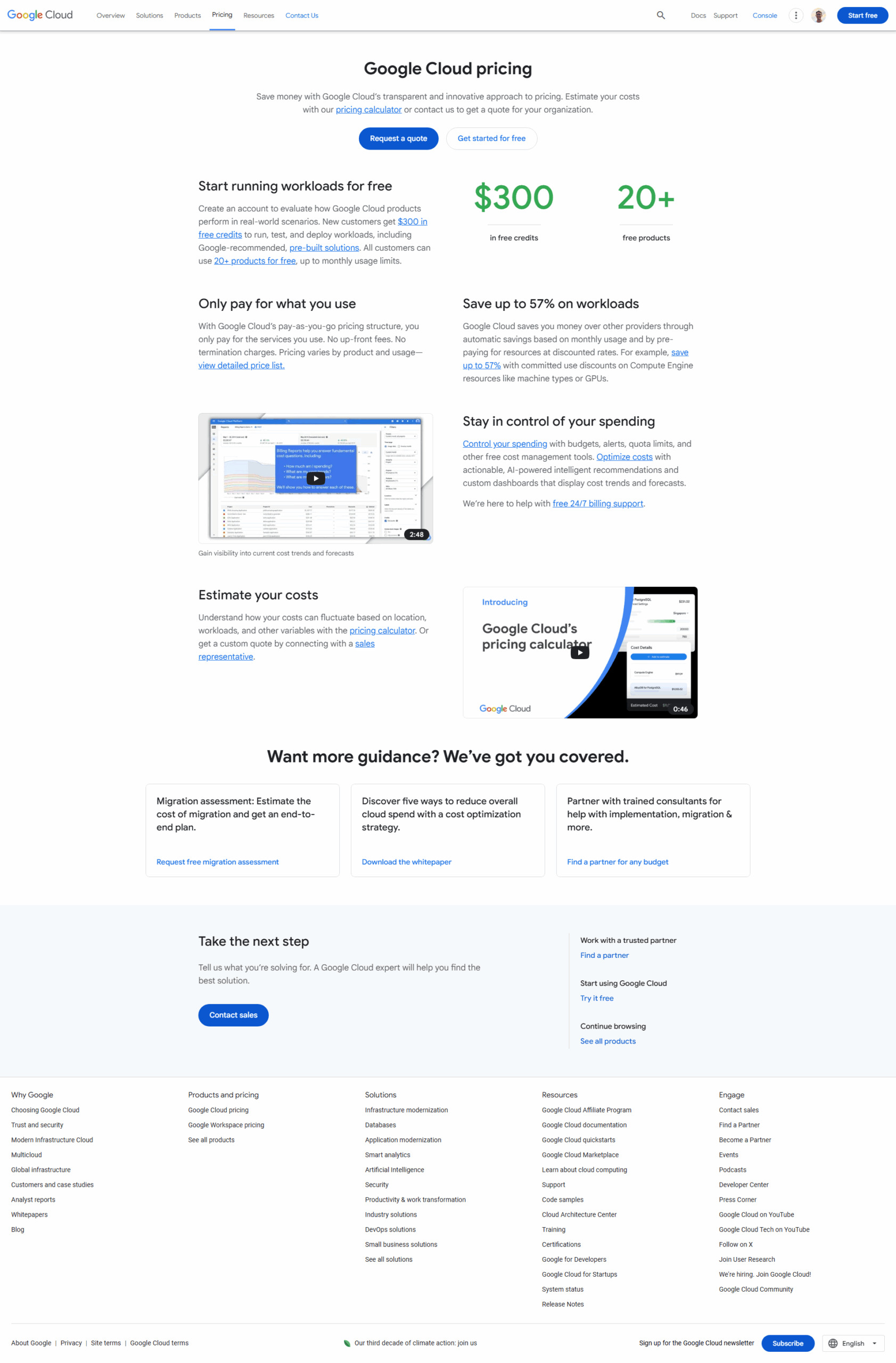
Google Cloud is a flexible, scalable platform specializing in cloud computing, storage, and AI/ML tools, ideal for developers, businesses, and marketers. Its key features include seamless integration with Google services, robust security, and open-source support. Pricing is pay-as-you-go, with a free $300 credit for new users. Compared to AWS and Azure, it excels in collaboration tools but can have a steeper UI learning curve. Customer support is solid, though pricing can confuse new users. It’s cost-effective, especially for small teams or startups needing quick scalability.